What Is Poison Pen About?
The premise of Poison Pen in 297 words, with nothing given away. The full story follows below.
In a quiet English village where daily routines once drifted like a gentle stream, an unexpected tide of anonymous letters begins to wash over doorsteps. Each missive is laced with intimate accusations that feel both personal and impossibly knowing, turning the pastoral calm into a landscape of whispered doubts. The very act of opening a mailbox becomes a moment of suspense, as the community’s veneer of friendliness is peeled back to reveal the uneasy undercurrents of envy, fear, and hidden resentment.
The moral compass of the village is first held by Reverend Rider, a steady‑voiced clergyman whose attempts to soothe the swelling anxiety are matched by his sister Mary Rider, whose quiet compassion offers a counterpoint to the growing hysteria. Their daughter, Ann Rider, stands on the cusp of marriage to David, a young man whose future seems suddenly tangled in the same threads of rumor. Meanwhile, Connie Fateley, a shy seamstress who prefers the solitude of her workroom, finds herself thrust into the spotlight of suspicion, embodying the way the letters can target even the most unobtrusive lives. The local shopkeeper Len Griffin and the farmer Sam Hurrin round out a cast whose ordinary concerns are suddenly amplified by the unsettling correspondence.
As the letters continue to circulate, the village’s close‑knit fabric begins to fray, replaced by an atmosphere thick with mistrust and the unnerving sense that everyone might be both observer and accused. The tone is moody and deliberate, echoing the classic British thriller’s love of psychological tension over overt action. Beneath the polite façades, the community must confront how easily rumor can eclipse reason, leaving the audience to wonder what hidden truths the anonymous hand seeks to reveal and how the townsfolk will navigate a world where words have the power to unravel lives.
What Happens in Poison Pen?
The complete story of Poison Pen, from the first scene to the last, in 867 words (about 4 minutes). Spoilers throughout. Names in the text link to 12 cast member pages.
Spoilers ahead
In a tranquil English village, the everyday rhythms of life are peeled back to reveal a layer of unease when a torrent of anonymous letters begins arriving at doors, each one loaded with scurrilous, highly personal accusations. The mood shifts from composure to suspicion as neighbors begin to question not only the morality of strangers but the very loyalties of friends and family. The Reverend Rider Reginald Tate and his sister Mary Flora Robson try to steady the growing panic, urging everyone to ignore the hot, reckless claims and treat the notes as baseless, malicious noise. Their calm, steady voice anchors the early part of the crisis, but the letters gain momentum and accuracy, and the quiet confidence of the village starts to fray.
The trouble deepens when the notes target Ann Rider [Ann Todd], the Reverend’s daughter, along with her fiancé, a man named David [Geoffrey Toone]. The couple’s innocence becomes a battleground as the anonymous writer seems to know intimate details about their lives, and the whispers grow louder in every corner of the village. The letters arrive with a chilling regularity, each one piling new, salacious detail onto the previous accusations. As the town’s social fabric begins to tear at the seams, even the most respectable households find themselves under a lens they never signed up to wear. The atmosphere thickens with unease, so that even familiar faces carry the weight of implied guilt, and friendships begin to crumble under the strain of suspicion.
The campaign of poison-pen mischief soon converges on Connie Fateley [Catherine Lacey], a shy seamstress who keeps mostly to herself. Convinced by the wave of accusations that she must be the culprit, the villagers turn their backs on her, ostracizing her from everyday village life. The mounting pressure proves too much for Connie, and tragedy strikes when she takes her own life by hanging herself from the bellrope in the village church. The sorrow is sharp and public, and even those who clung to a belief in Connie’s innocence are forced to confront the possibility that the letters have glossed truth over malice, and that their own judgments may have contributed to a devastating outcome.
In the wake of Connie’s death, Reverend Rider delivers a passionate sermon in which he denounces the town’s eagerness to condemn without evidence. He condemns the way fear has overridden kindness, and he laments the way the community has allowed rumor to override compassion. Yet the sermon does little to quiet the anxious murmurs; many still feel a sense of relief that “the case is over,” even as others insist there must be more to uncover. As the letters continue to arrive, the police intensify their involvement, organizing a careful, around-the-clock watch on every village letterbox and collecting the envelopes for forensic scrutiny. A handwriting expert is brought in to determine whether the messages share a common origin, and the town watches with a gnawing mix of fear and curiosity as the investigation unfolds.
The drama escalates when the letters begin to uncover fractures within personal relationships. David becomes the target of new accusations about Ann’s supposed infidelity, while a local man, Sam Hurrin [Robert Newton], finds himself at the center of a fresh storm of rumors about his wife, Sucal, and her supposed dalliance with Len Griffin [Edward Chapman], the local shopkeeper. The accusations inflame old tensions and push some to the edge, culminating in a violent confrontation that ends with Griffin’s death. The police tighten their surveillance, systematically tracing every letter’s path and cross-referencing the addresses on the envelopes, determined to catch the author of the cruel campaign and restore some sense of order to the community.
As the investigation narrows, the net seems to close around the village’s most respected figure—the Reverend’s sister, the long-trusted Mary, a woman who has long masked a turbulent inner world beneath an outwardly steady, caring façade. The mounting scrutiny unsettles everyone, and the once calm, self-assured town begins to tilt toward collective paranoia. The truth, when it finally threatens to surface, unravels a disturbing pattern: the person behind the letters is driven into a frenzy as the evidence tightens, ultimately leading to a fatal leap from a cliff above a quarry, a desperate end to a troubling chapter in the village’s history.
Across the village, the ripple effects linger long after the final act, reframing how the community defines guilt and innocence. The Reverend and his sister, the fiancé and fiancée, the quiet seamstress, and the shopkeeper—each must confront not just the anonymous accuser, but the uncomfortable possibility that the letters have awakened truths residents would rather ignore. The story leaves readers with a stark reminder: the damage wrought by rumor can outlast the truth, and the line between protecting reputations and seeking justice can blur in the face of fear, suspicion, and sorrow.
Notes on cast references:
- Reverend Rider Reginald Tate
- Mary Rider Flora Robson
- Ann Rider Ann Todd
- David Geoffrey Toone
- Connie Fateley Catherine Lacey
- Sam Hurrin Robert Newton
- Len Griffin Edward Chapman
- Barmaid Megs Jenkins
- Mrs Kemp Merle Tottenham
- Mrs Warren Esma Cannon
- Dr. Sloane John Rae
- Inspector Colclough Charles Mortimer
Poison Pen Timeline: Every Key Event in Order
13 key events in the order they happen, from “First anonymous letters arrive” to “Final aftermath and vigilant caution”. 13 events name a place, across 12 locations.
- 1
First anonymous letters arrive
A series of anonymous letters begins arriving at village homes, each detailing lurid allegations about recipients and their families. The messages shatter the village's calm and sow suspicion among neighbors. All the letters bear the local postmark, hinting that the trouble originates from within the community.
When:Evening, Day 1 Where:The village
- 2
Rider and Mary urge calm
Reverend Rider and his sister Mary publicly urge residents to ignore the letters as malicious nonsense. They warn against overreacting to unverified claims and try to dampen the growing panic. Despite their pleas, fear and curiosity keep spreading.
When:Day 2 Where:Vicarage and village church
- 3
Letters escalate and social fabric strains
The letters continue arriving, growing more sensational and invasive. The village's social fabric begins to fracture as friends, families, and neighbors start doubting one another. Rumors take on a life of their own as trust erodes.
When:Day 3 Where:The village
- 4
Connie Fateley becomes a scapegoat
Connie Fateley, a shy seamstress who keeps to herself, is singled out as the likely culprit behind the letters. The community ostracizes her, misinterpreting her quiet demeanor as guilt. The pressure builds around her until she cannot endure the isolation.
When:Week 1 Where:Connie Fateley's home and village
- 5
Accusations reach Ann and David
A fresh wave of letters accuses Ann, the reverend's daughter, and questions her fiancé David. The allegations threaten their relationship and complicate the family’s standing in the village. The couple struggles to separate truth from the spreading rumor.
When:Week 1 Where:Ann's home
- 6
Letters reveal intimate knowledge
Some villagers notice that the letters contain intimate knowledge of personal circumstances. The accuracy invites doubt that there might be a grain of truth behind the fabrications. The sense of unease grows as people wonder who could be privy to such details.
When:Week 1–2 Where:Across the village
- 7
Tensions flare and a shooting occurs
The letters implicate marital strife and jealousy, triggering fresh tensions. Sam Hurrin confronts Len Griffin after rumors about his wife, and in a drunken rage he shoots Griffin. The incident heightens fear of how far people will go under the letters' influence.
When:Week 2 Where:Village streets and shop
- 8
Police surveillance begins
Police mount round-the-clock surveillance of all village letterboxes, collecting letters and demanding return addresses. A handwriting expert is brought in to trace the author. The investigation tightens as investigators follow every lead.
When:Week 2–3 Where:Village and surrounding roads
- 9
Investigation narrows to Mary
The investigation leads toward Mary, the vicar's sister, who appears outwardly composed but keeps a disturbed mind hidden behind a mantle of care. Her dual role as a respected community member makes the unfolding mystery more unsettling. The net tightens around her as evidence accumulates.
When:Week 3 Where:Parish and Mary’s circle
- 10
Mary’s breakdown and final act
Realising the net is closing in, Mary descends into a destructive mental frenzy. The mounting pressure culminates in her fatal jump from a cliff above a local quarry, bringing the letters’ campaign to a tragic close. The village is left to confront the consequences of fear and superstition.
When:Final act Where:Cliff above the local quarry
Show the other 3 events of Poison Pen Hide the last 3 events
- 11
Rider condemns the town in a sermon
In a searing sermon, Rider denounces the congregation for driving Connie to suicide without a shred of evidence. The sermon condemns the mob-like behavior that allowed suspicion to become tragedy. It marks a turning point in the villagers’ moral reflection.
When:Following Connie’s death Where:Village church
- 12
Relief and lingering doubt
Most villagers privately feel relief that the ordeal is over, though many acknowledge that the absence of proof leaves lingering doubt. The community grapples with the consequences of rumor and the cost of punishment without evidence. Some quietly question whether justice has truly been served.
When:After Mary’s death Where:Village church and homes
- 13
Final aftermath and vigilant caution
With the suspect gone, police maintain vigilance on letterboxes to deter future intimidation. The letters' case leaves the village wary and introspective about how rumor can corrupt a community. The mystery ends not with certainty, but with a cautionary reflection on collective fear.
When:After the cliff incident Where:Village and police headquarters
Who Are the Main Characters in Poison Pen?
9 characters, among them Sam Hurrin (Robert Newton), Mary Rider (Flora Robson) and Rev. John Rider (Reginald Tate): who each one is and the part they play in the story. Every profile links to the actor’s page.
-
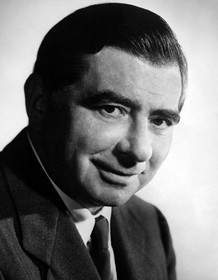
Sam Hurrin (Robert Newton)
Played by Robert Newton
A local villager whose marriage is strained by the letters; he drinks to cope with suspicion and is driven to rage after confronting Len Griffin. His volatile temper and susceptibility to slander reveal how quickly anger can erupt under pressure. His actions propel the investigation and expose the fragility of trust in the village.
- 🗣️ Gossip
- 🔥 Violence
- 🧭 Social Pressure
-
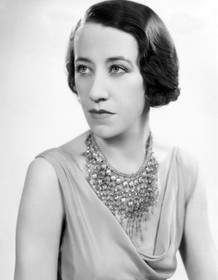
Mary Rider (Flora Robson)
Played by Flora Robson
The Reverend Rider’s sister, a respected community member who hides a severely disturbed mind behind a mask of care. Her outward composure masks internal instability that becomes crucial to the village’s unraveling. She embodies the tension between duty and hidden turmoil.
- 🧠 Psychology
- 🗣️ Gossip
- 🧭 Respect
- RJ
Rev. John Rider (Reginald Tate)
Played by Reginald Tate
The village’s Reverend who attempts to calm the hysteria and urge the letters to be ignored. He represents moral authority against the tide of rumor, yet he must confront the limits of reason when the community refuses to dismiss allegations. His leadership is tested as fear overrides faith.
- 🙏 Faith
- 🗣️ Gossip
- 🕊️ Leadership
- AR
Ann Rider (Ann Todd)
Played by Ann Todd
Rider’s daughter who becomes a target of lewd accusations about her fiancé. She experiences the fragility of reputation and how rumors can corrode personal relationships. The pressure on her highlights how social judgments can trap individuals in a web of suspicion.
- 👩🎓 Reputation
- 🗣️ Gossip
- 💔 Relationships
- D(
David (Geoffrey Toone)
Played by Geoffrey Toone
Ann’s fiancé who becomes entangled in the letters. His life is upended as the town questions his past and loyalty, illustrating how accusations can spill into romance. He stands as an example of innocence under intense scrutiny.
- 🗣️ Gossip
- 💑 Relationships
- 🕵️ Suspense
- CF
Connie Fateley (Catherine Lacey)
Played by Catherine Lacey
A shy seamstress who becomes the village’s scapegoat, ostracized by fear and suspicion. The letters reveal vulnerability that the community exploits, ultimately driving her to despair. Her tragedy underscores the destructive power of collective condemnation.
- 🗣️ Gossip
- 🧭 Social Pressure
- 💔 Tragedy
- LG
Len Griffin (Edward Chapman)
Played by Edward Chapman
A shopkeeper who becomes the focus of insinuations about marital infidelity and is killed by Sam after a confrontation. His death becomes the catalyst for the police investigation and the search for truth amid fear.
- 🕵️♂️ Investigation
- 🧭 Gossip
- 💥 Violence
- IC
Inspector Colclough (Charles Mortimer)
Played by Charles Mortimer
A police inspector who oversees letterbox surveillance and the pursuit of the writer. He embodies formal inquiry rising from rumor, guiding the village back toward order. His presence marks the transition from gossip to a proper investigation.
- 🕵️ Investigation
- 🗺️ Authority
- 🧩 Mystery
- GP
George Price the Postman (Wilfrid Hyde-White)
Played by Wilfrid Hyde-White
The local postman whose deliveries link the letters to the village and whose postmark is crucial to the mystery. He represents how a trusted messenger can become entangled in a social crisis. His routine presence highlights how everyday duties intersect with crime and suspicion.
- 📬 Postal Service
- 🧭 Evidence
- 🗨️ Communication
Where and When Is Poison Pen Set?
Poison Pen is set in English village. Here is why the place matters to the story.
When
Set in a traditional English village era where mail is the primary conduit for personal information, the plot unfolds without modern communications. The story thrives on the tension between private life and public perception as letters reveal intimate details. With no instant messaging or digital records, judgment rests on word of mouth and official inquiries.
Where
English village
A quiet rural English village serves as the backdrop where everyday life centers on the church, the post office, and local shops. The close-knit community makes rumors travel fast, and neighbors are quick to police each other's reputations. The arrival of anonymous letters shatters the calm and exposes the fragile balance of trust within the community.
- 🏡 Village
- 🗺️ English countryside
- 🕰️ Traditional
What Are the Themes of Poison Pen?
3 ideas the story keeps returning to, among them Gossip, Paranoia and Judgment.
-
01
Gossip
Anonymous letters unleash rumor and stigma, turning neighbors into suspects. The town’s social fabric frays as personal details are weaponized to humiliate and ostracize. The community discovers that whispers can be more damaging than any fact, pushing some toward drastic actions.
-
02
Paranoia
As letters continue to arrive, residents begin watching each other for signs of guilt. A police-style investigation, including surveillance of letterboxes and handwriting analysis, intensifies the sense that anyone could be the culprit. The constant scrutiny fuels fear and internal conflict.
-
03
Judgment
Moral judgments override evidence as reputations become battlegrounds. The push to assign guilt leads to tragedy, including Connie Fateley’s suicide and the violence sparked by suspicion. The Reverend’s sermon condemns collective punishment while acknowledging the danger of mass moral panic.
What Kind of Film Is Poison Pen?
Tense in tone, with steady pacing and a moderate story, going by the plot summary.
- Tone
- Tense
- Pacing
- Steady
- Story
- Moderate
- Intensity
- High
- Ending
- Bittersweet
A steadily escalating and deeply tense drama that explores the corrosive effects of suspicion and anonymous cruelty on a small community, creating an atmosphere of oppressive paranoia and sorrow.
- anxious
- paranoid
- oppressive
- suspenseful
- melancholic
- somber
- psychological thriller
- social breakdown
- gossip and rumors
- guilt and innocence
Content notes: suicide, psychological abuse, mob mentality.
Quiz
How well do you remember Poison Pen? Test yourself on the story.