
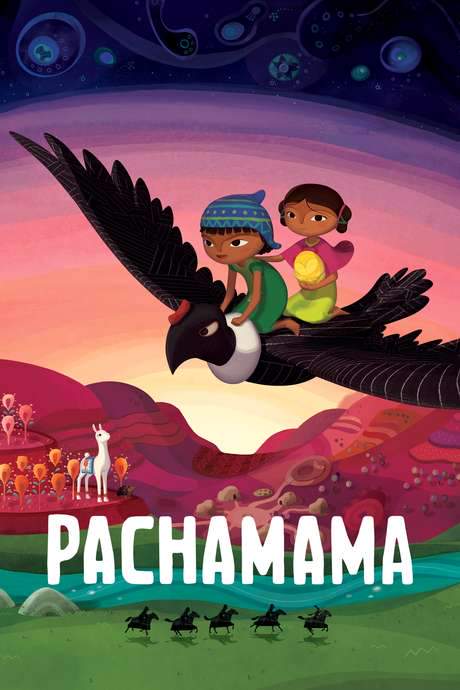
What Is Pachamama About?
The premise of Pachamama in 312 words, with nothing given away. The full story follows below.
In the lofty silence of the Andes, a secluded village clings to the sky, its stone houses and terraced fields breathing the same thin air as the ancient peaks. Life here moves to the rhythm of the earth, marked by seasonal rites, whispered legends, and the ever‑present pulse of Pachamama, the mother‑earth deity. The landscape is both harsh and luminous, a place where clouds drift low enough to brush the rooftops and the wind carries the scent of quinoa and wild herbs.
Tepulpai, a ten‑year‑old with eyes that seem to see beyond the horizon, stands at the heart of this world. Though the village elders view his yearning to become a shaman with cautious skepticism, his imagination is already filled with the drumbeats of ceremonies and the quiet guidance of unseen spirits. He feels the weight of tradition pressing against his restless curiosity, and his days are a delicate dance between learning the accepted ways and daring to imagine something greater.
When a determined young traveler named Naira arrives, her presence introduces a fresh current into the community’s steady flow. She shares the same restless spirit, and together they begin to sense that the valley’s quiet balance may be more fragile than anyone admits. Their budding friendship is rooted in a shared reverence for the land and a mutual yearning to uncover the mysteries that lie just beyond the familiar paths.
The film’s tone is a blend of reverent myth and understated adventure, painted with the vivid colors of high‑altitude life—glimmering sunrise over snow‑capped summits, the earthy aroma of incense, and the low hum of ancient songs. As Tepulpai and Naira contemplate the possibilities that await beyond their village’s borders, the story invites viewers to feel the pull of destiny, the whisper of the wind, and the promise that even the youngest hearts can carry the weight of a people’s spiritual future.
What Happens in Pachamama?
The complete story of Pachamama, from the first scene to the last, in 432 words (about 2 minutes). Spoilers throughout. Names in the text link to 4 cast member pages.
Spoilers ahead
Tepulpai, Tepulpai, a curious 10-year-old with a burning dream to become a Shaman, is denied the chance to join the village’s revered role of the Great One. The community’s luck darkens when an Incan tax collector arrives and confiscates the Huaca, the village’s most precious treasure, along with most of the crops, leaving the people hungry and desperate. Walumama, Walumama, the elder, faints at the loss of the statue, and Tepulpai’s anger hardens into a resolve: the Huaca must be recovered.
Tepulpai crosses a rope bridge to Cusco and reluctantly accepts the company of Naïra, who insists on joining him. Tepulpai is wary at first, but he agrees after she bravely crosses the bridge herself. In Cusco, they meet the Great Inca and are warned to think twice about their plan as they discuss a message from a dying chasqui about a floating house on the waters and beings from another world — “monsters” with metal skins that spit fire. He asks them to carry his warning. Tepulpai pockets the chasqui’s pututu and presses on toward the Great Inca.
The two children seek to relay the warning, but the Great Inca dismisses the tale as a lie from the Great Observer. Tepulpai, angered, challenges the authority, and the situation escalates when the so‑called “gods” arrive and attack, revealing themselves as thieves. They seize the Huaca, and the children narrowly escape into an abandoned house. Tepulpai uses Kirkincho, an armadillo, to confuse the thieves while [Naïra] returns the Huaca to the village. The thieves quickly realize Tepulpai never held the real Huaca, and a whirlpool drags them away.
Lost in an underground labyrinth, Tepulpai encounters the blind Great Observer and his puma, who offer food and shelter. The Great Observer explains that there is no easy escape from the maze and helps Tepulpai see that the Great Condor’s feather he once took was taken without permission. He quietly apologizes to the feather, and the wind carries it toward the exit, guiding Tepulpai out.
The Great Condor rescues the children, flying them back to the village while Kirkincho and Naira’s llama, Llamita, hurry back on their own. Tepulpai learns that the Great Condor is actually the Shaman, and the danger intensifies as the metal-clad intruders close in to steal the Huaca. The Huaca cracks under their assault, the crops are devastated by an explosion, and Walumama has joined the ancestors. In a final turn, Tepulpai discovers seeds hidden within the Huaca and offers them to Pachamama. As rain returns, the village joins in a celebratory dance, embracing a future rooted in renewal and hope.
Pachamama Timeline: Every Key Event in Order
12 key events in the order they happen, from “Tepulpai's dream of becoming a Shaman is rejected” to “The Great Condor revealed as the Shaman”. 12 events name a place, across 9 locations.
- 1
Tepulpai's dream of becoming a Shaman is rejected
Tepulpai, a 10-year-old boy, is denied approval to become a Great One. He still dreams of walking the shaman path and helping his people. The rejection sets him on a path to prove himself, despite his age and status in the village.
When:Early in the story Where:Village
- 2
Incan tax collector arrives and Huaca is stolen
A tax collector from the Inca arrives and takes away the village's Huaca along with much of the crops. The village is left with nothing to eat, and fear spreads. Walumama faints at the loss of their sacred statue, highlighting the villagers' despair.
When:Soon after arrival Where:Village
- 3
Tepulpai resolves to retrieve the Huaca
Tepulpai becomes determined to recover the Huaca and restore his people's hope. When asked to leave, he resolves to embark on the journey, despite the risks. Walumama's distress and Tepulpai's resolve set the quest in motion.
When:Immediately after theft Where:Village
- 4
Rope bridge crossing and new companion
Tepulpai crosses a rope bridge on his way toward Cusco and meets Naira, who asks to join him. He initially refuses, but Naira's determination convinces him to let her accompany him after she crosses the bridge herself. The partnership marks the start of their shared journey.
When:During the journey to Cusco Where:Rope bridge
- 5
Arrival in Cusco and a dying chasqui's warning
The pair reaches the bustling city of Cusco, where Naira cautions Tepulpai to think carefully about his decisions. They encounter a dying chasqui who warns of beings from another world, described as monsters with metal skins that spit fire. Before dying, the chasqui entrusts them with a message and Tepulpai seizes his pututu to carry it forward.
When:Arrival to Cusco Where:Cusco
- 6
They seek the Great Inca; belief vs. deception
Tepulpai and Naira follow two men to the Great Inca, hoping to relay the warning. The Great Inca refuses to believe their story, dismissing it as a lie from the Great Observer. When the 'gods' arrive and attack, the Great Inca is knocked down, and the thieves reveal themselves, sparking a chaotic escape with the Huaca.
When:Near Cusco, after arrival Where:The Great Inca's vicinity
- 7
The abandoned house trap and whirlpool
Tepulpai and Naira hide in an abandoned house while the thieves close in. Tepulpai distracts the thieves with Kirkincho, an armadillo, while Naira attempts to take the Huaca back to the village. The thieves realize Tepulpai does not hold the real Huaca, and he and Kirkincho are swept into a whirlpool.
When:Immediately after the failed theft Where:Abandoned house and whirlpool
- 8
Tepulpai's labyrinth trial and guidance
Tepulpai awakens in an underground labyrinth where a blind Great Observer and his puma help him. The observer feeds him and offers guidance, explaining there is no way out. He also helps Tepulpai realize he took the Great Condor's feather without permission, which the feather then allows him to escape.
When:Inside the labyrinth Where:Underground labyrinth
- 9
The Great Condor rescues and returns home
The Great Condor flies past the children and rescues Tepulpai, bringing them back toward the village. Kirkincho and Naira's llama Llamita race back on their own to safety. Tepulpai learns that the Condor is the Shaman, revealing a deeper connection to their world.
When:Escape from labyrinth Where:In the air back to village
- 10
Thieves close in; Huaca breaks; crops ruined
The men in metal arrive to steal the Huaca, and it breaks during their confrontation. Their assault also destroys crops with an explosion, intensifying the villagers' desperation. Tepulpai clings to the broken Huaca and vows to protect what remains.
When:Upon return Where:Village center
- 11
Walumama joins the ancestors; seeds emerge
Walumama joins the ancestors, and Tepulpai discovers seeds hidden inside the Huaca. He offers them to Pachamama, signaling a turn toward renewal as rain begins to fall. The community dances to celebratory music, embracing new beginnings.
When:During the rain and ceremony Where:Village and fields
- 12
The Great Condor revealed as the Shaman
In the final moments, Tepulpai realizes that the Great Condor is in fact the Shaman watching over the village. The story culminates with a ritual-filled dance and renewal as the village reclaims its roots. The seeds of Pachamama promise a harvest that will sustain them.
When:Ending Where:Village
Who Are the Main Characters in Pachamama?
8 characters, among them Tepulpai, Naïra and Walumama: who each one is and the part they play in the story. 6 of them link to the actor’s page.
- T
Tepulpai
Played by Andrea Santamaria
10-year-old Tepulpai dreams of becoming a Shaman, but is initially rejected by the village’s Great One. He is brave and quick to anger, yet learns to listen to others on his journey. His improvisation with Kirkincho and his persistence drive the rescue of the Huaca. Through trials he grows more reflective and responsible for his community's fate.
- 🔥 Courage
- 🌱 Growth
- 🛡️ Determination
- N
Naïra
Played by India Coenen
Naïra joins Tepulpai after crossing the rope bridge, and challenges him to think twice before acting. She is practical, courageous, and steadfast, helping carry the mission forward. Her presence balances Tepulpai’s impulsiveness and keeps the quest focused on returning the Huaca to the village. She proves an essential partner in navigating both danger and moral decisions.
- 🌟 Companion
- 🗺️ Explorer
- W
Walumama
Played by Marie-Christine Darah
An elderly woman who embodies the village's memory and ritual life. Walumama's fainting at the absence of the Huaca underscores the fragility of their tradition without its sacred center. She personifies the connection to ancestors and the world that Pachamama governs. Her presence anchors the emotional stakes of the villagers' fate.
- 🕊️ Wisdom
- 🌿 Tradition
- GI
Great Inca
Played by Alex Harrouch
The ruler of the Inca world, initially skeptical of Tepulpai and the children's tale. He represents authority and order, whose disbelief drives the conflict. The arrival of thieves and the attack by ‘gods’ test his leadership and judgment. Ultimately his stance is challenged by events beyond his control.
- 👑 Authority
- 🛡️ Leadership
- C
Chaman
Played by Saïd Amadis
A wise shaman who provides spiritual guidance and translates the danger of the unknown into meaning for Tepulpai. He warns of consequences and supports the journey with ritual insight. His presence anchors the film's sense of mystery and traditional knowledge.
- 🔮 Spirituality
- 🌿 Guidance
- P
Percepteur
Played by Vincent Ropion
The Incan tax collector who arrives to seize the Huaca and crops, triggering the crisis. His greed interrupts the villagers' life and sets Tepulpai and Naira on their quest. His role frames the socio-political pressures pressing on the community.
- 💼 Authority
- 💰 Greed
- K
Kirkincho
An armadillo ally who is used by Tepulpai to fool the thieves, showing the cleverness and companionship that aid the quest. The creature’s small acts become pivotal in momentary safeguards during the escape.
- 🐾 Animal companion
- 🧭 Cleverness
- GC
Great Condor
The Great Condor is revealed to be the Shaman and acts as a guiding force for Tepulpai, offering a means back to the village. The bird’s flight symbolizes grace, safety, and spiritual approval of Tepulpai's growth.
- 🕊️ Spirit
- 🗺️ Helper
Where and When Is Pachamama Set?
Pachamama is set in Andean village near Cusco and Peru (Pre-Columbian Inca era). Here is why the time and place matter to the story.
When
Pre-Columbian Inca era
The story unfolds in an ancient Inca world filled with temples, chasquis, and rope bridges. Daily life centers on agricultural cycles and ceremonial practices prior to Spanish contact. The rugged landscape and communal traditions underscore a time when ritual power and nature were deeply intertwined.
Where
Andean village near Cusco, Peru
The setting centers on a highland Andean village with a sacred Huaca at its heart and surrounding agricultural terraces. Life revolves around ritual harvests, family ties, and reverence for ancestral spirits. When the Incan tax collector steals the Huaca and crops, Tepulpai's quest to recover the artifact pulls him from the village to Cusco and into the surrounding mountains.
- 🏔️ Adventure
- 🗿 Culture
- 🐾 Nature
What Are the Themes of Pachamama?
3 ideas the story keeps returning to, among them Courage, Tradition and Myth.
-
01
Courage
Tepulpai faces dangerous environments and hostile forces to retrieve the Huaca, showing that bravery often requires quiet resilience as much as bold deeds. He learns to temper impulsiveness with collaboration, relying on friends like Naira. The journey demonstrates that courage is amplified when a community stands together to protect its heritage.
-
02
Tradition
The Huaca and Pachamama anchor the villagers' identity and agricultural life, reflecting a culture that values ritual memory. The Great Inca's authority is challenged by theft and doubt, pushing the young protagonists to honor their ancestors while adapting to danger. Renewal is signaled by seeds hidden in the Huaca, symbolizing continuity through hardship. The film treats tradition as dynamic, not relic, requiring care and adaptation.
-
03
Myth
Myth and reality blur as beings like the Great Observer and the Great Condor appear, guiding or testing the children. The arrival of seemingly divine beings turns out to be a confrontation with greed embodied by the thieves. The labyrinth and the Condor’s intervention link spiritual signs to concrete choices, shaping Tepulpai’s growth. The ending ties myth to renewal, with Pachamama’s seeds promising life after the storm.
What Kind of Film Is Pachamama?
Whimsical in tone, with steady pacing and a straightforward story, going by the plot summary.
- Tone
- Whimsical
- Pacing
- Steady
- Story
- Straightforward
- Intensity
- Medium
- Ending
- Happy
A heartwarming and whimsical adventure through the Andes that follows a determined child on a spiritual journey of self-discovery, filled with mystical encounters and an uplifting message of hope.
- hopeful
- adventurous
- whimsical
- spiritual
- heartfelt
- mystical
- coming of age
- spiritual journey
- cultural traditions
- quest
Quiz
How well do you remember Pachamama? Test yourself on the story.
