

What Is Off Course About?
The premise of Off Course in 280 words, with nothing given away. The full story follows below.
In the restless streets of Berlin, a city that glitters with the promise of work and new beginnings, two freshly graduated Spaniards arrive with high hopes and polished résumés. Hugo carries a finance background, while Braulio is a budding scientist, both eager to turn their academic achievements into stable careers. The film paints the capital as a vibrant but unforgiving landscape, where language, bureaucracy and cultural dislocation turn every job search into a quiet struggle.
Soon they cross paths with a small community of fellow expatriates who have already begun to carve out fragile lives in the German capital. Carla is a determined Spaniard who has managed to break through the local job market after years of perseverance, and she quickly becomes a touchstone for the newcomers. Living under the same roof are Rafa, Carla’s easy‑going brother, and Andrés, an older Spaniard whose years abroad have left him both wistful and wise. The eclectic household also includes Hakan, the owner of a modest Turkish café, and his wife Marisol, who together offer a glimpse of the entrepreneurial spirit that sustains many migrants.
The tone balances gritty realism with moments of quiet humor and heartfelt connection, framing the characters’ ambitions against the backdrop of a city that is at once alluring and indifferent. Relationships bloom in the cramped apartments and bustling cafés, each interaction hinting at deeper questions of identity, loyalty and what it means to call a foreign place home. As the ensemble navigates the daily grind, the audience is invited to feel the tension between optimism and uncertainty, the weight of expectations, and the stubborn hope that drives anyone willing to chase a better future far from familiar shores.
What Happens in Off Course?
The complete story of Off Course, from the first scene to the last, in 854 words (about 4 minutes). Spoilers throughout. Names in the text link to 9 cast member pages.
Spoilers ahead
In Berlin, two overeducated, underemployed professionals set out for a new chapter: Hugo González, a finance-trained mind, and Braulio López, a scientist with big ideas but few opportunities. A TV program that touts Germany as an employment paradise acts like a siren call, pulling them into a city that promises much more than it can easily deliver. Almost instantly, Hugo runs into Carla Suárez, a fellow Spaniard who has just cracked the professional door after years of struggle, and their shared optimism makes for an uneasy, hopeful bond. They all end up sharing a building with Rafa Esparbé, a drug‑dealing slacker who is Carla’s brother, and an older Spanish expatriate named Andrés Sacristán, whose own view of Berlin echoes the younger generation’s frustrations.
A dispiriting, fruitless search for work in their trained fields follows, and the language barrier proves to be a formidable obstacle that undersells Berlin’s real-world complexity. Hugo and Braulio end up working in a Turkish café owned by Hakan Bachir, where Rafa also cobbles together a living. When Hugo’s father, Próspero Cámara, loses his job, Hugo begins sending most of his earnings home, crafting elaborate lies about his status to keep up appearances for his parents in Spain and his fiancée, Nadia Corber, who plans to visit after hearing tales of his “success.” The emotional pull of home becomes a constant thread as Hugo’s circle weighs the risks and rewards of this migration.
Carla and Hugo grow closer, even as their initial mutual dislike lingers. Carla confesses a recurring ache: she often feels like the other woman in relationships, a line that tests the boundaries of trust and desire between them. This tension sits beside the café’s hum and the mounting pressures of starting anew in a foreign city, where every small win feels like a bigger risk.
Parallel to these romantic and professional dramas, a separate arc follows Hakan and his wife Marisol. They struggle with infertility, and a doctor’s appointment becomes the axis around which their hopes pivot. Braulio contemplates selling his sperm to fund German language lessons, and Marisol—desperate to have a child—offers a candid, provocative proposition: she would pay Braulio to donate “without the middleman.” The plan, full of ethical ambivalence, leads to Marisol conceiving, and soon after, Hakan faces the crushing truth that he is sterile. The news reshapes their marriage and forces them to confront what family means in a place that feels both welcoming and merciless.
Another strand follows Andrés as the years peel back layers of exile and memory. He is revealed to have an estranged daughter back in Spain, and the weight of that connection grows heavier when he is diagnosed with Alzheimer’s disease. His aging, misfitting identity in a city of new beginnings adds a bittersweet gravity to the ensemble’s misadventures.
When Hugo’s parents and Nadia finally come to Berlin, the delicate balance of appearances cracks. Carla assumes the role of Hugo’s secretary, and Nadia is presented as his fiancée, a setup that fuels Carla’s suspicion and anger. The deception ripples through the household, and Hakan becomes a stern witness to the unraveling of friendships and the fragility of trust. The tension culminates in a painful realization: Hugo has been playing a double game, and Carla’s sense of self—her own longing for genuine connection—feels betrayed.
The emotional center of the film pivots on Hugo’s decision about love versus money. Back in Spain, he briefly pursues a path that would align with Nadia’s father’s expectations, but a pivotal speech by Próspero inspires him to choose love over liquidation of his own happiness. On the day of the wedding, Hugo jilts Nadia at the altar and returns to Berlin, where he discovers Carla jogging amid the sea of Berlin Marathon runners. The moment acts as a emotional fulcrum—two people who can finally see each other clearly after the years of misdirection and deception. Their reconciliation is hard-won, a quiet triumph against the noise of an indifferent city.
The film’s climactic sequence ties several threads together: Marisol gives birth in the café’s delivery van as marathon traffic churns outside, with Braulio and Andrés present, a stark reminder that life’s miracles often arrive in the most unexpected places. Meanwhile, Hugo’s return to life in Berlin is underscored by the sense of an extended family taking shape around him, as Hakan and Marisol’s relationship stabilizes, and the couple’s daughter joins the fold, blessing a new chapter in this trans-European story.
In the end, the narrative circles back to ambition, belonging, and the costs of migration. Braulio earns a prestigious fellowship to China, signaling a bright future anchored in hard-won credibility. Hugo’s home life in Spain has tempered by repossession, yet he and Carla carve out a shared life in Berlin with an enlarged, makeshift family—Hakan, Marisol, and their daughter adding color and resilience to their days. And Andrés’s daughter arrives in Berlin to care for her father, closing a loop that ties generations across continents. The film leaves viewers with a quiet optimism: even when paths diverge and plans go awry, connection, loyalty, and the stubborn hope for a better future can endure the longest marathon.
Off Course Timeline: Every Key Event in Order
14 key events in the order they happen, from “Arrival in Berlin and first contact” to “Epilogue: lives in motion”. 14 events name a place, across 8 locations.
- 1
Arrival in Berlin and first contact
Hugo and Braulio arrive in Berlin after being lured by a TV program promising employment. Hugo literally runs into Carla, a fellow Spaniard who has just broken through professionally. They quickly end up sharing a building with Rafa, Carla's drug-dealing brother, and the elderly expatriate Andrés.
When:arrival day Where:Berlin, Germany
- 2
Struggling to find work; language barrier
The group endures a fruitless search for work in their trained professions, with the language barrier proving a major hurdle. In the end, Hugo and Braulio are taken on at Hakan's Turkish café, working alongside Rafa.
When:early period after arrival Where:Berlin, at Hakan's café
- 3
Family back home decides to visit
Hugo sends most of his earnings back to Spain, where his father Próspero has just lost his job. His mother Beni and his fiancée Nadia visit Berlin after hearing his glowing stories, deciding to visit him spontaneously.
When:shortly after arrival Where:Berlin and Spain
- 4
Bonding with Carla; the 'other woman'
Hugo and Carla gradually grow closer, moving past their initial mutual dislike. Carla confesses she tends to end up as 'the other woman' in relationships, sharing a wedding anecdote that sheds light on her pattern.
When:early in Berlin days Where:Berlin
- 5
Fertility clinic and doctor visit
A subplot unfolds as Hakan and his wife Marisol face infertility and turn to medical tests to determine sterility. The doctor warns that the couple will need tests to understand their chances.
When:mid-early Where:Berlin fertility clinic
- 6
Braulio's sperm donation leads to conception
While Braulio attempts to fund German lessons by selling sperm, he runs into Marisol at the fertility clinic. She offers to pay for his lessons if he donates sperm without a middleman, and Braulio agrees, leading to her eventual conception.
When:mid Where:Berlin fertility clinic
- 7
Hakan learns he is sterile
Hakan discovers he is sterile and questions whether he could be the father of Marisol's baby. He cuts off contact with Braulio and Marisol.
When:after conception Where:Berlin
- 8
Andrés's Alzheimer's diagnosis
Andrés is revealed to be dealing with Alzheimer's disease, while also being an irascible elder figure in the expatriate circle. He is also shown to have an estranged daughter living in Spain.
When:middle Where:Berlin
- 9
Visitors reveal employment setup
When Hugo's parents and fiancée Nadia visit Berlin, Rafa, Carla, Hakan, and Marisol each play a different role as Hugo's 'staff'. Carla is introduced as Hugo's secretary and Nadia as his fiancée, causing Carla to rethink her attraction to Hugo and exposing his deception.
When:during visit Where:Berlin
- 10
The wedding in Spain and a vow to love
On the day of his wedding in Spain, Próspero tells Hugo to marry for love, not money. Emboldened, Hugo jilts Nadia at the altar and immediately travels back to Berlin.
When:wedding day Where:Madrid, Spain
Show the other 4 events of Off Course Hide the last 4 events
- 11
Reconciliation with Carla in Berlin
Back in Berlin, Hugo joins a crowd at the Berlin Marathon and spots Carla jogging among thousands. The two reconcile after the long separation.
When:after returning to Berlin Where:Berlin
- 12
Marathon births and chaos
During the marathon, Marisol goes into labor and delivers her baby in a delivery van near the café, with Braulio and Andrés present. The frantic delivery eventually reaches the hospital after the marathon traffic subsides.
When:during marathon day Where:Berlin, near the café
- 13
Braulio's career breakthrough
Braulio wins a scientific fellowship to China, signaling a professional breakthrough and a new opportunity on the horizon. The news hints at a brighter future for Braulio even as the other lives continue to evolve around him.
When:end Where:China
- 14
Epilogue: lives in motion
In the epilogue, Hugo's parents' home is repossessed in Spain, while Hugo and Carla live in Berlin with their extended family—Hakan, Marisol, and their daughter. Andrés's daughter arrives in Berlin to care for her father.
When:end Where:Berlin and Spain
Who Are the Main Characters in Off Course?
10 characters, among them Braulio (Julián López), Hugo (Yon González) and Carla (Blanca Suárez): who each one is and the part they play in the story. Every profile links to the actor’s page.
-

Braulio (Julián López)
Played by Julián López
A scientist who is overeducated and underemployed, Braulio navigates Berlin’s job market with a mix of ambition and insecurity. He lies about his employment to maintain status and support his pride, becoming entangled in a web of deception. His practical wit and stubborn optimism drive much of the film’s tension and redemptive moments.
- 🧪 Scientist
- 💼 Economic precarity
- 🧭 Identity
- H(
Hugo (Yon González)
Played by Yon González
Trained in the financial sector, Hugo is a dreamer who struggles with underemployment and self-worth. He deceives others about his real status to maintain a façade of success, and his choices ripple through his relationships, including a planned wedding that ends in a dramatic jilting. His journey is about accountability and the search for authentic purpose.
- 💬 Dishonesty
- 🌐 Diaspora
- 💖 Romance
- C(
Carla (Blanca Suárez)
Played by Blanca Suárez
A fellow Spaniard who has finally found professional traction, Carla fights to avoid becoming ‘the other woman’ in a relationship. Her evolving bond with Hugo tests her boundaries and sense of belonging, revealing a mix of vulnerability and determination. She often finds herself negotiating love, loyalty, and personal ambition.
- 🎯 Ambition
- 💔 Love triangle
- 🗺️ Belonging
-

Nadia (Úrsula Corberó)
Played by Úrsula Corberó
Nadia is Hugo’s fiancée, representing the conventional path he initially pursues. Her presence amplifies the tension when truths spill over, exposing the illusion of his career success. She embodies modern urban life and the social pressures around love, status, and marriage.
- 💍 Engagement
- 🌍 Social pressures
- 🧠 Identity
- A(
Andrés (José Sacristán)
Played by José Sacristán
An older expatriate whose daughter lives in Spain, Andrés embodies memory, loyalty, and the fragility of plans across borders. His Alzheimer's diagnosis adds emotional weight and questions about legacy. He serves as a counterpoint to the younger couple’s restless pursuit of opportunity.
- 🧓 Elderly
- 🧠 Alzheimer's
- 📜 Family ties
-
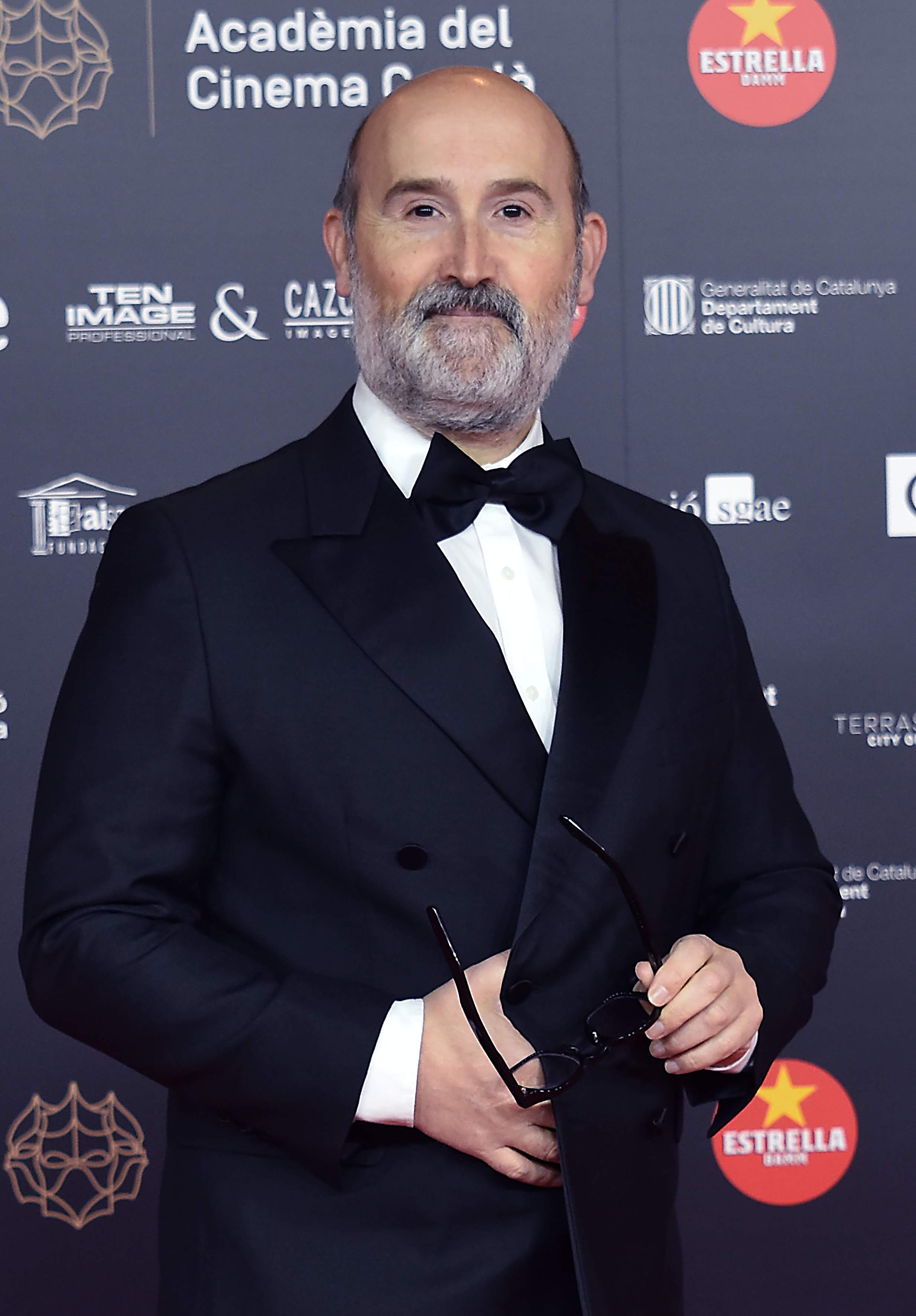
Próspero (Javier Cámara)
Played by Javier Cámara
Hugo’s father who loses his job and faces economic uncertainty. He offers wisdom about choosing love over money, and his speech during the wedding scene becomes a catalyst for Hugo’s ultimate decision. His character anchors themes of sacrifice and intergenerational advice.
- 👨👦 Father
- 💬 Wisdom
- 🕰️ Time
-

Hakan (Younes Bachir)
Played by Younes Bachir
A Turkish café owner who brings the immigrant work world to the foreground. He and his wife Marisol navigate fertility struggles and unexpected complications, forcing them to confront the limits of desire and practical decisions. His interactions with Braulio reveal the complexity of mentorship and exploitation in a new city.
- 🧑🍳 Cafe owner
- 🧬 Fertility
- 🤝 Community ties
- M(
Marisol (Malena Alterio)
Played by Malena Alterio
Hakan’s wife who faces infertility and a desperate desire for a child. Her actions intertwine with Braulio’s life, altering the course of friendships and romantic loyalties. Her resilience and drive to secure a future for her family drive several pivotal plot developments.
- 👩🍼 Motherhood
- 🧬 Fertility
- ❤️ Hope
- R(
Rafa (Miki Esparbé)
Played by Miki Esparbé
Carla’s drug-dealing brother who lives in the same building, contributing to a messy, vibrant, and morally gray backdrop. He embodies street-level grit, complicating the protagonists' attempts to stabilize their lives. His character adds humor, danger, and a sense of shared orbit around the central trio.
- 🕶️ Rebellion
- 🫶 Loyalty
- 🚧 Unstable world
-

Benigna (Carmen Machi)
Played by Carmen Machi
Hugo’s mother who becomes involved in the family’s economic and emotional struggles. She embodies care, resilience, and the endurance of family bonds in the face of uncertainty. Her presence highlights the importance of familial support and sacrifice.
- 👵 Matriarch
- 🏥 Family
- 🗣️ Guidance
Where and When Is Off Course Set?
Off Course is set in Berlin, Germany and Spain (2010s). Here is why the time and place matter to the story.
When
2010s
The action unfolds in contemporary times, reflecting modern mobility and the European job market. Language barriers, temporary gigs, and cross-border family pressures are characteristic of this era. The social dynamic centers on educated professionals navigating unemployment and migration in a digital, globalized age.
Where
Berlin, Germany, Spain
The central setting is Berlin, a bustling European capital where educated Spaniards struggle to find work. The story also shifts to Spain as Hugo's family contemplates visiting, highlighting the pull of home and familial obligations. The city backdrop includes Turkish cafés, international colleagues, and the Berlin Marathon, which frames moments of personal revelation and reconciliation.
- 🗺️ Urban setting
- 🧭 Immigrant experience
- 🏁 Migration and labor markets
What Are the Themes of Off Course?
5 ideas the story keeps returning to, among them Migration, Love & Deception and Aging & Family.
-
01
Migration
The premise centers on educated Spaniards relocating to Berlin in search of work, only to confront language barriers, cultural distance, and precarious employment. The film examines how migration reshapes identity, purpose, and relationships, often blurring the line between aspiration and illusion. It also shows how back-home ties pull migrants toward marriages, children, and home life that stay out of reach.
-
02
Love & Deception
Carla and Hugo forge a volatile relationship built on initial dislike and mutual need, while Hugo fabricates employment to justify his lifestyle. Nadia represents the social façade surrounding his success, causing emotional harm and jealousy. The film explores how romantic choices collide with truth, leading to heartbreak and reconciliation.
-
03
Aging & Family
Andrés faces Alzheimer's, highlighting family responsibilities and the fear of losing memory and connection. Hugo's parents confront financial pressures and the possibility of losing their home, intensifying the sense of familial duty. The narrative threads emphasize care, regret, and intergenerational bonds in a demanding urban world.
-
04
Fertility & Parenthood
The subplot with Hakan and Marisol centers on the longing for a child and the ethical complexities of fertility. Braulio's sperm donation, arranged outside traditional channels, underscores the desperation and practical compromises families make. The eventual arrival of a child reframes their relationships and future plans.
-
05
Belonging
Across Berlin and Spain, characters seek acceptance and a sense of belonging beyond social labels. The convergence of different cultures—Spanish expatriates, Turkish cafe workers, and local Berliners—reveals how community forms in unlikely places. The film suggests that belonging is often crafted through shared struggles, humor, and acts of care.
What Kind of Film Is Off Course?
Bittersweet in tone, with steady pacing and a moderate story, going by the plot summary.
- Tone
- Bittersweet
- Pacing
- Steady
- Story
- Moderate
- Intensity
- Medium
- Ending
- Bittersweet
A bittersweet and reflective film that captures the anxious yet hopeful experience of young migrants navigating economic hardship, romantic complexities, and the search for belonging in a foreign city.
- hopeful
- melancholic
- anxious
- reflective
- lonely
- romantic
- migration and diaspora
- economic struggle
- found family
- deception
Content notes: infertility, deception, financial hardship, serious illness.
Quiz
How well do you remember Off Course? Test yourself on the story.
