
O.C. and Stiggs 1987

Directed by
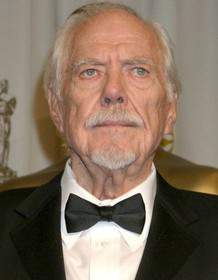
Robert Altman
Made by

Metro-Goldwyn-Mayer
O.C. and Stiggs Plot Summary
Read the complete plot summary and ending explained for O.C. and Stiggs (1987). From turning points to emotional moments, uncover what really happened and why it matters.
Two disenchanted Phoenix high school students, Oliver Cromwell ‘O.C.’ Ogilvie, Daniel H. Jenkins and Mark Stiggs, Neill Barry, drift through a sunbaked suburb that feels saturated with vulgar, vapid consumerism. They fill their days with pranks, petty crimes, and direct harassment of their chief target, the Schwab family. The Schwabs’ world is dominated by Randall Schwab, Paul Dooley a wealthy regional insurance salesman whose aggressive conservatism cloaks greed, ideology, and a stubborn blindness to his wife and family’s struggles. Elinore Schwab, Jane Curtin, bears the weight of alcoholism in the house, Lenore Schwab’s fraught relationship with Frankie Tang, and the stunted emotional growth of Randall Schwab Jr., Jon Cryer all under the stern gaze of a patriarch who seems blind to the consequences of his choices.
The film unfolds largely as a frame story, with O.C. and Stiggs narrating their misadventures to the President of Gabon, Omar Bongo, as they loosely recount the summer’s course toward their revenge on the Schwab clan. This framing sets the tone for a satire that blends adolescent bravado with sharper social critique, keeping the tone both rebellious and searching for meaning amid a culture that prizes surface over substance. The duo’s plan to overturn the Schwabs’ world grows from a series of escalating schemes that mirror their mounting disillusionment with adult society.
Their first major scheme targets Lenore’s wedding to Frankie Tang, a scheme that quickly spirals into chaos. They procure an Uzi from Sponson, Dennis Hopper and retrofit a battered Studebaker Champion into a hydraulically enhanced two-seater they nickname the “Gila Monster.” They crash the ceremony, manipulating Randall Jr. into firing into the wedding presents, the cake, and even a chandelier, all in a fit of reckless bravado that exposes the fragility of the adults who ought to be setting a better example. In the midst of this upheaval, O.C. forms a fragile, budding connection with a fellow student named Michelle, Cynthia Nixon, whose presence offers him a counterpoint to the chaos around him and a sliver of ordinary teenage possibility.
A second, bolder plan sees the pair dragging their mischief toward stages and costumes that mock authority. They enlist the involvement of King Sunny Adé and His African Beats for a surreal foray into musical mischief, and they recruit a friend named Barney to assist as they traverse to a Mexican fiesta, even as they taunt their drama teacher, Garth, in a moment that underscores a wider theme: the authority figures in their lives are often hypocritical or ineffectual. This detour culminates in the sabotage of a dinner theater performance, where the Schwabs attend, and the substitute band from Adé’s crew is met with stunned acceptance by the audience while the Schwabs recoil in horror at sounds they do not recognize or understand.
As the summer intensifies, O.C. and Stiggs roll out their grand, definitive act of revenge: they infiltrate the Schwab home while the family is away and transform it into a makeshift homeless shelter. While beneath the house they uncover a doomsday bunker stocked with guns, fireworks, and videotapes carrying the political messages of Hal Phillip Walker, a figure of ultraconservative rhetoric who looms over the entire conflict as a symbol of fear and misinformation. When the Schwabs return, the house erupts into upheaval and violence, culminating in an underground gunfight in which the two boys are nearly overtaken. They are saved by Sponson, who arrives by helicopter and seizes Randall, dropping him into a lake as the danger subsides. In the aftermath, O.C. finds himself reunited with Michelle, and the two retreat to a moment of quiet in her bedroom, a small counterbalance to the explosive events that preceded it.
The summer’s end brings a different kind of reward. Pat Colletti, Martin Mull a glamorous clothing magnate with a knack for turning crowd-pleasing fashion into profit, informs O.C. and Stiggs that his latest line has begun to soar in popularity, delivering the first in a sequence of substantial royalty checks. The windfall allows the two to fund a long-term care solution for O.C.’s grandfather, a move that keeps him in Phoenix rather than sending him away, preserving a sense of continuity amid the chaos. With renewed resources, they commission a 24-hour nurse for Grandpa Ogilvie, a move that keeps a fragile family dynamic intact even as the city around them roils with the fallout of their summer of schemes. The Gila Monster, a symbol of their reckless ingenuity, becomes a triumphant machine as they drive it through the streets of suburban Phoenix, a final flourish that marks their victory in a world where conventional rules rarely apply.
In the end, the film remains a sharp, provocative look at adolescence colliding with a world of adult dysfunction. The frame narrative methodically places the two boys at the center of a critique of consumerism, social conservatism, and the pressures that push young people toward radical actions. While the tone is comic and sometimes absurd, the story holds a steady mirror up to the ways in which power, money, and the quest for control warp relationships and communities. The closing image—a road-slung car and two young men gazing outward—resonates as a quiet counterpoint to the chaos they unleashed, suggesting that even when their schemes succeed in upending a family’s world, the real work of growing up and finding a place in the world remains unfinished.
O.C. and Stiggs Timeline
Follow the complete movie timeline of O.C. and Stiggs (1987) with every major event in chronological order. Great for understanding complex plots and story progression.
Frame narration and setup
The frame story opens with O.C. and Stiggs narrating their exploits to President Omar Bongo. They describe a culture they despise and set up their goal of retelling the events as a revenge against the Schwab family. This framing establishes the summer-long caper as a self-justifying tale.
First major plan: ruin Lenore's wedding
They hatch their first major plan to ruin Lenore and Frankie’s wedding. They obtain an Uzi from a deranged Vietnam veteran named Sponson and rebuild a barely functioning Studebaker into their weaponized 'Gila Monster'. The scheme is high-spirited but reckless, signaling the boys' willingness to escalate their pranks.
Wedding day chaos
On the wedding day, they crash the ceremony and create chaos by coaxing Randall Jr. to fire into the presents, cake, and chandelier. Amid the mayhem, O.C. strikes up a romantic connection with fellow student Michelle. The stunt marks their first major clash with the Schwabs’ veneer of respectability.
King Sunny Adé involvement and the prank trek
Their next scheme involves enlisting King Sunny Adé and His African Beats for a wild road-to-party plan. They raft and walk to a Mexican fiesta where they hire Adé and also torment their drama teacher Garth for his homosexuality. The caper widens their circle of mischief and deepens Michelle’s distance from O.C.
Romance fades; Colletti introduction
Michelle, exhausted by their constant pranks, ends their romance. O.C. and Stiggs then seek a new angle by turning to Pat Colletti for fashion industry connections, hoping to gain influence and money. The dynamic shifts from romance to schemes of social climbing.
Wino Bob’s death and vow of revenge
They later discover their drinking buddy Wino Bob has died, intensifying their sense of revenge. The loss fuels their determination to strike back at the Schwabs as a form of payback for their friend's death. They reorient their plans toward a more aggressive takeover of the Schwabs’ world.
Dinner theater sabotage
The boys sabotage a kitschy dinner theater that the Schwabs attend by replacing the performing cast with Adé’s band. The Schwabs experience horror from the unfamiliar, while the audience responds warmly to the music. This act pushes the conflict toward the climactic confrontation.
Infiltration and bunker discovery
They infiltrate the Schwab family home while the family is away and turn the house into a homeless shelter. In the process they uncover an elaborate doomsday bunker filled with guns, fireworks, and videotapes of Hal Phillip Walker. These discoveries set the stage for the dangerous showdown.
Underground gunfight and rescue
Upon the Schwabs’ return, chaos erupts as O.C. and Stiggs engage Randall in an underground gunfight. Sponson arrives by helicopter to rescue them, grabbing Randall and dropping him into a lake. The dramatic rescue ends the immediate threat and shifts the balance of power.
Reunion with Michelle and quiet aftermath
With the danger over, O.C. and Michelle reconcile and spend a moment alone together. They retreat to Michelle’s bedroom, seeking a sense of normalcy after the summer’s upheavals. The couple's bond is reaffirmed as the chaos subsides.
Colletti’s success and funding care
Pat Colletti informs them that his fashion line has become wildly successful and will pay them royalties. They use the money to hire a 24-hour nurse for O.C.'s grandfather, allowing O.C. to remain in Phoenix. The boys’ windfall cements their offbeat, money-fueled victory.
Triumphant ride of the Gila Monster
The summer ends with O.C. and Stiggs driving the Gila Monster through the streets of suburban Phoenix. They bask in their supposed triumph, a new windfall, and the unlikelihood of their young rebellion. The film closes on their triumphant glide through a city that barely understands them.
O.C. and Stiggs Characters
Explore all characters from O.C. and Stiggs (1987). Get detailed profiles with their roles, arcs, and key relationships explained.
Oliver Cromwell 'O.C.' Ogilvie — Daniel H. Jenkins
A disaffected Phoenix high school student and the frame narrative’s charismatic prankster. He is quick-witted, morally flexible, and driven by a dislike of consumer culture. He leads plans for revenge against the Schwabs and forms a fragile romantic bond with Michelle.
Mark Stiggs — Neill Barry
O.C.’s best friend and partner in crime, prone to impulsive schemes but loyal. He complements O.C.’s sharp wit with a practical, sometimes pessimistic view of their actions. Together they push the limits of their suburban world.
Randall Schwab — Paul Dooley
Wealthy patriarch and the controlling head of the Schwab family. His aggressive conservatism and greed drive much of the family conflict and the stifling dynamics within the household.
Elinore Schwab — Jane Curtin
Randall’s wife, a chronic alcoholic living under the family's pressure. She provides a counterpoint to Randall’s rigidity, illustrating the personal strains inside a wealthy suburban household.
Michelle — Cynthia Nixon
A high school classmate who becomes OC’s love interest. She becomes entangled with the boys’ schemes and gradually pulls away as the events spiral. She represents a more grounded perspective amid the chaos.
Sponson — Dennis Hopper
A deranged Vietnam veteran who supplies the group with an Uzi and assistance for their schemes. His volatile presence injects danger into OC and Stiggs’ adventures and serves as a catalyst for their plans.
Pat Coletti — Martin Mull
A women’s clothing magnate whom OC and Stiggs approach for marketing advice. His business success and social status become a testing ground for the youths’ ambitions and the satire of corporate culture.
Wino Bob — Melvin Van Peebles
A longtime drinking buddy who has participated in the pranks and is later found dead. His fate underscores the fragility and consequences of the boys’ reckless capers.
Clare Dejavue — Nina van Pallandt
A supporting figure encountered by OC and Stiggs; she adds to the social web of characters who populate the world around the Schwabs and the teenagers.
O.C. and Stiggs Settings
Learn where and when O.C. and Stiggs (1987) takes place. Explore the film’s settings, era, and how they shape the narrative.
Time period
1980s
Set during a hot summer in the 1980s, the film punctures suburban pretensions with a blend of slapstick and social critique. The era’s mix of consumerism, political satire, and counterculture informs the protagonists’ schemes and social observations. The frame-narration places OC and Stiggs as unwitting commentators on a contemporary American landscape.
Location
Phoenix, Arizona
The action centers on the sun-baked Phoenix suburbs where O.C. and Stiggs scheme against the wealthy Schwab family. The city’s sprawling neighborhoods and desert heat mirror the film’s commentary on consumer culture and middle-class life. Most of the key set-pieces orbit around a Phoenix household and the surrounding suburban ecosystem.
O.C. and Stiggs Themes
Discover the main themes in O.C. and Stiggs (1987). Analyze the deeper meanings, emotional layers, and social commentary behind the film.
💥
Rebellion
OC and Stiggs challenge the suburban status quo through escalating pranks and daring schemes. Their mischief acts as a lens on a culture obsessed with appearances and consumerism. The frame-narration and fantasies heighten the sense of youthful protest, even as the methods grow reckless.
🏠
Suburban critique
The film satirizes the hollow rituals of middle-class life—the weddings, parties, and social ambitions that define suburban success. The protagonists use humor and sabotage to reveal how the veneer of respectability masks insecurity and moral compromise. The setting in sprawling Phoenix suburbs reinforces the theme.
💰
Wealth & Power
Randall Schwab’s wealth and control illustrate how money governs family dynamics and social standing. The doomsday bunker and the family’s disdain for vulnerability expose the fragility behind affluence. The film treats wealth as both shield and weapon in a satirical portrait of American greed.
🗳️
Politics & Satire
Ultraconservative Hal Phillip Walker’s messaging and the film’s political climate critique how political rhetoric manipulates public sentiment. The protagonists weaponize cultural artifacts and media to stage their revenge. The satire extends to advertising, media, and the spectacle of power in the early 1980s.

Coming soon on iOS and Android
The Plot Explained Mobile App
From blockbusters to hidden gems — dive into movie stories anytime, anywhere. Save your favorites, discover plots faster, and never miss a twist again.
Sign up to be the first to know when we launch. Your email stays private — always.
Explore the mobile appO.C. and Stiggs Spoiler-Free Summary
Discover the spoiler-free summary of O.C. and Stiggs (1987). Get a concise overview without any spoilers.
In a glossy, sun‑baked suburb where polished lawns mask a restless consumer culture, the world feels both invitingly comfortable and suffocatingly superficial. The community’s polished veneer is punctuated by an undercurrent of quiet desperation, turning everyday routines into a stage for unnoticed tension. This setting becomes a character in its own right, its neat streets and immaculate storefronts reflecting the paradox of abundance and emptiness that the film gently satirizes.
Enter O.C. and Stiggs, two high‑schoolers whose boredom has mutated into a fierce contempt for the placid world around them. Their friendship is a blend of sharp wit, reckless imagination, and a shared desire to shake the foundations of the comfortable life they inhabit. Together they navigate the summer with a restless energy that feels both rebellious and oddly earnest, forming a partnership that thrives on mischief and a yearning for something more meaningful than the suburb’s prescribed script.
Hovering over their exploits is the affluent Schwab family, the embodiment of the wealth and conservatism that O.C. and Stiggs resent. The Schwabs’ polished lifestyle and unexamined values provide a foil for the duo’s growing disillusionment, hinting at deeper currents of hypocrisy and unspoken strain beneath the surface of suburban perfection. The film’s frame story—telling these summer misadventures to an unexpected listener—adds a layer of absurdity that underscores the satire while keeping the tone playful.
The movie balances biting social commentary with a breezy, almost anarchic humor, immersing the audience in a world where teenage bravado collides with adult pomposity. Its style is bright and irreverent, inviting viewers to question the price of conformity while rooting for two outcasts who dare to rebel against a world that seems designed to keep them in line.
Movies with Similar Twists and Themes
Uncover films that echo the narrative beats, emotional arcs, or dramatic twists of the one you're exploring. These recommendations are handpicked based on story depth, thematic resonance, and spoiler-worthy moments — perfect for fans who crave more of the same intrigue.
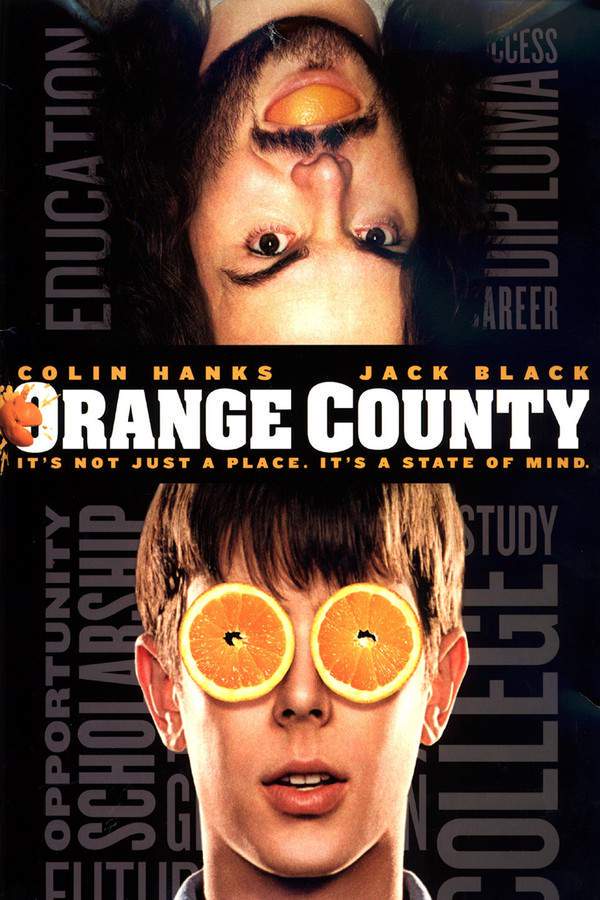
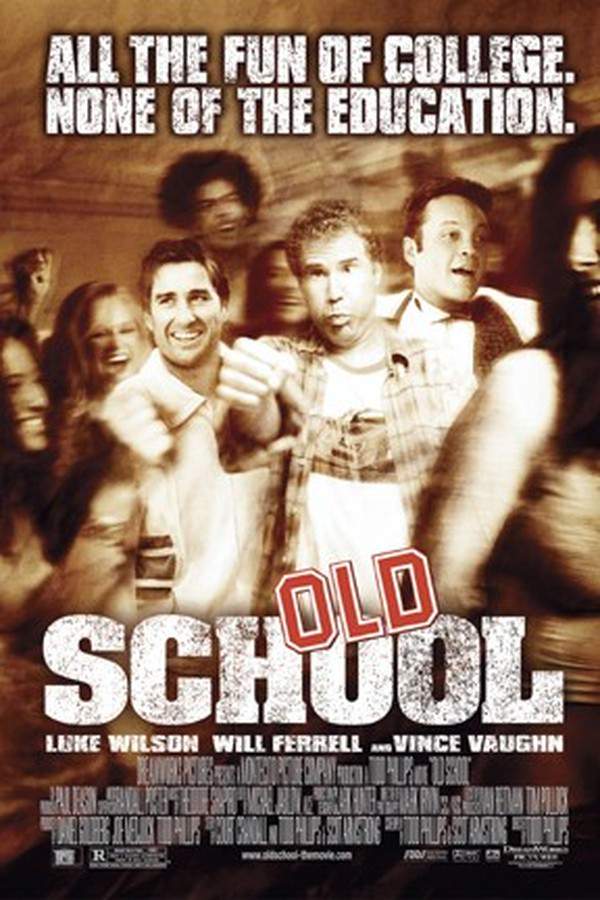



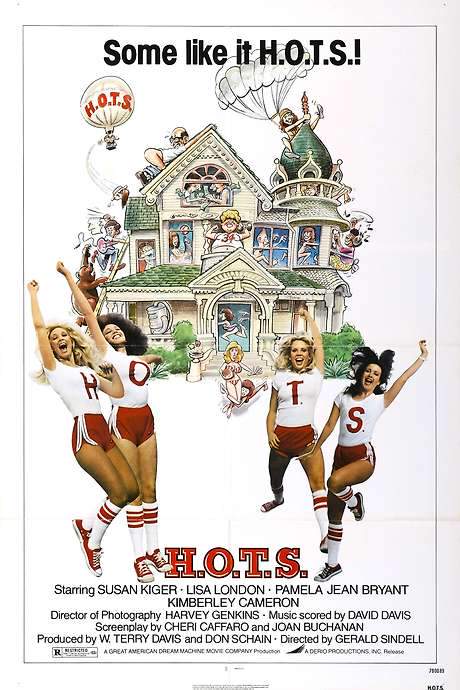

Featured on this page

What's After the Movie?
Not sure whether to stay after the credits? Find out!
Check out our other apps:

SAT Sphere
Build confidence for the Digital SAT.

Mori Atlas
Discover wild places worth protecting.

Luntero
Search smarter for a home in Amsterdam.

Plot Explained
Unravel movie endings and hidden clues.

Pokechamp
Dive into Pokémon data and battle logic.

Driving Theory
Get ready for your European theory test.

Movie Dust
Plan your next cinema trip with ease.

Musemap
Find art and culture as you travel.

Selkobase
Compare credentials before committing.

Local Manual
Turn an unfamiliar country into practical next steps.

Lernavi
Compare school systems before your next move.

GymRoam
Find a workout stop wherever your plans take you.
Explore Our Movie Platform
New Movie Releases (2026)
Famous Movie Actors
Top Film Production Studios
Movie Plot Summaries & Endings
Major Movie Awards & Winners
Best Concert Films & Music Documentaries
Movie Collections and Curated Lists
© 2026 What's After the Movie. All rights reserved.
Privacy Policy