
What Is Obit About?
The premise of Obit in 317 words, with nothing given away. The full story follows below.
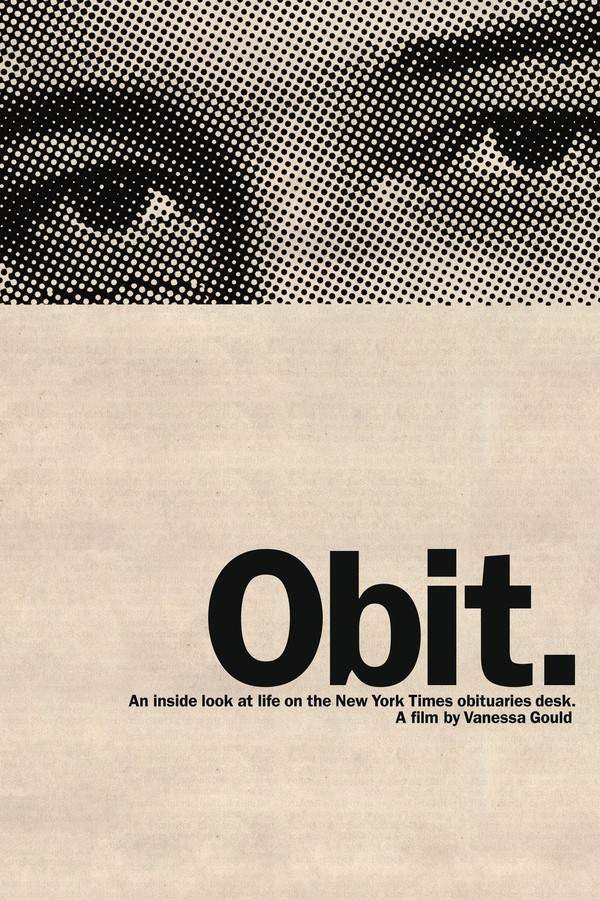
Within the storied newsroom of The New York Times, a dedicated team of obituary writers operates at the intersection of journalism, history, and the quiet human moments that often go unnoticed. Their work revolves around a singular, profound mission: to transform the lives of those about to pass into carefully crafted narratives worthy of remembrance. Every desk in this department hums with a different kind of urgency than the rest of the paper — not chasing breaking news, but weaving final chapters for people whose stories deserve to be told with care and precision.
The writers balance the demands of journalistic rigor with an unmistakable touch of artistry, aware that each obituary is both a factual record and a piece of lasting literature. Editorial meetings carry a contemplative energy as the team debates tone, structure, and the elusive opening line that will capture a life’s essence. The 6 p.m. print-edition deadline is a constant presence — a rhythm that keeps the work moving forward even as the subject matter invites reflection on memory and mortality.
Beyond the daily grind of writing, the documentary ventures into the vast archives that support this craft — including the legendary morgue files, a treasure trove too immense to relocate. The keepers of these records reveal the meticulous behind-the-scenes work that ensures no story slips through the cracks, from archival photographs to research materials that span generations. There is a gentle reverence in how these documents are handled, a recognition that they hold the connective tissue of history itself.
The film observes these writers with warmth and curiosity, capturing the camaraderie and quiet determination that defines a desk where every assignment carries emotional weight. Without sensationalism or spectacle, the documentary finds beauty in the routine — in the typing of names, the weighing of adjectives, the collective effort to ensure that each life, no matter how briefly noted, leaves behind something enduring.
What Happens in Obit?
The complete story of Obit, from the first scene to the last, in 333 words (about 1 minute). Spoilers throughout.
Spoilers ahead
Obit serves as a fascinating, first-of-its-kind documentary that provides an intimate glimpse into the specialized world of newspaper obituaries. The film focuses specifically on the inner workings of the obituary desk at The New York Times, revealing the meticulous process behind documenting a person’s life after they have passed.
The documentary follows various writers as they navigate the challenges of researching and composing these tributes. Viewers witness the intellectual struggle of the writers as they attend editorial meetings and fight against the clock, striving to perfect their “lede”—the opening paragraph of the story—just in time to meet the strict 6 pm print-edition deadline.
Throughout the film, the process is illustrated through specific examples:
- The creation of an obituary for William P. Wilson, the man responsible for coaching John F. Kennedy during his legendary and historic televised debate against Richard Nixon.
- The profiling of Dick Rich, a visionary who revolutionized the advertising world with his groundbreaking work for Alka-Seltzer.
As the narrative unfolds, the film discusses numerous other individuals, enriching the experience by incorporating archival film clips that bring the subjects’ lives to the screen.
A particularly intriguing segment of the film features the lone keeper of the Times’ morgue files. Because the archive is far too massive to be relocated to the newspaper’s new building, the curator shares the unique functions of this repository and showcases its most hidden treasures. Among these are the “advances”—obituaries written for famous figures long before they actually pass away, which are kept securely in locked filing cabinets.
The film highlights a remarkable instance involving Elinor Smith, a pioneer aviator. The Times had prepared an advance obituary for her as early as 1931, anticipating that her dangerous career in the air might lead to a crash. In a stunning twist of longevity, she survived for decades, eventually passing away in 2010 at the age of 98. When her death finally occurred, the original advance written nearly eighty years prior served as a vital resource for the obituary desk.
Obit Timeline: Every Key Event in Order
14 key events in the order they happen, from “Inside the Obituary Desk” to “An Eighty-Year-Old Resource”.
- 1
Inside the Obituary Desk
The documentary opens with an intimate, first-of-its-kind glimpse into the specialized world of newspaper obituaries at The New York Times. It reveals the meticulous process behind documenting a person's life after they have passed away.
Where:The New York Times
- 2
Writers at Work
The film follows various writers as they navigate the challenges of researching and composing obituaries. Viewers witness the intellectual struggle involved in condensing an entire lifetime into a fitting written tribute.
Where:The New York Times
- 3
Editorial Meetings
The writers attend editorial meetings to discuss and coordinate the obituaries in progress. These gatherings reveal the collaborative decision-making that shapes the newspaper's death notices.
Where:The New York Times
- 4
Crafting the Perfect Lede
The writers fight against the clock as they strive to perfect their 'lede,' the opening paragraph of each story. This crucial element must capture the essence of a person's entire life in just a few carefully chosen sentences.
- 5
Racing the 6 PM Deadline
The strict 6 pm print-edition deadline creates relentless daily pressure for the obituary desk. Every tribute must be polished and finalized in time to make it into the next morning's newspaper.
When:6 pm Where:The New York Times
- 6
Obituary for William P. Wilson
The process is illustrated through the creation of an obituary for William P. Wilson. Wilson was the man responsible for coaching John F. Kennedy during his legendary and historic televised debate against Richard Nixon.
- 7
Remembering Dick Rich
The documentary also profiles Dick Rich, a visionary who revolutionized the advertising world. His groundbreaking work for Alka-Seltzer transformed the way products were marketed to American audiences.
- 8
Archival Clips Bring Lives to Screen
As the narrative unfolds, the film incorporates numerous other individuals to enrich the experience. Archival film clips are woven in throughout, bringing the subjects' lives vividly to the screen.
- 9
The Keeper of the Morgue Files
An intriguing segment features the lone keeper of the Times' morgue files. The curator shares the unique functions of this vast repository and showcases its most hidden treasures.
Where:The New York Times
- 10
An Archive Too Massive to Move
The morgue archive proves far too massive to be relocated to the newspaper's new building. Its sheer scale means decades of stored newspaper history must remain exactly where it is.
Where:The New York Times
Show the other 4 events of Obit Hide the last 4 events
- 11
The 'Advances' in Locked Cabinets
Among the archive's hidden treasures are the 'advances' — obituaries written for famous figures long before they actually pass away. These pre-written notices are kept securely under lock and key in filing cabinets.
Where:The New York Times
- 12
Elinor Smith's 1931 Advance
The Times prepared an advance obituary for pioneer aviator Elinor Smith as early as 1931. The newspaper anticipated that her dangerous career in the air might end in a fatal crash.
When:1931
- 13
A Stunning Twist of Longevity
In a stunning twist, Elinor Smith survived for decades after her advance obituary was written. She eventually passed away in 2010 at the remarkable age of 98.
When:2010
- 14
An Eighty-Year-Old Resource
When Smith's death finally occurred, the original advance written nearly eighty years prior proved to be a vital resource. The obituary desk relied on this aged document to craft her long-delayed final tribute.
Where:The New York Times
Who Are the Main Characters in Obit?
2 characters, among them William P. Wilson and Dick Rich: who each one is and the part they play in the story.
- WP
William P. Wilson
William P. Wilson served as a significant figure in the documentary, being the coach of John F. Kennedy during the historic 1960 TV debate. His contributions and influence in the media sphere are highlighted through the lens of his obituary. His character exemplifies the impact of mentorship and media on historical events.
- 👤 Influencer
- 🎓 Mentor
- DR
Dick Rich
Dick Rich is noted for his innovative work in advertising, particularly for Alka-Seltzer. His obituary reflects a different aspect of media history, showcasing how individuals in advertising left their marks on American culture. Rich's creative legacy is celebrated through interviews and reflections on his memorable contributions.
- 📈 Innovator
- 📢 Advertiser
Where and When Is Obit Set?
Obit is set in The New York Times and New York City (1931, 2010). Here is why the time and place matter to the story.
When
1931, 2010
The documentary spans across several decades, featuring notable years like 1931 when an anticipated obituary was written for aviator Elinor Smith. It also references the year 2010, when Smith passed away at the age of 98, illustrating the long-lasting impact of the obituaries prepared by The New York Times. This timeline reflects the evolution of media and memorialization in society.
Where
The New York Times, New York City
The New York Times is a renowned American newspaper, known for its extensive coverage of news, culture, and opinion pieces. Located in New York City, it stands as a symbol of journalistic excellence and has a significant influence on public discourse. The documentary highlights the intricacies of the obituary desk, showcasing its vital role in honoring the legacies of those who have passed.
- 📰 Newspaper
- 🌆 City
What Are the Themes of Obit?
2 ideas the story keeps returning to, among them Mortality and Journalism.
-
01
Mortality
The theme of mortality is central to the documentary, as it explores how obituaries serve as final tributes to individuals. The writers carefully craft obituaries that not only inform but also celebrate the lives and achievements of those who have passed. This theme highlights the delicate balance between life and death, emphasizing the importance of remembrance.
-
02
Journalism
Journalism is a prominent theme in the documentary, showcasing the behind-the-scenes efforts of obituary writers at The New York Times. Their work highlights the ethics and responsibilities of reporting on death, as they strive to accurately capture the essence of a person's life. The dedication to journalistic integrity is evident as deadlines loom, creating a vivid portrayal of the writing process.
What Kind of Film Is Obit?
Melancholic in tone, with steady pacing and a straightforward story, going by the plot summary.
- Tone
- Melancholic
- Pacing
- Steady
- Story
- Straightforward
- Intensity
- Low
- Ending
- Bittersweet
A contemplative documentary that quietly observes the meticulous craft of obituary writing at The New York Times, weaving together archival treasures and deadline precision to reflect on memory, mortality, and lasting legacy.
- reflective
- contemplative
- reverent
- nostalgic
- intimate
- archival
- obituary writing
- journalism
- mortality
- memory and legacy
Content notes: discussions of death.
Quiz
How well do you remember Obit? Test yourself on the story.
