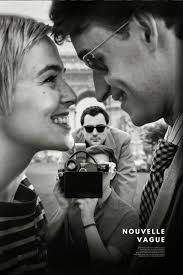
Nouvelle Vague 2025


Directed by
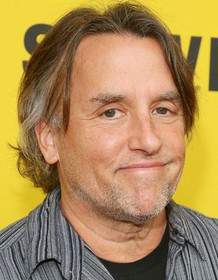
Richard Linklater
Made by

ARP Sélection
Where to Watch Nouvelle Vague
See current US streaming, rental, and purchase options for Nouvelle Vague (2025) via JustWatch.


Streaming availability powered by 
Nouvelle Vague Plot Summary
Read the complete plot summary and ending explained for Nouvelle Vague (2025). From turning points to emotional moments, uncover what really happened and why it matters.
Nouvelle Vague Timeline
Follow the complete movie timeline of Nouvelle Vague (2025) with every major event in chronological order. Great for understanding complex plots and story progression.
Premiere night and vow to direct
At the premiere of La Passe du diable, Godard and the Cahiers critics attend the afterparty. Godard harshly criticizes the film and proclaims he will become a film director, joining his peers in the move toward directing. The moment marks the start of his personal project and creative ambition.
Cannes success for The 400 Blows
At the Cannes Film Festival, Truffaut's The 400 Blows becomes a resounding success, signaling a breakthrough for young filmmakers. The triumph inspires Godard and others to pursue their own projects and ideas. The new confidence fuels the Cahiers’ experimental spirit.
Godard decides to direct a film
Godard resolves to direct a film based on Truffaut's short outline, drawing on influences from Michel Portail and his girlfriend Beverly Lynette. This decision sets the production in motion and marks a deliberate break from simply critiquing others’ work. The project aligns with the Cahiers group’s evolving approach to cinema.
Belmondo cast as Michel Poiccard
Godard selects Jean-Paul Belmondo, recently completed with his military service, for the lead role as Michel Poiccard. The casting anchors the film’s energy and suits the spontaneous, street-level style he envisions. This choice will shape the on-screen dynamic between the characters.
Rossellini urges efficient shooting
Roberto Rossellini visits Cahiers du Cinéma and urges the staff to avoid artistic artifice and shoot efficiently. His blunt guidance pushes Godard toward a lean, practical workflow. The encounter reinforces a preference for realism over polish in the project.
Rissient and Melville offer guidance
Godard hires Pierre Rissient as assistant director and receives advice from Jean-Pierre Melville. Their input helps shape the production’s structure and the collaboration among the troupe. The mentorship adds a layer of insider support for the ambitious shoot.
Seberg promoted; cast as Patricia
Jean Seberg promotes her film Bonjour Tristesse, and Godard meets her through her husband. He casts her as Patricia, aligning his lead actress with his evolving project. The casting introduces a new on-screen dynamic and test of the director’s spontaneous approach.
Coutard hired; guerilla style and Academy ratio
Godard hires Raoul Coutard as cinematographer and articulates a guerilla filmmaking ethos with shooting in the Academy ratio. The chosen visual language signals a radical shift from conventional filmmaking to a lean, on-the-ground style. This becomes a defining feature of the shoot.
First day of production: one scene
On the first day of production, Godard films only a single scene. The crew confronts his fluid, rapidly changing plan, and the pace sets a volatile tone for the remainder of the shoot. This starts a pattern of experimental, sometimes frustrating, days on set.
Spontaneity raises tensions on set
As filming continues, constant script rewrites and the emphasis on spontaneity undermine continuity and bewilder the cast. The exceptionally short shooting days frustrate performers, and Seberg even considers leaving briefly. Belmondo is warned that his career could be jeopardized by the chaotic process.
Drinks with Truffaut and Schiffman
After a week, Godard shares drinks with Truffaut and Schiffman and voices an interest in casting Truffaut as an informant in the film. The discussion reflects a willingness to blur fiction and reality in the project. The idea signals a shift toward meta-casting within the production.
Second week: suspension and pressure
In the second week, Godard suspends filming for a day, claiming he’s not feeling well. Georges Beauregard arrives furious about delays and threatens to cancel the project. Under pressure, Godard accelerates production and continues filming more scenes.
Godard becomes the informant; Melville cameo
Mid-second week, Godard casts himself as the informant after Truffaut declines the role. He also films a cameo of Jean-Pierre Melville near an airport, injecting the production with self-referential moments. The meta-casting underscores the film’s experimental stance.
Climax on set: Belmondo’s death scene and Seberg’s return
The film includes the scene where Belmondo’s character dies on the street. Godard and Seberg clash over how to handle the dying Michel’s pockets, with Seberg refusing a particular approach. After finishing her last scene, Seberg heads back to Hollywood to shoot another film.
Wrap, post-production and Breathless
After 23 days of shooting, Godard wraps production. In post-production, he urges editor Cécile Decugis to use jump cuts, provoking disagreement. He screens Breathless for Truffaut, Chabrol, Schiffman, and Beauregard, who dismiss it at first, even though the film would become hugely influential.
Nouvelle Vague Characters
Explore all characters from Nouvelle Vague (2025). Get detailed profiles with their roles, arcs, and key relationships explained.
Jean-Luc Godard
A radical critic turned director who pushes for spontaneity, quick shooting days, and a guerrilla filmmaking philosophy. He relentlessly rewrites scripts and pursues a bold, new cinematic language, often clashing with cast and crew in pursuit of authenticity. His experimental drive foreshadows a long and influential directing career.
François Truffaut
A leading Cahiers du Cinéma figure whose success with The 400 Blows signals the rise of a new generation. In the project, he becomes an informant and a pragmatic counterweight to Godard's fervor, offering perspective on production. His involvement reflects the collaborative yet competitive spirit of the movement.
Claude Chabrol
Another Cahiers critic turned filmmaker who questions schedule pressures and budget constraints. He embodies the critical voice that influences the project's direction while navigating the complex balance between art and commerce. His stance highlights the movement's mix of theory and practice.
Suzanne Schiffman
A key editor whose work shapes the film's rhythm. The production places emphasis on jump cuts and editorial decisions, revealing the tension between on-screen spontaneity and post-production shaping. Her role underscores the collaborative power behind a director's vision.
Georges de Beauregard
Producer and gatekeeper who threatens cancellation when schedule pressures mount. His presence embodies the tension between artistic risk and financial viability. He becomes a pivotal obstacle that tests Godard's resolve and the crew's dedication.
Michel Poiccard
The bold, rebellious lead character embodied by Belmondo's portrayal; his arc culminates in a dramatic street death on screen. The portrayal captures the film's grit and interweaves danger with romantic daring. His portrayal embodies the street-level realism of the movement.
Patricia
The film's depiction of Patricia, played by Jean Seberg, who navigates the tension between on-screen demands and character authenticity. Her on-set experiences reflect the actress's struggle with director's choices and the project’s evolving direction.
Raoul Coutard
The cinematographer who translates Godard's guerrilla vision into on-screen images. His collaboration with the director brings a raw, kinetic visual style to the production. His work is a cornerstone of the movement's iconic look.
Nouvelle Vague Settings
Learn where and when Nouvelle Vague (2025) takes place. Explore the film’s settings, era, and how they shape the narrative.
Time period
1959
Set in 1959 across Paris and Cannes, it marks the dawn of the French New Wave. The period is defined by rapid shoots, on-the-fly script rewrites, and a challenge to traditional film grammar. The weeks of production depicted here helped shape an era of bold experimentation.
Location
Cannes, Paris, France
The action unfolds around the Cannes Film Festival and the bustling film studios and offices in Paris. It captures the late-1950s French cinema scene around Cahiers du Cinéma, where critics turned filmmakers. The locations show festival venues, afterparties, and the cramped production spaces that fueled a cinematic revolution.
Nouvelle Vague Themes
Discover the main themes in Nouvelle Vague (2025). Analyze the deeper meanings, emotional layers, and social commentary behind the film.
🎬
Innovation
Godard challenges conventional cinema with spontaneity, minimal continuity, and a guerrilla shooting approach. The crew embraces shooting in the Academy ratio and relies on improvisation rather than polished, pre-planned sequences. Scenes are crafted through quick takes and selective editing to retain raw energy. Breathless’ later influence underscores the impact of these techniques on world cinema.
🧭
Freedom vs Control
The production pits artistic freedom against budget, schedule, and editorial constraints. Beauregard's threats to cancel the film highlight the fragility of creative experiments. Tensions with editors and cast push Godard to accelerate production while defending spontaneity.
🎭
Behind the Scenes
The narrative reveals the making of Breathless and other production choices, including jump cuts and on-set decisions. It shows the dynamics among directors, editors, and actors as they navigate on-set frictions and personal ambitions. The epilogue confirms the lasting influence of these behind-the-scenes choices on cinema history.

Coming soon on iOS and Android
The Plot Explained Mobile App
From blockbusters to hidden gems — dive into movie stories anytime, anywhere. Save your favorites, discover plots faster, and never miss a twist again.
Sign up to be the first to know when we launch. Your email stays private — always.
Explore the mobile appNouvelle Vague Ending Explained
Unravel the ending of Nouvelle Vague (2025) with our detailed explanation. Understand the final scenes, character fates, and unresolved questions.
In the last moments of Nouvelle Vague we finally see the scene Godard envisioned for Breathless: Michel (Jean‑Paul Belmondo) is gunned down on a Parisian street, collapses, and the police swarm around him. As the officers move to confiscate his belongings, Godard asks Patricia (Jean Seberg) to take Michel’s wallet. She hesitates, then deliberately refuses, turning her gaze straight into the camera. Her expression is flat, her lips barely move, and she mirrors the small, habitual gesture Belmondo’s character used throughout the film. The shot lingers on her silent stare, leaving Michel’s final words and Patricia’s fate unresolved.
Godard’s decision to end on that ambiguous, almost frozen tableau is a direct result of his New‑Wave ethos. Instead of providing a tidy resolution, he lets the image speak, using jump‑cuts and a stark lack of sync‑sound to force the audience to linger on the moment and draw their own conclusions. The abruptness and the open‑endedness of the closing frame embody his belief that cinema should provoke thought rather than comfort, cementing Breathless—and the chaotic making‑of shown in Nouvelle Vague—as a turning point in film history.
Nouvelle Vague Spoiler-Free Summary
Discover the spoiler-free summary of Nouvelle Vague (2025). Get a concise overview without any spoilers.
In the bustling heart of late‑1950s Paris, a circle of fiercely opinionated film critics gathers around the pages of Cahiers du cinéma, dissecting every flick that rolls through the city’s cinemas. Their debates echo in smoke‑filled cafés and glittering premieres, where the line between commentary and creation feels tantalizingly thin. The atmosphere crackles with a restless energy, as the young writers sense that the next cinematic revolution may spring not from theory but from daring, hands‑on rebellion.
Among them, Jean‑Luc Godard stands out—a sharp‑tongued scribe whose contempt for a recent film spurs an audacious declaration: the most powerful criticism is to make movies himself. Fueled by this conviction, he turns to Claude Beauregard, a wealthy patron eager to back bold, low‑budget ventures. Together they hatch a plan to finance a gritty, outsider‑focused feature, drafting its outline with François Truffaut, whose own love for story and character adds a layer of literary intrigue to the venture.
The project quickly attracts fresh talent: freshly discharged Jean‑Paul Belmondo brings a restless, charismatic presence to the lead role, while American star Jean Seberg arrives with a cool, enigmatic allure that promises to clash and complement the French sensibility. Under Godard’s direction, the team embraces a guerrilla‑style approach—spontaneous, unpolished, and unapologetically experimental—seeking to capture the raw pulse of the streets rather than polished studio artifice. The mood is a blend of youthful impatience and artistic fervor, an atmosphere where every rehearsal feels like a provocation and every camera angle a statement.
As rehearsals give way to the first frames, the collaboration teeters between chaos and brilliance, each participant navigating personal ambition, creative ideals, and the pressure of limited resources. The resulting tension hints at a film that could redefine storytelling, inviting audiences to wonder just how far a group of passionate critics can push the boundaries of cinema when they step behind the camera.
Movies with Similar Twists and Themes
Uncover films that echo the narrative beats, emotional arcs, or dramatic twists of the one you're exploring. These recommendations are handpicked based on story depth, thematic resonance, and spoiler-worthy moments — perfect for fans who crave more of the same intrigue.



Featured on this page

What's After the Movie?
Not sure whether to stay after the credits? Find out!
Check out our other apps:

SAT Sphere
Build confidence for the Digital SAT.

Mori Atlas
Discover wild places worth protecting.

Luntero
Search smarter for a home in Amsterdam.

Plot Explained
Unravel movie endings and hidden clues.

Pokechamp
Dive into Pokémon data and battle logic.

Driving Theory
Get ready for your European theory test.

Movie Dust
Plan your next cinema trip with ease.

Musemap
Find art and culture as you travel.

Selkobase
Compare credentials before committing.

Local Manual
Turn an unfamiliar country into practical next steps.

Lernavi
Compare school systems before your next move.

GymRoam
Find a workout stop wherever your plans take you.
Explore Our Movie Platform
New Movie Releases (2026)
Famous Movie Actors
Top Film Production Studios
Movie Plot Summaries & Endings
Major Movie Awards & Winners
Best Concert Films & Music Documentaries
Movie Collections and Curated Lists
© 2026 What's After the Movie. All rights reserved.
Privacy Policy