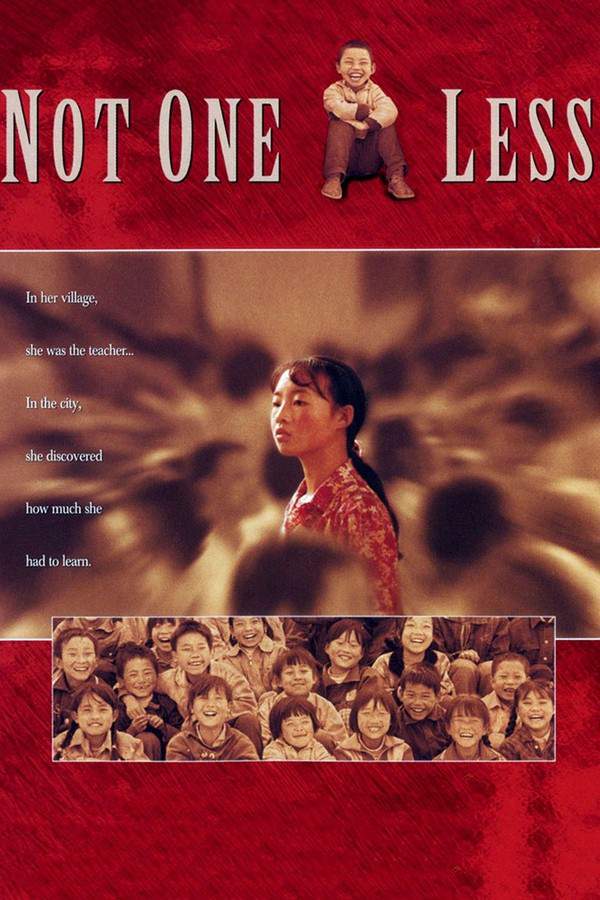
Not One Less 2000

Directed by

Yimou Zhang
Made by

Columbia TriStar Home Video
Where to Watch Not One Less
See current US streaming, rental, and purchase options for Not One Less (2000) via JustWatch.

Amazon Video
SD
Apple TV Store
HD
Fandango At Home
SDStreaming availability powered by 
Not One Less Plot Summary
Read the complete plot summary and ending explained for Not One Less (2000). From turning points to emotional moments, uncover what really happened and why it matters.
Set against the backdrop of 1990s China, this compelling film focuses on a 13-year-old substitute teacher, Wei Minzhi, who finds herself in the rural countryside. Tasked with covering for a village teacher for a month, she is given a significant responsibility: she must not allow any of her students to drop out. However, when one of her students bolts to the big city in search of work, she embarks on a determined quest to bring him back.
The narrative delves deeply into critical themes such as education reform in China, the stark economic divide between urban and rural communities, and the omnipresence of bureaucracy and authority figures in daily life. The film’s style is distinctly neorealist, employing a documentary-like approach with a cast comprised of non-professional actors who portray characters sharing their real names and professions, effectively blurring the lines between drama and reality.
Upon its domestic release, Not One Less was supported by a campaign from the Chinese government aimed at promoting the film while also targeting film piracy. Internationally, the reception was mixed; some critics lauded its innovative style and bold critique of the Chinese education system, while others dismissed it as a pro-government propaganda piece masked as a public service announcement. Notably, when the film was omitted from the top competition at the 2000 Cannes Film Festival, director Huike Zhang withdrew it from the festival, expressing his disappointment in a letter critiquing Cannes for its politicization and alleged “discrimination” against Chinese cinema.
Despite the controversies, the film succeeded on the international stage, winning the coveted Golden Lion at the Venice Film Festival, along with several other accolades. Additionally, Huike Zhang received the award for Best Director at the Golden Rooster Awards, solidifying the film’s impact and importance in discussions about Chinese cinema and society.
Not One Less Timeline
Follow the complete movie timeline of Not One Less (2000) with every major event in chronological order. Great for understanding complex plots and story progression.
Wei Minzhi Becomes a Substitute Teacher
In the 1990s, Wei Minzhi, a 13-year-old girl, takes on the role of a substitute teacher in a rural village in China. She is tasked with covering for the regular teacher for a month, representing a significant responsibility for someone her age.
Responsibilities of a Teacher
With her new position, Wei realizes that her main duty is to ensure that none of her students drop out of school. This highlight of her responsibility showcases the pressures faced by teachers in rural China, as well as the importance of education amidst socio-economic challenges.
Student Departs for the City
One of Wei's students suddenly leaves the village in search of work, which throws her into a panic. This event not only tests Wei's resolve but also highlights the desperation of rural youth seeking opportunities in urban areas.
Wei's Quest to Retrieve Her Student
Determined not to let her student drop out, Wei embarks on a quest to find him in the bustling city. Her journey reflects both the emotional bond she has formed with her students and the lengths she is willing to go to fulfill her responsibilities.
Themes of Education Reform
Throughout the film, critical themes of education reform in China continue to unfold. Wei's experiences expose the stark differences between the educational systems in urban and rural settings, illustrating the need for reforms.
The Economic Divide
The film poignantly portrays the economic divide that affects families in rural China. As Wei interacts with various characters, the struggles they face in terms of finances and opportunities become apparent, creating a powerful commentary on socio-economic disparities.
Bureaucracy and Authority
Wei's challenge is also compounded by the overarching bureaucracy and authority figures in her environment. The film illustrates how these elements can hinder the education system, emphasizing the clash between governmental policies and grassroots realities.
Domestic Release and Government Support
Upon its domestic release, 'Not One Less' receives a significant promotional campaign from the Chinese government. This initiative is aimed not only at promoting the film but also at addressing issues of film piracy, showcasing the government's interest in film as a cultural tool.
Mixed International Reception
Internationally, the film's reception is divided with critics praising its neorealist style and bold critique. However, some dismiss it as pro-government propaganda, reflecting the mixed responses it elicited from global audiences.
Cannes Film Festival Controversy
In a notable incident, when the film is omitted from the top competition at the 2000 Cannes Film Festival, director Huike Zhang expresses his disappointment. He critiques the festival for its alleged discrimination against Chinese cinema in a heartfelt letter.
Golden Lion at Venice
Despite the controversies, 'Not One Less' finds success on the international stage by winning the prestigious Golden Lion at the Venice Film Festival. This accolade shines a light on the film's significance and reinforces its critical themes.
Awards and Acknowledgment
Additionally, Huike Zhang receives the award for Best Director at the Golden Rooster Awards. This recognition solidifies the film's impact on discussions surrounding Chinese cinema and society during a tumultuous period.
Not One Less Characters
Explore all characters from Not One Less (2000). Get detailed profiles with their roles, arcs, and key relationships explained.
Wei Minzhi
Wei Minzhi is a determined 13-year-old substitute teacher tasked with ensuring that none of her students drop out. Her character embodies resilience and dedication, as she embarks on a quest to retrieve one of her students who has left for the city, showcasing her commitment to education and her students' futures.
Huike Zhang
The character of Huike Zhang represents the voice of the director, who is deeply invested in addressing the realities of Chinese society through cinema. His commitment to exposing the issues within the educational system and advocating for change is evident in the film's narrative and its broader implications.
Not One Less Settings
Learn where and when Not One Less (2000) takes place. Explore the film’s settings, era, and how they shape the narrative.
Time period
1990s
The 1990s in China were marked by significant socio-economic changes as the country began to reform its economic policies. Education was a key area of focus during this period, with efforts to improve access and quality for students in both urban and rural areas, though disparities remained prevalent.
Location
rural China
The film is set in rural China, a region characterized by its picturesque landscapes and traditional villages. This backdrop is crucial as it highlights the educational challenges and economic disparities faced by the local community, providing a stark contrast to the bustling urban centers.
Not One Less Themes
Discover the main themes in Not One Less (2000). Analyze the deeper meanings, emotional layers, and social commentary behind the film.
📚
Education Reform
The film explores the urgent need for education reform in China, especially in rural areas where resources are limited. It sheds light on the struggles faced by teachers and students alike in navigating a system that often overlooks these communities.
🌆
Economic Divide
The stark economic divide between urban and rural populations is a central theme in the film. Through the journey of a young student seeking opportunities in a big city, the narrative highlights the challenges and aspirations faced by those in less affluent areas.
🎭
Bureaucracy
Bureaucracy and authority figures play a significant role in the lives of the characters. The film critiques the suffocating presence of such systems, illustrating how they often inhibit personal and educational growth, particularly in rural settings.

Coming soon on iOS and Android
The Plot Explained Mobile App
From blockbusters to hidden gems — dive into movie stories anytime, anywhere. Save your favorites, discover plots faster, and never miss a twist again.
Sign up to be the first to know when we launch. Your email stays private — always.
Explore the mobile appNot One Less Spoiler-Free Summary
Discover the spoiler-free summary of Not One Less (2000). Get a concise overview without any spoilers.
In the dusty foothills of 1990s China, a remote village clings to survival amid uneven roads, cracked schoolrooms, and the quiet rhythm of daily labor. The landscape feels both stark and intimate, captured with a documentary‑like steadiness that lets the viewer hear the wind through wheat fields and the muted chatter of villagers who double as the film’s cast. This neorealist backdrop sets a tone of quiet resilience, where the ordinary becomes a canvas for larger questions about opportunity, bureaucracy, and the gap between city and country.
Wei Minzhi, barely fourteen, is thrust into the role of substitute teacher when the regular instructor departs for a short leave. Though inexperienced, she carries the heavy promise that none of the children under her care may fall behind—a promise that quickly expands beyond lesson plans to encompass the adult worries that hover over the schoolyard: scarcity, migration, and the ever‑present eyes of local officials. Her youthful optimism meets the pragmatic demands of a community that expects her to be both educator and caretaker, prompting her to navigate the subtle power dynamics of village life while still learning the basics of pedagogy herself.
The film’s mood balances tender curiosity with an undercurrent of urgency. Its restrained visual style—soft lighting, lingering takes, and the unvarnished presence of real villagers playing themselves—creates an atmosphere where every glance and sigh feels weighty. As Wei Minzhi steps into this world, the story invites viewers to wonder how a child’s fresh perspective might ripple through entrenched routines, hinting at the larger social currents at play without revealing the outcomes of her attempts. The stage is set for a quiet, compelling exploration of responsibility, hope, and the everyday heroism that can emerge in the most unlikely places.
Movies with Similar Twists and Themes
Uncover films that echo the narrative beats, emotional arcs, or dramatic twists of the one you're exploring. These recommendations are handpicked based on story depth, thematic resonance, and spoiler-worthy moments — perfect for fans who crave more of the same intrigue.


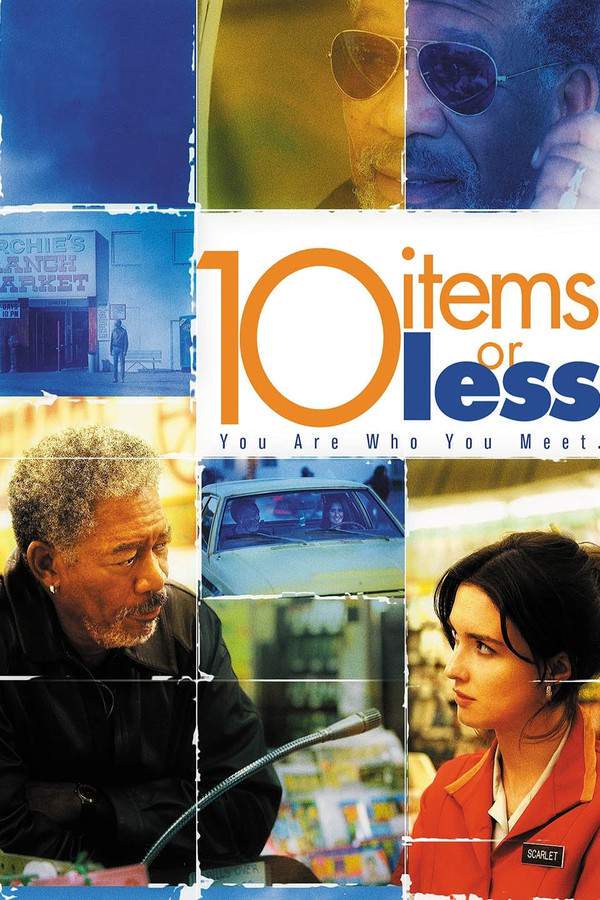

Featured on this page

What's After the Movie?
Not sure whether to stay after the credits? Find out!
Check out our other apps:

SAT Sphere
Build confidence for the Digital SAT.

Mori Atlas
Discover wild places worth protecting.

Luntero
Search smarter for a home in Amsterdam.

Plot Explained
Unravel movie endings and hidden clues.

Pokechamp
Dive into Pokémon data and battle logic.

Driving Theory
Get ready for your European theory test.

Movie Dust
Plan your next cinema trip with ease.

Musemap
Find art and culture as you travel.

Selkobase
Compare credentials before committing.

Local Manual
Turn an unfamiliar country into practical next steps.

Lernavi
Compare school systems before your next move.

GymRoam
Find a workout stop wherever your plans take you.
Explore Our Movie Platform
New Movie Releases (2026)
Famous Movie Actors
Top Film Production Studios
Movie Plot Summaries & Endings
Major Movie Awards & Winners
Best Concert Films & Music Documentaries
Movie Collections and Curated Lists
© 2026 What's After the Movie. All rights reserved.
Privacy Policy