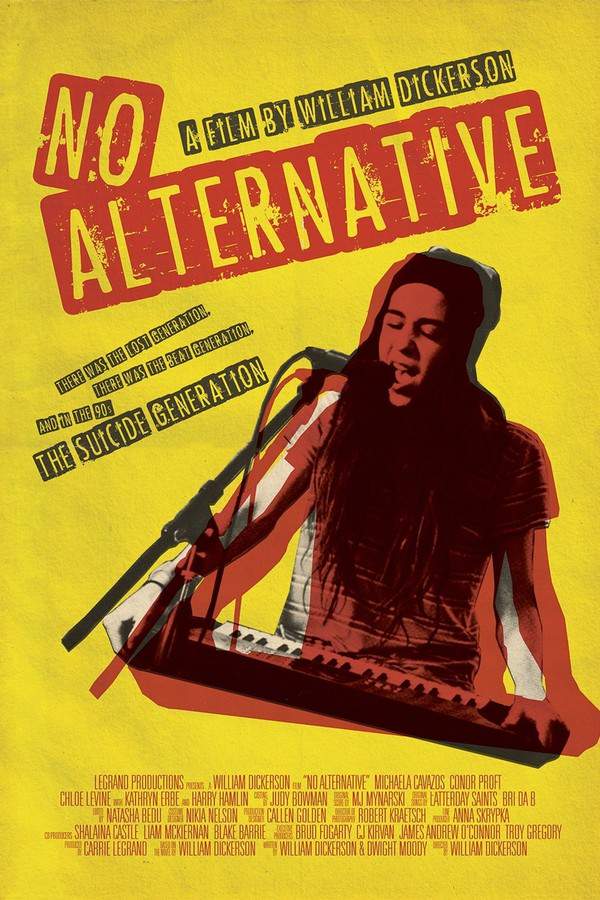
No Alternative 2019


Directed by

William Dickerson
Made by

Gravitas Ventures
Where to Watch No Alternative
See current US streaming, rental, and purchase options for No Alternative (2019) via JustWatch.

Amazon Prime Video
HD
Amazon Prime Video with Ads
HD
Night Flight Plus
HD
Hoopla
SD
Amazon Prime Video Free with Ads
HD
Tubi TV
SD
Amazon Video
SD
Apple TV Store
4K
Fandango At Home
SD
Google Play Movies
SD
YouTube
SD Streaming availability powered by 
No Alternative Plot Summary
Read the complete plot summary and ending explained for No Alternative (2019). From turning points to emotional moments, uncover what really happened and why it matters.
No Alternative unfolds in the mid-1990s suburbs of New York, following the Harrison family as they stumble through grief, identity, and the urge to rebel in a world that feels both confining and loud. Thomas Harrison, a high school senior, is determined to carve out his own space in the noise of the era by building a grunge-inspired alternative rock band. He sees a local “battle of the bands” as more than just a competition; it’s a potential doorway to a breakthrough, a chance to prove that their sound can ride the wave of the moment and maybe snag a recording opportunity. Yet the path to authenticity is bumpy, and the mounting pressure tests friendships, threatens the band’s cohesion, and gnaws at the delicate line between rebellion and commercial appeal.
Across the hall, Bridget Harrison is navigating a different kind of storm. Bridget Harrison, only 15 and a freshman with a troubling history of misdiagnosed mental health issues, resists the family’s expectations and the town’s conventional values. She rejects her brother’s music and the quiet, polished life of their suburb, choosing instead to reinvent herself as “Bri Da B,” a provocative gangsta rapper whose razor-sharp lyrics shock peers and adults alike. Her bold persona becomes a stark form of self-expression, a way to claim space in a world that has tried to label her. In many ways, her ascent into this hip-hop alter ego feels more uncompromisingly “punk” than Thomas’s earnest attempts at nonconformity, inviting audiences to question where true rebellion begins and ends.
As Thomas grapples with the pressure to fit a mold under the appearance of nonconformity, Bridget’s radical new identity pushes against the boundaries of what is considered acceptable, especially within their family and the broader community. The contrast between her fearless, authentic voice and his desire to break out through conventional channels creates tension, misunderstandings, and moments of distance that neither sibling fully anticipates. The siblings’ journeys are not simple opposites but mirrored quests to redefine themselves when the labels around them feel restrictive or hypocritical.
The story vividly captures the heartbreak and complexity of adolescence seen through two interconnected paths: one traced by a teen determined to convert the noise of his era into something tangible and marketable, and the other by a younger sister who chooses a different microphone—the streetwise cadence of hip-hop—to narrate her struggles, dreams, and defiant stance. Their paths intersect with the expectations of family, friends, and a community watching to see if reinvention can coexist with love and loyalty, or if it will fracture them beyond repair.
Ultimately, the film delves into how grief can both fuel and distort the search for identity. The Harrison siblings want to escape the identities thrust upon them, yet their failure to recognize their shared need for reinvention ends in a painful, irreversible rift that keeps the door open for reflection, regret, and the possibility of reconciliation only after the storm has passed. No Alternative is a quiet meditation on authenticity, the price of rebellion, and the complicated bonds of family that persist even when the world around you seems ready to pull you apart.
No Alternative Timeline
Follow the complete movie timeline of No Alternative (2019) with every major event in chronological order. Great for understanding complex plots and story progression.
Kurt Cobain's death triggers family grief
The Harrison household is rocked by the death of Kurt Cobain, echoing a cultural moment of loss. Grief settles over Thomas, Bridget, and their parents, pushing them toward music as a coping mechanism. The event sows the emotional seed from which their identities and rebellions grow.
Thomas decides to form a grunge-inspired band
Inspired by the era's music and the desire to break out, Thomas resolves to form his own alternative rock group with a grunge edge. He fixes on the local battle of the bands as a potential pathway toward a record deal. This decision marks the start of his struggle to translate grief into performance.
Band formation and early rehearsals
Thomas starts recruiting friends and rehearsing in a garage, turning teenage energy into loud, guitar-driven ideas. The early sessions test different sounds and personalities as the group tries to find its sound. Underneath the music, tensions simmer about authenticity and belonging.
The Battle of the Bands becomes the goal
The Battle of the Bands becomes the focal point of Thomas's plan, a tangible chance to stand out in a crowded local scene. The group designs their set, outfits, and stage presence around the hope of getting noticed by scouts or labels. Pressure mounts as the date approaches, shaping choices in rehearsal and song selection.
Bridget adopts Bri Da B persona
Bridget, a 15-year-old freshman with a history of misdiagnosed mental health issues and prescription-drug use, rebels by creating the Bri Da B persona. She adopts provocative lyrics and a streetwise swagger to express anger, pain, and independence she can't voice at home. Her transformation marks a daring challenge to the suburban status quo.
Bridget's Bri Da B shocks the community
Bri Da B's performances shock classmates and neighbors, triggering controversy and gossip. The response exposes a fault line between Bridget's self-expression and the community's expectations for girls and teenagers. The attention fuels Bridget's confidence and deepens her commitment to the alter ego.
Thomas dismisses Bridget as instability
Thomas interprets Bridget's new persona as merely another sign of instability, not a legitimate form of self-expression. He remains focused on his band and the possibility of stardom, often underestimating how Bridget's rebellion undermines his own plans. The misunderstanding intensifies the siblings' estrangement.
Thomas pursues conformity under the guise of nonconformity
In his bid for authenticity, Thomas crafts a carefully engineered image that looks rebellious on the surface but fits conventional expectations underneath. He imagines rebellion as a marketable edge, rationalizing compromises as necessary to secure a break in the industry. This tension between image and truth strains every rehearsal and conversation.
Bridget's alter ego continues to challenge expectations
Bridget doubles down on Bri Da B, using her rap persona to challenge home life, suburbia, and gender norms. Her bold stance draws scrutiny from teachers and peers while strengthening her sense of agency. The more she pushes, the more it highlights the rift between her and Thomas.
Siblings fail to recognize shared need for reinvention
Both siblings look for escape through art but don’t recognize that they want similar freedoms. They become isolated within their chosen identities and fail to support one another. The growing disconnection pushes the family toward a breaking point.
The rift becomes painful and tragic
The tension between the siblings escalates into a painful and irreparable rift. Misunderstandings harden into distance as each pursues a different path, threatening to dissolve the family unit. The film underscores what can happen when reinvention becomes the sole priority.
Ending with unresolved reinvention
The story closes with the siblings' relationship fractured but still yearning for reinvention. Neither fully recognizes the other's need for authenticity, leaving futures uncertain and the no-alternative ethos lingering. The film’s core tension remains a cautionary thread about identity and belonging.
No Alternative Characters
Explore all characters from No Alternative (2019). Get detailed profiles with their roles, arcs, and key relationships explained.
Thomas Harrison (Conor Proft)
Thomas Harrison is a high school senior determined to form a grunge-inspired band and break out of his suburban confines. He grapples with the tension between authenticity and the pressure to conform, a conflict that strains his friendships and tests his loyalties. His pursuit of a potential record deal through a local battle of the bands becomes a crucible that reveals what he is willing to sacrifice for success.
Bridget Harrison (Michaela Cavazos)
Bridget is a 15-year-old freshman whose misdiagnosed health issues complicate family life. She creates the Bri Da B persona, a provocative rapper that shocks her peers and challenges suburban norms. Her self-created alter ego becomes both a lifeline for self-expression and a fracture line within the family as expectations clash.
Maureen Harrison (Kathryn Erbe)
Maureen is the family matriarch, striving to hold the Harrison household together in the wake of grief and upheaval. She navigates the fine line between protecting her children and allowing them space to reinvent themselves. Her pragmatism and care anchor the family's attempts to weather the storm.
William Harrison (Harry Hamlin)
William is the patriarch trying to maintain stability and traditional values in a changing suburban world. His expectations weigh on the children as they pursue unconventional paths. He faces the challenge of balancing discipline with empathy as the family navigates loss and identity.
Elias Santoro (Aria Shahghasemi)
Elias is a friend and classmate who shares in the pressures of adolescence and the music scene. He observes and supports Thomas during the quest, offering a grounded counterpoint to impulsive choices.
Connor Russell (Eli Bridges)
Connor Russell is a close ally in Thomas's circle, navigating the uncertainties of growing up and helping to balance ambition with loyalty.
Stewart Boyle (Logan Georges)
Stewart Boyle represents a local voice of order and scrutiny within the suburbs, shaping the social world around the Harrison family.
Jeremy Brewer (Matthew Van Oss)
Jeremy Brewer is a peer whose reactions to the siblings' choices reflect how their rebellions ripple through the school and neighborhood.
Dr. Malcolm Denner (Lewis Arlt)
Dr. Denner treats Bridget's mental health struggles and represents the clinical gaze that intersects with family dynamics and misdiagnosis.
No Alternative Settings
Learn where and when No Alternative (2019) takes place. Explore the film’s settings, era, and how they shape the narrative.
Time period
Mid-1990s
This period is defined by the rise of grunge-driven youth culture and DIY music scenes that encourage experimentation. The era's tension between mainstream norms and countercultural urges shapes the characters' choices. Media narratives around fame and authenticity hover over their attempts to redefine themselves.
Location
Suburban New York
Set in suburban New York in the mid-1990s, the film unfolds in quiet cul-de-sacs where family life is punctured by young people's quests for belonging. The local school and a burgeoning underground music scene provide the backdrop for personal turmoil and the strains within the Harrison family. This setting heightens the tension between conformity and individual expression.
No Alternative Themes
Discover the main themes in No Alternative (2019). Analyze the deeper meanings, emotional layers, and social commentary behind the film.
🕯️
Grief
Grief threads through every family interaction after Kurt Cobain's death becomes a catalyst for personal reckoning. The Harrison parents grapple with loss while trying to maintain normalcy for their children. Each character mourns in a distinct way, shaping their decisions and relationships.
🧭
Identity
Thomas searches for belonging by crafting a musical identity and adopting a rebellious persona that mirrors his era. Bridget forges a separate self in response to family expectations, revealing the complexity of self-definition. The film examines how youth shapes rather than mirrors external labels.
🧨
Rebellion
Both siblings push against the rules of their suburb, turning music and performance into acts of defiance. Bridget's alter ego Bri Da B becomes a sharp challenge to social norms and parental control. The pressure to conform clashes with the desire to be seen as authentic.
🎵
Music
Music functions as both escape and crucible in the Harrison household. The battle of the bands contest becomes a focal point where talent, friendships, and dreams contend with market pressure. The era's grunge-inspired sound shapes their choices and exposes the cost of chasing success.

Coming soon on iOS and Android
The Plot Explained Mobile App
From blockbusters to hidden gems — dive into movie stories anytime, anywhere. Save your favorites, discover plots faster, and never miss a twist again.
Sign up to be the first to know when we launch. Your email stays private — always.
Explore the mobile appNo Alternative Spoiler-Free Summary
Discover the spoiler-free summary of No Alternative (2019). Get a concise overview without any spoilers.
In the hushed streets of a mid‑1990s New York suburb, the air still trembles from the echo of a cultural earthquake—Kurt Cobain’s sudden death. The Harrison household feels that tremor most keenly, caught between the fading glow of grunge’s raw honesty and the restless pulse of a new, unapologetic sound. Against this backdrop, teenage Thomas wrestles with a deep‑seated need to honor his family’s musical lineage while clinging to the ideal of an “alternative” band that could resurrect the spirit of a vanished era. His world is a mixture of cracked bedroom walls plastered with concert posters, the low‑fi hum of rehearsal tapes, and the looming pressure of a local “battle of the bands” that promises a shot at something larger than suburban anonymity.
Across the hall, his younger sister, a sharp‑tongued fifteen‑year‑old, refuses to be boxed into the same nostalgic reverie. Bridget reimagines herself as “Bri Da B,” a fierce rap persona that shouts in stark, rhythmic defiance. Her lyrics cut through the polite veneer of her community, pulling from the gritty realism of hip‑hop to carve out an identity that feels both foreign and intensely personal. Where Thomas seeks to recreate the past, Bridget embraces the present’s raw edge, turning prescription‑pill haze and misdiagnosed anxieties into a volatile creative fuel. Their contrasting artistic pursuits expose the fissures in a family trying to balance legacy with individuality.
The film settles into a tone that is simultaneously nostalgic and urgent, threading the melancholy of loss with the restless energy of youthful rebellion. Suburban serenity collides with the clamor of garage amplifiers and basement beats, creating a world where each sibling’s quest for authenticity becomes a silent contest of who can truly reinvent themselves. As the brothers‑and‑sisters of the ’90s generation navigate expectations, the audience is left to wonder whether the drive to be “alternative” will bind them together—or pull them apart.
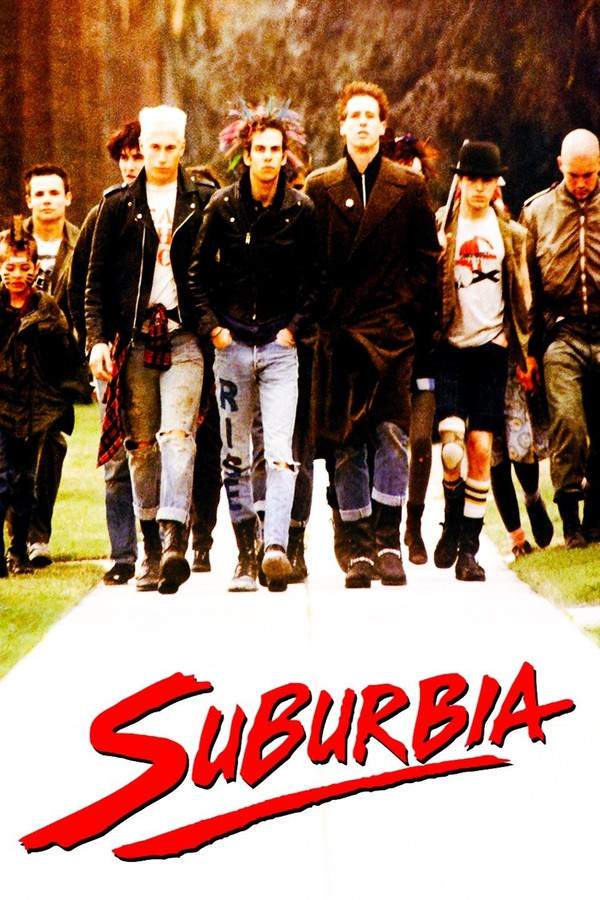
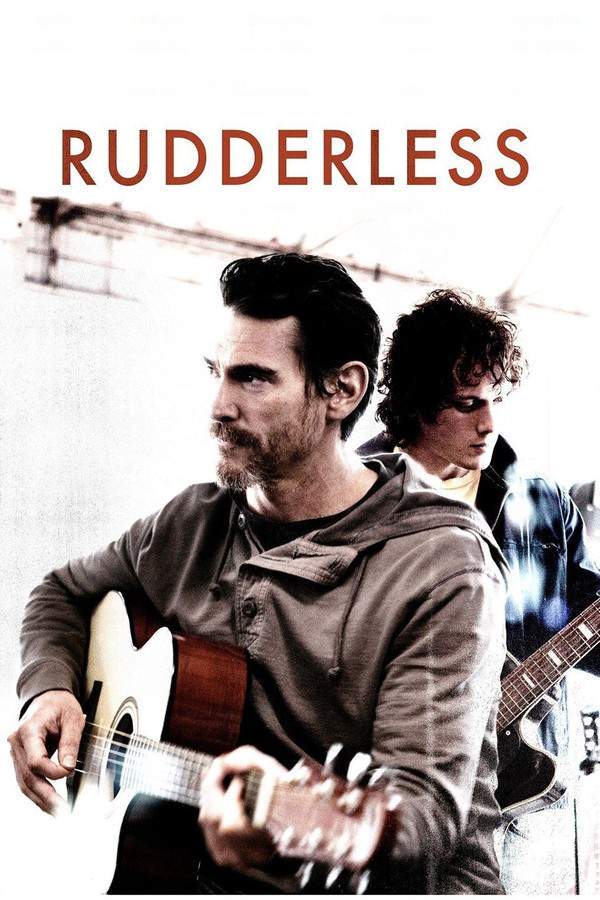
Movies with Similar Twists and Themes
Uncover films that echo the narrative beats, emotional arcs, or dramatic twists of the one you're exploring. These recommendations are handpicked based on story depth, thematic resonance, and spoiler-worthy moments — perfect for fans who crave more of the same intrigue.





Featured on this page

What's After the Movie?
Not sure whether to stay after the credits? Find out!
Check out our other apps:

SAT Sphere
Build confidence for the Digital SAT.

Mori Atlas
Discover wild places worth protecting.

Luntero
Search smarter for a home in Amsterdam.

Plot Explained
Unravel movie endings and hidden clues.

Pokechamp
Dive into Pokémon data and battle logic.

Driving Theory
Get ready for your European theory test.

Movie Dust
Plan your next cinema trip with ease.

Musemap
Find art and culture as you travel.

Selkobase
Compare credentials before committing.

Local Manual
Turn an unfamiliar country into practical next steps.

Lernavi
Compare school systems before your next move.

GymRoam
Find a workout stop wherever your plans take you.
Explore Our Movie Platform
New Movie Releases (2026)
Famous Movie Actors
Top Film Production Studios
Movie Plot Summaries & Endings
Major Movie Awards & Winners
Best Concert Films & Music Documentaries
Movie Collections and Curated Lists
© 2026 What's After the Movie. All rights reserved.
Privacy Policy