
Night School 1981

Directed by
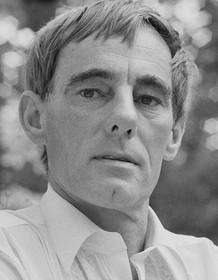
Ken Hughes
Made by

Resource Films
Night School Plot Summary
Read the complete plot summary and ending explained for Night School (1981). From turning points to emotional moments, uncover what really happened and why it matters.
Anne Barron, Meb Boden, a teacher’s aide, is found brutally decapitated outside a Boston daycare, the killer leaving a chilling signature: a kukri in the hand of a masked motorcyclist. The scene is stark and brutal, with the head placed in a nearby bucket, leaving Lt. Judd Austin, Leonard Mann, to lead the investigation and face a case that may be linked to something larger than a random act of violence. The director of the center explains that Anne also attended night classes at Wendell College, hinting at secrets that might lie beyond the surface of the daycare wall. The sense of unease is immediate, and the city seems to shrink as clues emerge from a place that should feel safe and routine.
At the hospital, Judd and his partner Taj, Joseph R. Sicari, compare the new homicide to a similar, previously unsolved case: a girl decapitated with her head left in a pond. The two officers weigh possible links between the two murders, wondering whether a single killer is orchestrating a pattern or if something more complex—an idea of ritual or obsession—is at work. The mind of a killer and the routines of academia become intertwined as Judd seeks answers not just in the death scenes but in the lives of those connected to the victims.
The trail leads to Wendell College, where Helene Griffin, Annette Miller, the college administrator, tries to manage both the case and the fragile dynamics among the staff and students. Helene is wary of relationships that cross professional lines, especially those involving professors and their pupils. She counsels Kathy, a student who admits to having shared a relationship with Millett, a confession that pushes Helene to grapple with boundaries, power, and consequences. The college becomes a microcosm of the larger investigation, where personal ambitions can intersect with dangerous certainty.
Among the students is Kim Morrison, Elizabeth Barnitz, a Wendell student who works at the local aquarium. Kim’s decapitation occurs while she is preparing to leave her shift, and a frightened observer inside the aquarium witnesses the head sink into a tank, a moment that echoes the earlier killing and deepens the sense that a single, methodical killer is at work. The investigation expands as Judd visits Millett in the anthropology department to gather any information that might connect the dots, only to be introduced to Eleanor Adjai, a British exchange student whose presence adds another layer of tension and mystery to the case. Eleanor, portrayed by Rachel Ward, becomes a pivotal figure as the narrative shifts between academic life and the brutal reality outside.
Eleanor leaves Millett’s classroom and heads to a nearby diner, a setting that becomes a stage for creeping fear. Gary, the busboy, played by Bill McCann, appears unsettled and a bit off, adding to the uneasy mood. The waitress, Carol, brought to life by Karen MacDonald, questions Eleanor’s place in Millett’s circle and hints at the professor’s reputation for access and influence. When the power goes out after the diner closes, Carol is lured into the basement and attacked; her escape turns brief, and she is ultimately killed, her head later found in a water-filled sink and her body discarded in a dumpster. The police widen the net, tracing the suspect to Gary’s home, though Judd remains unconvinced of his involvement.
Back at Millett’s residence, a disturbing collection of skulls from tribal headhunters across the globe is uncovered, a chilling display that unsettles the investigation and reveals Millett’s darker fascinations. Eleanor, for her part, shows comfort or acceptance of Millett’s macabre interests, complicating Judd’s assessment of whether Millett is a direct participant or merely a facilitator of his own grim theories. Helene continues to weigh her position as administrator while Millett’s personal life becomes more tangled: Helene warns Millett about his relationships with students, and Kathy’s vulnerability deepens as Helene herself becomes a target of danger.
The mood intensifies as Helene invites Kathy to spend the night at her house, a moment that tragically culminates in Helene’s head being discovered in the toilet after she answers the phone, followed soon after by Kathy’s own murder. The killings become a vendetta, a ritualistic and calculated series of acts that point toward a larger motive than mere rage. Judd races toward Millett’s apartment, where the killer is revealed to be Eleanor Adjai, the British student who has become entangled in Millett’s world. Eleanor describes her actions as part of a ritualistic ethos that Millett teaches in his courses, a justification rooted in a distorted anthropology of violence. The confrontation accelerates as Millett, in a bid to shield Eleanor, dons the helmet and escapes on a motorcycle, attempting to divert suspicion away from her.
A tense chase ensues, with Judd and Taj in pursuit and Millett’s fate sealed by a fatal collision with a car. His death complicates the case but also serves as a sacrifice that eliminates the immediate threat to Eleanor, allowing her to attend Millett’s burial. The police are led to believe the case has been solved, yet the ending hints at unresolved questions. Judd harbors suspicion that Eleanor may have been the killer all along, while Millett’s sacrifice exposed a personal allegiance that Butler would have found impossible to reconcile. Eleanor ultimately returns to England, continuing a life that does not fully absolve her of the blood on her hands, and the case is closed on the surface.
In a final, almost provocatively human moment, Judd starts his car only to be attacked—by Taj?—in what appears to be a prank. The film leaves a lingering ambiguity about who truly holds the power: the killer who orchestrates fear, or the people who move within the shadows of academia, law enforcement, and personal desire. The narrative threads of power, sexuality, ritual, and violence converge in a story that asks whether violence can be contained within boundaries, or if it will always spill over into the lives of those who think they can study it and survive it. The disappearance of the killer into the English countryside signals a return to a quieter life, but the emotional and moral fallout remains for Judd, and perhaps for Eleanor, whose fate edges toward an uncertain future. The film closes with a quiet aftershock: the sense that some truths, though buried, continue to echo in the minds of those who searched for them and found more than they bargained for.
Night School Timeline
Follow the complete movie timeline of Night School (1981) with every major event in chronological order. Great for understanding complex plots and story progression.
Murder outside the daycare
Anne Barron is brutally decapitated by a kukri-wielding assailant wearing a black motorcycle helmet. Her head ends up in a nearby bucket, shocking bystanders and starting the police investigation. Lt. Judd Austin is assigned to the case and begins coordinating the response.
Scene at the daycare and community impact
Police and investigators comb the scene while the distraught center director explains Anne’s routine of working there by day and taking night classes. The investigation expands as witnesses share glimpses of the killer and the brutal method. The community reels from a second decapitation possibly tied to a larger pattern.
Hospital briefing about a similar murder
At the hospital, Judd and his partner Taj compare the latest murder to a similar decapitation from the previous week, where a victim’s head was found in a pond. They wonder whether the two cases are connected and part of a ritualistic killer. The hospital scene confirms a dangerous, ongoing threat.
Anne’s ties to a Wendell student
At Wendell College, administrator Helene Griffin mentions that Anne was close to a student named Kim Morrison and hints at possible romantic entanglements. When Judd asks about a boyfriend, Kim admits she doesn’t know who Anne was involved with. The potential motive remains murky but hints at personal entanglements.
Judd meets Millett and Eleanor
Judd attends Professor Millett’s anthropology class to ask about Anne. Millett introduces a British exchange student, Eleanor Adjai, which places Eleanor squarely in the center of the investigation’s social web. The encounter leaves Judd questioning Eleanor’s role and motives.
Eleanor visits the diner; Gary’s creeping presence
Eleanor leaves the campus and goes to the local diner, where she is creeped out by Gary, a busboy who seems unsettled. The waitress Carol whispers about Millett’s sexual exploits, irritating Eleanor. The scene heightens tensions around the campus community.
Millett’s pursuit and the pregnancy reveal
The professor follows Eleanor, and she bluntly tells him she is three months pregnant. Millett remains charming and flirtatious, continuing to court Carol. This dynamic complicates Judd’s questions about Millett’s mix of authority and affection toward students.
Carol’s murder and its aftermath
After the diner closes, Carol is left to clean up; a power outage traps her in the basement where the killer attacks. Although she escapes briefly, she is killed in an alley. The next day, Carol’s head is found in a water-filled sink and her body dumped in a dumpster.
Kim Morrison decapitated at the aquarium
Kim Morrison, a Wendell student working at the aquarium, is decapitated by the same masked figure. A bystander screams as Kim’s head sinks into the tank, shocking witnesses and drawing police attention. The aquarium scene confirms the killer’s reach across campus life.
Judd uncovers skulls at Millett’s home
Judd returns to Professor Millett’s residence and discovers a disturbing collection of skulls from tribal headhunters around the world. Eleanor dismisses the display as irrelevant, while Millett’s professional veneer remains on edge. The discovery deepens the murk surrounding Millett and Eleanor.
Helene’s warning and Kathy’s confession
Helene tells Millett to stop sleeping with his students, underscoring the professional boundary issues in the department. Kathy confesses she has also been intimate with Millett, revealing a problematic pattern. The campus’s moral hazard becomes a key thread in the investigation.
Helene and Kathy killed
Helene is killed when she answers the phone, while Kathy is murdered soon after discovering Helene’s severed head in the toilet. The murders strike closer to home for the college community and raise the stakes for Judd. The trail points toward Millett’s dangerous influence over his students.
The killer revealed: Eleanor
Judd chases the killer to Millett’s apartment and confronts a shocked Eleanor, who confesses the killings to her boyfriend and rationalizes them as tribal rituals taught by Millett. Millett tries to deflect suspicion by wearing the helmet and fleeing on his motorcycle. The pursuit ends with Millett’s death in a car collision.
Aftermath and a suspected closure
Eleanor attends Millett’s burial, and the police declare the case closed, though Judd remains wary that Eleanor may still be involved. Eleanor returns to England as the formal investigation wraps up. The surface resolution hides lingering questions about motives and connections.
Final twist: Taj’s prank
Back in Judd’s car, the killer suddenly launches a last attack, only to reveal it was a prank by Taj meant to test Judd. The real killer’s identity remains a point of ambiguity, leaving Judd unsettled. The film closes on uncertainty even as the action appears to end.
Night School Characters
Explore all characters from Night School (1981). Get detailed profiles with their roles, arcs, and key relationships explained.
Vincent Millett (Drew Snyder)
An anthropology professor at Wendell College who uses his charm to manipulate students and exploit relationships. He embodies a refined intellect that belies a darker fascination with tribal rituals and skulls. His ultimate fate comes after a car strike during a chase, and his actions catalyze the investigation.
Lt. Judd Austin (Leonard Mann)
A determined detective leading the case, piecing together clues from murders and campus life. He probes connections between victims and Millett, and his suspicion shifts as new evidence emerges. His dedication anchors the investigation as the body count rises.
Eleanor Adjai (Rachel Ward)
A British exchange student who becomes entangled in Millett's world. She is revealed to be the killer, justifying the murders through a distorted view of tribal rituals. Her pregnancy adds complexity to her relationship with Millett and the investigation.
Anne Barron (Meb Boden)
A teacher's aide at a Boston daycare who is the first brutal victim. Her death sets the tone for a case driven by ritualized violence and the hidden dangers in everyday institutions.
Kim Morrison (Elizabeth Barnitz)
A Wendell College student who is decapitated in a campus setting, linking the murders to Millett's classroom and relationships. Her death marks a turning point in the investigation.
Carol (Karen MacDonald)
A diner employee who is killed after the power outage, with her head later found in a sink. Her murder escalates the sense of danger surrounding Millett and the campus.
Helene Griffin (Annette Miller)
Wendell College administrator who cautions Millett about his affairs with students. She is killed when a phone call interrupts her; her death deepens the web of danger around the college.
Taj (Joseph R. Sicari)
Judd's partner on the police force who helps drive the investigation forward, presenting a steady, practical counterpoint to Judd's intensity.
Gary (Kevin King)
A busboy at the diner with suspected mental issues who becomes a prime suspect in the early investigation, illustrating how misdirection can mislead the case.
Kathy (Unknown)
A student who confesses a relationship with Millett and becomes a target of the campus killings; her fate underscores the perils of Millett's world.
Night School Settings
Learn where and when Night School (1981) takes place. Explore the film’s settings, era, and how they shape the narrative.
Location
Boston, Wendell College, local aquarium, diner, hospital, Millett's apartment
The story unfolds across a Boston setting and its academic enclave around Wendell College. Key locations include the outside of a Boston daycare center, the university campus and anthropology class, the local aquarium where a head sinks into a tank, a late-night diner, and the hospital where victims are treated. The investigation also moves to Millett's apartment as clues accumulate and to the police station for questioning.
Night School Themes
Discover the main themes in Night School (1981). Analyze the deeper meanings, emotional layers, and social commentary behind the film.
🔪
Murder Rituals
A pattern of decapitations drives the plot, with the killer justifying violence through tribal ritual imagery. Millett's skull collection and his classroom discussions blur the line between academic study and murder. The victims and the ritualistic setup highlight a clash between modern institutions and archaic violence.
🧠
Power and Consent
The campus and college setting expose power dynamics, with Millett exploiting relationships with students and drawing suspicion. The investigation probes how authority and desire can fuel manipulation and cover-ups. The tragedy reveals the cost of unchecked appetites within an educational institution.
🕵️
Truth and Deception
Detectives Judd and Taj navigate misdirections and hidden motives as Eleanor emerges as the killer. Millett's sacrifice appears to shield her, while the ending leaves lingering doubt about who truly solved the case. The film plays with twists and pranks, testing what counts as truth.

Coming soon on iOS and Android
The Plot Explained Mobile App
From blockbusters to hidden gems — dive into movie stories anytime, anywhere. Save your favorites, discover plots faster, and never miss a twist again.
Sign up to be the first to know when we launch. Your email stays private — always.
Explore the mobile appNight School Spoiler-Free Summary
Discover the spoiler-free summary of Night School (1981). Get a concise overview without any spoilers.
In the restless streets of Boston, a series of unsettling murders begins to erode the sense of safety that the city clings to. The victims are connected to a night‑time program at a local college, and the killer—always concealed behind black leather and a mask—leaves a chilling imprint on each scene. The atmosphere feels both academic and urban, where lecture halls and midnight study sessions sit uneasily beside dark alleys and whispered warnings, creating a backdrop that is as intellectually charged as it is foreboding.
The investigation is led by Lt. Judd Austin, a seasoned detective whose steady demeanor masks a relentless drive to uncover the truth. Working alongside his partner Taj, a pragmatic and observant officer, Austin navigates the procedural world of the police department while confronting a menace that seems to thrive on ritualistic symbolism. Their chemistry is a blend of seasoned experience and fresh perspective, offering a grounded counterpoint to the increasingly abstract puzzles that surface.
At the heart of the mystery lies Wendell College, a night‑school that doubles as a micro‑cosm of ambitions, secrets, and uneasy power dynamics. Helene Griffin, the college’s administrator, strives to maintain order amid growing anxiety, while the charismatic anthropology professor Millett commands both fascination and suspicion with his unorthodox teachings. Among the students, a British exchange scholar named Eleanor Adjai adds an extra layer of cultural intrigue, hinting at perspectives that clash with the institution’s traditional values. The campus pulse quickens as relationships blur professional lines, and the looming threat feels intimately tied to the very classrooms where knowledge is supposed to be safe.
The film balances a gritty procedural tone with a cerebral, almost academic dread, inviting viewers to ponder how curiosity, authority, and desire can intertwine with violence. As the detective delves deeper, the line between hunter and hunted blurs, and the audience is left with a persistent sense that the city’s night‑time lessons may be far more terrifying than any textbook could convey.
Movies with Similar Twists and Themes
Uncover films that echo the narrative beats, emotional arcs, or dramatic twists of the one you're exploring. These recommendations are handpicked based on story depth, thematic resonance, and spoiler-worthy moments — perfect for fans who crave more of the same intrigue.
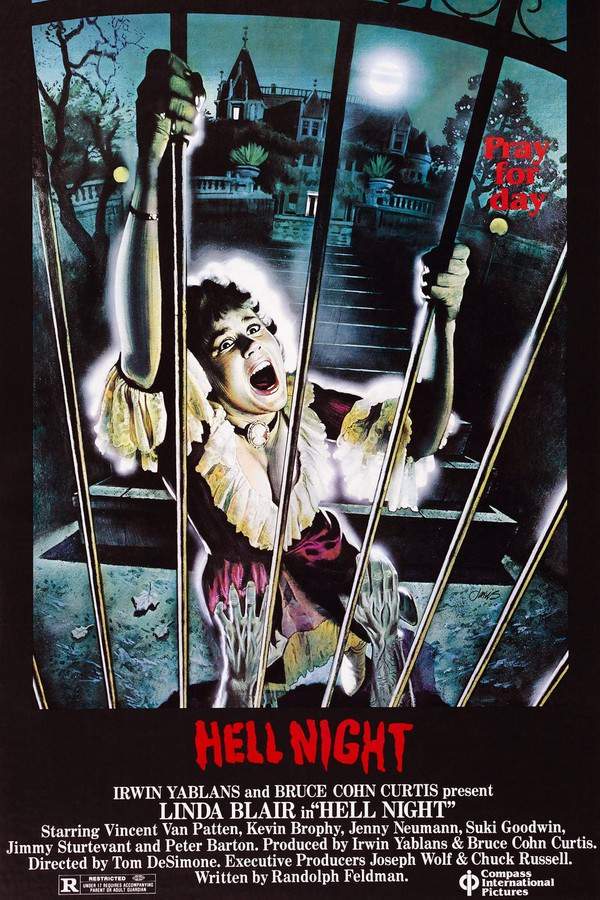



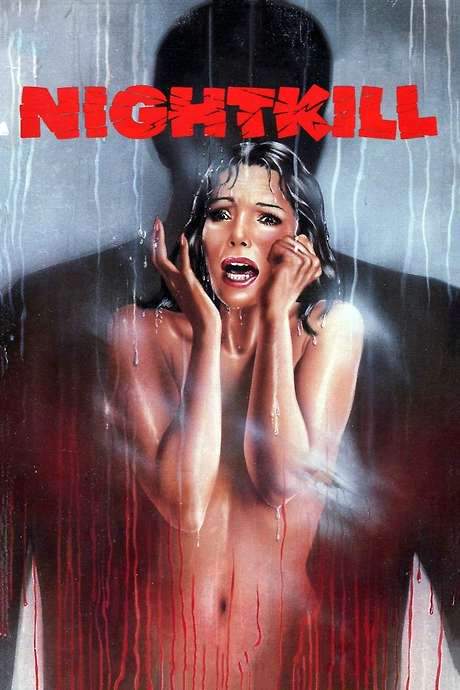

Featured on this page

What's After the Movie?
Not sure whether to stay after the credits? Find out!
Check out our other apps:

SAT Sphere
Build confidence for the Digital SAT.

Mori Atlas
Discover wild places worth protecting.

Luntero
Search smarter for a home in Amsterdam.

Plot Explained
Unravel movie endings and hidden clues.

Pokechamp
Dive into Pokémon data and battle logic.

Driving Theory
Get ready for your European theory test.

Movie Dust
Plan your next cinema trip with ease.

Musemap
Find art and culture as you travel.

Selkobase
Compare credentials before committing.

Local Manual
Turn an unfamiliar country into practical next steps.

Lernavi
Compare school systems before your next move.

GymRoam
Find a workout stop wherever your plans take you.
Explore Our Movie Platform
New Movie Releases (2026)
Famous Movie Actors
Top Film Production Studios
Movie Plot Summaries & Endings
Major Movie Awards & Winners
Best Concert Films & Music Documentaries
Movie Collections and Curated Lists
© 2026 What's After the Movie. All rights reserved.
Privacy Policy