
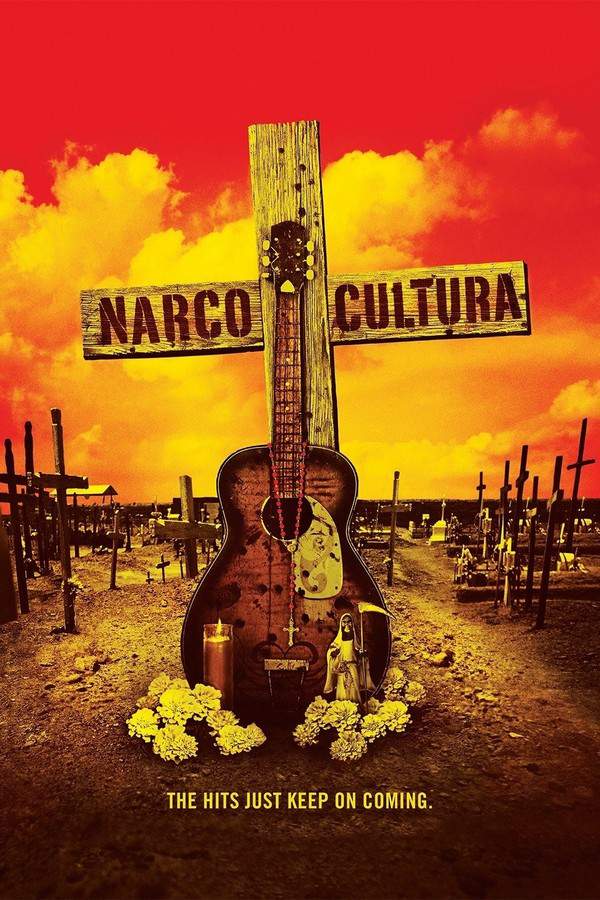
What Is Narco Cultura About?
The premise of Narco Cultura in 313 words, with nothing given away. The full story follows below.
In the shadowed streets of Juárez and the neon-lit venues of Los Angeles, a documentary unfolds that peers into the uneasy marriage of violence and fame along the US‑Mexico border. It asks why the specter of the drug trade has become a cultural touchstone, shaping aspirations and identity for entire communities. The film’s tone is raw yet contemplative, blending stark observational footage with intimate interviews to paint a portrait of a world where power and desperation are amplified through music, media, and the lingering echo of conflict.
Richi Soto steps onto the picture as a crime‑scene investigator navigating a city notorious for its relentless bloodshed. His work, carried out behind a mask for safety, reveals the daily grind of a law‑enforcer caught between duty and the omnipresent threat of cartels. Through his quiet resolve, the film captures the human side of a system strained by corruption and impunity, inviting viewers to feel the weight of his responsibility and the fragile hope he clings to for his neighborhood.
Across the border, Edgar Quintero lives a strikingly different rhythm as a narcocorrido singer whose melodies celebrate the larger‑than‑life legends of the drug world. His rise to prominence in Los Angeles highlights how the sensational stories of cartel figures are transformed into popular folklore, turning crime into a form of entertainment and a pathway to success. The juxtaposition of his artistic flair against the stark realities faced by those like Soto creates a compelling tension, underscoring how the same cultural phenomenon can be both a source of livelihood and a haunting reminder of the underlying violence.
Together, these parallel lives frame a broader examination of how narco culture infiltrates everyday existence, shaping perceptions of power, mobility, and identity on both sides of the border. The documentary invites audiences to contemplate the hidden cost of glorification and the complex, often contradictory, ways people find meaning amid turmoil.
What Happens in Narco Cultura?
The complete story of Narco Cultura, from the first scene to the last, in 427 words (about 2 minutes). Spoilers throughout.
Spoilers ahead
Narco Cultura is a thought-provoking documentary directed by the talented cinematographer Shaul Schwarz that dives deep into the complexities of the Mexican drug war, particularly the influence of the Sinaloa cartel. This riveting film unfolds through two distinct yet interlinked narratives: one follows Richi Soto, a dedicated crime scene investigator in Juárez, while the other centers around Edgar Quintero, a charismatic narcocorrido musician based in Los Angeles. By weaving these stories together, the documentary presents a powerful commentary on how cartel violence has become ingrained in media representations, revealing the disturbing normalization of brutality across societies.
The viewer is first introduced to Richi Soto, who navigates the perilous landscape of Juárez, known as the “murder capital of the world.” In his role as a crime scene investigator, Richi is confronted with the harsh realities of the drug war, highlighting issues of corruption, pervasive impunity, and the persistent threats to his safety. To protect himself while delving into high-profile cartel cases, Soto often wears a mask to conceal his identity. Despite the looming dangers, he remains steadfast in his commitment to serve and uplift his community, driven by a profound sense of duty. His compelling narrative accentuates how the drug war has deeply affected law enforcement, particularly in regions dominated by cartel power.
In contrast, the documentary also spotlights Edgar Quintero, a father and gifted musician whose talent flourishes within the vibrant narcocorrido genre. Through his artistic expression, Edgar recounts the tales of notorious drug lords, melding captivating melodies with the stark realities of cartel life. His rise to fame as the lead singer of the group Buknas de Culiacán showcases the intricate and sometimes troubling connections between music, fame, and crime. Quintero’s songs not only celebrate the audacious exploits of drug traffickers but also highlight the romanticized portrayal of these figures, turning them into contemporary folk heroes within his music videos and concerts.
The juxtaposition of Soto’s precarious existence in Juárez with Quintero’s flourishing career in Los Angeles paints a striking picture of the significant contrasts between the violent struggles of border towns and the intersecting forces of capitalism in the United States. Narco Cultura serves as a critical examination of how violence is often trivialized and sensationalized in contemporary culture, prompting viewers to reflect on the broader societal ramifications of the ongoing war on drugs that echoes far beyond national borders. Through a combination of candid interviews and immersive footage, this documentary leaves a lasting impact, challenging its audience to confront the unsettling truths surrounding the international drug trade and its effects on communities at large.
Narco Cultura Timeline: Every Key Event in Order
12 key events in the order they happen, from “Introduction to the Sinaloa Cartel” to “Conclusion”. 4 events name a place, across 2 locations.
- 1
Introduction to the Sinaloa Cartel
The film opens with an overview of the Sinaloa cartel's activities, setting the stage for the documentary's exploration of its impact on the Mexican drug war. Viewers gain insight into the scale and reach of the cartel, emphasizing its role as a dominant force in narcotics trafficking.
- 2
Richi Soto's Role as Investigator
Richi Soto is introduced as a crime scene investigator in Juárez, often referred to as the 'murder capital of the world.' His work involves confronting the realities of cartel violence, showcasing the dangers and societal trauma caused by the drug war in his community.
Where:Juárez
- 3
Life Under Threat
Soto's day-to-day life is depicted as fraught with peril, necessitating the use of a mask to conceal his identity. This precaution highlights the threats he faces from cartels, reflecting the pervasive atmosphere of fear among those enforcing the law in cartel-controlled regions.
Where:Juárez
- 4
Commitment to Community
Despite the personal risks, Soto remains dedicated to his work, driven by a sense of duty to support his community. His narrative illustrates the harsh realities faced by law enforcement officials as they navigate a landscape marred by corruption and impunity.
Where:Juárez
- 5
Introduction to Edgar Quintero
Edgar Quintero emerges as a contrasting character, a musician thriving in Los Angeles as part of the narcocorrido scene. His success as the lead singer of Buknas de Culiacán reflects an artistic expression that romanticizes drug cartel culture and the associated lifestyle.
Where:Los Angeles
- 6
The Rise of Narcocorrido
Quintero's music gains traction, resonating with audiences in both Mexico and the U.S. by narrating the lives and actions of drug cartel lords through catchy ballads. The interplay between his lyrics and the realities of drug culture highlights the ethical dilemmas within this art form.
- 7
Portrayal of Cartel Heroes
The film delves into how Quintero's songs transform violent figures into folk heroes. This portrayal contributes to the normalization of cartel violence, showcasing how music can influence public perception and glorify criminality.
- 8
Dichotomy of Lives
As the documentary unfolds, a stark contrast is presented between Soto's life of danger in Juárez and Quintero's affluent lifestyle in Los Angeles. This juxtaposition invites viewers to reflect on the impacts of capitalism on drug culture and the broader societal implications.
- 9
Immersive Footage and Interviews
The film utilizes immersive footage and interviews with various individuals to provide a holistic view of the drug war's effects on communities. These testimonies deepen the understanding of trauma and representation surrounding cartel-related violence.
- 10
Social Commentary on Drug War
Narco Cultura critiques the ways in which media representations normalize violence and desensitize audiences to the ongoing plight of those affected by the drug war. By exploring both the artistry of narcocorridos and the harsh realities faced by investigators like Soto, the film challenges viewers to confront these uncomfortable truths.
- 11
Impact on Communities
The documentary effectively illustrates the widespread societal impact of the international war on drugs, emphasizing the connections between crime, culture, and community. The stories of Soto and Quintero serve as a lens through which the audience can examine these deep-seated issues.
- 12
Conclusion
In its closing moments, Narco Cultura leaves viewers reflecting on the normalization of violence and the ethical responsibilities of artists. The film ultimately calls for a more profound understanding and discussion about the intersection of art, crime, and the ongoing consequences of the drug war.
Who Are the Main Characters in Narco Cultura?
2 characters, among them Richi Soto and Edgar Quintero: who each one is and the part they play in the story.
- RS
Richi Soto
Richi Soto is a determined crime scene investigator in Juárez, navigating a dangerous landscape marked by cartel violence. His commitment to his community remains steadfast, even as he faces threats to his life, often wearing a mask to protect his identity during investigations. He symbolizes the ongoing struggle for justice amidst chaos.
- 🔍 Investigator
- 💪 Resilience
- 🔒 Safety
- EQ
Edgar Quintero
Edgar Quintero is a charismatic musician who rises to prominence within the narcocorrido scene, narrating tales of drug lords through his engaging music. His songs highlight the complex relationship between wealth, power, and crime, portraying traffickers as modern legends. He embodies the cultural impact of narcocorridos while navigating popularity in both Mexico and the United States.
- 🎤 Musician
- 🌟 Fame
- 🎶 Storyteller
Where and When Is Narco Cultura Set?
Narco Cultura is set in Juárez and Los Angeles. Here is why the place matters to the story.
When
The film takes place in the contemporary period, focusing on the ongoing implications and realities of the drug war. Issues of violence, corruption, and societal impact on communities are highlighted as they continue to resonate in today's society. The narratives present a stark contrast between the immediate violence in Juárez and the cultural representation of that violence in Los Angeles.
Where
Juárez, Los Angeles
Juárez, known as the 'murder capital of the world', is a city heavily impacted by the Mexican drug war and cartel violence. It serves as a grim backdrop for crime scene investigator Richi Soto's harrowing work. Los Angeles represents the affluent lifestyle and cultural influence on narcocorridos, where musician Edgar Quintero shares tales of cartel life through his art.
- 🏙️ City
- 🇲🇽 Mexico
- 🇺🇸 USA
What Are the Themes of Narco Cultura?
3 ideas the story keeps returning to, among them Justice, Cultural Impact and Violence.
-
01
Justice
The theme of justice is starkly examined through Richi Soto’s dangerous role in law enforcement in a corrupt system. His dedication to uncovering the truth amidst constant threats raises questions about the effectiveness of institutions in combating cartel violence. The documentary challenges viewers to think about the ongoing fight for fairness in regions dominated by crime.
-
02
Cultural Impact
Narcocorridos serve as a crucial aspect of cultural narrative, reflecting the glamorization of drug lords in society. Edgar Quintero’s music showcases a duality where the allure of power and wealth through crime is romanticized. This theme underscores how art can shape perceptions and normalize violence within communities across borders.
-
03
Violence
Violence is a pervasive theme in 'Narco Cultura', illustrating its normalization in both Juárez and Los Angeles. The documentary confronts the viewer with harsh realities faced by individuals directly impacted by cartel conflicts. It explores the violent landscape and its intersection with personal and societal narratives, compelling audiences to confront these truths.
What Kind of Film Is Narco Cultura?
Dark in tone, with steady pacing and a moderate story, going by the plot summary.
- Tone
- Dark
- Pacing
- Steady
- Story
- Moderate
- Intensity
- High
- Ending
- Ambiguous
A dark and unsettling documentary that examines the intersection of cartel violence and popular culture, presenting a grim, thought-provoking look at a society's complex relationship with brutality and fame.
- grim
- thought-provoking
- unsettling
- investigative
- somber
- critical
- war on drugs
- celebrity culture
- media sensationalism
- corruption
Content notes: graphic violence, murder, drug trafficking, corruption.
Quiz
How well do you remember Narco Cultura? Test yourself on the story.
