
My Son John 1952

Directed by

Leo McCarey
Made by

Rainbow Productions
My Son John Plot Summary
Read the complete plot summary and ending explained for My Son John (1952). From turning points to emotional moments, uncover what really happened and why it matters.
In uniform, Chuck Jefferson, Richard Jaeckel and Ben Jefferson, James Young, strapping blonds who played high-school football, attend Sunday Mass with their parents before leaving for army service in Korea. Their older brother John Jefferson, Robert Walker, sends regrets that he cannot join their farewell dinner because of his work for the federal government in Washington, DC.
A week later, John pays a surprise visit to his devoutly Catholic mother Lucille Jefferson, Helen Hayes, and American Legionnaire father Dan Jefferson, Dean Jagger. In conversation with their parish priest and them, John uses humor to make provocative statements and his attitude is resented.
He spends hours with one of his college professors, Sam Harris, leaving his parents feeling shortchanged.
Anxious about his son’s behavior, Dan gets into a car crash with John’s college friend Stedman, Van Heflin. Dan questions John’s loyalty after he mocks his anticommunist speech to the Legion and tries to rewrite it.
After Dan accuses him of being a communist and threatens him, John assures Lucille of his loyalty by swearing on her Bible, but Dan refuses to believe his son, and after an argument about the veracity of the Bible, beats him and tears his trousers.
The next morning, John asks Lucille to retrieve his trousers from the church clothing drive, and she finds a key. Stedman returns to inform her that he is an FBI agent investigating John, David Newell.
think with your heart, not your head.
When she returns the trousers to John, he claims it was a normal loyalty check, and the key is for an apartment of a female Soviet spy with whom John confesses to having an affair. Lucille refuses to accept his assurances of loyalty and begs him to confess, and declares that he deserves to be punished. However, John points out that the court will refuse to accept Lucille’s testimony, since she is suffering from a mental illness, which Stedman accuses John of causing.
Stedman advises him that he should use whatever free will you have. Give up. Name names.
John tries to flee the country on a flight to Lisbon, but at the last minute finds faith in God, repents his actions, and decides to turn himself in to Stedman. However, John is killed by communist agents before he can do so, but he tells Stedman that he left a tape-recorded confession, which Stedman plays at his college’s commencement exercises. Later at church, Dan consoles a distraught Lucille, saying that John’s actions will eventually be forgotten, but that his words will be remembered.
My Son John Timeline
Follow the complete movie timeline of My Son John (1952) with every major event in chronological order. Great for understanding complex plots and story progression.
Farewell Mass and departure for Korea
Chuck and Ben Jefferson attend Sunday Mass with their parents before leaving for military service in Korea. The scene establishes the family's faith and the close bond among the brothers on the eve of duty. The sense of duty and faith pervades the opening moments.
John cannot attend farewell dinner
Their older brother John sends regrets that he cannot join their farewell dinner because of his work for the federal government in Washington, DC. The family feels his absence and senses a growing distance between him and the others. The moment foreshadows conflict over loyalty and ideology.
One week later: John's surprise visit
A week later, John pays a surprise visit to his parents. He spends hours with one of his college professors, and his provocative humor unsettles his mother and father. The visit leaves the family feeling their son is morally and politically distant.
Car crash and loyalty confrontation
Dan is involved in a car crash with John's college friend Stedman. Afterward, Dan questions John's loyalty as John mocks his anticommunist Legion speech and tries to rewrite it. The heated exchange escalates, and Dan ends up beating John and tearing his trousers.
Morning discovery: trousers and key
The next morning, Lucille retrieves John's trousers from the church clothing drive and discovers a key hidden inside. The key hints at a secret life and potential espionage connections. The moment kicks off the family's deeper suspicions.
Stedman reveals FBI investigation
Stedman returns to inform Lucille that he is an FBI agent investigating John. The revelation shifts the focus from personal loyalty to national security. The family realizes their son may be at the center of a government inquiry.
Mother's hopeful advice and John's defiance
Lucille tells John to think with her heart, not his head, while John maintains his loyalty. The exchange underscores the conflict between faith, family, and perceived duty. The moment blends maternal wisdom with John's evasive stance.
Key reveals spy life and affair
Lucille discovers that the key opens an apartment of a female Soviet spy, and John confesses to having an affair. The discovery intensifies the family's crisis and exposes a possible double life. The secrets drive a deeper wedge between John and his parents.
Effect of testimony and legal concerns
Lucille begs John to confess, but he argues that the court will not accept her testimony since she is suffering from mental illness, which Stedman accuses John of causing. The exchange reveals how accusations and credibility play into the looming trial. Tension mounts as trust erodes.
Stedman urges cooperation
Stedman advises John to 'use whatever free will you have' and to give up by naming names. The FBI agent pushes a path of cooperation that could spare John, but also requires betrayal. John weighs the coercive option as the pressure intensifies.
Attempted flight to Lisbon and search for faith
John tries to flee the country on a flight to Lisbon, but at the last minute finds faith in God and decides to turn himself in to Stedman. The moment marks a moral turning point, even as violence interrupts his attempt to escape. The inner conflict resolves into a final decision to surrender.
John is killed by communist agents
Before he can surrender, John is killed by communist agents. The brutal end underscores the era's stakes and the personal tragedy for the family. He has just told Stedman about the tape-recorded confession.
Tape confession revealed at commencement
John's taped confession, recorded before his death, is played by Stedman at the college's commencement exercises. The public airing of his admissions reframes the family's tragedy as a cautionary political moment. The ceremony becomes a platform for the truth to emerge.
Dan consoles Lucille
In church, Dan consoles a distraught Lucille, suggesting that John's actions may eventually be forgotten but that his words will be remembered. The moment offers a quiet closure through faith and enduring memory. It emphasizes the lasting impact of John's life and choices.
My Son John Characters
Explore all characters from My Son John (1952). Get detailed profiles with their roles, arcs, and key relationships explained.
John Jefferson (Robert Walker)
A charismatic and intelligent son whose loyalty is tested by political fear and family expectations. He oscillates between affectionate devotion and rebellious humor, eventually facing accusations of disloyalty. His death at the hands of communist agents and his taped confession underscore the era's peril.
Lucille Jefferson (Helen Hayes)
A devout Catholic mother who battles fear and mental strain while seeking truth and mercy. Her faith anchors her reactions, but she struggles to reconcile suspicion with love. Her longing for her son's innocence drives the emotional core of the story.
Dan Jefferson (Dean Jagger)
An American Legionnaire father who demands loyalty be proven, often with harsh bluntness. His confrontation with John exposes a rift between tradition and modern skepticism. Grief follows his anger, revealing the fragility of his convictions.
Father O'Dowd (Frank McHugh)
A parish priest who observes the family strife and attempts to mediate with faith-based guidance. He embodies a moral center amid accusations and political tension. His presence underscores the conflict between spiritual duty and worldly loyalty.
Stedman (Van Heflin)
An FBI agent who balances empathy with pressure as he guides John toward truth. He personifies government scrutiny during the era and embodies the demand to name names. His role culminates in presenting John's confession publicly.
Dr. Carver (Minor Watson)
A college professor who engages John in probing discussions about loyalty and belief. He represents intellectual authority under the shadow of suspicion in the McCarthy era. His interactions reveal the tension between academic inquiry and political conformity.
My Son John Settings
Learn where and when My Son John (1952) takes place. Explore the film’s settings, era, and how they shape the narrative.
Time period
early 1950s
Set during the early Cold War, the narrative unfolds amid intensified fear of communism and loyalty tests. Government surveillance and anti-communist sentiment color family dynamics and public displays of allegiance. The Korean War milieu amplifies the sense of national paranoia that drives the characters' choices and consequences.
Location
Washington, D.C., Church, Lisbon
The story centers on a devout Catholic family in Washington, D.C., with scenes that move between the family home and their parish church. The plot also follows a perilous arc that culminates in a flight toward Lisbon, symbolizing escape and danger tied to espionage. The church and home settings anchor the tension between faith, loyalty, and political fear in the early Cold War era.
My Son John Themes
Discover the main themes in My Son John (1952). Analyze the deeper meanings, emotional layers, and social commentary behind the film.
🕊️
Loyalty vs. Allegiance
The film examines what loyalty truly means when personal faith collides with political pressure. John's humor and defiance strain his family's expectations and reveal the costs of perceived disloyalty. The fanatical climate and a taped confession frame loyalty as a moral, not just a political, dilemma.
⛪️
Faith and Judgment
Religion anchors the family's values while testing their ability to forgive and understand. The church and Bible become touchstones for truth and accusation, highlighting how faith can both guide and destabilize under scrutiny. The narrative contrasts devout devotion with human vulnerability.
🕵️
Cold War Paranoia
Suspicion permeates authorities, families, and potential traitors, shaping every encounter. The FBI's involvement and the pressure to name others reflect the era's climate of fear. The tragedy shows how fear can warp loyalty, justice, and truth.

Coming soon on iOS and Android
The Plot Explained Mobile App
From blockbusters to hidden gems — dive into movie stories anytime, anywhere. Save your favorites, discover plots faster, and never miss a twist again.
Sign up to be the first to know when we launch. Your email stays private — always.
Explore the mobile appMy Son John Spoiler-Free Summary
Discover the spoiler-free summary of My Son John (1952). Get a concise overview without any spoilers.
In the austere chill of early‑1950s America, a tightly‑knit Catholic family finds its devotion tested by the invisible pressures of the Cold War. The Jeffersons live in a modest, devout community where Sunday Mass, the American Legion, and a steady rhythm of duty shape daily life. Their world is one of whispered prayers, public righteousness, and the quiet pride of service, yet beneath the surface an uneasy tension simmers, reflecting a nation on the edge of paranoia.
At the heart of the household is Lucille Jefferson, a mother whose faith anchors the family and whose intuition begins to sense something amiss. Beside her stands Dan Jefferson, a stern Legionnaire whose sense of patriotism is intertwined with a strict moral code. Their son, John Jefferson, returns home after years of government work in Washington, bringing with him a charisma that both charms and unsettles those who know him. His seemingly casual remarks and off‑hand humor spark private doubts, especially in a father who has spent his life defending traditional American values.
The film unfolds in a tone that balances solemn reverence with simmering dread. Shadows lengthen over the Jefferson home as the characters wrestle with questions of loyalty, belief, and the cost of conviction. The interplay between deep religious conviction and the era’s political hysteria creates a palpable atmosphere of suspicion, where even a loving mother’s concern can feel like an accusation. As the family navigates the fragile line between trust and doubt, the audience is drawn into a world where the personal and the political collide, leaving every quiet conversation charged with the possibility of hidden agendas.
Movies with Similar Twists and Themes
Uncover films that echo the narrative beats, emotional arcs, or dramatic twists of the one you're exploring. These recommendations are handpicked based on story depth, thematic resonance, and spoiler-worthy moments — perfect for fans who crave more of the same intrigue.


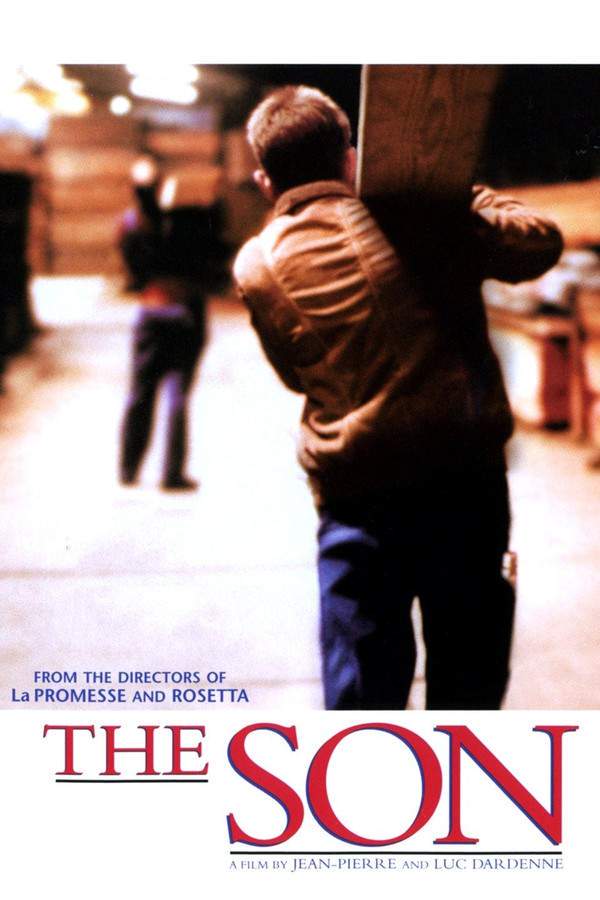
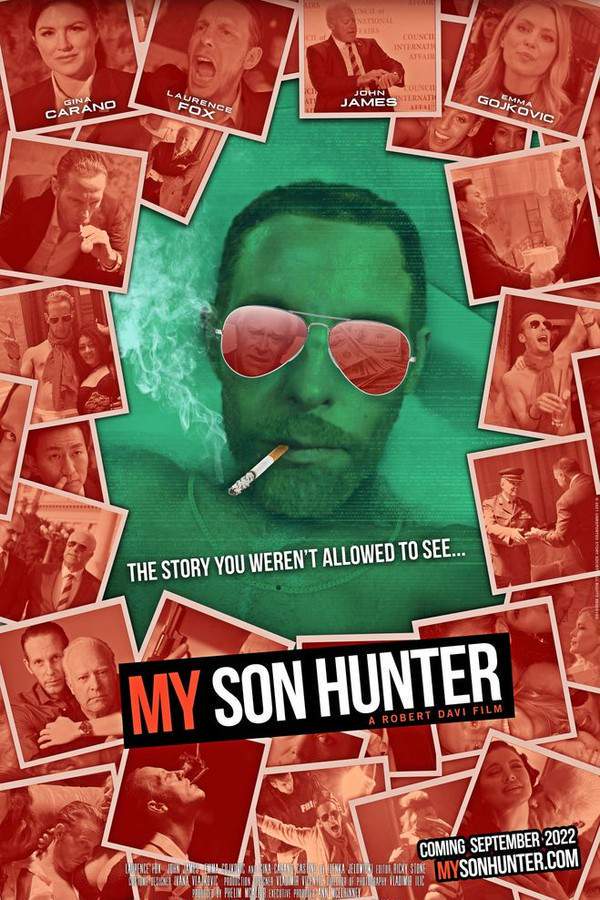

Featured on this page

What's After the Movie?
Not sure whether to stay after the credits? Find out!
Check out our other apps:

SAT Sphere
Build confidence for the Digital SAT.

Mori Atlas
Discover wild places worth protecting.

Luntero
Search smarter for a home in Amsterdam.

Plot Explained
Unravel movie endings and hidden clues.

Pokechamp
Dive into Pokémon data and battle logic.

Driving Theory
Get ready for your European theory test.

Movie Dust
Plan your next cinema trip with ease.

Musemap
Find art and culture as you travel.

Selkobase
Compare credentials before committing.

Local Manual
Turn an unfamiliar country into practical next steps.

Lernavi
Compare school systems before your next move.

GymRoam
Find a workout stop wherever your plans take you.
Explore Our Movie Platform
New Movie Releases (2026)
Famous Movie Actors
Top Film Production Studios
Movie Plot Summaries & Endings
Major Movie Awards & Winners
Best Concert Films & Music Documentaries
Movie Collections and Curated Lists
© 2026 What's After the Movie. All rights reserved.
Privacy Policy