
Murder by Phone 1982

Directed by
Michael Anderson
Made by

Coco Films I
Murder by Phone Plot Summary
Read the complete plot summary and ending explained for Murder by Phone (1982). From turning points to emotional moments, uncover what really happened and why it matters.
Nat Bridger, Richard Chamberlain, an ecology professor, returns to the Thorner home after teaching his class, stepping into a nightmare that seems to be about ordinary phones and ordinary people. A subway scene opens with a woman answering a public phone; at first she hears nothing, then a piercing, rising high-pitched beeping that makes her tremble, her eyes bleed, and a violent explosion hurls her onto the escalator. The incident sets a chilling tone for what follows: a pattern where phones become vehicles of murder.
The Thorners are still reeling from the loss of their daughter Sandra, the victim of a brutal murder that night in their home, and Nat soon finds himself drawn into a chain of deaths that begins to feel personal. A businessman named Gordon Smith is killed when the phone he’s using rings and a shock crashes him through a large glass window, ending with a crash onto a car below. The city seems to be under siege by a mysterious, sonic-powered weapon concealed in everyday devices.
In the days that follow, Nat is drawn into official business, receiving a letter of authorization to pursue the caller and heading to the police precinct to speak with Lt. Meara, Gary Reineke. The case deepens when Nat stays at the home of Stanley Markowitz, John Houseman, and interviews a woman who witnessed one of the killings. The danger escalates when Mrs. Andersen is killed in a similar fashion, a reminder that the threat is both intimate and unrelenting.
Nat’s investigation leads him to the subway’s repaired phone line and a series of conversations with a corporate supervisor, aiming to understand how the devices were repaired and who might be involved. Along the way, he encounters Ridley Taylor, Sara Botsford, a woman who becomes entangled in the mystery and whom Nat invites to dinner in hopes of uncovering more clues. The danger grows when Connie Lawson, Lenore Zann, is killed by a phone, underscoring the pattern that ties all the deaths together.
Tensions flare as Nat clashes with Meara over how the case should be handled. He is followed by a curious tourist who snaps photos as if he’s part of something larger, a misdirection that only fuels Nat’s suspicions. After a tense arrest and a recovery period at Stanley’s, Nat investigates the city’s phone-control infrastructure to track down the evidence, and discovers paired phones that have been used in the murders. The ride intensifies when Nat arrives at Ridley’s house, only to learn that Stanley has himself fallen victim to the very device he sought to understand.
With Ridley’s help and the backing of the commissioner, Nat presses deeper into the mystery, and a crucial video tape from Stanley’s residence points to Ridley’s neighbor Noah Clayton, the tour guide Robin Gammell. The revelation lands hard: Clayton is the operator behind the phone murders, seeking revenge for perceived injustices by weaponizing everyday devices. After Nat leaves Ridley’s home, she receives a call from Clayton, but Ridley acts quickly and discards the phone before he can strike again.
The search shifts toward the city’s power company, where new clues surface and Clayton’s scheme comes to a head. A deadly high-frequency sonic pulse—designed to murder through the telephone—is launched, and Nat faces a desperate confrontation. The pulse is reversed back through the line, causing Clayton to convulse as a shelf collapses onto him, ending the killings.
In the final moments, the city’s safety services congratulate Nat on solving the case as Ridley prepares to go home. Nat’s resolve remains steady, and he calls out to her with a promise that signal lights are still glowing in the night: “I’ll call you.” The scene closes on a curious, ominous note as the high-pitched beeps return, and the credits roll over the pensive silence that follows a city saved from a peril that began with a single, seemingly innocuous phone.
Murder by Phone Timeline
Follow the complete movie timeline of Murder by Phone (1982) with every major event in chronological order. Great for understanding complex plots and story progression.
Opening subway phone call and explosion
A woman on a subway hears a phone ring and heads to a public booth to answer it. The ring builds into a high-pitched, escalating beeping that unsettles her until she is shaken and bloodied, and then knocked onto an escalator by a thunderous explosion. The scene establishes the phone-murder motif that drives the rest of the story.
Nat Bridger visits the Thorners after Sandra's death
Ecology professor Nat Bridger goes to the Thorner residence after teaching his class. Thorner and his wife are overwhelmed by their daughter Sandra's murder and struggle to cope. The visit establishes the personal stakes behind the murder spree and Nat's involvement.
Gordon Smith electrocuted by a phone
A businessman using a ringing phone is electrocuted. The force of the incident hurls him through a large glass window, where he crashes onto a car. The death adds to the growing pattern of killings via phones.
Nat gets authorization letter and learns Sandra's death is ruled a heart attack
The next day Nat is summoned for an official letter of authorization. He meets Lt. Merra and learns that Sandra's death is attributed to a heart attack rather than foul play. This misdirection motivates Nat to dig deeper.
Stanley Markowitz hosts a witness interview
Nat stays with Stanley Markowitz and interviews a woman who witnessed the murder. Her testimony hints at a phone-based killer behind the incidents. The interview helps Nat connect the strange phone events to a central culprit.
Mrs. Andersen killed by the phone
That night another victim, Mrs. Andersen, is killed by a ringing phone. The pattern of annihilation through telephonic devices becomes undeniable. Nat realizes the murders are linked and are not random acts.
Nat investigates subway phone repair and meets Ridley Taylor
Nat investigates why the subway phone was repaired and talks with a supervisor at a local business. During the discussion he meets Ridley Taylor and later invites her to dinner. The encounter ties Ridley to the growing mystery and sets up a potential ally.
Connie Lawson killed by the phone
A further murder occurs when Connie Lawson is killed by a phone. The slayings continue to escalate, underscoring the killer's omnipresence. Nat's investigation tightens as more victims come to light.
Nat argues with Merra; followed, arrested, then saved by Stanley
The next day Nat argues with Merra about lacking support on the case. A tourist begins following him, misreading him for an ally of the killer. Nat is arrested but saved by Stanley, which slows the danger and buys him time.
Nat uncovers murder-by-pairing phones at the control center
Nat goes to the phone control center to search for clues and discovers evidence showing pairs of phones that have been used for the murders. The pattern points to a single operator behind the killings. The discovery propels the investigation forward.
Stanley Markowitz is murdered by the phones
As Nat digs deeper, Stanley Markowitz is murdered by the very phones he warned about. The loss shatters Nat and confirms the killer's reach. This death raises the stakes for the investigation going forward.
Video tape reveals Noah Clayton as the operator
Nat reviews a videotape that exposes Noah Clayton as the phone operator. He follows the trail to Ridley's house and plays the tape there, linking Clayton to the murders. The footage pivots the case toward a specific suspect.
Ridley survives a Clayton call
Ridley receives a phone call from Noah Clayton but throws the device away, narrowly avoiding attack. Her escape confirms Clayton's direct involvement and his willingness to eliminate witnesses. Nat solidifies his case against Clayton.
Confrontation at the Power Company; Clayton is killed
Nat and allies go to the power company to confront Clayton and uncover his plan. When Clayton activates a lethal high-frequency pulse, the device is reversed back through the line and he convulses as a shelf collapses on him. The killer is finally killed by his own invention.
Resolution and closing tease
Al Histlip from the public safety department congratulates Nat on solving the murders. Ridley leaves, and Nat calls out 'I'll call you' as the screen cuts to credits, and the beeping noises briefly resume, hinting the threat may not be over. The mystery is resolved, but the world remains uneasy.
Murder by Phone Characters
Explore all characters from Murder by Phone (1982). Get detailed profiles with their roles, arcs, and key relationships explained.
Nat Bridger (Richard Chamberlain)
An ecology professor who becomes an unlikely detective in the face of a phasing murder spree. He uses rational analysis to connect disparate deaths to a single technological method. He clashes with some authorities but shows perseverance and curiosity, driving the investigation forward.
Noah Clayton (Robin Gammell)
A tour guide who emerges as the phone-based killer’s operator. He demonstrates a meticulous, methodical mind that leverages technology for revenge. His calm demeanor masks a cold, calculating fixation on the perceived injustices he seeks to avenge.
Stanley Markowitz (John Houseman)
A veteran investigator or mentor figure who collaborates with Nat. He becomes a casualty in the escalating conflict, murdered by the very device he sought to understand. His involvement helps push the case toward a final reveal.
Ridley Taylor (Sara Botsford)
A witness and ally who becomes entwined in Nat’s pursuit. She navigates danger as the killer targets those connected to the case and provides crucial insight that helps unravel the operator’s identity.
Lt. Meara (Gary Reineke)
A police lieutenant who embodies official skepticism and procedural tension. He initially resists Nat’s theories but gradually becomes a collaborator as the evidence tightens around the killer.
Connie Lawson (Lenore Zann)
A murder victim who embodies the human cost of the city’s technological menace. Her death underscores the stakes and motivates further investigation into the method behind the killings.
Detective Tamblyn (Tom Butler)
A detective involved in the case, providing on-the-ground investigation and interaction with Nat. He adds another layer to the procedural dynamic of solving the murders.
Fil Thorner (Ken Pogue)
Patriarch of a family connected to the case’s initial tragedy. His perspective ties the personal losses to the broader investigation, hinting at motives and family tensions surrounding the murders.
Dr. Alderman (Colin Fox)
A medical or academic figure encountered during the investigation. He contributes technical or analytical context to understand the physiological or scientific aspects of the case.
John Websole (Alan Scarfe)
A city figure encountered in the investigation, possibly connected to the power or telecommunications networks. His role helps illustrate the bureaucratic and corporate layers involved in the mystery.
Jack Gilsdorf (James B. Douglas)
An associate within the urban setting who interacts with Nat amidst the case’s escalation. His involvement adds depth to the web of city figures entangled in the murders.
Photographer (Jefferson Mappin)
A tourist-like observer who captures moments around the case, providing a camera-eye perspective on the unfolding events and the paranoia surrounding them.
Beth Freemantle (Luba Goy)
A city resident whose presence adds to the human network around the murders. She represents the everyday people affected by the terror of the phone-based killings.
Winters (Neil Munro)
A supporting character in the metropolitan web of witnesses and officials who contribute to the investigation’s breadth and texture.
Murder by Phone Settings
Learn where and when Murder by Phone (1982) takes place. Explore the film’s settings, era, and how they shape the narrative.
Location
City, Subway
An unnamed metropolitan city with a sprawling subway network and a sensitive power infrastructure. The subway, public phone booths, and dense office blocks form the backdrop for the murders and investigations. The city’s institutions—police, investigators, and utility workers—interact under mounting fear as the tech-enabled killings unfold.
Murder by Phone Themes
Discover the main themes in Murder by Phone (1982). Analyze the deeper meanings, emotional layers, and social commentary behind the film.
📞
Phone Tech
A killer weaponizes ordinary telephone technology, turning calls and a high-frequency pulse into lethal tools. The murders expose how everyday infrastructure can be hijacked by a vengeful mind. The film examines the perils and ethical questions of using technology as a weapon. Nat and others race to stop the pattern before more lives are claimed.
🕵️
Investigation
Nat Bridger applies scientific logic to a string of seemingly random deaths. He connects clues across phones, control centers, and witnesses. Tension builds as authority figures resist and a killer remains at large. The pursuit culminates in uncovering the operator behind the murders.
🌆
Urban Fear
The city becomes a pressure cooker where public spaces turn dangerous. Anxieties about surveillance and control heighten the sense of unease. The narrative uses urban landscapes—subways, towers, and power grids—as symbols of vulnerability. The ending suggests danger still looms beneath the surface of everyday life.

Coming soon on iOS and Android
The Plot Explained Mobile App
From blockbusters to hidden gems — dive into movie stories anytime, anywhere. Save your favorites, discover plots faster, and never miss a twist again.
Sign up to be the first to know when we launch. Your email stays private — always.
Explore the mobile appMurder by Phone Spoiler-Free Summary
Discover the spoiler-free summary of Murder by Phone (1982). Get a concise overview without any spoilers.
In a modern metropolis where the hum of circuitry is as constant as traffic, a new menace begins to echo through the very devices people trust most. A bitter former phone‑company employee has turned ordinary telephones into silent weapons, using a hidden, lethal frequency that can kill the moment a call is answered. The city’s everyday rhythm – from subway booths to office desks – suddenly feels fraught with an invisible danger, turning the simple act of picking up the receiver into a potential death sentence. This unsettling premise casts a pall of dread over familiar streets, turning the urban landscape into a maze of unseen threats.
Nat Bridger arrives as the reluctant guardian of that fragile normalcy. By day he teaches ecology, a discipline that has taught him to read the subtle signs of an ecosystem on the brink, but when the phones begin to claim lives, he is pulled back into a world of investigation and urgency. A former phone‑company employee himself, Nat possesses a rare blend of technical know‑how and investigative instinct, making him uniquely suited to trace a weapon that hides behind the ordinary. His personal history with the industry adds a layer of internal conflict, as he confronts the very technology he once helped build.
The film unfolds with a tense, methodical rhythm, balancing the cold precision of forensic work with the frantic pulse of a city on edge. Shadows linger in crowded stations, and quiet corridors hum with the promise of a ringing line that could change everything. Against this backdrop, Nat must navigate bureaucratic obstacles, skeptical colleagues, and a growing sense of paranoia, all while the clock ticks toward an unknown climax. The tone is a gritty techno‑thriller, where the ordinary becomes extraordinary and every unanswered call hints at an unseen adversary waiting just beyond the next ring.
Movies with Similar Twists and Themes
Uncover films that echo the narrative beats, emotional arcs, or dramatic twists of the one you're exploring. These recommendations are handpicked based on story depth, thematic resonance, and spoiler-worthy moments — perfect for fans who crave more of the same intrigue.

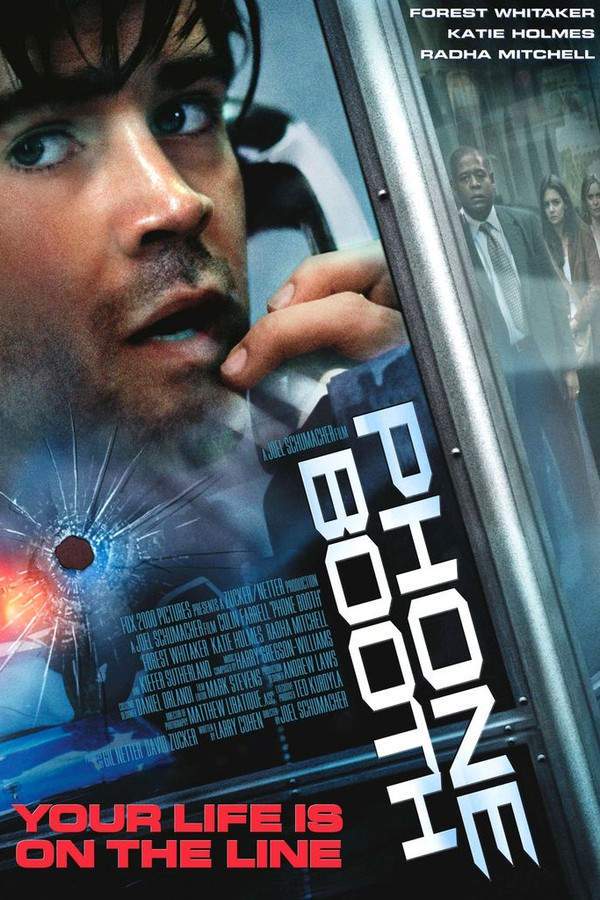


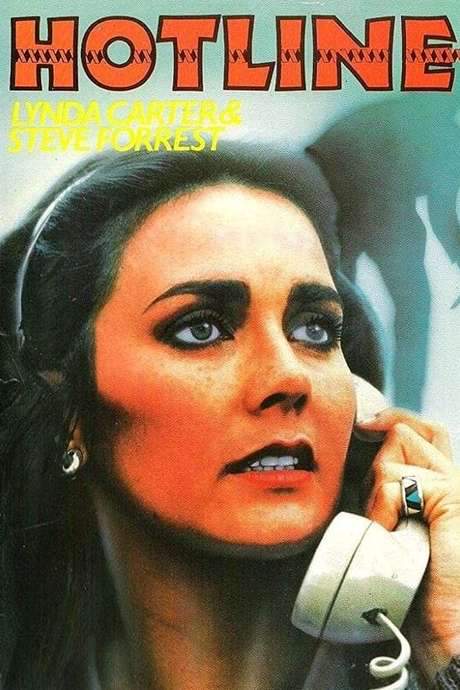


Featured on this page

What's After the Movie?
Not sure whether to stay after the credits? Find out!
Check out our other apps:

SAT Sphere
Build confidence for the Digital SAT.

Mori Atlas
Discover wild places worth protecting.

Luntero
Search smarter for a home in Amsterdam.

Plot Explained
Unravel movie endings and hidden clues.

Pokechamp
Dive into Pokémon data and battle logic.

Driving Theory
Get ready for your European theory test.

Movie Dust
Plan your next cinema trip with ease.

Musemap
Find art and culture as you travel.

Selkobase
Compare credentials before committing.

Local Manual
Turn an unfamiliar country into practical next steps.

Lernavi
Compare school systems before your next move.

GymRoam
Find a workout stop wherever your plans take you.
Explore Our Movie Platform
New Movie Releases (2026)
Famous Movie Actors
Top Film Production Studios
Movie Plot Summaries & Endings
Major Movie Awards & Winners
Best Concert Films & Music Documentaries
Movie Collections and Curated Lists
© 2026 What's After the Movie. All rights reserved.
Privacy Policy