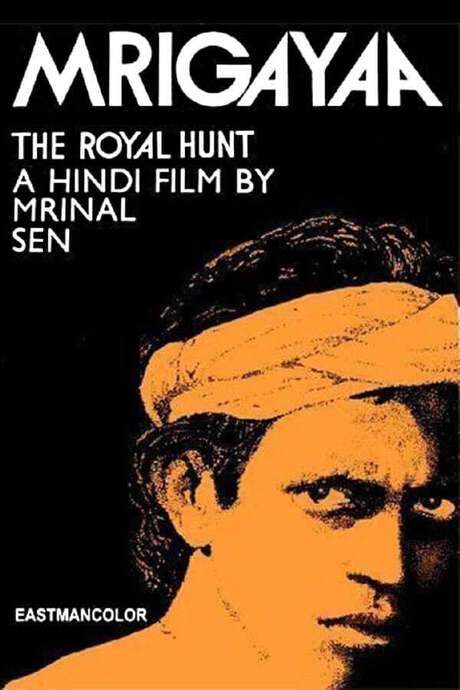


Mrigayaa Plot Summary
Read the complete plot summary and ending explained for Mrigayaa (1976). From turning points to emotional moments, uncover what really happened and why it matters.
In a remote village of Odisha during the 1930s, a community of tribals endures the constant threat of wild beasts—tigers and boars—that ruin their crops, compounding the oppression from greedy moneylenders and police informers. Into this fragile world steps a newly posted British administrator whose love of the chase introduces a volatile balance between power and peril. The administrator, Robert Wright, quickly befriends Ghinua, a native tribal and an exceptional archer, and a dangerous bargain forms: Ghinua will be rewarded for bringing down a “big game” under the terms of this unlikely collaboration.
The tale widens its gaze to center on Sholpu, a young revolutionary who slips into the village to seek his mother’s shelter. The police informer stalks him, only to lose his nerve when the entire village rallies behind Sholpu. Yet the risk remains as the informer bides his moment to exact punishment. A sudden village robbery brings tragedy: a policeman is killed, and Sholpu is blamed. The administrator places a price on his head, and the informer seizes the chance to claim the reward by killing Sholpu. This act seeds a deep rift between tribals and non-tribals, testing the community’s loyalties and sense of justice.
Amidst this tension, Dungri, Ghinua’s wife, is abducted by a ruthless moneylender. In a display of raw resolve, Ghinua confronts the moneylender and kills him to win back his wife, underscoring the raw, violent costs of protecting family and community. With a renewed sense of purpose, Ghinua heads toward the Sahab, the administrator, convinced that the time has come for the promised big game. But the meeting with the Sahab yields a brutal reversal: Ghinua is hanged for murder, his fate sealed by a rigid sense of order that fails to recognize the complexity of his actions. Throughout this confrontation, a stark, unsettling question lingers: why does a deed that seems to defend kin and honor earn punishment when the same act—murder—could be rewarded under another system?
The film lingers on the moral ambiguity of power, loyalty, and the brutal logic of colonial rule, inviting viewers to reflect on the toll of oppression, the cost of resistance, and the price paid by those who fight to protect their villages. The performances, led by Mithun Chakraborty as Ghinua, carry a quiet intensity that anchors the narrative, while the supporting roles add texture to a world where traditional life collides with external forces. The story asks whether courage and love can survive the harsh arithmetic of domination, and it leaves audiences with a lingering, somber meditation on justice, punishment, and the ambiguous outcomes of rebellion.
Mrigayaa Timeline
Follow the complete movie timeline of Mrigayaa (1976) with every major event in chronological order. Great for understanding complex plots and story progression.
Wildlife threat and village hardship
Wildlife around the Odisha village destroys crops and disrupts daily life. Tigers and boars raid fields, making a precarious living for the tribals. The constant threat from animals sets a harsh backdrop for the community's struggles.
Administrator arrives and befriends Ghinua
A British administrator arrives with a hunter's instinct and quickly befriends Ghinua. His presence introduces a new power dynamic in the village.
Deal struck: hunt for a big game
They strike a deal: Ghinua will bring down a 'big game' in exchange for rewards from the administrator. The arrangement links local prowess to colonial authority, foreshadowing tragedy.
Sholpu returns to see his mother
Sholpu, a young revolutionary, secretly returns to the village to visit his mother. The police informer chases him to his house but, seeing the crowd turn against the pursuer, he retreats and waits for another opportunity.
Village robbery and a killer reward
A robbery shakes the village and a policeman is killed. Blame falls on Sholpu, and the administrator openly declares a reward for his head.
Informer eliminates Sholpu for the bounty
The informer seizes the moment and kills Sholpu to claim the bounty. The killing further inflames tensions between tribals and outsiders.
Mistrust and clash between communities
Sholpu's death intensifies mistrust and sparks a widening rift between the tribal community and non-tribal authorities. The village grapples with a sense of betrayal.
Dungri abducted; Ghinua acts
Dungri, Ghinua's wife, is abducted by a moneylender who preys on the poor. Ghinua confronts the lender and kills him to bring her back.
Ghinua seeks the Sahab; pays with his life
Having rescued Dungri, Ghinua heads to meet the Sahab, believing the time for the big game has come. Instead, the Sahab hangs him for murder.
Questioning the justice of rewards
Till his death, Ghinua cannot understand why a similar action is rewarded in one case and punished in another. The system appears arbitrary and cruel under colonial rule.
Injustice exposed under colonial power
The hanging exposes the inherent injustice of colonial power, where the same acts are judged by shifting loyalties. The villagers witness the limits of justice under the Sahab's rule.
A village divided, with unanswered questions
The tale ends with a village divided and unanswered questions about who truly benefits from power. The tragedy of Ghinua lingers as a critique of colonial-era greed and oppression.
Mrigayaa Characters
Explore all characters from Mrigayaa (1976). Get detailed profiles with their roles, arcs, and key relationships explained.
Ghinua (Mithun Chakraborty)
A skilled tribal archer who defends his family and village against both natural threats and colonial power. He embodies courage and loyalty, yet his actions blur the line between protector and criminal. His bid to protect his people culminates in a death that raises questions about justice under empire.
Dungri (Mamata Shankar)
Ghinua’s devoted wife who is abducted by a moneylender, triggering his desperate mission to rescue her. Her ordeal highlights the vulnerability of women in a community under pressure from exploitative forces. Her plight catalyzes the film’s turn toward vengeance and resistance.
Sholpu (Samit Bhanja)
A young revolutionary who enters the village to meet his mother and becomes a symbol of resistance. His pursuit by informers shows how dissent is surveilled and punished. His death fuels tensions between tribals and non-tribals and exposes the cost of rebellion.
Sahab (Robert Wright)
The British administrator who wields authority with a hunter’s appetite. He strikes a bargain with Ghinua to hunt ‘big game’ in exchange for reward, illustrating imperial arrogance and greed. His ultimate judgment against Ghinua underscores the brutal logic of empire.
Bhuban Sardar (Sadhu Meher)
A village elder who bears witness to the mounting oppression and communal tensions. His perspective anchors the community’s experience of exploitation and struggle. He represents the traditional authority caught between colonial power and local revolt.
Ann Wright
A member of the cast whose exact role isn’t detailed in the summary, included here for completeness of the cast list.
Mrigayaa Settings
Learn where and when Mrigayaa (1976) takes place. Explore the film’s settings, era, and how they shape the narrative.
Time period
1930s
Set in the decade of the 1930s under British rule, the story captures the era’s political and social tensions. A British administrator arrives, reflecting imperial authority, alongside a cultural landscape marked by subsistence and struggle. Law enforcement, informers, and moneylenders illustrate the period’s exploitative systems, shaping how villagers resist and survive.
Location
Odisha, India
The film unfolds in a remote tribal village in the forests of Odisha during the 1930s. The area is rugged and home to wildlife such as tigers and boars that threaten crops and livelihoods. Life revolves around tribal customs, communal ties, and a fragile balance with colonial power encroaching on daily life.
Mrigayaa Themes
Discover the main themes in Mrigayaa (1976). Analyze the deeper meanings, emotional layers, and social commentary behind the film.
🏛️
Colonial Oppression
The administrator’s hunt for ‘big game’ mirrors how colonial powers weaponize law and rewards to subdue indigenous communities. Imperial authority uses fear, punishment, and financial leverage to maintain control. Informers and moneylenders act as extensions of the state, exploiting poverty to enforce obedience. The arc highlights how power distorts justice and normalizes violence against the vulnerable.
⚖️
Justice and Double Standards
Killing is treated differently depending on who does it and under whose authority. Ghinua’s act to protect his family is branded murder, while the administrator’s actions are rationalized as law enforcement. The narrative suggests fairness is determined by power, not motive or morality. This double standard drives the villagers’ sense of injustice and fuels resistance.
🌿
Resilience and Community
The tribal community relies on solidarity, skill, and kinship to endure hunger, danger, and exploitation. Ghinua embodies a deep connection to land and tradition, yet his choices reveal the violence necessary to defend his people. The abduction of Dungri tests the village’s unity and resolve. Even amid tragedy, communal bonds persist as a form of resistance.

Coming soon on iOS and Android
The Plot Explained Mobile App
From blockbusters to hidden gems — dive into movie stories anytime, anywhere. Save your favorites, discover plots faster, and never miss a twist again.
Sign up to be the first to know when we launch. Your email stays private — always.
Explore the mobile appMrigayaa Spoiler-Free Summary
Discover the spoiler-free summary of Mrigayaa (1976). Get a concise overview without any spoilers.
In the dense, mist‑cloaked hills of a remote Odisha village, life is a fragile rhythm of harvest, tradition, and the ever‑present threat of wild beasts. The community endures not only the roar of tigers and the charge of boars, but also the weight of an oppressive colonial framework and the greed of local moneylenders. The atmosphere is charged with the simmering discontent of the 1920s, when the first whispers of organized resistance begin to echo through the fields and forests.
Into this world arrives a newly posted British administrator whose passion for big‑game hunting becomes the unexpected bridge to the villagers. He quickly forms a tentative friendship with the village’s most proficient archer, a bond that is as delicate as it is volatile. Robert Wright—the administrator—brings the imperial order of his rank, while Ghinua, the archer, embodies the skill, pride, and survival instincts of his people. Their uneasy alliance hints at the clash and cooperation that can arise when two vastly different worlds intersect over a shared, if morally ambiguous, pursuit.
The arrival of a young revolutionary adds another layer to the village’s delicate balance. Sholpu slips into the settlement seeking shelter, his presence stirring both hope and apprehension among the locals. Beneath the surface, the constant watch of informers and the ever‑present reach of the colonial police create a tension that steadily tightens, suggesting that the village’s quiet resilience may soon be tested by forces both internal and external.
The film unfolds with a contemplative, almost lyrical tone, painting a portrait of a community caught between ancient customs and the relentless advance of empire. Its visual palette is steeped in earthy hues, the soundtrack echoing the rustle of leaves and distant gunfire, while the performances—anchored by Ghinua’s quiet intensity—invite viewers to ponder the cost of loyalty, the price of survival, and the ambiguous morality that lingers wherever power is exercised.
Movies with Similar Twists and Themes
Uncover films that echo the narrative beats, emotional arcs, or dramatic twists of the one you're exploring. These recommendations are handpicked based on story depth, thematic resonance, and spoiler-worthy moments — perfect for fans who crave more of the same intrigue.
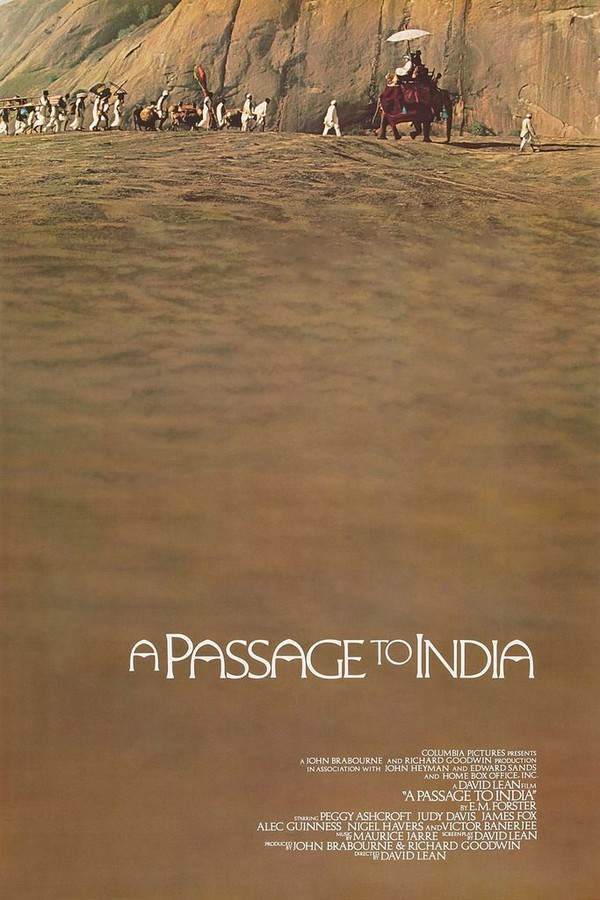
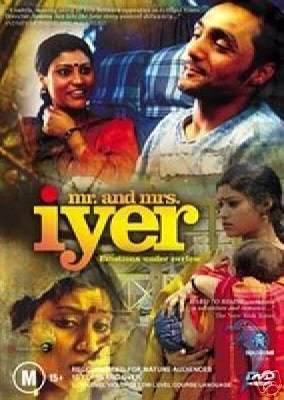
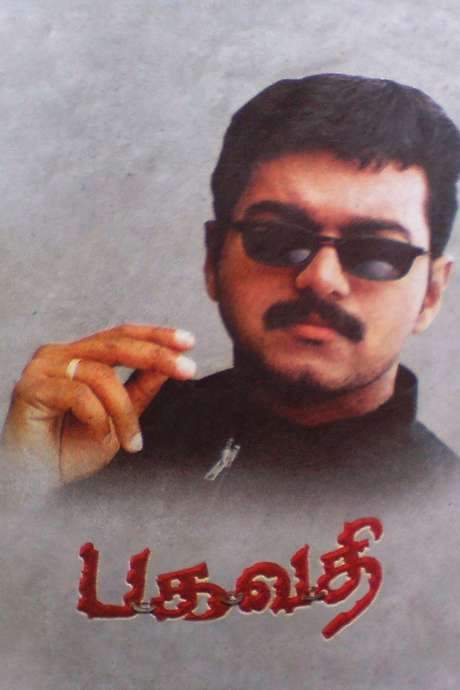

Featured on this page

What's After the Movie?
Not sure whether to stay after the credits? Find out!
Check out our other apps:

SAT Sphere
Build confidence for the Digital SAT.

Mori Atlas
Discover wild places worth protecting.

Luntero
Search smarter for a home in Amsterdam.

Plot Explained
Unravel movie endings and hidden clues.

Pokechamp
Dive into Pokémon data and battle logic.

Driving Theory
Get ready for your European theory test.

Movie Dust
Plan your next cinema trip with ease.

Musemap
Find art and culture as you travel.

Selkobase
Compare credentials before committing.

Local Manual
Turn an unfamiliar country into practical next steps.

Lernavi
Compare school systems before your next move.

GymRoam
Find a workout stop wherever your plans take you.
Explore Our Movie Platform
New Movie Releases (2026)
Famous Movie Actors
Top Film Production Studios
Movie Plot Summaries & Endings
Major Movie Awards & Winners
Best Concert Films & Music Documentaries
Movie Collections and Curated Lists
© 2026 What's After the Movie. All rights reserved.
Privacy Policy