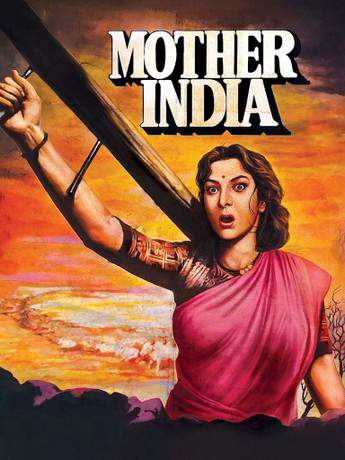
Mother India 2002

Directed by

Mehboob Khan
Made by

Digital Entertainment (DEI)
Where to Watch Mother India
See current US streaming, rental, and purchase options for Mother India (2002) via JustWatch.

Streaming availability powered by 
Mother India Plot Summary
Read the complete plot summary and ending explained for Mother India (2002). From turning points to emotional moments, uncover what really happened and why it matters.
As the sun rises over the parched landscape of 1957, the villagers of a small rural community celebrate the completion of an irrigation canal that promises to breathe life into their dry farmland. In the midst of the festivities, Radha, regarded as the “mother” of the village, is given the honor of inaugurating the canal. This moment prompts her to reflect on the bittersweet memories of her early days of marriage to Shamu.
Their union was orchestrated by Shamu’s mother-in-law, who secured a loan from the ruthless moneylender, Sukhilala. The terms were harsh, forcing Radha and Shamu to give away three-quarters of their meager crop just to meet the interest on a paltry ₹500 loan. While Shamu valiantly struggled to till the rocky terrain, his strength was tragically cut short when a boulder crushed his arms. Humiliated by Sukhilala’s cruel taunts, and burdened by despair, Shamu ultimately abandoned Radha and their three young sons, leaving them to face an unjust and uncertain future.
Soon, tragedy struck again when Radha’s youngest son and her mother-in-law fell ill and passed away, only for a devastating storm to sweep through the village, destroying homes and ravaging what little harvest remained. In a moment that solidified his malicious nature, Sukhilala made Radha a heartless offer: her body in exchange for food to survive the starvation. Standing firm and refusing his vile proposal, Radha faced even greater loss when the storm took from her her infant child.
As the years progressed, Radha’s surviving sons, Birju and Ramu, grew into young men. Birju harbored a deep resentment towards Sukhilala for the hardship his family had endured. He often took out his frustrations by tormenting the village girls, especially Rupa, Sukhilala’s daughter. Meanwhile, Ramu, exhibiting a more composed demeanor, soon married, seeking solace in family life. However, Birju’s pent-up rage eventually erupted into violence. He launched a fierce attack on Sukhilala and his family, reclaiming Radha’s pawned marriage bracelets during the chaos.
After being banished from the village, Birju became a notorious bandit, fueled by his thirst for revenge against Sukhilala’s family. On Rupa’s wedding day, Birju returned with his gang to inflict his vengeance, resulting in Sukhilala’s death and Rupa’s abduction. But fate had a different plan; as he attempted to flee, Radha, driven by a fierce maternal love and unwavering resolve, shot him down. In his final moments, Birju died in Radha’s arms, his malevolence finally extinguished.
In 1957, with the canal’s reddish waters beginning to flow into the fields, Radha stood proudly at its gate. She embodied a symbol of hope and resilience, having bravely weathered the countless storms that had besieged her life and family.
Mother India Timeline
Follow the complete movie timeline of Mother India (2002) with every major event in chronological order. Great for understanding complex plots and story progression.
Celebration of the Canal
In 1957, the villagers of a small rural community gathered to celebrate the completion of an irrigation canal that would transform their parched farmland. The event marked a hopeful new beginning, as the canal promised to bring much-needed water and life back to their crops.
Radha's Honor
During the canal's inauguration, Radha, revered as the 'mother' of the village, was given the honor of inaugurating the canal. This moment caused Radha to reflect on her challenging past and the bittersweet memories of her early marriage.
Wedding and Debt
Radha's marriage to Shamu was arranged under difficult circumstances, as Shamu's mother-in-law secured a loan from the unscrupulous moneylender Sukhilala. The harsh terms of the loan forced the couple to give away three-quarters of their meager crop just to keep up with steep interest payments.
Shamu's Tragic Accident
Shamu struggled to cultivate their rocky land until tragedy struck when a boulder fell and crushed his arms. This accident not only stripped him of his ability to work but also intensified the family's hardships under Sukhilala's oppressive lending practices.
Shamu Abandons Radha
Unable to bear the humiliation from Sukhilala's taunts and the despair of his circumstances, Shamu deserted Radha and their three sons. This left Radha to navigate an unforgiving world alone, facing immense challenges as a single mother.
Tragedy Strikes the Family
Not long after Shamu's departure, tragedy hit again when Radha's youngest son and her mother-in-law fell seriously ill and died. To compound her suffering, a devastating storm ravaged the village, destroying homes and ruining the remaining harvest, leaving Radha and her surviving sons in dire straits.
Sukhilala's Cruel Offer
In a moment that revealed his true malice, Sukhilala made a heartless proposal to Radha: her body in exchange for food to survive. Radha, fueled by her fierce determination, rejected his despicable offer, choosing to endure the hunger and hardship instead.
Loss of Radha's Infant
In the aftermath of the storm, Radha suffered another heartbreaking loss when she lost her infant child. This event deepened her resilience and drove her to fight for the survival of her remaining sons against overwhelming odds.
Birju and Ramu's Growth
As time passed, Radha's sons Birju and Ramu grew into young men. While Ramu chose a path of family and stability by marrying, Birju's anger towards Sukhilala consumed him, leading him to act out against others in the village, particularly targeting Sukhilala's daughter, Rupa.
Birju's Attack
Birju's frustration erupted when he launched a violent attack against Sukhilala and his family, during which he managed to reclaim Radha’s pawned marriage bracelets. This act marked his transformation from a troubled youth to a vengeful man determined to make Sukhilala pay for his family's suffering.
Birju's Banishment
Following his assault on Sukhilala, Birju was banished from the village, forcing him into a life of a bandit. This choice stemmed from his desire for revenge, deepening his rivalry with Sukhilala, and reflecting his growing alienation from his community.
Birju's Return
On Rupa's wedding day, Birju returned with his gang seeking revenge on Sukhilala's family. In the chaos, Sukhilala was killed, and Rupa was abducted, illustrating the tragic cycle of violence that had consumed their lives.
Radha's Resolute Action
Amidst the upheaval, Radha's fierce maternal instincts drove her to confront Birju. In a heart-wrenching moment, she shot him down, ending the cycle of revenge and loss, thereby demonstrating her unyielding love for her family.
Birju's Last Moments
In the final moments of his life, Birju died in Radha's arms, a tragic end for a character consumed by vengeance and pain. This poignant scene underscores the themes of family, loss, and the devastating effects of a life led by anger.
Hope and Resilience
With the canal's reddish waters beginning to flow into the fields, Radha stood proudly at its gate in 1957. She became a symbol of hope and resilience, having bravely faced countless storms throughout her life, and now her community finally had a chance to thrive once again.
Mother India Characters
Explore all characters from Mother India (2002). Get detailed profiles with their roles, arcs, and key relationships explained.
Radha
Radha is the strong matriarch of the village, embodying the spirit of sacrifice and resilience. A mother who faces numerous adversities, she navigates her family's crises with unwavering courage and determination, becoming a symbol of hope for her community.
Shamu
Shamu is Radha's husband, whose strength is tested by the harsh conditions of rural life. Initially filled with hope for their marriage, he becomes a tragic figure, ultimately succumbing to despair after facing insurmountable challenges.
Birju
Birju, Radha's son, is driven by anger and resentment towards Sukhilala for the suffering his family experienced. His descent into violence and eventual transformation into a bandit showcases the consequences of unaddressed trauma and a search for revenge.
Sukhilala
Sukhilala serves as the antagonist, representing the oppressive forces in the villagers' lives. His ruthless manipulation and exploitation of families contribute significantly to the community's despair, highlighting the disparities between the powerful and the powerless.
Rupa
Rupa is Sukhilala's daughter, entangled in the conflicts of her father's malice. Her character adds complexity to the story, as she is both a victim of circumstances and a symbol of the intertwining fates of families in the village.
Ramu
Ramu, another of Radha's sons, represents a more composed and hopeful outlook amidst the chaos surrounding his family. His choice to marry and build a family offers a glimpse of normalcy and stability within a tumultuous environment.
Mother India Settings
Learn where and when Mother India (2002) takes place. Explore the film’s settings, era, and how they shape the narrative.
Time period
1957
The film is set in 1957, a period marked by struggles against feudalism and the harsh realities of rural life in India. This era saw many communities battling economic hardships and oppressive social structures, which are central themes in Radha's journey.
Location
rural village, irrigation canal
The movie takes place in a small rural village characterized by its parched landscape and reliance on agriculture. The newly completed irrigation canal represents not just a physical structure, but a source of hope for reviving the farming community, bringing much-needed water to the dry fields, essential for their survival.
Mother India Themes
Discover the main themes in Mother India (2002). Analyze the deeper meanings, emotional layers, and social commentary behind the film.
💪
Resilience
The theme of resilience is epitomized by Radha, who endures numerous hardships yet stands strong for her family's sake. Her unwavering determination not only highlights the strength of women but also reflects the broader struggle of rural communities against adversity.
⚔️
Revenge
Revenge drives much of the narrative, particularly through Birju's character, whose thirst for vengeance against Sukhilala leads to violent conflict. This theme explores the destructive nature of revenge and its impact on familial and community ties.
🌧️
Tragedy
Tragedy looms over Radha's life, encapsulated by the loss of loved ones and the struggles she faces alone. The film paints a poignant picture of how life can change in an instant, with natural disasters and personal betrayals shaping her and her sons' fates.

Coming soon on iOS and Android
The Plot Explained Mobile App
From blockbusters to hidden gems — dive into movie stories anytime, anywhere. Save your favorites, discover plots faster, and never miss a twist again.
Sign up to be the first to know when we launch. Your email stays private — always.
Explore the mobile appMother India Spoiler-Free Summary
Discover the spoiler-free summary of Mother India (2002). Get a concise overview without any spoilers.
In a sun‑baked corner of 1950s rural India, a tight‑knit village gathers around an ambitious irrigation project that promises to turn parched fields into fertile lands. At the heart of this community stands Radha, a woman whose quiet authority and boundless devotion have earned her the reverent nickname “the mother of the village.” The story unfolds against sweeping landscapes of dust‑kicked roads and humble homes, painting a world where every season carries the weight of survival and every celebration is tinged with the anxiety of scarcity.
Radha’s personal landscape is equally rich and demanding. Married to Shamu, a laborer whose strength is both a blessing and a burden, she navigates the relentless pressures of indebtedness, the expectations of extended family, and the ever‑present need to keep her children fed and hopeful. Their three sons grow under her watchful eye, each embodying a different response to the hardships that shape their world. The eldest, Birju, wrestles with fiery ambition and a fierce protectiveness that often puts him at odds with the village’s unspoken codes, while the younger, Ramu, seeks steadier ground through measured choices and a yearning for a quieter life. Even the village’s younger generation, represented by Rupa, reflects the tangled mix of tradition and change that defines the era.
Through a blend of lyrical cinematography and an understated, resonant score, the film captures the texture of daily life—fields waiting for rain, whispered prayers at dusk, the clatter of market stalls—while foregrounding the universal themes of love, resilience, and the silent sacrifices that sustain a community. Radha’s steadfast spirit becomes a quiet beacon, suggesting that hope can bloom even in the most unforgiving soil, and inviting viewers to linger on the enduring strength that mothers across the world embody.
Featured on this page

What's After the Movie?
Not sure whether to stay after the credits? Find out!
Check out our other apps:

SAT Sphere
Build confidence for the Digital SAT.

Mori Atlas
Discover wild places worth protecting.

Luntero
Search smarter for a home in Amsterdam.

Plot Explained
Unravel movie endings and hidden clues.

Pokechamp
Dive into Pokémon data and battle logic.

Driving Theory
Get ready for your European theory test.

Movie Dust
Plan your next cinema trip with ease.

Musemap
Find art and culture as you travel.

Selkobase
Compare credentials before committing.

Local Manual
Turn an unfamiliar country into practical next steps.

Lernavi
Compare school systems before your next move.

GymRoam
Find a workout stop wherever your plans take you.
Explore Our Movie Platform
New Movie Releases (2026)
Famous Movie Actors
Top Film Production Studios
Movie Plot Summaries & Endings
Major Movie Awards & Winners
Best Concert Films & Music Documentaries
Movie Collections and Curated Lists
© 2026 What's After the Movie. All rights reserved.
Privacy Policy