
Moon Knight 2022

Directed by

Ethan Hawke
Made by

Marvel Studios
Moon Knight Plot Summary
Read the complete plot summary and ending explained for Moon Knight (2022). From turning points to emotional moments, uncover what really happened and why it matters.
What’s After the Movie invites viewers into the complex and intriguing world of Moon Knight, exploring themes of identity, ancient Egyptian mythology, and the battle between justice and vengeance. The series begins with a portrayal of Steven Grant, a mild-mannered gift shop employee at the British Museum in London, whose seemingly ordinary life soon unravels into a labyrinth of mystery and supernatural forces. From the very first episode, we see Steven engaged in mundane routines—feeding his unique goldfish Gus, dealing with his sleep disorder, and navigating his job, where he is often late, much to the annoyance of his boss Donna. His life takes a darker turn when he experiences vivid, disorienting blackouts that leave him questioning his reality.
The series opens with a haunting scene involving a mysterious figure performing a ritual involving a smashed glass, slippers, and a cane—an eerie prelude to Steven’s own fluctuating consciousness. As Steven tries to piece together his fragmented memories, it becomes clear that his subconscious is haunted by visions of ancient Egypt, mummification, and a secret world hidden beneath his waking life. His routine is disrupted when he begins to experience episodes where he wakes up in unfamiliar fields or odd locations, hearing a disembodied voice that claims, “The idiot is in control,” suggesting that he is not entirely in charge of his own body.
Throughout his journey, Steven acquires a strange gold scarab and encounters a figure—Arthur Harrow—who leads a town in ritualistic judgment, invoking the Egyptian deity Ammit, the devourer of souls. Arthur is played with unsettling charisma by Ethan Hawke and believes that true justice involves preemptively punishing those he judges to be sinners, regardless of their current actions. His belief echoes through unsettling rituals and the glowing tattoo of a scale on his arm, which depicts the ancient Egyptian practice of weighing a person’s heart against a feather. Harrow’s dark philosophy starkly contrasts with Steven’s more innocent curiosity and desire for a simple life.
Meanwhile, Steven’s alter ego, Marc Spector, emerges as a hardened, vengeful mercenary—connected deeply to Egyptian mythology and seated as Khonshu’s chosen avatar, the Moon God. As Steven’s blackouts grow more frequent and intense, the line between Steven and Marc blurs, revealing a layered psyche shaped by trauma, guilt, and past violence. Through hallucinations and vivid flashbacks, viewers learn about Marc’s traumatic childhood, his struggles with grief over the loss of his brother, and the brutal choices he made as a soldier and mercenary. These memories are intertwined with moments where Marc’s dark pact with Khonshu manifests, transforming him into Moon Knight, a hero driven by justice yet possessed of a violent, relentless nature.
The series also explores Steven’s relationship with Layla El-Faouly, played by May Calamawy, who is revealed to be his wife and a formidable ally in uncovering the truth. Their interactions are charged with emotional tension and mutual concern, especially as Steven grapples with the discovery of his true identity as Marc Spector—a man with a complex past and multiple personalities. As Steven and Marc contend with their conflicting identities, the narrative delves into Egyptian mythology, including the search for Ammit’s tomb and the significance of sacred artifacts like ushabtis, scarabs, and ancient relics.
The show’s storyline intensifies as Steven/Marc and Layla race against time to prevent Arthur Harrow from releasing Ammit, the devourer of souls, from her prison. Harrow’s ritualistic practices and his devotion to Ammit threaten to usher in catastrophe, leading to epic confrontations in Egypt amongst ruins and the massively symbolic pyramid. Here, Khonshu’s influence and the divine courtroom of Egyptian gods come into play, with scenes depicting gods like Hathor and Ammit’s terrifying transformation into her monstrous form.
As the series reaches its climax, the themes of morality and justice are challenged in staggering ways. Marc, Steven, Layla, and Khonshu’s avatars fight to contain the chaos unleashed by Harrow and Ammit’s rising power. The morality of preemptive judgment versus true justice becomes central, especially as Khonshu’s raw, vengeful nature is contrasted with Layla’s resolve and the moral ambiguity of their decisions. A pivotal moment involves the binding and eventual defeat of Ammit, with Layla embracing her role as a hero in her personal armor—resembling her comic book counterpart, Layla El-Faouly — Scarlet Scarab.
The emotional depth peaks with Marc’s confrontation with his past—his guilt over his brother’s death, his abuse, and his own healing process. Visions of childhood traumas and memories of a shiva mourning their mother are recounted through haunting flashbacks, revealing how pain and shame shaped his fractured identity. The narrative also introduces the concept of the Duat, the Egyptian afterlife, where Marc and Steven are judged and weigh their hearts, symbolizing their prepare for the final reckoning.
The finale is a whirlwind of divine battles, internal struggle, and moral questioning. Khonshu’s and Ammit’s divine conflict culminates in a showdown on top of an ancient pyramid, with Layla temporarily donning a heroic guise similar to her alter ego, Scarlet Scarab. The series concludes with a new equilibrium—Khonshu’s influence is diminished, and Marc and Steven negotiate a tentative peace with their identities. The final scenes unveil a shocking revelation via a mid-credits scene—Arthur Harrow at a psychiatric hospital encounters a new personality, Jake Lockley, a darker, more ruthless incarnation of Marc’s psyche, who emerges from the shadows with lethal intent.
Moon Knight is a visually stunning and narratively complex series that explores the delicate balance between justice and vengeance, the power of mythology, and the journey for self-acceptance amidst trauma. It challenges viewers to consider the true meaning of heroism and the depths of the human mind, making it a unique addition to the Marvel universe and a compelling psychological odyssey.
Moon Knight Timeline
Follow the complete movie timeline of Moon Knight (2022) with every major event in chronological order. Great for understanding complex plots and story progression.
Opening Ritual and House Scene
The film begins with a man performing a mysterious ritual involving smashing a glass and shifting it into slippers at a large, empty house. This surreal opening sets a tone of mysticism and disorientation, hinting at deeper themes of memory and identity. The scene is atmospheric, accompanied by mellow music that introduces the ambiguous reality of the story.
Steven Grant Wakes Up
Steven Grant awakens in his apartment, immediately demonstrating signs of sleepwalking and disorientation. He relieves himself of restraints, feeds his goldfish Gus, and leaves a voicemail for his mother, highlighting his fragmented state of mind. The morning routine reveals his mundane life and underlying sense of confusion.
Museum Tour and Conflict with Donna
Steven works at the British Museum, explaining Egyptian mummification to visitors but faces scolding from his boss Donna for being late and making historical inaccuracies. Their interaction underscores Steven’s struggle with his role and memory, as he remains distracted and confused about his responsibilities.
Sleepwalking Rituals and Awakening in a Field
At night, Steven performs rituals to stay awake, including listening to a podcast and fiddling with a Rubik's cube, but he suddenly wakes up in a grassy field in pain. A mysterious voice instructs him to go back to sleep, introducing the theme of controlling his consciousness and hinting at a deeper, supernatural influence.
Encounter with the Castle and Harrow’s Rituals
Steven finds himself trespassing into a castle-like setting where Harrow, a man with a long red outfit, judges townspeople with a ritual involving a scale. Steven witnesses Harrow’s assessment, including a judgment that results in a woman's death, revealing Harrow’s role as an antagonist driven by Egyptian mythological themes.
Steven's Capture and Magical Confrontation
Steven is captured when trying to stop Harrow, leading to a blackout. When he regains consciousness, he is in a chaotic chase involving violence, car crashes, and blackouts, as the voice in his head urges him to hold onto a mysterious scarab. These scenes depict his struggle with identity and control amidst action and confusion.
Steven's Blurry Memory and the Truth About Marc
Steven discovers mysterious calls from Layla and finds his true name, Marc, to be different from Steven Grant. Verifications and hallucinations lead him to realize he has multiple identities, deepening his confusion about reality and his past. This revelation is central to understanding the fractured nature of his mind.
Hospital and Asylum Memories
In a series of hallucinations and memories, Marc confronts his troubled childhood and the traumatic death of his brother. These flashbacks reveal the origins of his dissociative identity disorder, including the guilt and pain stemming from his family tragedy, shaping his complex character.
Egyptian Mythology and the Search for Ammit
Marc and Layla travel to Egypt, where they explore archaeological sites and learn about the mythological creature Ammit. Their quest involves retrieving the ushabti and confronting the villain Harrow, whose plans threaten to unleash chaos by releasing Ammit, setting up the film's supernatural conflict.
The Final Confrontation and Ammit’s Release
As the gods gather, Khonshu and Layla team up to prevent Harrow from releasing Ammit, a monstrous goddess of vengeance. A climactic battle ensues atop a pyramid, with Moon Knight and Layla fighting Harrow’s followers as Ammit begins consuming souls, embodying the film’s themes of justice and moral ambiguity.
Closing Battles and the Reconciliation of Identities
Marc and Steven unite within the afterlife, confronting their past trauma and balancing their hearts in the Duat. Taweret guides them through their memories, and they work to restore their sense of self, culminating in a final redemption and acceptance of both their identities.
Post-Credits and Introduction of Jake Lockley
The mid-credits scene reveals Arthur Harrow/Ammit as a patient with Marc’s third personality, Jake Lockley, who is portrayed as a vengeful figure. Jake shoots Harrow and drives Khonshu away, hinting at further complexities and threats in the upcoming storylines, and establishing future conflicts.
Moon Knight Characters
Explore all characters from Moon Knight (2022). Get detailed profiles with their roles, arcs, and key relationships explained.
Steven Grant
A mild-mannered gift shop employee at the British Museum who suffers from sleepwalking and memory gaps. His personality struggles with the dangerous alter ego of Marc Spector, revealing internal conflict and a quest for self-understanding amid chaos and divine influence.
Marc Spector
A former mercenary and the primary avatar of the Egyptian moon god Khonshu. He embodies vengeance and justice, wrestling with guilt over past actions and the morality of divine judgment. His character is marked by trauma, faith, and a complex sense of duty.
Layla El-Faouly
Marc’s wife and Egyptian archeologist, who is strong-willed and resourceful. She is deeply connected to the mythology and actively seeks to prevent her husband from falling further under divine influence, balancing love, justice, and her own moral compass.
Arthur Harrow
A charismatic antagonist who believes in preemptive justice through divine judgment, serving the goddess Ammit. His obsession with morality and consequences threatens to unleash chaos, highlighting themes of fanaticism and moral righteousness.
Khonshu
The Egyptian moon god embodying justice and vengeance, who empowers Marc Spector as his avatar. His presence emphasizes divine authority versus mortal morality, often leading to conflict over justice and free will.
Moon Knight Settings
Learn where and when Moon Knight (2022) takes place. Explore the film’s settings, era, and how they shape the narrative.
Time period
Present day, with scenes set across the 2020s
The film is set in contemporary times, reflecting current urban life, modern technology, and the ongoing interest in Egyptian antiquities. The story incorporates elements of modern archaeology and law enforcement, intertwined with references to ancient Egyptian mythology which influence the narrative and characters' motivations.
Location
London, Egypt
The movie primarily takes place in London, known for its rich history and landmarks like the British Museum, which showcases ancient Egyptian exhibits. Egypt serves as the mystical and archaeological backdrop, with pyramids, tombs, and ruins that reveal its historical and mythological significance. These locations are central to the story's exploration of Egyptian gods, mummies, and ancient artifacts, blending modern settings with ancient mysteries.
Moon Knight Themes
Discover the main themes in Moon Knight (2022). Analyze the deeper meanings, emotional layers, and social commentary behind the film.
🌓
Duality
The movie explores the duality of identity through the characters of Steven Grant and Marc Spector, who share one body but embody contrasting personalities. It examines themes of consciousness, inner conflict, and the struggle between good and evil within oneself. The shifting between personalities symbolizes the complex nature of identity and morality.
⏳
Fate and Free Will
Fate plays a significant role as characters confront their past actions and destinies dictated by ancient gods. The narrative questions how much control individuals truly have over their lives versus predestined events shaped by divine forces. The story delves into whether characters can forge their own paths or are bound by fate.
💀
Death and Afterlife
The film prominently features Egyptian concepts of death, judgment, and the afterlife, as characters navigate the Duat and face moral reckonings. The scales of justice and the weighing of hearts symbolize moral accountability and the journey of the soul. Themes of mortality, guilt, and redemption underpin the story's mythological elements.

Coming soon on iOS and Android
The Plot Explained Mobile App
From blockbusters to hidden gems — dive into movie stories anytime, anywhere. Save your favorites, discover plots faster, and never miss a twist again.
Sign up to be the first to know when we launch. Your email stays private — always.
Explore the mobile appMoon Knight Spoiler-Free Summary
Discover the spoiler-free summary of Moon Knight (2022). Get a concise overview without any spoilers.
In the neon‑lit streets of modern London, a quiet gift‑shop clerk named Steven Grant lives a life of routine, cataloguing ancient relics for a museum while dreaming of ordinary comforts. Beneath his polite exterior, he is haunted by sudden blackouts and flashes of a life he cannot remember—a life of combat, heavy weaponry, and night‑time patrols. These disorienting episodes reveal that Steven shares his body with a second, combat‑hardened personality, the mercenary Marc Spector, whose past is as fragmented as the artifacts he once sold. The clash between their divergent temperaments creates a constant tension, as the scholarly, nervous Steven strives for normalcy while the fierce, instinctual Marc pushes toward violent action.
The series plunges this duality into a world where ancient Egyptian myth bleeds into the present. A moon‑lit deity watches over the city, promising power to those who bear a mysterious scarab. This divine patron grants its chosen the mantle of a nocturnal avenger, a vigilante who moves through shadows with uncanny agility and a fierce sense of justice. The tone is a stylish blend of gritty crime‑thriller and mythic epic, where sleek museum corridors sit beside dim alleyways, and the hum of modern life is underscored by the echo of forgotten gods.
As the two personalities learn to coexist, they must navigate a maze of identities, loyalties, and hidden histories. Steven’s scholarly curiosity and Marc’s lethal expertise tug the shared body in opposite directions, forcing a reluctant partnership that feels both dangerous and necessary. The series invites viewers to wonder whether the true enemy lies outside—in the corrupt cityscape—or within the fractured mind of its reluctant hero, setting the stage for a thrilling, moon‑lit battle between order and chaos.
Movies with Similar Twists and Themes
Uncover films that echo the narrative beats, emotional arcs, or dramatic twists of the one you're exploring. These recommendations are handpicked based on story depth, thematic resonance, and spoiler-worthy moments — perfect for fans who crave more of the same intrigue.
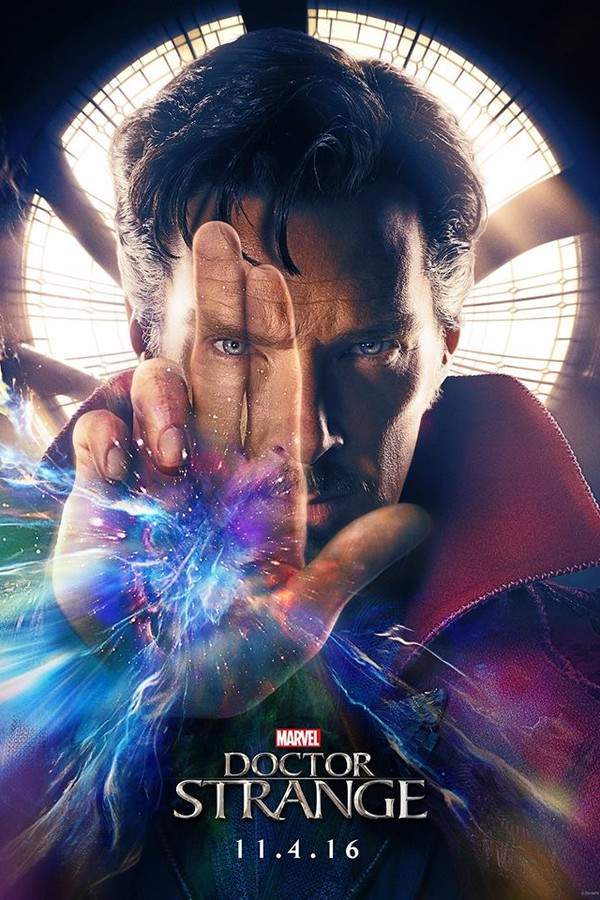
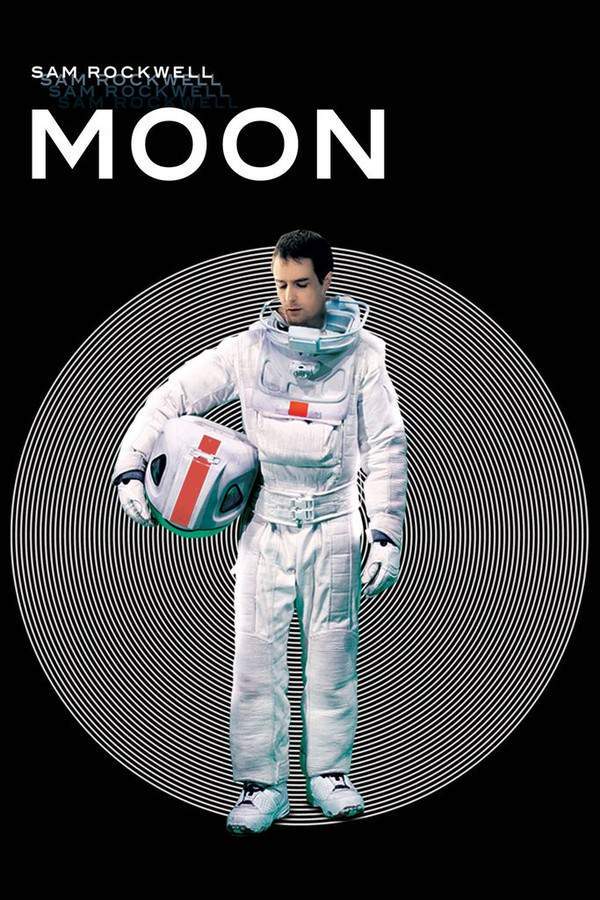
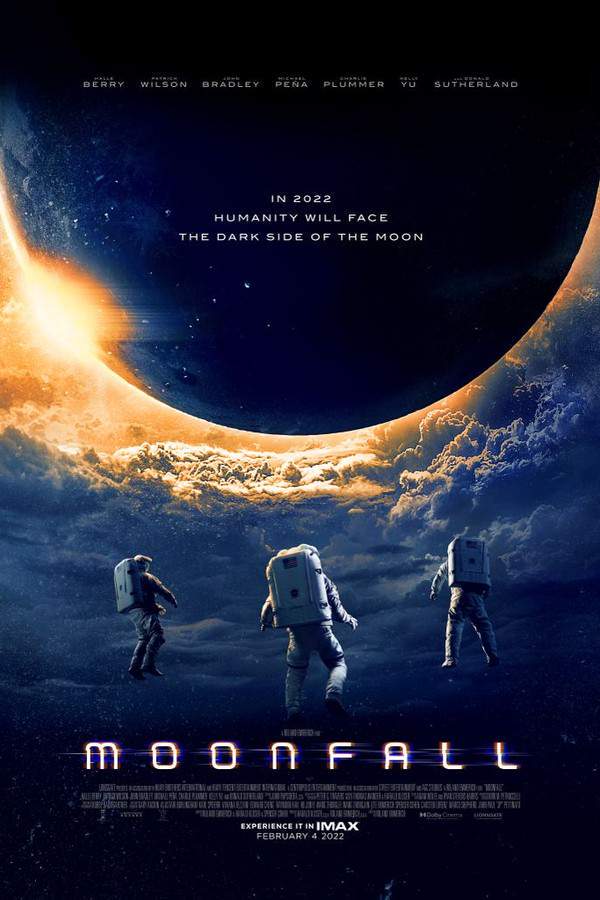
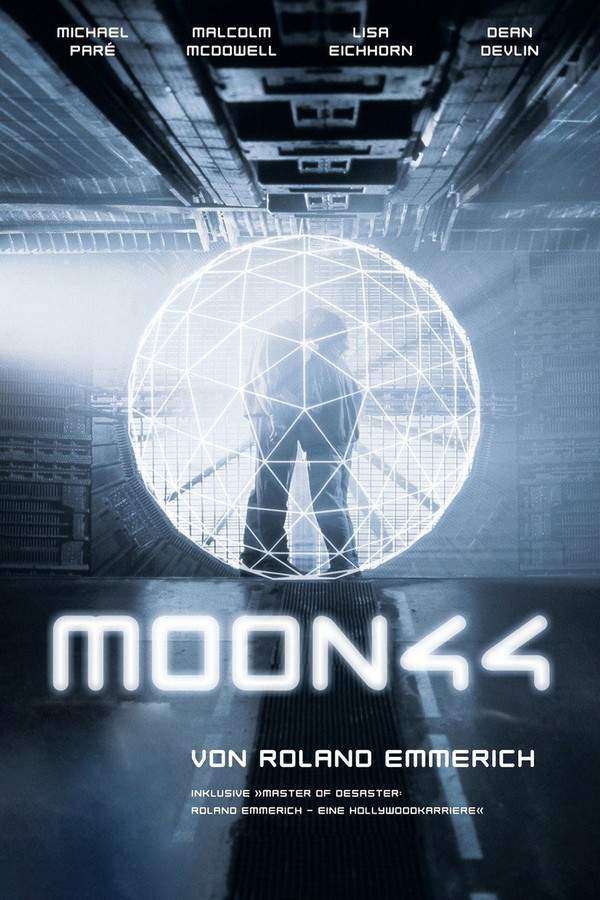


Featured on this page

What's After the Movie?
Not sure whether to stay after the credits? Find out!
Check out our other apps:

SAT Sphere
Build confidence for the Digital SAT.

Mori Atlas
Discover wild places worth protecting.

Luntero
Search smarter for a home in Amsterdam.

Plot Explained
Unravel movie endings and hidden clues.

Pokechamp
Dive into Pokémon data and battle logic.

Driving Theory
Get ready for your European theory test.

Movie Dust
Plan your next cinema trip with ease.

Musemap
Find art and culture as you travel.

Selkobase
Compare credentials before committing.

Local Manual
Turn an unfamiliar country into practical next steps.

Lernavi
Compare school systems before your next move.

GymRoam
Find a workout stop wherever your plans take you.
Explore Our Movie Platform
New Movie Releases (2026)
Famous Movie Actors
Top Film Production Studios
Movie Plot Summaries & Endings
Major Movie Awards & Winners
Best Concert Films & Music Documentaries
Movie Collections and Curated Lists
© 2026 What's After the Movie. All rights reserved.
Privacy Policy