What Happens in MLK/FBI?
The complete story of MLK/FBI, from the first scene to the last, in 174 words (about 1 minute). Spoilers throughout.
Spoilers ahead
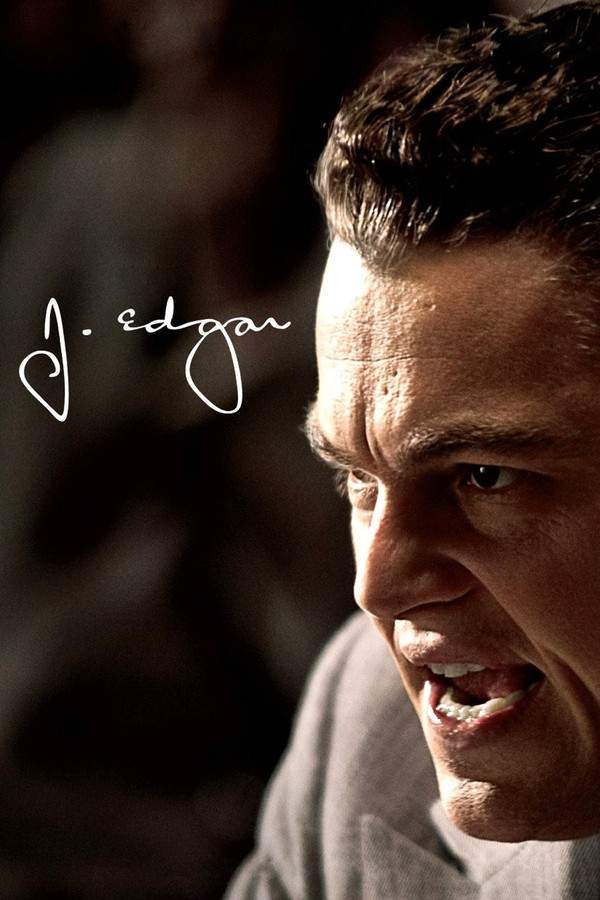
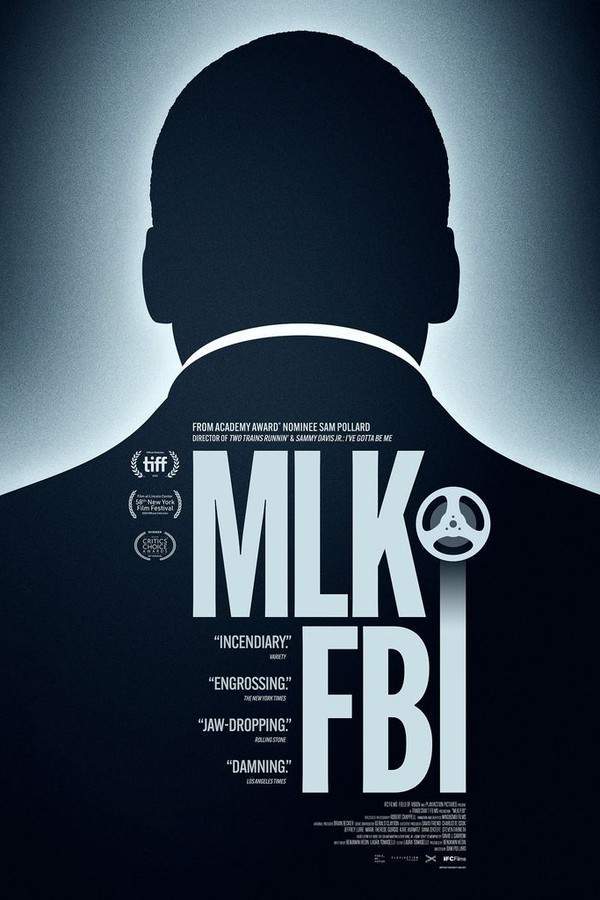
This documentary examines the systematic investigation and harassment of Martin Luther King Jr. conducted by J. Edgar Hoover and the FBI. Utilizing newly declassified documents, the film delves into the bureau’s targeted attempts to discredit King by gathering recordings and images of his private sexual encounters, aiming to undermine his leadership within the growing civil rights movement.
The narrative is presented largely in chronological order, utilizing extensive archival footage from 1955 to 1968. It highlights the visual contrast between the predominantly white FBI agents and the massive crowds of Black supporters surrounding King. To provide depth, the film features interviews with several experts and figures, including Beverly Gage, David J. Garrow, Andrew Young, Donna Murch, James Comey, Clarence Jones, Charles Knox, and Marc Perrusquia, most of whom contribute via voiceover.
While the film does not reveal new evidence regarding King’s assassination, it concludes with a significant observation: not all FBI records have been released. The documentary notes that the complete record is expected to be declassified and made available to the public in 2027.
MLK/FBI Timeline: Every Key Event in Order
12 key events in the order they happen, from “The Film Opens on Declassified FBI Files” to “The Full Record Declassified in 2027”.
- 1
The Film Opens on Declassified FBI Files
The documentary introduces its central subject: the investigation and harassment of Martin Luther King Jr. by FBI director J. Edgar Hoover. Newly declassified documents form the backbone of the film's account, shedding light on a campaign that remained hidden for decades.
- 2
Archival Footage Traces King's Activist Years
The film draws heavily on archival footage covering the years of King's work as a civil rights activist between 1955 and 1968. It establishes King as the central figure of a movement that was steadily gaining momentum across the United States.
When:1955 Where:United States
- 3
A Movement Gains Momentum
King's status within the civil rights movement for Black people in the United States continues to grow. The film shows the many crowds of Black people assembling around him, a powerful image of the movement's strength and reach.
- 4
Hoover and the FBI Set Their Sights on King
J. Edgar Hoover and the Federal Bureau of Investigation begin their campaign against King. The film explores how the agency's interest in the civil rights leader grew into a sustained effort of investigation and harassment.
- 5
The FBI Collects Recordings of King's Private Life
The FBI sets out to collect recordings and images of King's private sexual life with women other than his wife. This surveillance material becomes the core of the agency's effort against him, documenting his most personal moments.
- 6
A Campaign to Discredit King
The collected material is intended to denigrate King's standing within the civil rights movement. The film shows how Hoover sought to use King's private life to undermine his public leadership and the movement he represented.
- 7
A Stark Contrast: White FBI, Black Crowds
The documentary emphasizes the striking contrast between the thoroughly white complexion of the FBI and the many crowds of Black people gathered around King. The imagery underlines the racial dynamics at the heart of the conflict between the two sides.
- 8
Interviews Guide the Story as Voiceover
Interviews with Beverly Gage, David J. Garrow, Andrew Young, Donna Murch, James Comey, Clarence Jones, Charles Knox, and Marc Perrusquia run throughout the film. They are presented largely as voiceover, providing historical context and firsthand perspective on the events.
- 9
A Chronological Journey Through King's Final Years
The documentary proceeds largely chronologically, following a young MLK from 1963 onward. The archival footage captures the years in which his activism was at its height while the FBI's campaign against him intensified.
When:1963
- 10
1968: The Assassination of Martin Luther King Jr.
The chronological account reaches King's assassination in 1968, closing the arc of his life as an activist. Notably, the documentary reveals no new information about the assassination itself.
When:1968
- 11
The Interviewees Step Before the Camera
At the end of the film, some of the interviewees briefly appear on camera after being heard mostly as voiceover. The moment gives faces to the historians, officials, and civil rights figures who guided the narrative.
- 12
The Full Record Declassified in 2027
The final sequence makes the statement that not all FBI documents related to King have been declassified. According to the film, the whole record will be declassified and made available to the public in 2027.
When:2027
Quiz
How well do you remember MLK/FBI? Test yourself on the story.