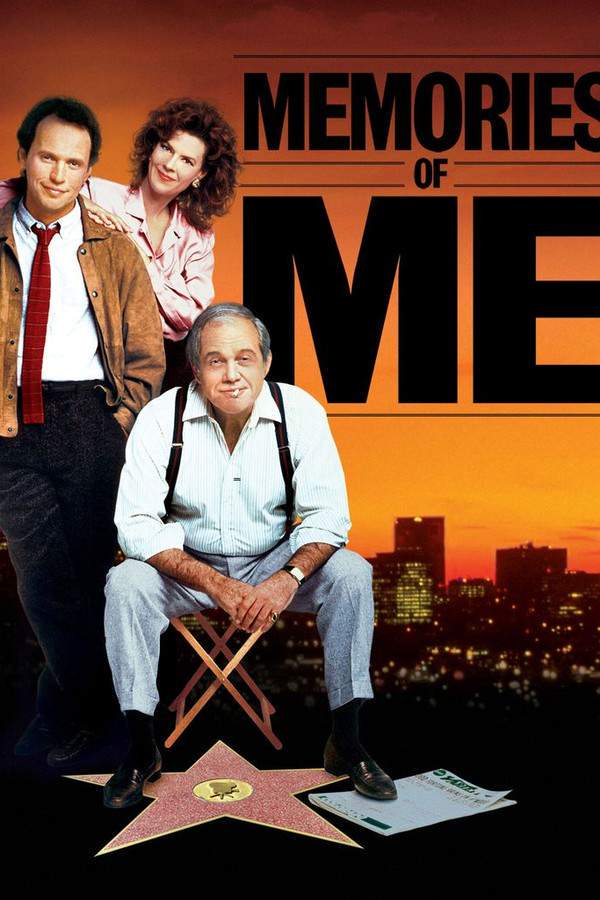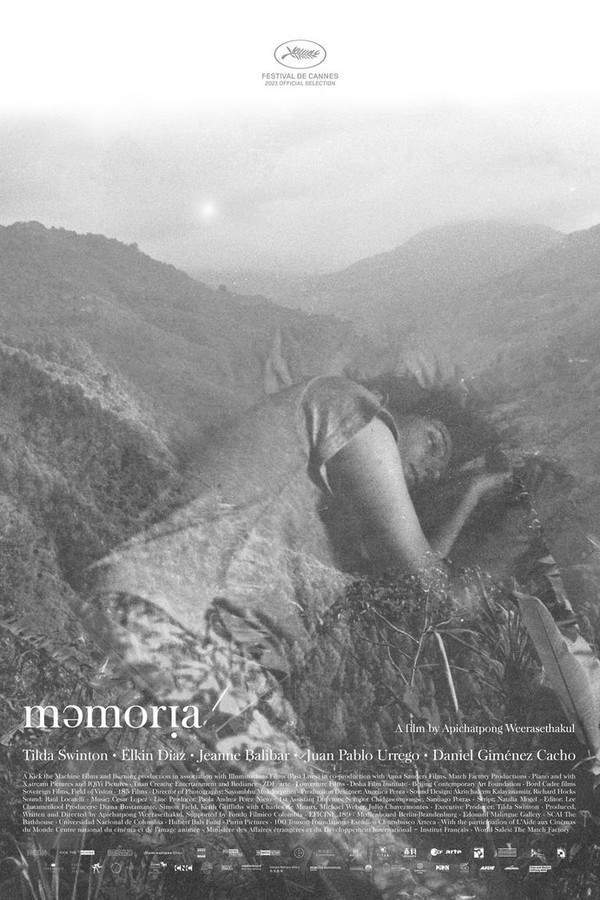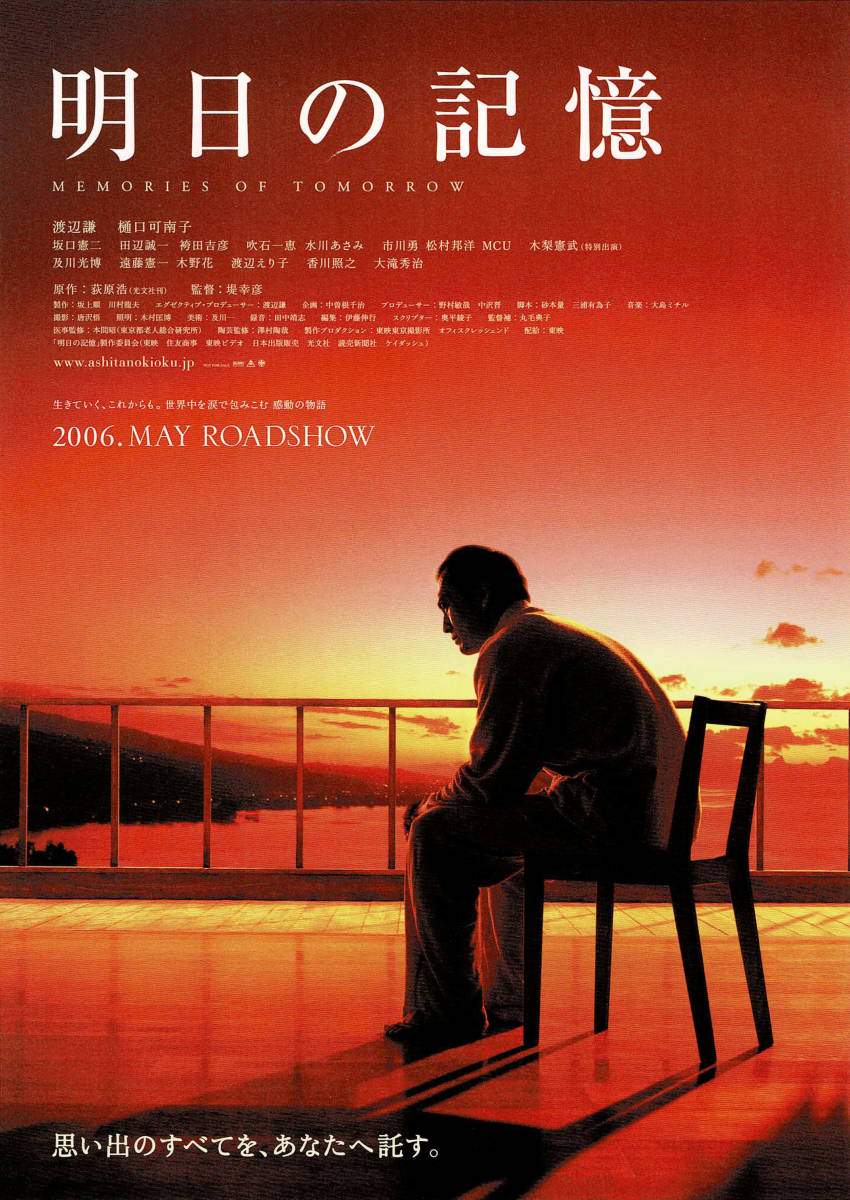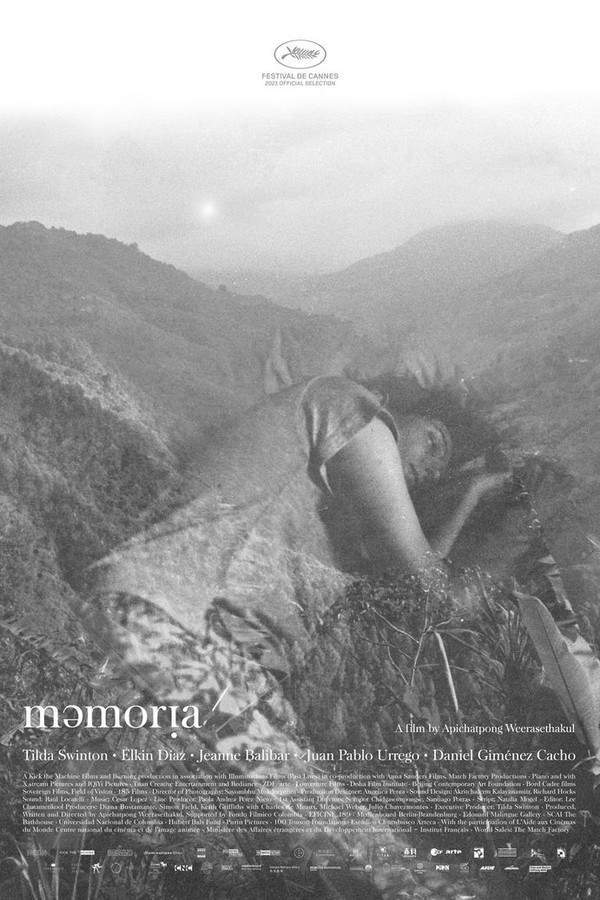
What Is Memoria About?
The premise of Memoria in 302 words, with nothing given away. The full story and the ending follow below.
In the sun‑washed suburbs of Palo Alto, California, adolescence hangs in a delicate balance between quiet ambition and the restless search for identity. The town’s gentle rhythm masks the undercurrents of teenage uncertainty, creating a backdrop where everyday moments feel both ordinary and richly charged with possibility.
Ivan Cohen stands at the center of this world, caught between two families that offer contrasting shades of belonging. His mother, a Russian immigrant, holds onto memories of a distant homeland, while his American step‑father struggles to bridge the gap that separates them. As a young man defined by surface details—a blonde mop of hair, a pale complexion, a faded army jacket—Ivan wrestles with an internal sense of invisibility that fuels a quiet yearning for something more tangible than the labels that cling to him.
Within the halls of high school, Ivan drifts into a modest circle of peers, forming tentative bonds that shimmer with the promise of camaraderie. A budding connection with Nina hints at the fragile nature of first love, while the presence of Alex and his girlfriend Kelly adds a subtle thread of rivalry and admiration. Amid the swirl of parties and classrooms, a caring teacher, Mr. Wyckoff, offers a gentle invitation to explore his inner life, suggesting that words might become a lifeline in a world that often feels opaque.
The film’s tone is introspective and gently observant, painting teenage angst with a blend of melancholy and faint optimism. It captures the texture of growing up—moments of awkward intimacy, the pull of unspoken dreams, and the quiet pursuit of a horizon that feels both near and impossibly distant. Through Ivan’s eyes, we glimpse a portrait of youth that is as specific as it is universal, inviting viewers to linger on the spaces between who we are and who we might become.
What Happens in Memoria?
The complete story of Memoria, from the first scene to the last, in 535 words (about 2 minutes). Spoilers throughout.
Spoilers ahead
Ivan Cohen grows up in Palo Alto, a city that frames his early years with a quiet sense of distance. His home life is split between his mother, who is a Russian immigrant, and a American step-father who struggles to form any real connection with him. From the start, Ivan feels unseen beyond the surface markers people notice: his blonde hair, pale skin, and the Russian army jacket that once belonged to his father. These details seem to define him more than any attempts at warmth or understanding, leaving him with a lingering sense of dissatisfaction about his childhood.
As he enters adolescence, Ivan drifts into a small circle of working-class slackers. He stands more as a follower than a leader within the group, though a tentative bond begins to form with a girl named Nina. A thread of jealousy runs through his relationship with another friend, Alex, who is dating a pretty girl named Kelly. This trio remains tangled in high school life, with Ivan observing the couple and feeling both drawn to and resentful of their closeness.
One night, after the group experiments with acid, a minor car incident shakes him. A caring yet cautious teacher, Mr. Wyckoff, notices Ivan’s struggles and reaches out, hoping to coax him toward opening up. Ivan resists at first, but a suggested writing assignment becomes a beacon of possibility. He crafts a fantasy about life after high school in San Francisco—a future that looks modest and perhaps limiting, yet somehow forms a genuine horizon that he clings to as a form of escape and aspiration.
High school parties become a crucible where Ivan’s inner turmoil comes to a head. At the end-of-year gathering, he finds Nina and is met with an offhand joke about a future that could include him in a bank-robbing, mansion-dwelling life with her, a notion that briefly rekindles his hope. He attempts to kiss Nina, only to be gently rebuffed; she insists their friendship remains firmly in place. The night becomes more harrowing when he stumbles upon a bedroom scene where two people are having sex and another room where someone is passed out in vomit. The chaos unsettles him, and in a moment of escalating anger he heads downstairs for alcohol, is accused of stealing it, and is punched by a fellow teen.
The culmination of these pressures drives Ivan to a desperate act. He returns home, grabs his step-father’s hunting rifle, and drives back to the party intent on releasing his fury. Yet when he arrives, the house is quiet except for a few passed-out kids, and there is no one to confront or confront him in the way he expects. He slips back home, entering his parents’ bedroom where they sleep, wrestling with the impulse to kill his step-father. In the end, nerves fail him, and the act never occurs.
The film closes with a stark image that lingers: Ivan stands on the Golden Gate Bridge, looking out over the expanse, and leaves his father’s jacket behind on the bridge. The gesture captures the weight of his unresolved anger, the distance he feels from his family, and the uncertain path that lies ahead beyond the safety of his familiar surroundings.
Memoria Timeline: Every Key Event in Order
13 key events in the order they happen, from “Ivan's childhood in Palo Alto” to “Ending on the Golden Gate Bridge”. 13 events name a place, across 9 locations.
- 1
Ivan's childhood in Palo Alto
Ivan grows up in Palo Alto with his Russian immigrant mother and an American stepfather who can't seem to connect with him. He feels unsatisfied and isolated, and others notice his distinctive blonde hair, pale skin, and the Russian army jacket from his father.
When:childhood Where:Palo Alto, California
- 2
Family tensions shape his early identity
His stepfather's inability to build a bond deepens the distance between them. The combination of family strain and his distinctive look marks his early sense of alienation.
When:early adolescence Where:Palo Alto, California
- 3
Teenage life with Nina and jealousy toward Alex
As a teen, Ivan drifts with a group of working-class slacker friends, feeling alienated even as a connection forms with Nina. He grows jealous of Alex's relationship with Kelly, fueling a sense of insecurity.
When:teenage years Where:Palo Alto / local area
- 4
High school social dynamic
In high school, Ivan remains a follower within the group, not breaking from the mold that keeps him dissatisfied. He shows little motivation to change his position.
When:high school Where:High school
- 5
Acid night and a car accident
The group of friends takes acid one night and drives around, culminating in a minor car accident that seems to involve hitting an animal. The incident unsettles Ivan and foreshadows his escalating unrest.
When:high school night Where:On the road near town
- 6
Mr. Wyckoff reaches out
Mr. Wyckoff, a concerned high school teacher, notices Ivan's struggles and tries to get him to open up. He offers a writing assignment as a pathway to expression, hoping to spark some insight.
When:high school Where:School
- 7
The writing assignment reveals his inner fantasy
Ivan completes the assignment with a story about his future life after high school in San Francisco, revealing low aspirations but a stubborn pull toward a different dream. The exercise exposes the tension between his reality and longing.
When:high school Where:School
- 8
End-of-high-school party and Nina's ambition
At the end-of-high-school party, Nina jokes that she wants to rob banks, live in mansions, and invites Ivan to join her. He sees this as a chance to get closer to her and tries to kiss her, but she rejects him, insisting they are only friends.
When:end of high school Where:End-of-high-school party location
- 9
The party chaos deepens
During the same party, Ivan walks in on a couple having sex in a bedroom and then watches someone passed out in vomit in another room. The chaotic scene amplifies his sense of disillusionment and danger.
When:late high school / party night Where:End-of-high-school party location
- 10
Alcohol theft and confrontation
Back downstairs, a teen accuses Ivan of stealing alcohol and punches him. The fight intensifies his anger and sense of injustice.
When:late high school / night Where:End-of-high-school party location
Show the other 3 events of Memoria Hide the last 3 events
- 11
Return home and arm his plan
After the brutal night, Ivan drives home, grabs his stepfather's hunting rifle, and heads back to the party with the intent to shoot it up. He seeks a release for his mounting rage when the targets are present.
When:late night Where:Drive to party and back to party
- 12
Cannot find a target and contemplates violence at home
When he arrives, there is no one suitable to attack, so he returns home and sneaks into his parents' room planning to kill his stepfather, but his nerves prevent him from acting.
When:late night Where:Ivan's home
- 13
Ending on the Golden Gate Bridge
The film ends with Ivan standing on the Golden Gate Bridge, gazing out at the water while leaving his father's jacket behind on the bridge.
When:ending Where:Golden Gate Bridge, San Francisco
Who Are the Main Characters in Memoria?
6 characters, among them Ivan Cohen, Mother (Russian immigrant) and Step-father: who each one is and the part they play in the story.
- IC
Ivan Cohen
A young boy and later teen who feels alienated within his own family and social circles. He is introspective, insecure about his place in the world, and easily influenced by his friends. His yearning for connection clashes with a restless, unsettled mood that grows louder as he nears adulthood.
- 👦 Teen protagonist
- 🧭 Identity
- 🏡 Family dynamics
- 😟 Alienation
- M(
Mother (Russian immigrant)
A loving yet distant figure who embodies the immigrant experience and cultural displacement. Her relationship with Ivan is influenced by language barriers and generational differences, contributing to Ivan's sense of isolation at home.
- 👩 Immigrant mother
- 🏡 Family
- 🗣️ Communication gap
- S
Step-father
A man trying to connect with Ivan but often failing to bridge the emotional gap. His presence highlights the competing loyalties and tensions within the family unit, especially as Ivan struggles to find a male role model.
- 🧔 Stepfather
- 🏠 Family dynamics
- 😕 Tension
- N
Nina
A close friend who represents a potential source of genuine connection for Ivan. Their evolving dynamic reveals both friendship and underlying romantic tension, contrasting with Ivan's awkward attempts to secure his place in their crowd.
- 👧 Friend
- 👫 Connection
- ✨ Desire vs reality
- A
Alex
Another member of Ivan's circle, whose relationship with Nina and his own life choices influence the group dynamics. He serves as a foil to Ivan's insecurities and acts as a catalyst for some of Ivan's pivotal decisions.
- 👦 Friend
- 👫 Peer influence
- 🔄 Rivalry
- MW
Mr. Wyckoff
A concerned high school teacher who pushes Ivan to open up, offering a spark of guidance through a meaningful writing assignment that hints at a more hopeful future, if Ivan can accept help.
- 👨🏫 Teacher
- 🗣️ Guidance
- 🧭 Support
Where and When Is Memoria Set?
Memoria is set in Palo Alto, California, San Francisco, California and Golden Gate Bridge. Here is why the place matters to the story.
When
The narrative unfolds across late adolescence, tracing the character's progression from childhood into his teenage years. It centers on high school social dynamics, late-night parties, and moments of intense frustration. The time frame suggests a contemporary setting within suburban youth culture.
Where
Palo Alto, California; San Francisco, California; Golden Gate Bridge
Set in the suburban landscape of Palo Alto, the film follows a troubled teen amid a split family. The city backdrop highlights a contrast between affluence and inner turmoil. Key scenes move from the home to high-school settings and finally to the Golden Gate Bridge, symbolizing departure. The local environment shapes mood, social dynamics, and the choices the protagonist confronts.
- 👨👩👧👦 Suburban milieu
- 🗺️ Immigrant background
- 🧭 Identity exploration
- 🎒 Youth culture
What Are the Themes of Memoria?
4 ideas the story keeps returning to, among them Identity, Longing and Violence.
-
01
Identity
Ivan struggles to reconcile his Russian heritage with his American upbringing, creating a fragile sense of self. Throughout the story, he experiments with roles within his friend group and family, seeking belonging. External signs, like his jacket and appearance, influence how others perceive him, intensifying his self-doubt.
-
02
Longing
Ivan yearns for deeper connections, especially with Nina, and envisions a life beyond his immediate circle. His fantasies about San Francisco reveal a desire for independence and a different path. The narrative uses bridges and cityscapes as symbols of escape and possibility.
-
03
Violence
The story builds a tension around uncontrolled anger, culminating in Ivan's impulsive attempt to shoot up a party. The event exposes the consequences of bottled aggression and the fragility of his relationships. The aftermath prompts a reckoning with whether violence can ever realign his sense of belonging.
-
04
Family
Family dynamics—immigrant mother, a distant step-father, and a longing for parental connection—drive Ivan's emotional landscape. The strain of trying to fit into two worlds strains the household and shapes his actions. The ending, with the jacket left on the bridge, marks a difficult, irreversible moment of departure from his upbringing.
How Does Memoria End?
The last act of Memoria and what it means, in 223 words. The ending lands as ambiguous. Big spoilers: read the plot summary first if you have not seen it.
The final act, in full
Jessica’s journey in “Memoria” leads her to a revelation about the nature of her reality and herself. Throughout the film, she experiences strange noises and disjointed memories that blur the line between what is real and what is imagined. Her encounters, especially with the man who claims he remembers everything, suggest a deeper connection to a universe where time and memory are fluid. When Jessica reaches the house in the forest and converses with this man, she begins to remember her own childhood and, surprisingly, sees an alien spaceship fly away into the sky, symbolizing a bridge between the human experience and cosmic or otherworldly realms. This ending suggests that Jessica’s perception of reality may be more expansive and interconnected than she initially believed. It is possible that she is losing her grip on conventional reality, or perhaps she is awakening to a higher understanding of existence beyond linear time. In true Apichatpong style, the film leaves many questions unanswered, emphasizing the subjective nature of memory, the universe, and consciousness. The sonic boom, the disjointed memories, and the surreal imagery all point toward a realm where human understanding is limited, and true knowing might be beyond what the mind can grasp. Ultimately, the film invites viewers to reflect on the mysterious, interconnected fabric of reality and the obscure depths of memory and consciousness.
What Kind of Film Is Memoria?
Melancholic in tone, with slow pacing and a straightforward story, going by the plot summary.
- Tone
- Melancholic
- Pacing
- Slow
- Story
- Straightforward
- Intensity
- Medium
- Ending
- Ambiguous
A slow, melancholic, and atmospheric coming-of-age story that immerses the viewer in the protagonist's deep sense of alienation, loneliness, and unresolved anger within a fractured suburban life.
- melancholic
- lonely
- alienated
- angst-ridden
- introspective
- dissatisfied
- coming of age
- family dysfunction
- unrequited love
- adolescent angst
Content notes: psychological distress, teenage drug use, contemplation of violence.
Quiz
How well do you remember Memoria? Test yourself on the story.