
Mary, Mary 1963

Directed by
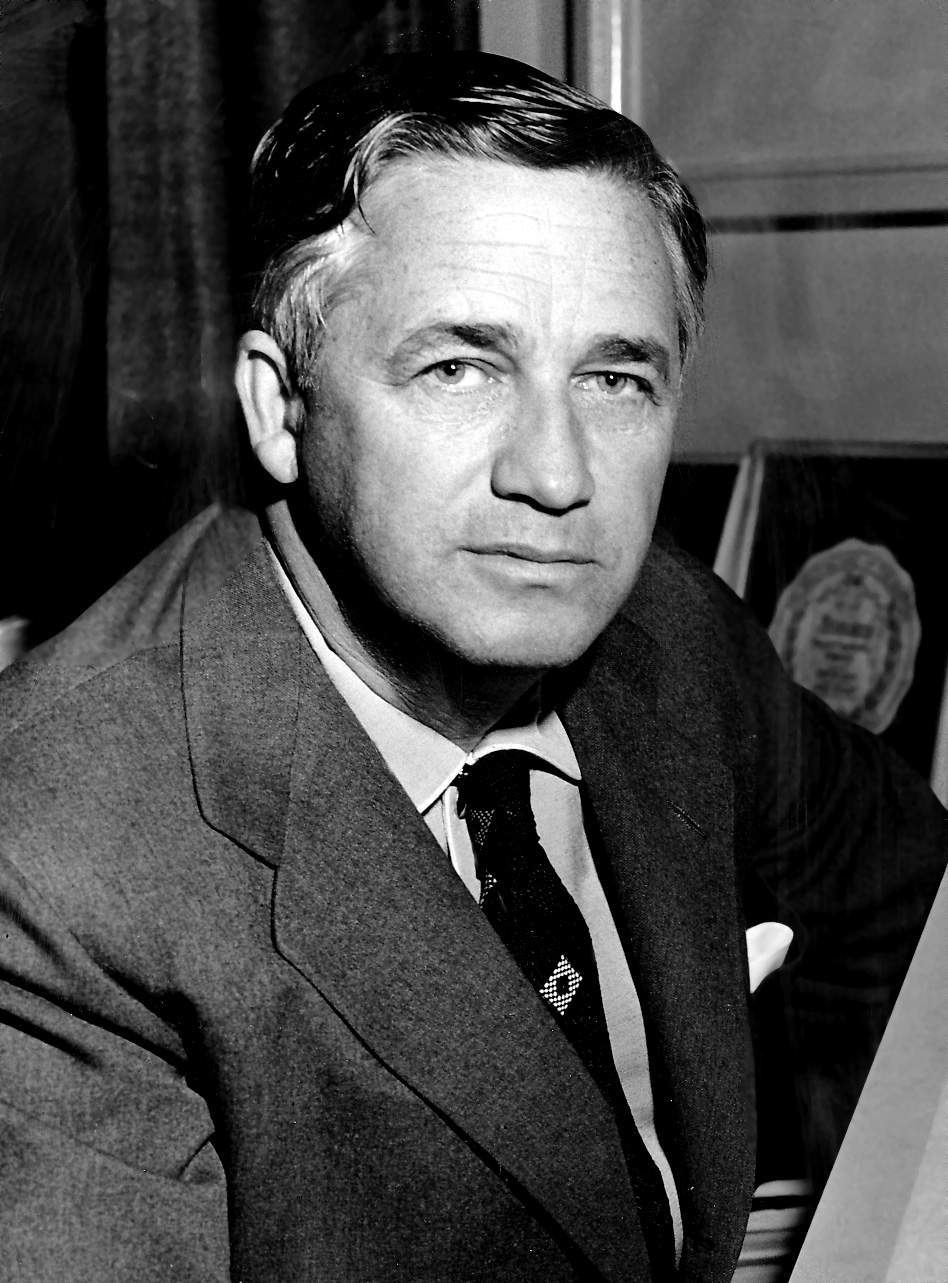
Mervyn LeRoy
Made by

Warner Bros. Pictures
Mary, Mary Plot Summary
Read the complete plot summary and ending explained for Mary, Mary (1963). From turning points to emotional moments, uncover what really happened and why it matters.
Bob McKellaway, a successful publisher, finds himself entangled in a mounting mess when the Internal Revenue Service questions several of his deductions. He cannot recall what the $5,000 worth of checks were for, and with no access to the records, the situation grows tense. His friend and tax lawyer, Oscar Nelson, steps in and asks Mary McKelloway to come help identify which expenses are legitimate. Bob is reluctant to see his soon-to-be-ex-wife, and he certainly doesn’t want his young fiancée, Tiffany Richards, to meet her. At the heart of the friction is whether the publishing business can sustain Tiffany’s glamorous lifestyle, raising questions about money, pride, and who truly understands Bob.
Mary arrives with a makeover that makes her look stunning, but the reunion quickly stirs old tensions. Bob resents Mary’s sharp, sarcastic humor just as she notices the same old rifts that once pulled them apart. Around them, the emotional weather is shifting: Mary’s confidence contrasts with Bob’s insistence on logic, even as he wrestles with jealousy and insecurity. The couple’s friction is complicated by a new dynamic: Dirk Winston, a middle‑aged movie star, has a memoir in motion and a tempting proposal. Dirk’s lighthearted flippancy masks a sharper question about motive, as he toys with the idea that publishing the memoir could ease Bob’s alimony burden by marrying Mary. Dirk Winston slyly tests Bob’s suspicions by insinuating his own interest in Mary.
When Dirk pursues a date with Mary, Bob accuses him of mercenary motive, while Dirk questions Bob’s jealousy and the reasons behind his protectiveness. The tension shifts from business to romance, and Mary begins to feel the sting of insecurity that has haunted her past with Bob. Dirk’s charm offers a moment of escape for Mary, who is at a crossroads between what she wants and what logic dictates. The two navigate the uneasy balance of attraction and propriety, with Dirk openly acknowledging Mary’s importance while probing the fragility of Bob’s hold on their marriage.
A snowstorm then wrecks Bob and Tiffany’s planned weekend getaway, forcing Bob back to his apartment for the night. Tiffany’s own presence adds another layer to the drama as Bob confronts questions about the durability of their relationship. Mary also ends up staying, since Bob was supposed to be away with Tiffany. In a candid exchange, Mary challenges Bob’s tendency to rely on rational explanations even when human feelings defy logic. She reminds him of past misunderstandings—moments when he left her without a clear explanation after intimacy—revealing that both of them harbor doubts about the other’s true feelings. Their exchange exposes shared vulnerability and the realization that their marriage, though tested, has not entirely collapsed.
The next morning brings a tense moment when Tiffany and Mary meet. Tiffany notes the absence of real trust between them, yet she remains willing to marry Bob. In a moment of weakness and fear, Bob, trying to shield himself from the risk of losing both women, takes several sleeping pills, mistaking them for vitamins. Tiffany, sensing danger and seeking help, heads to the pharmacy for an antidote. This crisis jolts Bob into reconsidering the stability of his life with Tiffany, and he begins to see that his insistence on practicality may be masking deeper emotions and a need for genuine connection.
As the day unfolds, Bob wrestles with whether he should pursue a pragmatic, two‑marriage plan or confront the uncomfortable truth about his love for Mary. He decides that staying married to Mary could be preferable to an endless cycle of alimony and divorce, acknowledging that they know each other’s foibles and have learned to tolerate, even value, one another’s flaws. When Dirk arrives to take Mary on her publicity tour, Bob’s actions—locking Mary in a closet and discarding the key—become a dramatic test of his commitment. Mary, calm under pressure, urges Dirk to leave and keep to the schedule, while Tiffany decides to end their engagement, recognizing that Bob’s heart isn’t fully in their arrangement. In a climactic moment of honesty, Mary opens the closet and admits that she could have walked away with Dirk, but Bob’s reckless behavior has shown her how deeply he loves her. With that admission, the couple finds a path back to one another, and Bob drifts to sleep, exhausted by the night’s emotional turmoil and the lingering effects of the sleeping pills.
The film closes on a note of cautious reconciliation: two people who know each other’s flaws and strengths have chosen to stay together, choosing love and practical commitment over fear and pride. The tension between money, fame, romance, and self-worth is resolved not by perfect certainty but by a renewed decision to face the future side by side.
Mary, Mary Timeline
Follow the complete movie timeline of Mary, Mary (1963) with every major event in chronological order. Great for understanding complex plots and story progression.
IRS audit drives Mary into Bob's finances
During an IRS review, Bob cannot recall what the $5,000 in checks were for. His tax lawyer friend Oscar Nelson asks Bob's soon-to-be ex-wife Mary to help identify legitimate business expenses. Bob resents the idea of meeting Mary or his fiancée Tiffany, hoping to avoid the confrontation.
Mary’s makeover sparks old tensions
Mary has had a makeover and looks stunning, but old issues resurface between her and Bob. He resents her sarcasm and the memory of their failed marriage lingers. The couple's dynamic grows more strained as money concerns and trust collide.
Dirk Winston asks Mary on a date
Middle-aged movie star Dirk Winston casually asks Mary on a date, hinting at his interest beyond a business tie. The moment triggers jealousy and concern in Bob, who suspects Dirk's motives. Mary remains uncertain but intrigued by the attention.
Bob accuses Dirk of mercenary motives
Bob bluntly accuses Dirk of exploiting Mary's insecurity to relieve his own alimony burden. The confrontation exposes Bob's fear of losing Mary to glamorous stardom. Mary steps back, weighing Dirk's charm against Bob's doubts.
Dirk invites Mary on the publicity tour
Dirk invites Mary to accompany him on the next day's publicity tour for his film. He senses her unease and paints the trip as a chance to prove her value. Mary hesitates but ultimately agrees to join him.
Snowstorm derails weekend plans
A snowstorm aborts Bob and Tiffany's planned weekend trip, forcing them to return to Bob's apartment. Mary ends up spending the night there as well. The changed plan brings the quartet back into close, tense proximity.
Morning meeting between Tiffany and Mary
The next morning Tiffany and Mary finally meet, and Tiffany notes that the sofa sheets show no sign of sleeping. She suspects Mary and Bob slept together out of habit. The confrontation amplifies underlying insecurities and sets the stage for further conflicts.
Bob takes sleeping pills; antidote sought
During the tense exchange, a groggy Bob takes six sleeping pills, mistaking them for vitamins. Tiffany rushes to find an antidote, alarmed by Bob's vulnerability. The incident unsettles everyone and casts doubt on the engagement.
Stay-married proposal and heated reaction
In a practical but emotionally charged moment, Bob suggests they stay married to avoid a second divorce. Mary is outraged, accusing him of reducing their relationship to logistics. The couple confront the real reasons they stayed connected despite their past issues.
Dirk arrives; Mary locked in the closet
Dirk arrives to pick up Mary for the publicity trip, but Bob locks her in a closet and throws the key out the window to prevent her leaving. Mary pleads with Dirk to leave so they can still keep to the schedule. Tiffany senses the gravity of the moment and ends her engagement with Bob.
Mary escapes and confronts the truth
Mary uses the closet key to escape and tells Dirk she could have left with him, but Bob's stubborn actions have shown how much he truly loves her. She acknowledges the complexity of their relationship and recommits to trying again. The moment cements a new resolve between them.
Reconciliation as night falls
Mary and Bob reconcile as the night settles in, and Bob drifts to sleep exhausted from the upheaval. Their renewed bond feels fragile but hopeful, suggesting they might build a more honest future together. The film closes on a note of tentative, renewed commitment.
Mary, Mary Characters
Explore all characters from Mary, Mary (1963). Get detailed profiles with their roles, arcs, and key relationships explained.
Bob McKellaway (Barry Nelson)
A success-driven husband whose pride and financial worries strain his marriage. He resents Mary’s makeover and uses logical reasons to rationalize staying married, even as insecurity undercuts his ability to love. His impulsive actions, like locking Mary in a closet, reveal both manipulation and fear of losing control.
Mary McKellaway (Debbie Reynolds)
Mary is newly transformed yet emotionally vulnerable, valued for her wit and sarcasm as much as her looks. She challenges Bob's cold practicality, uncovering insecurities and a longing for true partnership. Her decision to re-evaluate their relationship leads to a fragile but hopeful reconciliation.
Dirk Winston (Michael Rennie)
A middle-aged film star who epitomizes showbiz cynicism. He teases Mary with flirtation while exposing Bob's insecurity, and he cynically suggests using marriage to manipulate finances. His role antagonizes the couple, yet also acts as a catalyst for self-reflection.
Tiffany Richards (Diane McBain)
Bob’s young fiancée, a fashionable socialite who represents a different kind of security and entitlement. She suspects lingering feelings between Bob and Mary, but remains willing to marry Bob until the truth about their relationship emerges. Her presence heightens emotional tension and clockwork expectations.
Oscar Nelson (Hiram Sherman)
Bob’s tax lawyer and friend who probes the business deductions, pulling Mary into the financial mystery. His interference accelerates the plot's exploration of money, legitimacy, and loyalty within the fractured marriage.
Mary, Mary Settings
Learn where and when Mary, Mary (1963) takes place. Explore the film’s settings, era, and how they shape the narrative.
Location
Bob's apartment, Restaurant, Film publicity tour locations
The main setting is Bob McKellaway's stylish urban apartment, which serves as the stage for the couple's quarrels and reconciliations. Other scenes unfold in a fashionable restaurant and along a celebrity publicity tour, illustrating a world of money, fashion, and media scrutiny. The settings highlight the film's focus on appearances, gossip, and the fragility of marriage.
Mary, Mary Themes
Discover the main themes in Mary, Mary (1963). Analyze the deeper meanings, emotional layers, and social commentary behind the film.
💍
Marriage
A failing marriage is tested by miscommunication, pride, and the lure of practicality over romance. Bob's jealousy and Mary's insecurity push them toward an uneasy reconciliation rather than a dramatic breakup. The couple learns to navigate love through familiarity and mutual understanding, not perfect harmony.
💬
Reputation
Gossip, celebrity image, and perceived self-worth drive the characters' decisions. Dirk Winston's presence and Mary’s makeover intensify scrutiny and insecurity. The story uses talk and rumors to reveal deeper feelings and the danger of judging by appearances.
💰
Money
Financial concerns are central, from alimony fears to the IRS inquiry into deductions. The pressure of wealth shapes choices and power dynamics between Bob, Mary, and Dirk. The resolution hinges on balancing financial pragmatism with genuine affection.

Coming soon on iOS and Android
The Plot Explained Mobile App
From blockbusters to hidden gems — dive into movie stories anytime, anywhere. Save your favorites, discover plots faster, and never miss a twist again.
Sign up to be the first to know when we launch. Your email stays private — always.
Explore the mobile appMary, Mary Spoiler-Free Summary
Discover the spoiler-free summary of Mary, Mary (1963). Get a concise overview without any spoilers.
In the crisp, business‑savvy world of publishing, a sudden audit forces a reluctant reunion that turns a routine tax review into a combustible mix of wit and lingering affection. The story unfolds against a backdrop of boardrooms, winter‑slick streets, and the ever‑present hum of financial pressure, where every spreadsheet seems to echo personal histories that refuse to stay buried. The tone is sharp‑edged comedy, a “battle of the exes” that flickers between earnest confession and snappy repartee, promising both strategic maneuvering and heartfelt revelation.
At the center of the fray is Bob McKellaway, a confident publisher whose pragmatic mind is suddenly tangled in questions of legitimacy and past indulgences. Across the table sits his ex‑wife, Mary McKelloway, whose fresh makeover and dry humor ignite the old chemistry that never fully faded. Adding to the mix is Tiffany Richards, Bob’s stylish fiancée, whose glamorous expectations clash with the more measured world he inhabits. Guiding the financial labyrinth is Oscar Nelson, a seasoned tax lawyer whose steady counsel provides a rare anchor amid the emotional turbulence. Meanwhile, Dirk Winston, a charismatic middle‑aged movie star with a memoir project, drifts into the periphery, offering a tempting distraction and a mirror for the couple’s insecurities.
The film navigates themes of pride, practicality, and the unspoken economics of love. As the characters hover over invoices and memories, the audience senses a delicate balance between the desire to protect one’s own future and the pull of shared history. The interplay of sarcasm, jealousy, and genuine concern creates a lively rhythm that keeps the stakes both financially and emotionally charged. Viewers are left intrigued by how these intersecting lives will negotiate the fine line between business logic and the irrational forces of the heart.
Movies with Similar Twists and Themes
Uncover films that echo the narrative beats, emotional arcs, or dramatic twists of the one you're exploring. These recommendations are handpicked based on story depth, thematic resonance, and spoiler-worthy moments — perfect for fans who crave more of the same intrigue.




Featured on this page

What's After the Movie?
Not sure whether to stay after the credits? Find out!
Check out our other apps:

SAT Sphere
Build confidence for the Digital SAT.

Mori Atlas
Discover wild places worth protecting.

Luntero
Search smarter for a home in Amsterdam.

Plot Explained
Unravel movie endings and hidden clues.

Pokechamp
Dive into Pokémon data and battle logic.

Driving Theory
Get ready for your European theory test.

Movie Dust
Plan your next cinema trip with ease.

Musemap
Find art and culture as you travel.

Selkobase
Compare credentials before committing.

Local Manual
Turn an unfamiliar country into practical next steps.

Lernavi
Compare school systems before your next move.

GymRoam
Find a workout stop wherever your plans take you.
Explore Our Movie Platform
New Movie Releases (2026)
Famous Movie Actors
Top Film Production Studios
Movie Plot Summaries & Endings
Major Movie Awards & Winners
Best Concert Films & Music Documentaries
Movie Collections and Curated Lists
© 2026 What's After the Movie. All rights reserved.
Privacy Policy