



Maha Nadigan Plot Summary
Read the complete plot summary and ending explained for Maha Nadigan (2004). From turning points to emotional moments, uncover what really happened and why it matters.
Sathya, a sharp but opportunistic junior artiste, grabs a golden chance to act as a hero and quickly twists that break into genuine superstardom. As his fame swells, a powerful force behind the scenes—the corrupt politician and party chief Arivanandham—spots an opening and nudges Sathya toward politics, seeing him as the perfect vehicle to capture the public imagination. Sathya agrees, and his meteoric rise is enough to earn him a place on the political stage as the Chief Minister candidate for a party riding high on his name alone.
When the party wins a brute majority, Sathya ascends to the office of Chief Minister, his popularity giving him immense leverage. Yet power brings a heavy burden. He begins a sweeping crackdown on corruption, jailing ministers—including Arivanandham—and launching aggressive raids on their residences. The political chessboard grows murky, and the narrative shifts, moving into a flashback that reveals the real root of Sathya’s transformation.
In that backstory, Muthu—a diehard fan of Sathya—suffers a brutal blow when a clash between rival actor fans costs him his right hand. The incident leaves a deep mark on Sathya, who discovers the brutal extent of his fans’ devotion and how power can affect those who worship him. This tragedy changes Sathya’s approach to leadership, and he begins to care more personally for the people who stand by him. The bond between Sathya and Muthu grows, grounding Sathya’s later decisions in a sense of responsibility to those who support him.
As the oath-taking ceremony looms, the threat from Arivanandham intensifies. The scheming politician plots to eliminate Sathya by planting bombs in the wedding hall of Muthu’s wedding, an act designed to cripple Sathya’s ascent. Sathya narrowly escapes the blast, but Muthu does not survive. The heartbreak becomes a catalyst for Sathya’s resolve to enact reform and deliver justice in a harsher, more uncompromising way.
Back in the present, Sathya unleashes a program of reform across the government. He dismisses many corrupt ministers and elevates a new generation of leaders who are eager to serve with a cleaner, more dynamic approach. In a symbolic handover, he resigns and names Devika, an IAS officer who has demonstrated extraordinary service, as the Chief Minister. Devika steps into the role, embodying the new direction Sathya set in motion, and walks away as the film closes, leaving the audience with a nuanced meditation on power, loyalty, and reform.
Maha Nadigan Timeline
Follow the complete movie timeline of Maha Nadigan (2004) with every major event in chronological order. Great for understanding complex plots and story progression.
Rise of Sathya to film superstar
Sathya, a sharp but opportunistic junior artiste, lands a chance to act as a hero in a movie and quickly becomes a superstar. His rising fame draws fans and media attention, setting the stage for a possible leap into politics.
Arivanandham recruits Sathya for politics
A corrupt politician Arivanandham, leader of a major party, recognizes Sathya's mass appeal. He pressures and persuades Sathya to contest in the assembly elections, betting on his star power. Sathya agrees to join the political fray.
Sathya becomes CM candidate and wins
Arivanandham’s party gains brute majority due to Sathya’s mass appeal, and Sathya is chosen as the Chief Minister candidate. The election results secure him the post and set the stage for him to govern. His ascent marks a pivotal shift from cinema to state power.
Sathya becomes CM and cracks down on corruption
After winning, Sathya becomes Chief Minister and immediately takes a hard line against corruption. He jails the ministers, including Arivanandham, and orders raids into their houses as part of his crackdown. His unorthodox behavior signals a bold new approach to governance.
Flashback begins: Muthu’s fan clash
The story shifts to a flashback revealing Muthu’s fate as a diehard Sathya fan who loses his right hand in a clash between rival fans. The incident shows the price of mass devotion and leaves a lasting impact on Sathya. It marks the beginning of Sathya's personal transformation.
Sathya’s transformation from fan’s devotion
Witnessing the fan’s devotion, Sathya begins to reflect on his responsibilities as a public figure. He grows more empathetic toward ordinary people and begins to care about those closest to him. The shift signals a new, reform-minded mindset forming in him.
Sathya and Muthu forge a close bond
Sathya develops genuine affection for Muthu, moving beyond a distant celebrity-fan relationship. They become close friends, illustrating Sathya’s growing human concern. This friendship foreshadows the political transformation to come.
Arivanandham plots to kill Sathya
Days before Sathya’s oath-taking ceremony, Arivanandham schemes to kill him to seize power. He plants bombs in the wedding hall of Muthu’s wedding, aiming to eliminate Sathya and destabilize his leadership. The plan underscores the danger binding Sathya’s rise and his supporters.
Sathya escapes the blast; Muthu dies
The assassination attempt unfolds but Sathya narrowly escapes the explosion. Tragically, Muthu dies in the blast, a blow that hardens Sathya and fuels his resolve for revenge. The event dramatically reshapes his approach to leadership.
Revenge transforms into reform
Motivated by the tragedy, Sathya channels his anger into a reformist agenda rather than personal vengeance. He tightens anti-corruption measures and begins implementing governance reforms across the state. This marks the shift from vengeance to constructive change.
Cabinet reshuffle and new generation
Sathya dismisses corrupt ministers and brings in a new generation of leaders. He promotes youngsters and reform-minded officials to renew the government. The cabinet reshaping signals a commitment to cleaner governance.
Sathya resigns and names Devika as successor
Towards the end, Sathya resigns as Chief Minister and names Devika, an IAS officer with a long record of service, to succeed him. He steps away from politics, signaling a new chapter beyond the crucible of power. Devika’s appointment completes Sathya’s personal transformation.
Maha Nadigan Characters
Explore all characters from Maha Nadigan (2004). Get detailed profiles with their roles, arcs, and key relationships explained.
Sathya (Sathyaraj)
A sharp, opportunistic junior artiste who rises to become a populist Chief Minister. His charisma wins elections, but his early cynicism gives way to a reformist impulse after witnessing his fans' devotion and the consequences of political power. He jails corrupt ministers and launches wide-ranging reforms, signaling a complex evolution from self-interest to public service.
Arivanandham (P. Vasu)
A corrupt politician and party leader who manipulates Sathya for personal gain. He orchestrates plots to eliminate rivals and uses elections to entrench his power. His strategic ruthlessness drives the conflict that culminates in his downfall when Sathya turns against him.
Muthu (Manoj Bharathiraja)
A diehard fan of Sathya who loses his right hand in a clash between rival fan groups. His tragedy leaves a lasting mark on Sathya and becomes a catalyst for his transformation. He embodies the devotion and cost of fame within a fan-driven political world.
Devika IAS (Mallika)
An accomplished IAS officer who ends up being appointed Chief Minister after Sathya's resignation. She represents reform-minded bureaucracy and public service as a noble alternative to partisan politics.
Maha Nadigan Settings
Learn where and when Maha Nadigan (2004) takes place. Explore the film’s settings, era, and how they shape the narrative.
Location
Tamil Nadu, India
The film unfolds against the backdrop of Tamil Nadu's cinema-influenced political scene. It centers on a populist film star who rises to Chief Minister through election wins and uses his power to crack down on corruption. The setting highlights the intersection of mass entertainment and state politics in an Indian state known for its political cinema tradition.
Maha Nadigan Themes
Discover the main themes in Maha Nadigan (2004). Analyze the deeper meanings, emotional layers, and social commentary behind the film.
🎭
Power & Politics
The film explores how charisma and populism can propel a cinema star into political power. It shows Sathya's ascent from junior artiste to Chief Minister, and how he uses the platform to root out corruption, only to face the moral costs of power. The narrative links showmanship, public adoration, and the heavy burden of governance. It also questions whether popularity alone can sustain reform.
🕊️
Redemption
A central turning point is the murder of Muthu and Sathya's change of heart. The flashback reveals the price of fans' devotion and the consequences of political power on personal relationships. Sathya shifts from vengeance to governance that serves the people. The theme explores forgiveness, growth, and using power to reform.
🤝
Fan culture
The story frames how fan culture can elevate an entertainer into political authority and how devotion becomes a double-edged sword. The bond between Sathya and Muthu demonstrates loyalty but also highlights the costs of fervent fandom, culminating in tragedy. This theme questions the responsibilities of celebrities who wield public trust. It also shows how leadership can emerge from empathy toward fans rather than mere popularity.

Coming soon on iOS and Android
The Plot Explained Mobile App
From blockbusters to hidden gems — dive into movie stories anytime, anywhere. Save your favorites, discover plots faster, and never miss a twist again.
Sign up to be the first to know when we launch. Your email stays private — always.
Explore the mobile appMaha Nadigan Spoiler-Free Summary
Discover the spoiler-free summary of Maha Nadigan (2004). Get a concise overview without any spoilers.
In the bustling world of Tamil cinema, an unassuming extra discovers that ambition can be just as compelling as talent. Sathya is sharp‑witted, opportunistic, and constantly listening to the whispers of the crowd, using every fleeting moment on set to rewrite his own script. The film industry, with its glittering façades and relentless competition, becomes both a stage and a proving ground, shaping his identity as he inches toward the spotlight.
As his name begins to echo through theater marquees, the same charisma that fuels his on‑screen rise catches the eye of a nascent political movement. The allure of power offers a new kind of script—one written in legislation rather than dialogue. drawn into this arena, he finds the lines between performance and governance blur, prompting a daring decision to trade applause for the weight of public office. The political landscape he steps into is a maze of allegiances and expectations, where celebrity can tip the scales of electoral drama.
Beyond the camera’s glare, Muthu—a fervent admirer—embodies the devotion that fuels Sathya’s ascent, while Devika, an experienced IAS officer, represents the institutional rigor that challenges his unconventional methods. Their interactions hint at a tension between youthful idealism and seasoned bureaucracy, suggesting that any reform will be as much about personal conviction as about navigating entrenched systems.
The film balances satirical wit with earnest drama, painting a portrait of fame’s double‑edged sword. It invites viewers to wonder how far a star can travel when the spotlight shifts from screens to the corridors of power, and whether the same cunning that earned him stardom can reshape a nation’s future.
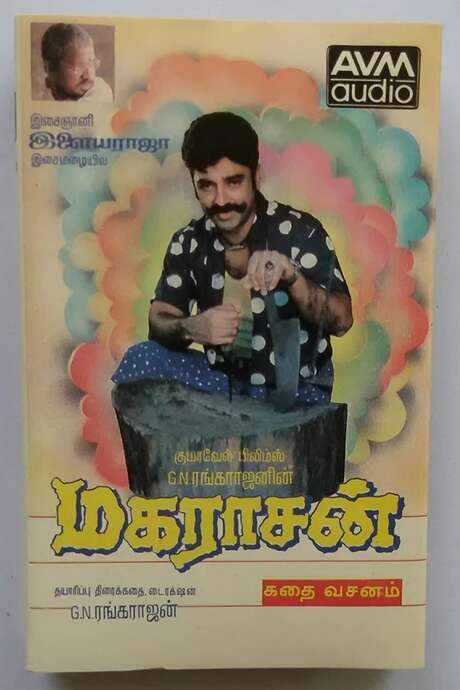
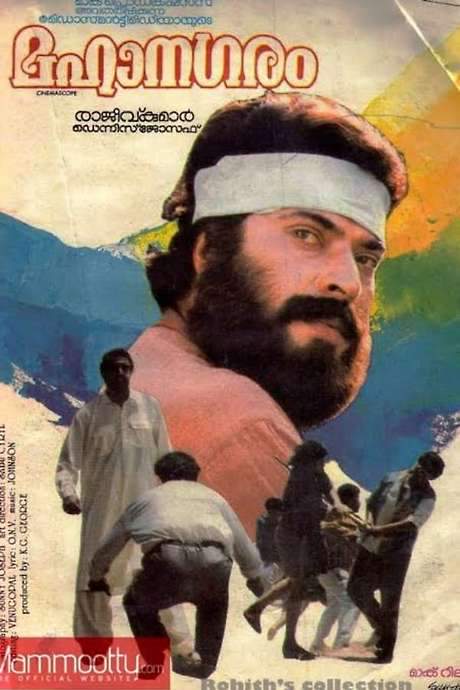
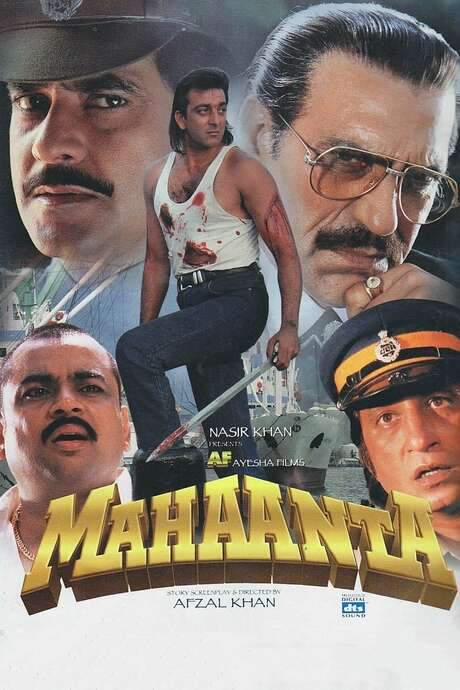
Movies with Similar Twists and Themes
Uncover films that echo the narrative beats, emotional arcs, or dramatic twists of the one you're exploring. These recommendations are handpicked based on story depth, thematic resonance, and spoiler-worthy moments — perfect for fans who crave more of the same intrigue.







Featured on this page

What's After the Movie?
Not sure whether to stay after the credits? Find out!
Check out our other apps:

SAT Sphere
Build confidence for the Digital SAT.

Mori Atlas
Discover wild places worth protecting.

Luntero
Search smarter for a home in Amsterdam.

Plot Explained
Unravel movie endings and hidden clues.

Pokechamp
Dive into Pokémon data and battle logic.

Driving Theory
Get ready for your European theory test.

Movie Dust
Plan your next cinema trip with ease.

Musemap
Find art and culture as you travel.

Selkobase
Compare credentials before committing.

Local Manual
Turn an unfamiliar country into practical next steps.

Lernavi
Compare school systems before your next move.

GymRoam
Find a workout stop wherever your plans take you.
Explore Our Movie Platform
New Movie Releases (2026)
Famous Movie Actors
Top Film Production Studios
Movie Plot Summaries & Endings
Major Movie Awards & Winners
Best Concert Films & Music Documentaries
Movie Collections and Curated Lists
© 2026 What's After the Movie. All rights reserved.
Privacy Policy