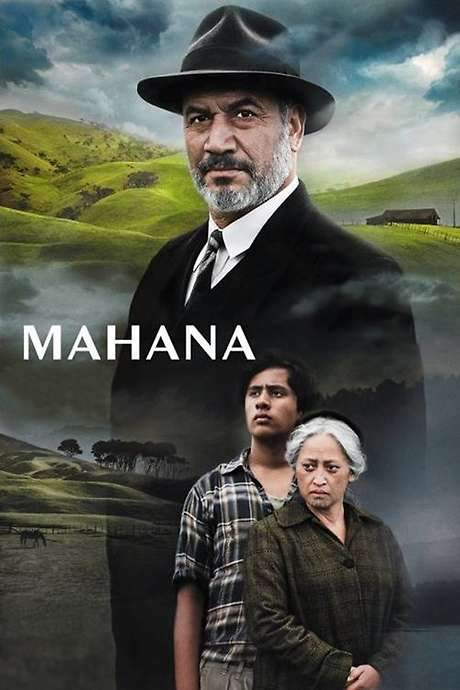
Mahana 2016

Directed by
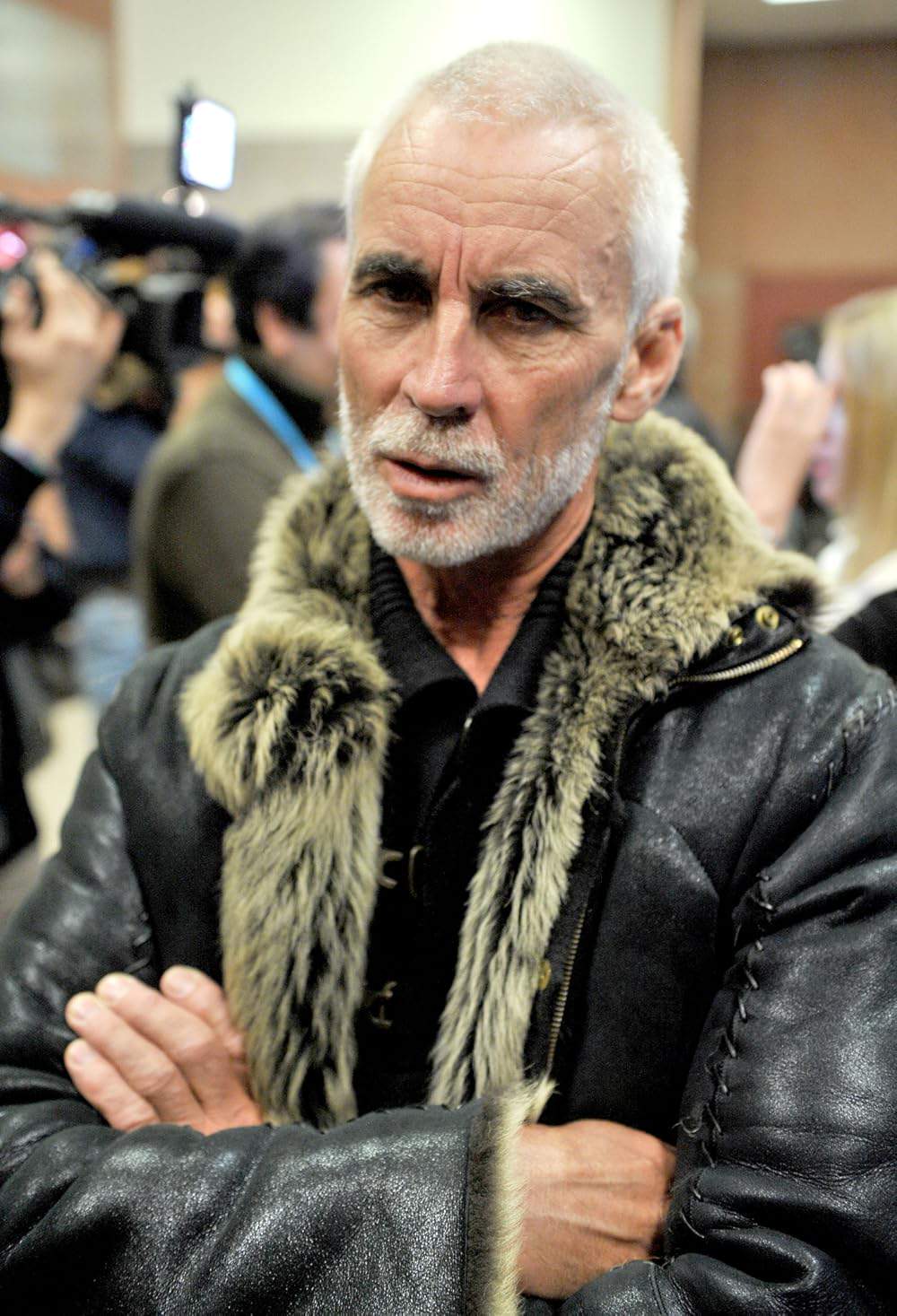
Lee Tamahori
Made by

New Zealand Film Commission
Where to Watch Mahana
See current US streaming, rental, and purchase options for Mahana (2016) via JustWatch.



Streaming availability powered by 
Mahana Plot Summary
Read the complete plot summary and ending explained for Mahana (2016). From turning points to emotional moments, uncover what really happened and why it matters.
In the late 1950s, patriarch Tamihana Mahana, Temuera Morrison heads the Mahana clan, runs their successful sheep-shearing family business in the Gisborne District, and rules the family with an iron fist. En route to the funeral of an important contact, the Mahanas race against long-time rivals the Poatas to the church to secure a contract.
As punishment for snide remarks during the family’s grace, Tamihana assigns grandson Simeon, Jitesh Mahana household chores. While cleaning his grandmother Ramona Nancy Brunning Mahana’s study, he finds a photograph of her and Rupeni Poata. Later, when Simeon shows it to his mother Huria Maria Walker and his aunts, she chides him for digging into family history, insisting Ramona cannot stand Rupeni. Simeon later asks Ramona about the photograph, who avoids talking about it but remarks that
men fight for what they want
The following day, Tamihana tasks Simeon with transporting a slain sheep to a distant shearing station. On the way, he discovers Ramona’s abandoned homestead. At the shearing station, Simeon discovers his grandfather sent him needlessly. When he vents his resentment towards his grandfather, his mother reminds him that Tamihana controls their livelihood.
Tamihana later allows Simeon and his other grandchildren to go to the local cinema to see the Western film 3:10 to Yuma. The screening is disrupted when local youth Mihaera Poata, Paddy Church rides his horse into the theatre.
As chaos erupts, Poppy Poata, Yvonne Porter sneaks a kiss with Simeon. The next day, he and his class take a school trip to the local courthouse. One of the defendants is Mihaera Poata, who gets a two year prison sentence for criminal mischief.
As Simeon’s teacher Mr. McKenzie asks him to address the judge on behalf of the class, Simeon gives a heartfelt speech criticizing Mihaera’s overly harsh punishment and the ban on Māori, rather than simply thanking him for allowing them to witness court proceedings. Outside the courthouse, Simeon’s courage is praised by both his teacher and Rupeni Poata.
Back at the Mahanas, displeased with Simeon for interacting with Rupeni, Tamihana attempts to punish him by forcibly cutting his hair and decreeing the children may no longer attend the cinema. Tamihana disinherits Joshua, Huria, and their children, exiling them from the farm. Ramona intervenes and, over her husband’s protests, bequeaths her house and land to them. Simeon and his family work hard to restore the dilapidated house. Ramona also visits to give moral support. Miriam Miranda Wilson and Pani Eds Eramiha later join his family when they are similarly banished.
One night while trying to repair their leaky roof during a storm, Joshua falls off, breaking his leg. Huria sends Simeon to seek Tamihana’s help. Knowing his hard-hearted grandfather will not come, Simeon instead goes to Rupeni, who outfits Joshua with a Thomas splint.
Joshua’s injury forces Simeon and his family to seek the district’s seasonal shearing contract to make enough money to survive, which usually goes to Tamihana’s crews. This further increases friction between Joshua’s and Tamihana’s families, but Joshua’s family eventually wins it.
Some time later, at the local sheep-shearing competition in which Joshua, Simeon and Pani enter as contestants, Tamihana suddenly falls, and Ramona privately reveals to Simeon that he has terminal bowel cancer. She also divulges the truth behind the Mahana-Poata rivalry: she truly loved Rupeni but Tamihana did not rescue her, but actually raped her so she, becoming pregnant, was forced by the elders to marry him according to the traditions back then.
That night, on his deathbed, Tamihana reaches an understanding with Simeon, giving him a hidden letter; he passes away soon after. During Tamihana’s funeral, the Poata clan, led by Rupeni, arrives unannounced. Simeon prevents a fight from breaking out by revealing the contents of Tamihana’s letter. In it he admits to Ramona’s rape and also reveals the written agreement between Tamihana and Ramona that she could return to Rupeni following his death. After some debate, Ramona defends her grandson, confessing she never loved Tamihana.
The clans reconcile, and Rupeni praises Simeon for bringing them peace. Rupeni and Ramona leave together, and Simeon begins dating Poppy.
Mahana Timeline
Follow the complete movie timeline of Mahana (2016) with every major event in chronological order. Great for understanding complex plots and story progression.
Rise of the Mahana clan
In the late 1950s, Tamihana Mahana rises to lead the Mahana clan and runs their successful sheep shearing business in the Gisborne District with an iron fist. He maintains a tight rein on family decisions and livelihoods to preserve his authority. The opening establishes the economic and social setting that drives the clan's rivalries.
Rally to secure the church contract
On the way to the funeral of an important contact, the Mahanas race against their long-time rivals the Poatas to the church to secure a contract. The competition between the clans underscores a deep-rooted rivalry that fuels later conflict. The outcome foreshadows how business and kinship shape loyalties.
Simeon punished for dinner remark
Tamihana chastises Simeon for snide remarks during the family dinner grace by assigning him heavy household chores. The punishment demonstrates Tamihana's iron grip on the family and tests Simeon's loyalty. The scene sets up resentments that will drive future actions within the Mahana household.
Discovery of Ramona and Rupeni photo
While cleaning Ramona's study, Simeon discovers a photograph of Ramona with Rupeni Poata, hinting at a hidden past between the two families. He shows it to his mother Huria and his aunts, who chide him for digging into family history. The photo hints at secrets that could destabilize the clan's uneasy peace.
Ramona's guarded memory
Simeon asks Ramona about the photograph, but she avoids talking about it. She remarks that men fight for what they want, hinting at the deeper struggles behind the feud. The moment deepens the mystery around Rupeni and Tamihana's past.
Transporting sheep and discovery of abandoned homestead
Tamihana tasks Simeon with transporting a slain sheep to a distant shearing station. On the way, he discovers Ramona's abandoned homestead, signaling years of estrangement and hidden history in the family. The find foreshadows how past deeds affect present loyalties.
Revelation at the distant shearing station
At the distant shearing station, Simeon realizes Tamihana sent him on a purpose that seems needless. His venting is met with Huria's reminder that Tamihana controls the family's livelihood, underscoring the patriarch's power. The moment cements the clash between the old guard and the younger generation.
Cinema outing and disruption
Tamihana allows Simeon and his cousins to go to the local cinema to see 3:10 to Yuma. The screening is interrupted when Mihaere Poata rides his horse into the theatre, triggering chaos. During the disruption, Poppy Poata secretly kisses Simeon, complicating loyalties.
Courthouse visit and Simeon's speech
The next day, Simeon and his class visit the local courthouse, where Māori language restrictions highlight cultural oppression. Mihaere Poata is sentenced to two years for criminal mischief. Simeon delivers a heartfelt speech addressing the judge, criticizing the ban on Māori and the harsh punishment, which earns praise from his teacher and Rupeni Poata.
Disinheritance and Ramona's intervention
Back at the Mahana home, Tamihana punishes Simeon by attempting to cut his hair and decreeing that the children may no longer attend the cinema. Joshua defends him, and Tamihana disinherits Joshua, Huria, and their children from the farm. Ramona intervenes and bequeaths her house and land to them, despite Tamihana's protests.
Banished family joins; Joshua's injury
Ramona's sister Miriam and her partner Pani join Simeon's family as they are banished from the farm. One night, while repairing their leaky roof during a storm, Joshua falls and breaks his leg. The family endures the hardship, trying to rebuild their lives together.
Seasonal contract win
To survive, Simeon's family seeks the district's seasonal sheep-shearing contract, which typically goes to Tamihana's crews. Through hard work and perseverance, they win the contract, signaling a turning point in their fortunes. The win intensifies the feud as both sides re-evaluate power and opportunity.
Revelation at the sheep-shearing competition
At the local sheep-shearing competition, Tamihana suddenly collapses from terminal bowel cancer. Ramona privately tells Simeon the truth about their history: she loved Rupeni, Tamihana raped her, and she was forced to marry him. The revelation reframes the feud and sets the stage for reconciliation.
Deathbed confession and letter
On his deathbed, Tamihana reaches an understanding with Simeon and passes him a hidden letter. He dies soon after, leaving the clan to navigate the consequences of his actions. The letter reveals Tamihana's admission of Ramona's rape and the agreement that Ramona could return to Rupeni after his death.
Funeral confrontation and peace
At Tamihana's funeral, Rupeni's Poata clan arrives unexpectedly, threatening to erupt into violence. Simeon reveals the contents of Tamihana's letter, preventing a fight and exposing the truth behind the feud. Ramona defends her grandson and confesses she never loved Tamihana, clearing the air between families. The clans reconcile, Rupeni praises Simeon for bringing peace, Ramona and Rupeni leave together, and Simeon begins dating Poppy.
Mahana Characters
Explore all characters from Mahana (2016). Get detailed profiles with their roles, arcs, and key relationships explained.
Tamihana Mahana (Temuera Morrison)
A patriarch who runs the Mahana clan’s sheep-shearing business with an iron fist, controlling the family's livelihood and enforcing strict discipline. His hard stance strains ties with his son and grandson, and his terminal illness leads to a deathbed moment that catalyzes final reconciliation through a revealed truth.
Rupeni Poata (Jim Moriarty)
Leader of the Poata clan and longtime rival to the Mahanas. He initially guards his clan’s pride but ultimately recognizes Simeon’s role in bringing peace, praising him for bridging the two families.
Ramona Mahana (Nancy Brunning)
Tamihana’s wife who asserts moral authority within the family. She disinherits no one and later reveals a painful past, ultimately defending her grandson and guiding the family toward reconciliation by supporting Rub? the truth and ensuring her children's safety.
Simeon Mahana
The thoughtful and principled grandson who challenges his grandfather’s authority and acts as a bridge between the two clans. His courage in public speaking and his willingness to uncover hard truths help catalyze a lasting peace.
Poppy Poata (Yvonne Porter)
A young woman who quietly becomes a catalyst for change in Simeon’s life. Their budding relationship marks a hopeful turn as the clans move toward reconciliation.
Huria Mahana (Maria Walker)
Simeon’s mother, who navigates the family’s turmoil with resilience and supports the younger generation as they confront the patriarchal order and seek a better future.
Mihaera Poata (Mihaera Poata)
A member of the Poata youth who disrupts cinema with a reckless stunt, his actions contribute to the day’s tensions and result in a criminal consequence.
Pani
Miriam Mahana’s partner who becomes part of the extended family’s support network, aiding Joshua’s faction during their exile and later reintegration.
Aunt Ruth (Aroha Rawson)
Aunt Ruth offers support and perspective within the family, helping navigate the moral complexities of love, duty, and tradition.
Mr. McKenzie (Fraser Brown)
The local teacher who prompts Simeon to address the judge, highlighting the education system’s role in shaping cultural resistance and empathy.
Judge Hughes (Stephen Lovatt)
The courthouse figure whose proceedings echo the era’s restrictions on Māori language and culture, setting up the moment when Simeon finds a powerful voice.
Minister (Paul Yates)
A representative figure at the social and political layer of the community, reflecting the broader governance context in which the family operates.
Mahana Settings
Learn where and when Mahana (2016) takes place. Explore the film’s settings, era, and how they shape the narrative.
Time period
Late 1950s
The late 1950s provide a backdrop of rigid social codes and strong clan loyalties in rural New Zealand. Public spaces reflect assimilation pressures, such as restrictions on Māori language in courts. This period amplifies conflicts over inheritance, authority, and personal history that drive the characters' choices.
Location
Gisborne District, New Zealand
The story unfolds in the Gisborne District of New Zealand, centered on the Mahana clan and their sheep-shearing business. The community lives among rural homesteads, local cinemas, and a courthouse that frame the clan’s daily life. The setting emphasizes a tight-knit Māori community where land, family honor, and tradition shape decisions and tensions.
Mahana Themes
Discover the main themes in Mahana (2016). Analyze the deeper meanings, emotional layers, and social commentary behind the film.
🏡
Family & Inheritance
Power over livelihood and land drives the Mahana clan’s dynamics as Tamihana’s strict rule creates rifts with his son and grandson. Ramona’s quiet strength challenges patriarchal control by supporting her children and steering the family toward survival. The narrative follows disinheritance, resilience, and the hard work of rebuilding a fractured family.
🪶
Tradition vs Change
Traditional clan codes clash with evolving social norms, including the era’s language and public expectations. Simeon’s courage to speak up in class and his dealings with Rupeni push the clans toward honesty, even when painful secrets surface. The film uses these tensions to explore identity and belonging within a Māori community.
⚖️
Reconciliation
Tamihana’s death and a hidden letter unlock a path to peace between the Mahanas and the Poatas. The revelation of past traumas forces the clans to confront history and choose forgiveness. The conclusion sees Rupeni and Ramona leaving together, while Simeon begins dating Poppy, symbolizing a bridge between generations.

Coming soon on iOS and Android
The Plot Explained Mobile App
From blockbusters to hidden gems — dive into movie stories anytime, anywhere. Save your favorites, discover plots faster, and never miss a twist again.
Sign up to be the first to know when we launch. Your email stays private — always.
Explore the mobile appMahana Spoiler-Free Summary
Discover the spoiler-free summary of Mahana (2016). Get a concise overview without any spoilers.
In the rolling hills of New Zealand’s Gisborne District during the 1960s, two Māori sheep‑shearing families have long lived side by side, their fortunes intertwined with the rhythm of the flock and the stubborn grip of tradition. The Mahanas—proud, hard‑working, and bound by a legacy of rivalry—guard their way of life with a fierce sense of honor, while the neighboring Poatas share the same landscape, their own histories echoing across the same pastures. The film breathes life into this remote, wind‑swept world, where community gatherings, the clang of shearing tools, and the hush of evening bring both comfort and underlying tension.
At the heart of this intergenerational tapestry is Simeon Mahana, a curious fourteen‑year‑old who begins to question the stories handed down by his elders. Raised under the watchful eye of his patriarch Tamihana Mahana, whose authority shapes every family decision, Simeon feels the weight of expectations while yearning to understand the deeper roots of the feud. His mother Huria offers gentle guidance, and his grandmother Ramona Mahana embodies the quiet strength of a woman caught between love and duty, hinting at hidden layers of the past that tug at Simeon’s growing sense of identity.
Around Simeon, the Poata clan moves with its own rhythm. Rupeni Poata, a figure of quiet resilience, carries the dignity of his own lineage, while the youthful energy of Poppy Poata and the restless spirit of Mihaera Poata add texture to the community’s daily life. The local school, the modest cinema, and the ever‑present shearing competition provide a backdrop where traditions are both celebrated and subtly challenged.
The film balances a reverent portrait of rural Māori life with an intimate coming‑of‑age story, inviting viewers to feel the pull of history against the promise of change. As Simeon navigates the expectations of his family and the broader community, the narrative steadies itself in a mood that is at once tender, tense, and richly evocative, leaving the audience eager to discover what truths lie beneath the surface of this tight‑knit world.
Featured on this page

What's After the Movie?
Not sure whether to stay after the credits? Find out!
Check out our other apps:

SAT Sphere
Build confidence for the Digital SAT.

Mori Atlas
Discover wild places worth protecting.

Luntero
Search smarter for a home in Amsterdam.

Plot Explained
Unravel movie endings and hidden clues.

Pokechamp
Dive into Pokémon data and battle logic.

Driving Theory
Get ready for your European theory test.

Movie Dust
Plan your next cinema trip with ease.

Musemap
Find art and culture as you travel.

Selkobase
Compare credentials before committing.

Local Manual
Turn an unfamiliar country into practical next steps.

Lernavi
Compare school systems before your next move.

GymRoam
Find a workout stop wherever your plans take you.
Explore Our Movie Platform
New Movie Releases (2026)
Famous Movie Actors
Top Film Production Studios
Movie Plot Summaries & Endings
Major Movie Awards & Winners
Best Concert Films & Music Documentaries
Movie Collections and Curated Lists
© 2026 What's After the Movie. All rights reserved.
Privacy Policy