

What Is Love Unto Death About?
The premise of Love Unto Death in 250 words, with nothing given away. The full story follows below.
In a muted, contemplative world where academia and quiet companionship shape daily life, a scientist Elisabeth shares a modest, harmonious home with her partner, an archaeologist Simon. Their routine is steeped in curiosity—her laboratory experiments and his careful unearthing of history create a backdrop of gentle intellectual intrigue. The atmosphere feels both intimate and slightly reverent, as if the walls themselves listen to whispered theories and the soft ticking of a clock marks the passage of thoughtful lives.
One night, a sudden seizure shatters that calm. Medical professionals, led by Dr. Rozier, pronounce Simon dead, and the shock of loss reverberates through the couple’s close‑knit circle. In a moment charged with desperation, Elisabeth pleads with the universe to deny the diagnosis, and, almost miraculously, Simon’s pulse returns. The event hangs in the air like a fragile veil, leaving the pair and their friends to grapple with a reality that has briefly slipped beyond ordinary understanding.
The film settles into a tone that balances melancholy with a quiet wonder, as the characters wrestle with the lingering disquiet of what they have witnessed. Elisabeth, grounded in scientific skepticism, struggles to reconcile her love for Simon with the unsettling hint of something beyond measurable existence. Their confidants—including two Protestant pastors—offer philosophical counterpoints, juxtaposing faith and doubt without imposing a simple answer. This delicate dance between rationality and yearning fuels an intimate, thought‑provoking atmosphere, inviting the audience to linger on the questions of mortality, love, and the unseen forces that may shape our lives.
What Happens in Love Unto Death?
The complete story of Love Unto Death, from the first scene to the last, in 364 words (about 2 minutes). Spoilers throughout. Names in the text link to 5 cast member pages.
Spoilers ahead
Elisabeth Sabine Azéma is a scientist who shares her days with Simon Roche, an archaeologist, in a quiet world built on inquiry and companionship. One night, the calm is broken when a seizure leads to a formal declaration of death by the doctor Dr. Rozier Jean Dasté. Grief-stricken, Elisabeth pleads with fate, insisting that he not be dead, and in a startling turn, Simon returns to life, as if a veil between worlds had briefly lifted. The couple, together with their circle of friends, wrestle with what happened, discussing the event with Protestant pastors Judith Fanny Ardant and Jérôme André Dussollier as they try to make sense of a reality that now seems unsettled.
At first, Simon appears to resume a normal life, but the memory of that moment when he was gone gnaws at him, leaving him tormented and bitter. He confesses to Elisabeth that he saw a multitude of people in the afterlife and that he now longs to return there, feeling out of place in the world he once inhabited. Elisabeth, a scientist who doubts the existence of an afterlife, pleads for him to stay, torn between the gravity of love and the pull of rational doubt. The emotional stakes rise as she confronts questions about what truly lies beyond life, and the conversation shifts from private fear to a broader philosophical dilemma about mortality, meaning, and faith.
A second seizure seals Simon’s fate, and he dies for good. In the wake of his death, Elisabeth feels an undeniable sense of destiny pulling her toward the unknown; she begins to contemplate joining him somewhere beyond this life. Her contemplation evolves into a philosophical journey, and she engages in dialogue about life, death, and purpose with the pastors who accompanied them through this crisis. Jérôme urges caution, proposing that the afterlife may not exist, while Judith offers a more hopeful perspective that leans into belief and imagination, even drawing a provocative comparison to Jesus marching toward Jerusalem. As Elisabeth prepares to step toward what she believes could be a shared beyond, Judith provides quiet consolation to Jérôme, acknowledging the enduring tension between faith, doubt, and the human impulse to cling to love.
Love Unto Death Timeline: Every Key Event in Order
12 key events in the order they happen, from “Elisabeth and Simon's life together” to “Elisabeth's departure”. 12 events name a place, across 6 locations.
- 1
Elisabeth and Simon's life together
Elisabeth, a scientist, lives with Simon, an archaeologist, establishing a life together defined by science and curiosity. Their ordinary routine sets the stage for the extraordinary events to come. The couple shares a quiet partnership before the upheaval of death and afterlife is introduced.
Where:their home
- 2
Simon's seizure and declaration of death
One night, Simon suffers a severe seizure and is declared dead by a doctor. Elisabeth watches in grief as the person she knows seems to slip away, pleading for him not to be gone. The moment marks a brutal break in their everyday existence.
When:one night Where:hospital
- 3
Simon's unexpected return
Against expectations, Simon unexpectedly comes back to life after the declaration of death. Elisabeth's despair shifts to astonishment as she confronts a second chance that feels almost miraculous. The return forces the couple to reconsider what death means.
When:that night Where:hospital room
- 4
Recounting the experience with friends and pastors
Elisabeth and Simon recount the strange event to their circle of friends and to the Protestant pastors Judith and Jérôme. The group debates the meaning of what happened and whether an afterlife could exist. The conversations set up conflicting beliefs about mortality.
When:shortly after revival Where:Elisabeth's circle / home
- 5
Simon's afterlife account and wish to return
Simon confesses that he saw many people in an afterlife and that the experience left him tormented and unsettled. He expresses a strong desire to go back to that realm, feeling out of place in the living world. Elisabeth listens, torn between love and doubt.
When:soon after revival Where:home
- 6
Elisabeth's doubt and plea to stay
Elisabeth doubts that Simon truly died and rejects the idea of an afterlife, at least as he described it. She pleads with him to remain with her and continue their life together. The couple's faith and science-based worldviews clash over the meaning of what they experienced.
When:following the revelation Where:home
- 7
Simon resumes life but is haunted
For a time, Simon appears to resume a normal life, but he is tormented and bitter about the near-death experience. The haunting memory colors his relationships and choices. Elisabeth grows increasingly unsettled by the rift between his desire to belong somewhere else and her wish to stay.
When:weeks after revival Where:home
- 8
Elisabeth commits to joining him
After deep reflection, Elisabeth believes it is her destiny to join Simon wherever he is. She accepts the idea of pursuing an existence beyond life as she knows it. The decision marks a dramatic turn in their evolving bond.
When:after his death Where:home
- 9
Simon's second seizure and death
Simon suffers a second seizure and dies for good, definitively ending their shared time in the living world. Elisabeth's resolve deepens in response to his final departure. The moment crystallizes the questions about fate, faith, and belonging.
When:later Where:home
- 10
Philosophical discussion with Jérôme and Judith
Elisabeth discusses the implications of her decision with Jérôme and Judith, exploring whether choosing to join a deceased loved one makes any sense within their belief systems. Jérôme cautiously challenges the possibility of an afterlife, while Judith supports Elisabeth's courageous choice. The exchange tests both faith and loyalty.
When:after his death Where:home
- 11
The Jerusalem parallel
Judith frames Elisabeth's choice in a sacrificial light, likening it to Jesus marching toward Jerusalem. The metaphor deepens the ethical and spiritual stakes of Elisabeth's path. The two counselors' perspectives highlight a central tension in the film's themes.
When:during discussion Where:home
- 12
Elisabeth's departure
As Elisabeth leaves to pursue her perceived destiny, Judith offers quiet consolation to Jérôme. The farewell underscores the film's quiet, unresolved mood and the price of choosing love over convention.
When:end Where:doorway
Who Are the Main Characters in Love Unto Death?
5 characters, among them Elisabeth Sutter, Simon Roche and Jérôme Martignac: who each one is and the part they play in the story. Every profile links to the actor’s page.
- ES
Elisabeth Sutter
Played by Sabine Azéma
Elisabeth is a rational, dedicated scientist who is grieving the near-loss of her partner. Her experiences with Simon's apparent death challenge her skepticism about the afterlife, pushing her to weigh devotion against worldly logic. She becomes increasingly willing to consider joining him beyond life, which tests her love and resolve.
- 🧪 Scientist
- 🧠 Rational
- ❤️ Love
- 💭 Skeptical
- SR
Simon Roche
Played by Pierre Arditi
Simon is an archaeologist whose near-death experience leaves him tormented and transformed. He longs to return to the afterlife, feeling out of place in the living world after his brief death. His changed perspective drives the central conflict of the story as he seeks meaning beyond life.
- 🏺 Archaeologist
- 💭 Tormented
- 🔄 Restless
-
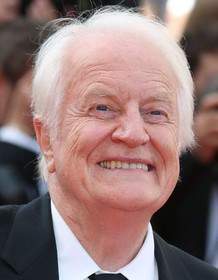
Jérôme Martignac
Played by André Dussollier
Jérôme is a Protestant pastor who engages in philosophical dialogue with Elisabeth and Judith. He is skeptical about easy answers to death, and he tries to dissuade Elisabeth from pursuing a dangerous path, while remaining compassionate and thoughtful.
- ⛪ Pastor
- 🤔 Intellectual
-

Judith Martignac
Played by Fanny Ardant
Judith is Elisabeth and Simon's friend and fellow believer who supports Elisabeth's journey toward confronting mortality. She defends a faith-based perspective and offers empathy, helping to frame the debate about life, death, and what comes after.
- ⛪ Pastor
- 💬 Communicator
-

Dr. Rozier
Played by Jean Dasté
Dr. Rozier is the physician who pronounces Simon dead after his seizure. He represents conventional medical authority and the limits of science when faced with the possibility of an afterlife and a life beyond medical understanding.
- 🩺 Doctor
- 🧠 Rational
Where and When Is Love Unto Death Set?
Love Unto Death is set in Elisabeth and Simon's home. Here is why the place matters to the story.
Where
Elisabeth and Simon's home
The film unfolds mainly inside the couple's home, where Elisabeth, a scientist, and Simon, an archaeologist, share a quiet domestic life that is upended by his near-death experience. The intimate setting becomes the stage for deep philosophical debates about life, death, and the possibility of an afterlife. The surroundings convey a modern, everyday environment that contrasts with the extraordinary events unfolding within it.
- 🏠 Domestic setting
- 🧪 Scientific environment
- ⛪ Religious discussions
What Are the Themes of Love Unto Death?
3 ideas the story keeps returning to, among them Afterlife, Love and Sacrifice and Faith vs Doubt.
-
01
Afterlife
The story centers on the boundaries between life and death after Simon's apparent death and return. Elisabeth's rational worldview clashes with the idea of a conscious afterlife, prompting philosophical conversations with friends. The event unsettles their relationship and forces them to re-evaluate what makes life meaningful. The film uses the afterlife as a lens to explore fear, longing, and the price of knowing too much.
-
02
Love and Sacrifice
Elisabeth's devotion to Simon drives her to consider joining him beyond death. The couple's bond is tested by mortality, as love becomes a radical choice that challenges religious and scientific beliefs. Judith and Jérôme weigh whether love justifies abandoning earthly ties. Ultimately Elisabeth's decision could be seen as a selfless act or a surrender to oblivion.
-
03
Faith vs Doubt
Religious leaders Judith and Jérôme debate the existence of an afterlife and the meaning of the resurrection with Elisabeth. The film juxtaposes faith and skepticism, showing Elisabeth's science-based worldview colliding with spiritual narratives. The conversations probe whether belief can coexist with grief and whether certainty is possible in the face of mortality. The characters' exchange reveals a broader meditation on truth, meaning, and the nature of existence.
What Kind of Film Is Love Unto Death?
Melancholic in tone, with slow pacing and a moderate story, going by the plot summary.
- Tone
- Melancholic
- Pacing
- Slow
- Story
- Moderate
- Intensity
- High
- Ending
- Bleak
A somber and deeply philosophical drama that explores grief and existential dread through a couple's haunting experience with death, resulting in a melancholic and emotionally heavy viewing experience.
- philosophical
- melancholic
- contemplative
- somber
- grieving
- obsessive
- life after death
- grief and loss
- suicidal thoughts
- existential crisis
Content notes: suicide, suicidal thoughts.
Quiz
How well do you remember Love Unto Death? Test yourself on the story.

