Look at Me 2005

Directed by

Agnès Jaoui
Made by

Sony Pictures Classics
Look at Me Plot Summary
Read the complete plot summary and ending explained for Look at Me (2005). From turning points to emotional moments, uncover what really happened and why it matters.
Starring performances by Jean-Pierre Bacri and Marilou Berry, this intimate French drama follows Lolita Cassard, a young woman whose lack of self-esteem stems from not matching the glossy image she sees in fashion magazines. Her father, Étienne Cassard, is a celebrated novelist who tends to think first of himself and the passage of time, rarely pausing to consider how his choices affect others. A younger writer named Pierre Millet is struggling with self-doubt, wondering if he will ever taste real success.
Sylvia Millet, a singing teacher, is devoted to believing in her husband’s talent, even as she questions her own beliefs and doubts her student Lolita. When Sylvia discovers that Lolita is Étienne’s daughter—an author she admires—she forges a cautious friendship with her, hoping to use the connection to gain access to Étienne for her husband’s sake. Lolita, meanwhile, does not immediately see Sylvia’s generosity as anything more than a convenient gesture from someone who benefits from her father’s fame.
As the relationship deepens, Lolita opens up about her father, her love life, and her persistent insecurities. Sylvia grows fond of Lolita and starts to see Étienne in a new light, recognizing his flaws and the tenderness he often hides behind a public persona. A younger journalist named Sébastien befriends Lolita as well; he admires her, but Lolita mistakes her attraction for interest in someone else, being drawn to Mathieu, a boy who is only interested in her because of her father and who treats her poorly. Lolita also misreads Sébastien’s feelings, not realizing that he cares for her as a person.
The story unfolds over a wild weekend at Étienne’s cottage, a turning point that unsettles several relationships. After the escape of that chaotic escape, Sylvia leaves Pierre because he begins to behave as self-centeredly as Étienne, echoing the dynamics she has tried to escape. Lolita comes to recognize Sébastien’s genuine regard, and Étienne is repeatedly reminded that his indifference as a father has left a lasting distance with his daughter.
In the end, the film quietly traces how ambition, affection, and the hunger for approval can blur truth and tenderness, forcing each character to confront who they truly are beneath the surface. The ensemble performances carve a portrait of a family and community tangled in admiration, misperception, and the slow, sometimes painful discovery of authenticity.
Look at Me Timeline
Follow the complete movie timeline of Look at Me (2005) with every major event in chronological order. Great for understanding complex plots and story progression.
Lolita's insecurity about her looks
Lolita Cassard lacks confidence and self-esteem because she doesn't look like the women who fill the pages of fashion magazines. Her self-image is dominated by beauty standards she can't meet. This insecurity drives how she navigates relationships and attention from others.
Étienne Cassard: renowned but emotionally distant father
Étienne Cassard is a respected novelist whose success earns him respect, yet he rarely considers the feelings of others. He seems self-absorbed and preoccupied with aging and his own work.
Pierre Millet's doubts about success
Pierre Millet, a younger writer, doubts he will ever be successful. He watches his generation's careers with doubt and longing for recognition.
Sylvia Millet's belief in talent but doubt in self and student
Sylvia believes in her husband's talent, but she also doubts her own abilities and the potential of her student. Her insecurity contrasts with her support for others.
Sylvia befriends Lolita to gain access to Étienne
Sylvia befriends Lolita to gain access to Étienne on behalf of her husband. Her plan is to leverage Lolita's connection to the famous author to help Pierre's career.
Lolita unaware of Sylvia's true motive
Lolita does not realize that Sylvia's generosity and friendship are motivated by access to Étienne. She interprets the kindness as genuine support.
Lolita confides in Sylvia
Lolita opens up to Sylvia about her father, her love life, and her self-confidence issues. Sylvia becomes a confidante and starts to see Lolita more clearly.
Sylvia sees Étienne more clearly
Sylvia grows to like Lolita and begins to see Étienne for the man he actually is. Her perception shifts from admiring his talent to awareness of his flaws.
Sébastien befriends Lolita
Sébastien, a young journalist, befriends Lolita and takes an interest in her. Lolita initially does not recognize his genuine feelings and remains focused elsewhere.
Mathieu's interest and mistreatment of Lolita
Mathieu is interested in Lolita only because of her father and treats her poorly. His affection appears opportunistic, reflecting Lolita's vulnerability.
Lolita misreads Sébastien's intentions
Lolita assumes Sébastien dislikes her and does not realize that he likes her for herself. Her misreading contrasts with his honest interest.
Crazy weekend at Étienne's cottage
A crazy weekend at Étienne's cottage becomes a turning point for the relationships around Lolita. Sylvia decides to leave Pierre after witnessing him begin to resemble Étienne. This event marks a shift in loyalties.
Lolita sees Sébastien's honest intentions
Lolita realizes Sébastien has honest intentions and is not just a casual friend. This realization changes how she views him and her own relationships.
Étienne confronted with his role as an indifferent father
Étienne is repeatedly reminded that he is an indifferent father to Lolita. These reminders challenge his self-image and push him to reflect on his neglect.
Look at Me Characters
Explore all characters from Look at Me (2005). Get detailed profiles with their roles, arcs, and key relationships explained.
Étienne Cassard - Jean-Pierre Bacri
A celebrated novelist whose charm masks a tendency to disregard others' feelings. His fear of aging and tendency to center conversations around himself strain his relationship with Lolita and expose the fragility of his public image.
Lolita Cassard - Marilou Berry
A young woman grappling with low self-esteem and a longing to fit the glamorous image she sees in magazines. Her openness makes her susceptible to both manipulation and genuine connection as she navigates love, family, and loyalty.
Sylvia Millet
A singing teacher who believes in her husband's talent but also uses Lolita to gain access to Étienne. Her warmth to Lolita hides a calculated interest in advancing her own position.
Sébastien
A young journalist who befriends Lolita and initially seems drawn to her, but his sincerity gradually reveals his honest intentions beyond attraction.
Mathieu
A boy who pursues Lolita largely because of her father's fame, exposing how fame can distort intentions and fuel mistreatment.
Look at Me Settings
Learn where and when Look at Me (2005) takes place. Explore the film’s settings, era, and how they shape the narrative.
Location
Étienne's weekend cottage
The action centers around a secluded weekend at Étienne's cottage, a setting that feels intimate and claustrophobic. The rustic retreat acts as a stage where social pretenses collapse and true motives emerge. Its quiet, insular atmosphere accelerates conversations and confrontations among Lolita, Sylvia, Étienne, and the other visitors.
Look at Me Themes
Discover the main themes in Look at Me (2005). Analyze the deeper meanings, emotional layers, and social commentary behind the film.
💫
Self-image
Lolita's struggle with self-worth is sparked by not resembling the women in glossy magazines. Her search for validation drives her to seek attention and approval from those around her, especially figures she admires.
🤝
Manipulation
Sylvia uses her friendship with Lolita to gain access to Étienne, revealing a theme of manipulation in relationships. The film explores how affection can be weaponized when ambition and personal gain are at stake.
👨👧
Family dynamics
Étienne's emotional distance and self-centered attitude create a fragile family dynamic. Lolita's longing for a loving, attentive father contrasts with his indifferent behavior, shaping her reactions and choices.
🔎
Perception vs. reality
Over the weekend, characters misread each other — what people say and what they intend often diverge. The cottage becomes a lens through which truth gradually surfaces, challenging first impressions.

Coming soon on iOS and Android
The Plot Explained Mobile App
From blockbusters to hidden gems — dive into movie stories anytime, anywhere. Save your favorites, discover plots faster, and never miss a twist again.
Sign up to be the first to know when we launch. Your email stays private — always.
Explore the mobile appLook at Me Spoiler-Free Summary
Discover the spoiler-free summary of Look at Me (2005). Get a concise overview without any spoilers.
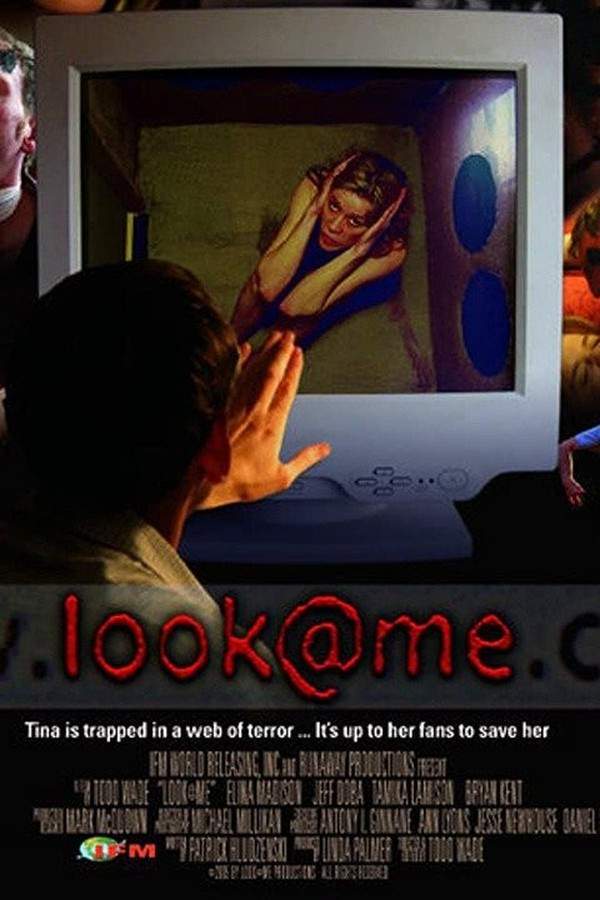
In a world where likes pulse like a second‑hand heartbeat, the line between public performance and private truth has become almost invisible. Social platforms dominate everyday conversation, and every carefully filtered post feels like a small claim to relevance. The atmosphere is sleek yet slightly oppressive, a glossy surface that hints at the restless undercurrents of fame and longing.
The influencer—a charismatic figure whose digital presence has turned ordinary moments into viral spectacles—has built a career on that very surface. She moves through glossy photo shoots, brand collaborations, and endless streams of comments with practiced ease, her confidence amplified by the adulation of millions. Yet beneath the polished veneer, she grapples with the question of who she is when the camera stops rolling, hinting at a deeper unease hidden behind the perfect captions.
When an obsessed fan breaches that boundary, the story shifts from the bright glare of screens to an unsettling, off‑grid reality. The abduction forces her out of the curated feed and into a raw, unfiltered existence where the only audience is an unknown, unsettling presence. This sudden removal of the digital safety net creates a tense, claustrophobic mood that explores how fragile the constructs of online identity can be when stripped of their audience.
The film balances sleek, modern aesthetics with a psychological thriller’s quiet dread, inviting viewers to consider how vulnerability feels when it’s no longer mediated by likes and shares. As the protagonist confronts the stark disparity between her public persona and her private self, the narrative teases at larger questions about intimacy, obsession, and the ever‑blurring edges between virtual connection and real‑world experience.
Movies with Similar Twists and Themes
Uncover films that echo the narrative beats, emotional arcs, or dramatic twists of the one you're exploring. These recommendations are handpicked based on story depth, thematic resonance, and spoiler-worthy moments — perfect for fans who crave more of the same intrigue.










Featured on this page

What's After the Movie?
Not sure whether to stay after the credits? Find out!
Check out our other apps:

SAT Sphere
Build confidence for the Digital SAT.

Mori Atlas
Discover wild places worth protecting.

Luntero
Search smarter for a home in Amsterdam.

Plot Explained
Unravel movie endings and hidden clues.

Pokechamp
Dive into Pokémon data and battle logic.

Driving Theory
Get ready for your European theory test.

Movie Dust
Plan your next cinema trip with ease.

Musemap
Find art and culture as you travel.

Selkobase
Compare credentials before committing.

Local Manual
Turn an unfamiliar country into practical next steps.

Lernavi
Compare school systems before your next move.

GymRoam
Find a workout stop wherever your plans take you.
Explore Our Movie Platform
New Movie Releases (2026)
Famous Movie Actors
Top Film Production Studios
Movie Plot Summaries & Endings
Major Movie Awards & Winners
Best Concert Films & Music Documentaries
Movie Collections and Curated Lists
© 2026 What's After the Movie. All rights reserved.
Privacy Policy