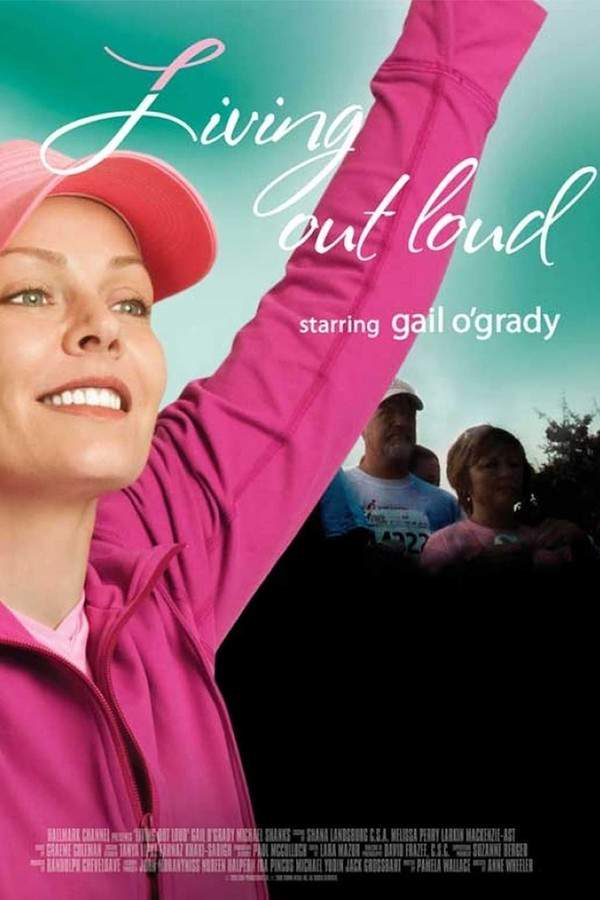
What Is Living Proof About?
The premise of Living Proof in 282 words, with nothing given away. The full story follows below.
In the bustling corridors of UCLA Medical Center, Dennis Slamon walks a line between science and hope, driven by the conviction that a new, less‑toxic breast‑cancer therapy could change the very definition of treatment. The film opens on a world where oncologists balance the weight of their patients’ lives against the cold calculus of research budgets, and where every breakthrough is tinged with the urgency of real‑world suffering.
Slamon’s quest quickly expands beyond the lab bench; the pursuit of a miracle drug forces him to navigate the opaque realm of corporate financing and philanthropic generosity. Enter Lilly Tartikoff, whose elegant fundraising galas shimmer with both glamour and purpose, and Ronald Perelman, whose charitable contributions become lifelines for a project on the brink. Their involvement injects a rhythm of high‑stakes negotiation and quiet determination, underscoring a tone that blends earnest optimism with the tension of uncertain support.
Amid the chase for funding, the story gently lifts the voices of the women whose lives intersect with the experimental medicine. Nicole arrives as a young mother confronting an aggressive diagnosis, while her mother Elizabeth clings to hope. Other patients—Tish, Tina, Barbara and Ellie—bring humor, alternative perspectives, and fierce camaraderie to the forefront, illustrating how personal resilience intertwines with scientific ambition. Their presence transforms the clinical environment into a tapestry of shared courage and vulnerability.
The film’s atmosphere stays rooted in a delicate balance of determination and compassion, inviting the audience to feel the pulse of a community striving against odds. It offers a portrait of a doctor whose relentless drive meets the collective will of donors, caregivers, and patients, all converging on the promise of a treatment that could rewrite the story of breast cancer.
What Happens in Living Proof?
The complete story of Living Proof, from the first scene to the last, in 339 words (about 1 minute). Spoilers throughout. Names in the text link to 8 cast member pages.
Spoilers ahead
The film recounts the true story of Dr. Dennis Slamon Harry Connick Jr., a physician-scientist at UCLA Medical Center in Los Angeles, who leads a bold push to develop a breast cancer drug called Herceptin that he believes could transform patient outcomes. Over a span of eight years, from 1988 to 1996, he and his team test the drug’s potential, navigating scientific uncertainty, patient hopes, and the mounting pressure of results. When a major drug company temporarily halts funding, the project finds critical life support from philanthropic figures, including Lilly Tartikoff Angie Harmon and Ronald Perelman, whose generosity helps keep the research alive. An initial donation from Perelman’s Revlon charity seeds ongoing work, and the effort gains momentum through ongoing fundraising, most notably via the Fire and Ice Ball organized by Tartikoff, which keeps the scientific flashlight shining on a possible breakthrough.
The therapy’s path forward is pragmatic and painstaking: the drug company eventually resumes backing the research, and Herceptin advances through three clinical trials following a preclinical animal study that tests safety and potential impact before touching human patients. Nicole Tammy Blanchard, a young mother facing stage 4 cancer, becomes the first patient to receive the drug, a moment witnessed closely by her mother Elizabeth Swoosie Kurtz who pleads with Slamon for her daughter’s inclusion. Though Nicole does not participate in the later trials because she does not meet certain criteria, her experience helps frame the ongoing discussion about who should access the therapy and under what conditions.
As the trials unfold, the women involved form a resilient, supportive community. They approach their disease with humor—Tish Jennifer Coolidge lightens the mood—while others pursue alternative therapies, such as Tina Trudie Styler. The narrative also follows the parallel journeys of Barbara Bradfield Bernadette Peters and Ellie Jackson Regina King, tracing their experiences from diagnosis through treatment and, in many cases, recovery. While some trial participants die along the way, the collective effort drives advances that ultimately reshape the course of breast cancer treatment and offer new hope to countless patients.
Living Proof Timeline: Every Key Event in Order
12 key events in the order they happen, from “Slamon launches Herceptin research at UCLA” to “FDA approves Herceptin; turning point in treatment”. 12 events name a place, across 4 locations.
- 1
Slamon launches Herceptin research at UCLA
In 1988, Dr. Dennis Slamon, a physician-scientist at UCLA Medical Center in Los Angeles, begins pursuing the experimental breast cancer drug Herceptin. He leads a team to test whether blocking the HER2 receptor can help patients. The early narrative follows his scientific drive and collaborative effort.
When:1988 Where:Los Angeles, UCLA Medical Center
- 2
Preclinical animal trial completed
Before human testing, Herceptin undergoes a preclinical animal trial to assess safety and potential efficacy. The results provide hopeful signals and justify moving into clinical studies. This step marks the transition from lab work to patient trials.
When:1989-1990 Where:Los Angeles
- 3
Funding crisis prompts philanthropic support
When the drug company ceases funding, philanthropists step in to keep the research alive. Lilly Tartikoff and Ronald Perelman become crucial backers, providing much-needed capital. Their involvement helps ensure the project can continue despite corporate withdrawal.
When:1990 Where:Los Angeles
- 4
Fire and Ice Ball fundraiser
Lilly Tartikoff organizes the Fire and Ice Ball to raise funds for Herceptin research. The event mobilizes celebrities and donors to sustain the trials. The ball embodies the public-hearted support behind the science.
When:1990 Where:Los Angeles
- 5
Perelman donates via Revlon charity; funding resumes
Ronald Perelman contributes through the Revlon charity, providing a donation that helps restart financial support. This philanthropic backing, along with others, helps re-engage the drug company in funding the research. The resumed funding accelerates development.
When:1992 Where:Los Angeles
- 6
Nicole receives Herceptin first
Nicole, a young mother with stage 4 cancer, becomes the first patient to receive Herceptin. Her treatment offers a glimpse of the drug's potential impact before broader trials. Her mother Elizabeth pleads with Slamon, but trial criteria prevent Nicole from joining the later studies.
When:1992 Where:Los Angeles
- 7
Trial eligibility excludes Nicole
Despite the prior compassionate use, Nicole is not included in subsequent trials because she does not meet the trial requirements. The team must balance compassionate use with strict study design. The exclusion highlights the challenges of translating hopeful cases into controlled data.
When:1992 Where:Los Angeles
- 8
Women in trials band together
The women in the early trials band together, sharing experience and support. They navigate the disease and the drug trial with humor—Tish uses humor to cope—while Tina explores alternative therapies. Their camaraderie reinforces the human stakes behind the science.
When:1993 Where:Los Angeles
- 9
Stories of Barbara and Ellie unfold
The film follows Barbara and Ellie as they progress through the trials, facing fear, hope, and side effects. Their stories illustrate the drug's potential to affect real lives and the emotional toll of testing a new treatment. Both women move toward recovery, underscoring the drug's promise.
When:1993-1994 Where:Los Angeles
- 10
Some patients die, others recover
Not all trial participants survive, highlighting the risks and uncertainties of early cancer therapies. Yet a number of patients experience recovery and stabilization, signaling positive outcomes from Herceptin. The narrative emphasizes perseverance in the face of setbacks.
When:1994-1995 Where:Los Angeles
- 11
Three trials completed
Herceptin undergoes three clinical trials, progressing through phases to evaluate safety and efficacy. The cumulative data begin to paint a picture of the drug's impact and potential to change standard care. Scientists monitor responses as results accumulate.
When:1995 Where:Los Angeles, California
- 12
FDA approves Herceptin; turning point in treatment
In 1996, the FDA approves Herceptin, marking a turning point in breast cancer treatment. Slamon's work alters the course of care and offers new hope to patients with HER2-positive cancers. The film closes with the sense that this breakthrough reshapes the field going forward.
When:1996 Where:United States
Who Are the Main Characters in Living Proof?
8 characters, among them Dr. Dennis Slamon (Harry Connick Jr.), Lilly Tartikoff (Angie Harmon) and Nicole (Tammy Blanchard): who each one is and the part they play in the story. Every profile links to the actor’s page.
-

Dr. Dennis Slamon (Harry Connick Jr.)
Played by Harry Connick Jr.
A physician-scientist at UCLA Medical Center, Slamon drives the quest to prove Herceptin's potential against breast cancer. He is relentlessly analytical yet deeply committed to patient lives, balancing scientific skepticism with hopeful persistence. His leadership guides researchers through funding gaps, trials, and regulatory hurdles toward a transformative therapy.
- 🏥 Medical
- 🧪 Science
- 💪 Determination
- LT
Lilly Tartikoff (Angie Harmon)
Played by Angie Harmon
A passionate philanthropist who helps sustain the Herceptin program when traditional funding dries up. She mobilizes the community and anchors fundraising efforts, underscoring how donations can bridge the gap between research and real patients. Her involvement demonstrates a powerful link between generosity and medical discovery.
- 🎗️ Philanthropy
- 💃 Advocacy
- 🧭 Support
-
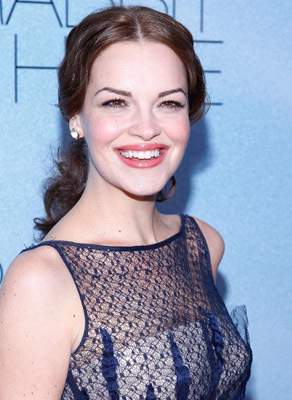
Nicole (Tammy Blanchard)
Played by Tammy Blanchard
A young mother with stage 4 cancer who receives Herceptin early in the program, her case personalizes the stakes of trial research. Her story shows the hope and heartbreak that accompany experimental treatments and the ethical questions about eligibility. Her battle highlights patient perspectives within the clinical process.
- 🎗️ Patient
- 💪 Resilience
- 🧭 Ethics
-

Elizabeth (Swoosie Kurtz)
Played by Swoosie Kurtz
Nicole's mother, whose plea underscores the emotional dimensions of treatment decisions. She embodies the parental advocacy and emotional toll experienced when loved ones confront aggressive disease. Her perspective adds a familial lens to the clinical journey.
- 👩👧 Family
- 💖 Hope
- 🗣️ Advocacy
-

Tish (Jennifer Coolidge)
Played by Jennifer Coolidge
One of the women in the trial who brings humor and resilience to the fight against cancer. Her attitude embodies the human spirit in the face of difficult medical decisions. She forms bonds with other patients, illustrating how shared experiences sustain people through trials.
- 😂 Humor
- 🧏♀️ Solidarity
- 💪 Courage
- T(
Tina (Trudie Styler)
Played by Trudie Styler
A patient who illustrates alternative approaches to coping with cancer while part of the broader trial narrative. Her journey shows the personal choices patients make when confronting the disease and the desire for agency in treatment. Through her story, the film explores varied patient experiences within clinical research.
- 🌿 Alternative care
- 🧭 Agency
- 💬 Community
-

Barbara (Bernadette Peters)
Played by Bernadette Peters
Another participant in the early trials who embodies perseverance and hope. Her experiences reflect the communal aspect of patient groups navigating the medical system. Barbara's arc contributes to the broader message about collective courage in medical advancement.
- 🤝 Community
- 💪 Perseverance
- 🩺 Medical journey
-
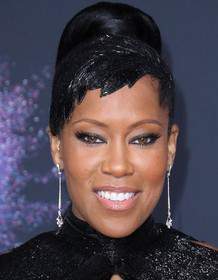
Ellie (Regina King)
Played by Regina King
A patient whose progress and recovery thread through the trial narrative. Ellie’s story highlights the potential life-changing impact of Herceptin and the personal stakes of clinical research. Her journey mirrors the broader arc from diagnosis to hopeful outcomes.
- 🏥 Recovery
- 💫 Hope
- 🛡️ Healthcare
Where and When Is Living Proof Set?
Living Proof is set in Los Angeles, California and UCLA Medical Center (1988–1996). Here is why the time and place matter to the story.
When
1988–1996
Set between 1988 and 1996, the film tracks the late-80s to mid-90s surge in targeted cancer therapies. It highlights shifts in funding, with philanthropists stepping in to sustain research. The period culminates in FDA approval of Herceptin after a series of trials, marking a turning point in breast cancer treatment.
Where
Los Angeles, California, UCLA Medical Center
The story centers on UCLA Medical Center in Los Angeles, a renowned hospital for pioneering cancer research. It portrays a bustling research environment where clinicians, scientists, and philanthropists collaborate to push medical boundaries. The Los Angeles setting underscores the real-world link between academia, industry, and patient advocacy.
- 🏥 Hospital
- 🏙️ City setting
- 🧬 Medical research hub
What Are the Themes of Living Proof?
3 ideas the story keeps returning to, among them Medical Breakthrough, Collaboration and Trials & Time.
-
01
Medical Breakthrough
The development of Herceptin represents a watershed moment in targeted cancer therapy. The film follows Slamon’s rigorous scientific process, from preclinical work through clinical trials, showing both promise and uncertainty. It emphasizes the impact of a single breakthrough on thousands of patients and families. The narrative links scientific discovery to real-world change in treatment options.
-
02
Collaboration
Philanthropy and industry partners fuel a challenging, high-stakes research pursuit. Lilly Tartikoff and Ronald Perelman provide crucial funding that keeps trials moving forward. Fundraising events like the Fire and Ice Ball illustrate how public support translates into medical progress. The story portrays collaboration among doctors, patients, and donors as essential to breakthroughs.
-
03
Trials & Time
The narrative follows the long arc of clinical trials, including an initial preclinical animal study and three phases before FDA approval. It highlights patient eligibility, the hopeful first recipients, and difficult choices when some patients cannot participate. The timeline shows how perseverance through months and years can lead to life-saving treatments. It also reflects the realities and emotional toll of trial-based medicine.
What Kind of Film Is Living Proof?
Hopeful in tone, with steady pacing and a straightforward story, going by the plot summary.
- Tone
- Hopeful
- Pacing
- Steady
- Story
- Straightforward
- Intensity
- Medium
- Ending
- Happy
An inspiring and steady-paced drama that balances the sobering realities of cancer with the determined hope of scientific progress, creating an emotionally resonant tribute to human resilience.
- hopeful
- inspiring
- determined
- sobering
- uplifting
- tense
- medical breakthrough
- cancer treatment
- based on a true story
- scientific perseverance
Content notes: cancer, terminal illness, death of patients.
Quiz
How well do you remember Living Proof? Test yourself on the story.