
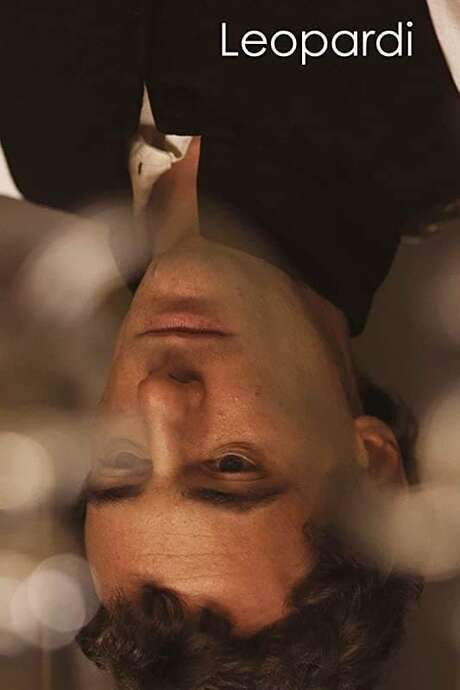
What Is Leopardi About?
The premise of Leopardi in 339 words, with nothing given away. The full story follows below.
In the quiet valleys of 19th‑century Italy, a grand yet fading palace shelters a young man whose mind is as expansive as the horizon he can barely see. Giacomo Leopardi lives amid marble corridors and a library that once thrummed with the promise of limitless knowledge, but the weight of a chronic illness and a pervasive sense of isolation turn those rooms into a sanctuary for restless imagination. The film opens with an atmosphere thick with dust‑filled sunlight, the scent of old paper, and the soft echo of verses that hint at a soul already wrestling with the paradox of beauty and suffering.
Within the walls of his family estate, the expectations of aristocratic tradition clash with his father’s rigid sense of duty and his mother’s preoccupation with preserving dwindling fortunes. The parents, bound by the social codes of the time, view the young poet’s yearning for the world beyond Recanati as a dangerous indulgence. Their contrasting attitudes feed a quiet tension that fuels the protagonist’s inner conflict, shaping his early forays into Latin, Greek, Hebrew, Aramaic, and English—languages that become both his escape and his burden.
Amid the hushed tones of the study, a fragile hope flickers: the desire to leave the cloistered life and experience the broader canvas of Italy’s cultural capitals. A fleeting, unreciprocated affection for Countess Fanny Targioni Tozzetti whispers through his thoughts, amplifying his contemplations on love, longing, and the relentless melancholy that seems to accompany human existence. This emotional undercurrent, more a texture than a plot point, paints his worldview with shades of inevitable sorrow and a relentless quest for meaning.
The film’s tone is a measured blend of lyrical melancholy and restrained elegance, captured through soft, candle‑lit interiors and sweeping vistas of Rome, Florence, and the restless sea‑kissed cliffs of Naples. As Leopardi navigates the delicate balance between intellectual ambition and personal frailty, the audience is invited to linger in the spaces between spoken word and silent yearning, sensing a profound artistic spirit poised on the brink of both revelation and despair.
What Happens in Leopardi?
The complete story of Leopardi, from the first scene to the last, in 309 words (about 1 minute). Spoilers throughout. Names in the text link to 2 cast member pages.
Spoilers ahead
Giacomo Leopardi, Elio Germano, emerges on screen as a brilliant Italian poet born in Recanati into a noble family. Surrounded by a vast library built by his father, he devours Latin, Greek, Hebrew, Aramaic, and English, feeding a restless mind that longs to travel abroad to broaden his horizons and deepen his knowledge, a dream that clashes with the rigid expectations of his social class. The film traces how his parents’ priorities shape his path: his father remains bound by convention, while his mother is absorbed in stabilizing a family fortune that seems to slip away.
From the start Leopardi turns toward writing, shaping early works that probe the human condition and crystallize a bleak insight: unhappiness is a constant factor of human existence, and there may be no easy remedy. The narrative follows his move away from Recanati in the 1820s, sending him on journeys to Rome and Florence where intellectual rewards and public recognition prove elusive, and personal longing shadows each step.
A central thread is the recurring, unrequited love for Countess Fanny Targioni-Tozzetti, Anna Mouglalis, whose presence intensifies Leopardi’s introspection and deepens his skepticism about life and human connection. This love, whether fulfilled or not, colours his worldview and deepens the sense of loneliness that lingers as he continues to write with piercing clarity.
The story eventually carries him to Naples, where a physical illness constrains him and ultimately shapes the course of his brief life. The film remains intimate and reflective, spotting the tension between a mind capable of vast empathy and a life marked by sorrow, while still celebrating the stark, lucid beauty of his literary voice. In the end, Leopardi’s short life is a quiet, powerful portrait of a thinker who sought meaning amid the constraints of his time, leaving behind work that continues to resonate with readers long after his days ended.
Leopardi Timeline: Every Key Event in Order
11 key events in the order they happen, from “Birth and noble upbringing in Recanati” to “Death in Naples”. 11 events name a place, across 5 locations.
- 1
Birth and noble upbringing in Recanati
Giacomo Leopardi is born in Recanati into a noble family. He grows up within a palace that houses a rich library, laying the foundations for a lifelong devotion to learning. The environment shapes his early curiosity and theatrical sense of culture.
When:late 18th century Where:Recanati
- 2
Intensive study of languages in the family library
Leopardi embarks on a rigorous self-education, studying Latin, Greek, Hebrew, Aramaic and English with remarkable discipline. The abundant library and scholarly routines mold his intellectual voice and poetic sensibilities. This period forges the groundwork of his future literary and philosophical inquiries.
When:early 19th century Where:Recanati
- 3
Desire to travel abroad clashes with family duty
From an early age, Leopardi longs to travel beyond Italian borders to widen his horizons. His father adheres to social conventions while his mother is preoccupied with finances, creating tension between personal ambition and family obligations. The conflict foreshadows the constraints that shape his life choices.
When:early 19th century Where:Recanati
- 4
Beginning to write his first works
During this period Leopardi starts producing his initial poems and reflections. He uses literature to explore the human condition and the sense of unhappiness pervading existence. These early writings reveal the steady emergence of his distinctive somber voice.
When:early 19th century Where:Recanati
- 5
Unhappiness as a constant in human life
Through his writings, Leopardi articulates that unhappiness is a constant feature of human existence and that there is no real remedy. He contends that life provides little consolation, shaping a relentlessly pessimistic worldview. This philosophy becomes a through-line in his career.
When:early 19th century Where:Recanati
- 6
Leaving Recanati for Rome and Florence
In the 1820s Leopardi finally leaves his hometown, embarking on travels to Rome and Florence. The journeys promise intellectual rewards and public recognition, but the expectations are not easily realized. The experiences broaden his horizon while underscoring his disillusionment with acclaim.
When:1820s Where:Rome and Florence
- 7
Unfulfilled hopes for recognition in major capitals
His hopes for fame in Rome and Florence remain unfulfilled, dampening his enthusiasm for public reception. The disappointment deepens his sense of isolation within the intellectual world of the time. He continues writing, but with a heavier, more austere voice.
When:1820s Where:Rome, Florence
- 8
Unrequited love for Countess Fanny Targioni Tozzetti
Leopardi endures repeated unrequited love, notably toward Countess Fanny Targioni Tozzetti. These disappointments intensify his bleak view of human relationships and happiness. The emotional strain informs much of his later poetry and thought.
When:1820s-1830s Where:Rome/Florence
- 9
Move to Naples as the final life stage
Seeking a new chapter, Leopardi relocates to Naples. The city becomes the backdrop for his late years, a place where his ideas mature under the pressure of social and personal isolation. This move marks a transition from earlier Italian capitals to a more secluded later period.
When:1830s Where:Naples
- 10
Physical illness and decline in Naples
In Naples Leopardi endures a significant physical affliction that undermines his health. The illness compounds his sense of decline and the fragility of life. He continues to write and reflect deeply despite the pain, maintaining his distinctive outlook.
When:1830s Where:Naples
- 11
Death in Naples
Leopardi dies in Naples after a life brief in years but long in impact. His final days are marked by the same intensity with which he pursued language, poetry and philosophy. The film presents his death as the quiet end of a brilliant yet fragile genius.
Where:Naples
Who Are the Main Characters in Leopardi?
7 characters, among them Giacomo Leopardi (Elio Germano), Monaldo Leopardi (Massimo Popolizio) and Mrs. Rosa: who each one is and the part they play in the story. Every profile links to the actor’s page.
-

Giacomo Leopardi (Elio Germano)
Played by Elio Germano
A noble-born, fiercely inquisitive poet who longs to travel and widen his horizons. He is introspective and restless, wrestling with the miseries of existence and the weight of social expectations from family. His idealism collides with reality, fueling a sharp, often somber worldview that informs his early poetry.
- ✍️ Poetic
- 🧠 Intellectual
- ML
Monaldo Leopardi (Massimo Popolizio)
Played by Massimo Popolizio
Leopardi’s father, a patriarch bound by social conventions and the decline of the family fortune. He guards the household’s status and expects obedience, yet admires his son’s intellect in private. His rigid values create a tense dynamic between duty and curiosity.
- 👨 Patriarch
- 🗂️ Traditional
- MR
Mrs. Rosa
Played by Iaia Forte
Leopardi’s mother, depicted as busy upholding the household and finances. She is preoccupied with sheltering the family from decline, offering pragmatic support rather than intellectual enrichment. Her presence anchors the domestic sphere of the Leopardi home.
- 👩 Mother
- 🏡 Domestic
-
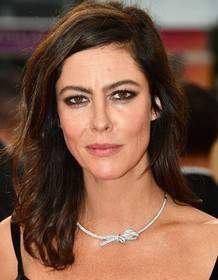
Fanny Targioni-Tozzetti (Anna Mouglalis)
Played by Anna Mouglalis
Countess and the object of Leopardi’s unrequited affection. Her presence embodies a refined ideal of romance and social grace, contrasting with Leopardi’s disillusionment. Her influence highlights the gap between longing and reality in Leopardi’s life.
- 💘 Romantic
- 🎭 Socialite
- PL
Paolina Leopardi (Isabella Ragonese)
Played by Isabella Ragonese
Leopardi’s sister, part of the family circle that anchors him to provincial life and daily routines. She represents the domestic sphere and provides a counterpoint to his scholarly ambitions. Her interactions reflect the supportive yet limited role of women in the era.
- 👧 Sister
- 🏠 Family
- CL
Carlo Leopardi (Edoardo Natoli)
Played by Edoardo Natoli
A family member within Leopardi’s intimate circle, contributing to the household dynamics and the pressures of lineage. His presence underscores the social context that shapes Leopardi’s choices and frustrations. A minor, yet meaningful, participant in the broader family drama.
- 🧍 Relative
- 🏛️ Family
- PR
Paolina Ranieri (Federica De Cola)
Played by Federica De Cola
A figure within Leopardi’s social world who represents the intersections of romance and social hierarchy in his circle. Her interactions reveal how affection and status interact within a conservative 19th-century milieu. She contributes to the tapestry of Leopardi’s experiences with longing and constraint.
- 👧 Social Circle
- 💬 Interaction
Where and When Is Leopardi Set?
Leopardi is set in Recanati, Rome, Florence and Naples (1820s–1830s). Here is why the time and place matter to the story.
When
1820s–1830s
Set in early 19th-century Italy, a period of Romantic thought and strict social codes among the nobility. Leopardi’s world is shaped by a pater familias and declining fortunes, with travel and education as precious but perilous luxuries. The travels to Rome, Florence, and Naples occur within a society still divided by kingdoms and conventions. The era ends with the poet’s premature death in Naples, underscoring a life of yearning within rigid structures.
Where
Recanati, Rome, Florence, Naples
Recanati is Leopardi’s birthplace and home to a grand library that fuels his early studies. The film tracks his longing to travel beyond provincial confines, framed by the expectations of a noble family. His journeys to Rome and Florence in the 1820s reveal both intellectual hunger and the limits of social ambition. The story culminates in Naples, where illness cuts his life short, reflecting the era’s fragile balance between culture and constraint.
- 🏛️ Historical
- 📚 Literary
- 🌍 European
What Are the Themes of Leopardi?
4 ideas the story keeps returning to, among them Existence, Love and Wanderlust.
-
01
Existence
The film centers on the fragility of happiness and the persistence of unhappiness as a constant condition of human life. Leopardi’s reflections reveal a mind preoccupied with meaning, doubt, and the limits of knowledge. The pursuit of larger truths is constantly tempered by social expectations and personal disillusionment. The setting heightens a sense of cosmic melancholy that informs his poetry.
-
02
Love
Unrequited affection toward Countess Fanny Targioni-Tozzetti fuels Leopardi’s skeptical view of life. The longing is intimate yet unattainable, shaping his emotional landscape and poetic voice. This theme shows how romance can intensify loneliness and deepen philosophical introspection. The film frames love as both a driving force and a source of existential ache.
-
03
Wanderlust
Leopardi’s desire to travel abroad embodies the clash between intellectual curiosity and social duty. The journey to Rome and Florence represents a search for breadth of experience beyond provincial confines. Yet family obligations and the era’s conventions push against this longing, making mobility a bittersweet pursuit. The Naples chapter completes the arc, forcing a confrontation with mortality rather than freedom.
-
04
Mortality
A physical illness ends Leopardi’s life prematurely in Naples, giving a somber coda to a life spent probing the human condition. The film juxtaposes intellectual achievement with the fragility of the body and the limits of time. Mortality shadows his writings and choices, intensifying the sense that happiness is fleeting. The final arc emphasizes the romance of ideas against the reality of decline.
What Kind of Film Is Leopardi?
Melancholic in tone, with slow pacing and a moderate story, going by the plot summary.
- Tone
- Melancholic
- Pacing
- Slow
- Story
- Moderate
- Intensity
- Medium
- Ending
- Sad
A slow-paced, melancholic biographical drama that immerses the viewer in the contemplative and isolated world of a poet grappling with physical suffering, intellectual frustration, and unrequited love.
- introspective
- lonely
- pensive
- oppressive
- reflective
- academic
- poetry
- unrequited love
- intellectual isolation
- suffering and existence
Content notes: chronic illness, premature death.
Quiz
How well do you remember Leopardi? Test yourself on the story.
