What Is Loop About?
The premise of Loop in 260 words, with nothing given away. The full story follows below.
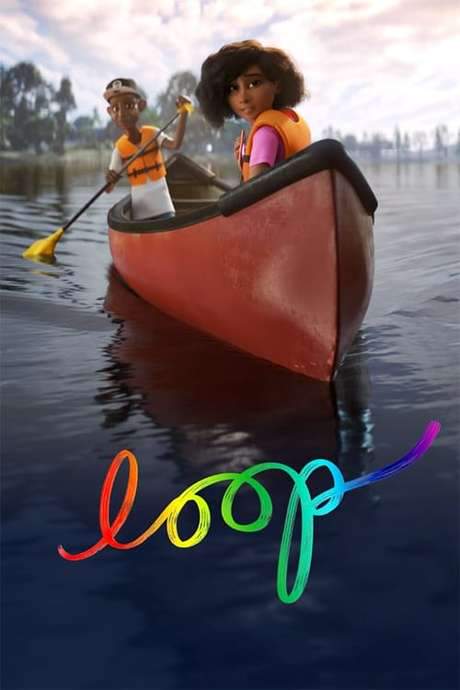
In an urban summer camp tucked beside a sprawling lake, a quiet canoe drifts into the lives of two unlikely companions. Renee, a non‑verbal autistic girl, experiences the world through sound, texture, and subtle rhythms, while Marcus, a loquacious boy with a penchant for showing off, navigates life with words and bravado. Their pairing on a modest canoe sets the stage for an intimate journey, where the gentle lapping of water becomes a backdrop for the clash and convergence of two very different ways of perceiving reality.
The setting is both familiar and oddly otherworldly: the city’s concrete edges melt into the open water, and the lake’s reflective surface offers a mirror for the characters’ inner landscapes. The film’s tone is measured and tender, inviting the audience to feel the sensory nuances that guide Renee and the restless energy that propels Marcus. Light filters through the canopy, casting shifting patterns that hint at the ever‑changing emotions beneath the surface, while the ambient hum of the surrounding world underscores the quiet moments of connection.
As the canoe glides, the pair must confront the challenges of communication without relying on the usual shortcuts. Their task is not simply to reach the opposite shore, but to bridge a gap between two worlds that rarely intersect. Through gestures, shared silences, and the occasional burst of laughter, they begin to map each other’s inner territories. The film promises a delicate exploration of empathy, showing how a simple outing on the water can become a profound lesson in seeing, hearing, and feeling beyond one’s own perspective.
What Happens in Loop?
The complete story of Loop, from the first scene to the last, in 236 words (about 1 minute). Spoilers throughout. Names in the text link to 3 cast member pages.
Spoilers ahead
Renee, a non-verbal autistic girl, sits in a canoe and plays with a sound app on her phone. Marcus arrives late, and the Camp Counselor pairs him with Renee, much to his annoyance.
When Marcus attempts to show off his paddling skills, Renee is unimpressed and starts rocking the boat. Marcus asks her what she wants, and she has him paddle toward land so she can touch the reeds.
Marcus then hatches a plan. He paddles them toward a tunnel and has Renee play her phone so that the sound can reverberate. At first, Renee enjoys it, savoring the way the sound bounces through the space, but a speedboat roars by, and the noise becomes overwhelming. She frantically paddles out of the tunnel, and they crash onto the waterside. Renee experiences a meltdown, throwing her phone into the lake and curling under the canoe, while Marcus watches in bewilderment.
After the tension eases, Marcus pulls up a reed and places it beside the canoe where Renee can see it. He sits nearby until she calms down. She sits up, takes the reed, and begins to giggle. The two repeat the sound that the phone made together, sharing a small, quiet moment of connection. They get back into the canoe and paddle back toward the camp.
When Renee’s recovered phone begins working again, it sends a message from Marcus asking if she wants to go canoeing again.
Loop Timeline: Every Key Event in Order
12 key events in the order they happen, from “Renee joins the canoe outing” to “Ending on a hopeful note”. 12 events name a place, across 7 locations.
- 1
Renee joins the canoe outing
Renee, a non-verbal autistic girl, sits calmly in a canoe as the camp prepares for the outing. The counselor pairs Marcus with Renee after he arrives late, much to his annoyance. This pairing sets a tense dynamic right from the start.
Where:Camp lake
- 2
Marcus tries to impress but Renee resists
Marcus tries to show off his paddling to impress Renee, but she remains unimpressed and begins rocking the boat. He asks what she wants, scanning for a signal in this unconventional partnership. The tension between them grows as they navigate the first challenges of the trip.
Where:On the lake
- 3
Renee directs them toward shore to touch the reeds
Renee signals her preference through action, prompting Marcus to paddle toward land so she can touch the reeds. He follows her lead, keeping the canoe steady while she guides the direction. This moment marks Renee's first clear directive in the outing.
Where:Near shore
- 4
Marcus invents a sound-based plan
Marcus improvises a plan to use Renee's sound app to create an echoing experience. He paddles them toward a tunnel and asks Renee to play the sound so it reverberates underwater. The idea hinges on their unlikely collaboration.
Where:Tunnel area
- 5
Echoes thrill initially, then danger
Renee enjoys the reverberations at first as the sound travels through the tunnel. A speedboat suddenly roars past, and the noise becomes overwhelming for her. The moment shifts from playful exploration to high tension.
Where:Tunnel area
- 6
Meltdown and phone goes into the lake
Overwhelmed by the sound, Renee has a meltdown and throws her phone into the lake, then hides under the canoe. Marcus watches in bewilderment, unsure how to help or calm her down. The event exposes the fragility of their improvised plan.
Where:Lakeside
- 7
A reed becomes a calming beacon
Later, Marcus pulls up a reed and places it beside the canoe as a visual and tactile anchor. He sits nearby, giving Renee space and time to settle. The simple gesture reframes the moment into a moment of quiet connection.
Where:Lakeshore
- 8
Renee calms and reconnects with sound
Renee sits up, takes the reed, and begins to giggle again. The two repeat the familiar sound together, turning a moment of distress into a shared, nonverbal collaboration. The bond between them begins to strengthen.
Where:Lakeshore
- 9
They return to the water and head back
The pair climbs back into the canoe and paddles toward the camp. The journey home proceeds more smoothly as Renee actively participates in steering and pacing the rhythm. The outing ends on a more hopeful note.
Where:Camp lake
- 10
Phone regains function and a new invitation
Renee's recovered phone begins working again, and Marcus sends a message asking if she wants to go canoeing again. The exchange opens the door to future adventures and a potential continued friendship. The moment hints at ongoing collaboration through shared activity.
Where:Camp
- 11
A hint of ongoing connection
The message leaves open the possibility of more outings together, suggesting Renee's world may expand through nonverbal communication and shared sound experiences. Marcus's invitation marks a subtle turning point in their relationship.
Where:Camp
- 12
Ending on a hopeful note
The day concludes with a sense of potential for future canoe trips and explorations of sound. The nonverbal partnership between Renee and Marcus has begun to broaden, hinting at gradual trust and cooperation.
Where:Camp
Who Are the Main Characters in Loop?
3 characters, among them Renee (Madison Bandy), Marcus (Christiano Delgado) and Camp Counselor (Louis Gonzales): who each one is and the part they play in the story. Every profile links to the actor’s page.
- R(
Renee (Madison Bandy)
Played by Madison Bandy
A non-verbal autistic girl who communicates through gestures, sounds, and play on a phone app. She is initially wary of others but gradually opens up when a calm, patient approach helps her regulate her senses. She finds joy in shared rhythms and in the simple act of making sound together.
- 🧩 Neurodiversity
- 🔊 Sensory Processing
- 🤝 Connection
- M(
Marcus (Christiano Delgado)
Played by Christiano "Chachi" Delgado
A camp participant who arrives late and is frustrated by the group dynamics. He learns to let go of vanity, meet Renee on her terms, and build trust through cooperation. His growth comes from listening, observation, and steady support.
- 🎭 Growth
- 🫶 Empathy
- 🧭 Patience
- CC
Camp Counselor (Louis Gonzales)
Played by Louis Gonzales
A supervising figure who pairs Marcus with Renee, navigating the balance between rule-following and flexible, compassionate guidance. The counselor models the setting’s expectations while allowing room for improvisation and sensitivity.
- 🏕 Authority
- 🤝 Guidance
- 🏞 Supervision
Where and When Is Loop Set?
Loop is set in Lakeside Summer Camp (Present day). Here is why the time and place matter to the story.
When
Present day
The events unfold in contemporary times, with a smartphone app playing a key role in how the characters interact. The setting—an outdoor camp by a lake—reflects a modern take on a classic youth-camp experience where technology meets nature. The timeline follows a day of canoeing, a tense moment, and a quiet recovery.
Where
Lakeside Summer Camp
Set at a lakeside summer camp, the story unfolds on calm waters where canoes glide and reeds line the shore. The camp environment centers on outdoor activities like paddling, group challenges, and quiet moments by the water. The setting provides a natural backdrop for delicate moments of trust and nonverbal communication between characters.
- 🏕 Camp
- 🌊 Lake
- 🌲 Forest
What Are the Themes of Loop?
3 ideas the story keeps returning to, among them Connection, Sound and Perception and Care and Patience.
-
01
Connection
A nonverbal girl and a boy form a fragile bond through shared activity rather than words. The film demonstrates that understanding comes from attention, patience, and collaborative problem-solving. Their canoe rides become a space where trust grows as they learn to read each other's cues.
-
02
Sound and Perception
Sound acts as a bridge and a barrier, carried by Renee's phone app and amplified in the water tunnel they explore. The reverberating noises invite play but can overwhelm sensitive senses, triggering a meltdown that exposes vulnerability. The characters adapt to the rhythm of sound to reconnect after the crisis, using cadence to calm and reconnect.
-
03
Care and Patience
Marcus shifts from annoyance to care, learning to read Renee’s needs and pace. He uses simple, concrete actions—like placing a reed beside the canoe—to help her regain calm and feel seen. The relationship deepens as Marcus remains present, supporting Renee until she smiles again and re-engages with the activity.
What Kind of Film Is Loop?
Hopeful in tone, with steady pacing and a straightforward story, going by the plot summary.
- Tone
- Hopeful
- Pacing
- Steady
- Story
- Straightforward
- Intensity
- Low
- Ending
- Happy
A gentle and reflective animated short that patiently explores the growing connection between two teenagers as they navigate sensory experiences and learn to understand each other's worlds.
- reflective
- gentle
- understanding
- quiet
- hopeful
- patient
- autism
- communication
- friendship
- perspectives
Quiz
How well do you remember Loop? Test yourself on the story.