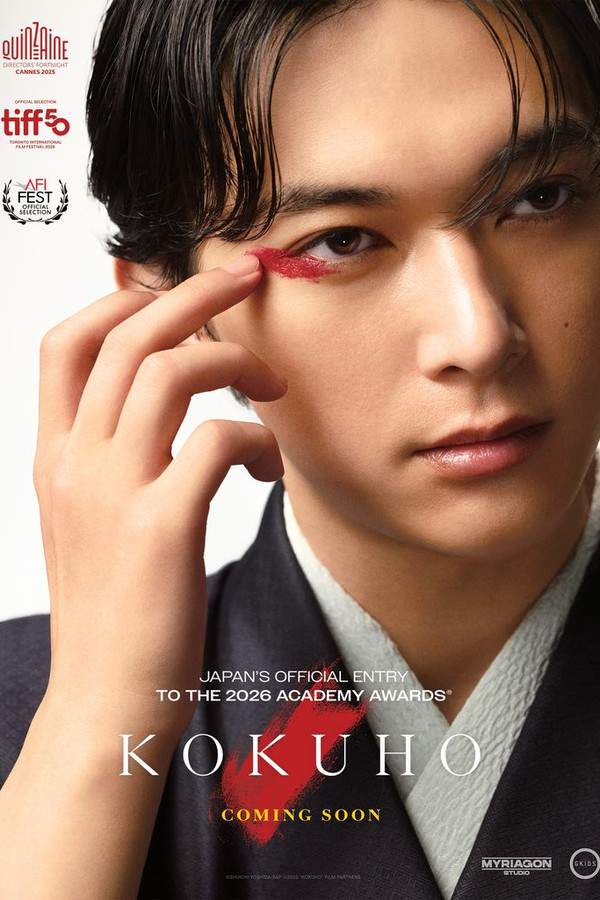
Kokuho 2025

Directed by

Lee Sang-il
Made by

Aniplex
Kokuho Plot Summary
Read the complete plot summary and ending explained for Kokuho (2025). From turning points to emotional moments, uncover what really happened and why it matters.
Renowned kabuki actor Ken Watanabe plays Hanjiro Hanai II, a seasoned onnagata whose presence anchors a New Year gathering that pulls the Tachibana yakuza world into focus. As the celebration unfolds, a rival yakuza faction launches a brutal assault that claims the life of Gongoro Tachibana (portrayed by Masatoshi Nagase), and Hanjiro and the young heir Kikuo Tachibana face a moment that will shape the entire family’s future. In the chaos, Kikuo’s loyalty to his bloodline collides with the thin line between vengeance and craft, and the moment marks the beginning of a reckoning that spans decades.
Following the tragedy, Kikuo bears a back tattoo of an eagle owl—a symbol of gratitude and the idea that debts are never truly settled—an emblem that will come to define his path within kabuki and beyond. His girlfriend Harue Fukuda, played by Mitsuki Takahata, can’t help but worry about how far he will go in pursuit of revenge, but the lure of mastery and recognition pulls him forward alongside a young Tokuji who shares his hunger. The friends’ first collaboration—an attempted deadly strike against their rivals—ends in failure, underscoring how power in this world is earned, not granted.
A year later, the year of Kikuo’s fifteenth birthday becomes a turning point when Ryô Yoshizawa steps into the frame as Kikuo Tachibana, the heir who finds himself apprenticed to Hanjiro. The marriage of tradition and ambition is tested as Hanjiro’s wife Sachiko Ogaki—portrayed by Shinobu Terajima—watches with wary eyes at the studio gates; bloodline and lineage are everything in this art form, and outsiders are treated with caution. Kikuo, now given the stage name Toichiro, trains alongside Hanjiro’s son Shunsuke (adult), known in the family circle as Hanya, in a bond that blends brotherhood with rival ambition. The two young men push each other toward excellence, setting a course that will shape kabuki’s present and future.
Tohan, the duo formed by Kikuo and Shunsuke, draws critical praise after a debut in Wisteria Maiden, and their rising profile catches the attention of Umeki from the Mitomo corporation, a heavyweight in the kabuki business. Umeki’s influence opens doors to larger venues, including a high-profile invitation to perform Ninin Dojoji at the Osaka Shochikuza Theatre. The corporate voice, however, is wary of hereditary limits—the idea that kabuki’s bloodline can both propel and imprison a performer—an undercurrent that foreshadows friction within the ranks. Takeno, a Mitomo employee, voices a cynical warning that the career path for Kikuo may be built more on privilege than merit, a thought that drives Kikuo to protect his standing with a sudden, visceral outburst.
The Tohan duo’s early triumphs bring unexpected light to Kikuo’s life, and he asks Harue to marry him. Yet Harue hesitates, sensing that the meteoric rise could corrode their relationship and complicate her own future. Meanwhile, a life-altering accident leaves Hanjiro nearly blind from diabetes, disrupting the plan for his upcoming leading role as Ohatsu in The Love Suicides at Sonezaki. In a surprising decision, Hanjiro designates Kikuo as his successor, passing the mantle of lead onnagata to him despite Sachiko’s protests. Shunsuke, unable to reconcile with the loss and feeling betrayed, withdraws from the stage; Kikuo, now forced to shoulder the full weight of the Hanai lineage, threads a precarious path between art and obligation as the world watches.
Eight years pass, and the aging master’s health deteriorates further. Hanjiro’s plan to pass the title of Hanai Hanjiro III to Kikuo moves forward, while Shunsuke returns with his own family, now having a son of his own, complicating the delicate balance of succession. Public sentiment shifts against Kikuo, as his yakuza background, his inked back, and the existence of an illegitimate daughter clash with the idealized image of the Hanai line. In the fold, Kikuo secretly begins a relationship with Akiko, the daughter of a prominent kabuki investor. Akiko’s father disapproves and tries to disown her, but love endures, drawing Akiko away from her family’s control and toward a life with Kikuo.
Tensions rise as Shunsuke and Kikuo collide again, their alliance strained as injuries mount. After a painful break, Kikuo retires from the stage and, for a time, makes a living by performing at banquets and small venues with Akiko by his side. A chance for redemption appears when Mangiku, now aged and retired, reaches out to Kikuo, inviting him back into the fold. The reunion is electric; Kikuo returns to the main stage as part of the Han-han duo with Shunsuke’s blessing, and he begins coaching Shunsuke’s son in kabuki—though his own heart keeps an eye on a different future, one that may involve basketball more than stage makeup.
A pivotal moment arrives during Ninin Dojoji, when Shunsuke cannot climb a ladder and Kikuo steps in to complete the scene. Shunsuke’s diabetes worsens, forcing him to amputate his left foot, and the disease soon spreads to his right foot. Despite the mounting pain, the two press on, delivering a performance that earns incredible acclaim but leaves Shunsuke on the brink of collapse. With Shunsuke’s health deteriorating and his future uncertain, the duo’s bond becomes all the more fragile, and Kikuo confronts the personal toll of carrying the Hanai name.
Fast forward to 2014, when Shunsuke is posthumously named Hanai Byakko V, and Kikuo is recognized as a kokuho, his status secured as a master of the art. He prepares to perform Heron Maiden in his honor, and in a quiet parallel, Ayase—Kikuo’s daughter through Fujikoma—emerges as a witness to his enduring legacy. In a reflective interview, Kikuo is asked what he seeks next, and he answers with a sentiment that echoes years earlier after Ninin Dojoji—he longs for a particular kind of scenery that can only be found on stage. The photograph in this moment is taken by Ayase, who has become both observer and participant in her father’s world, hinting at a complicated, unresolved connection between them.
When the curtain rises for Heron Maiden, the theatre is full and the lights blaze with a wintery glow. Kikuo delivers a performance that feels like a culmination and a rebirth all at once, and as the final notes fade, he looks up at the lights and imagines snow descending from above. The moment is intimate, intimate enough to feel like a confession: in awe of the scene before him, he allows himself to be moved by the beauty of scenery and sound, a reminder that, in kabuki, art and life are never truly separate. The story closes on a quiet, reflective note, with Kikuo’s eyes tracing the lights and the snow—an image that lingers long after the curtain falls.
Kokuho Timeline
Follow the complete movie timeline of Kokuho (2025) with every major event in chronological order. Great for understanding complex plots and story progression.
New Year gathering and tragedy at Tachibana
Renowned kabuki actor Hanai Hanjiro II visits the Tachibana yakuza group for a New Year gathering. Kikuo Tachibana performs an excerpt of Barrier Gate with yakuza youth Tokuji, and Hanjiro is impressed enough to request a private conversation after the show. Suddenly, rival yakuza attack, killing Gongōro, Kikuo’s father, while Hanjiro and Kikuo watch in shock.
Tattoo and vow for revenge
In the wake of Gongōro's death, Kikuo tattoos an eagle owl on his back, a symbol of gratitude for favors returned. He resolves to take revenge on the rival yakuza with Tokuji, despite Harue's protests about vengeance and its costs. The decision marks a dark turning point in his life.
Apprenticeship begins
A year after the tragedy, at age 15, Kikuo is taken on as an apprentice by Hanjiro within the Tanba-ya Kabuki house. Sachiko resents the outsider status and the yakuza bloodline, which Kabuki culture values. Kikuo is given the stage name Toichiro and begins training alongside Shunsuke (Hanya).
Early mentorship and Mangiku's warning
Raised together, Kikuo and Shunsuke form a close but competitive bond during rigorous training. They attend Mangiku's Heron Maiden, where the renowned onnagata warns that beauty can become a downfall if not tempered by discipline. The experience deepens their resolve to master the craft.
Teahouse encounter
At a teahouse, geisha Fujikoma expresses admiration for Kikuo and hints at a potential romantic connection. The encounter adds complexity to Kikuo's relationships and fuels his dedication to kabuki as he navigates personal ties.
First major ensemble debut
Sachiko and Hanjiro pair Kikuo and Shunsuke as the onnagata duo 'Tohan'. They debut with Wisteria Maiden, earning praise and establishing themselves as rising stars in the kabuki world. The success marks a turning point toward broader opportunities.
Mitomo invitation and hereditary caution
The Mitomo corporation, via Umeki, takes notice of the ToHan duo and offers them a chance to perform Ninin Dojoji at Osaka Shochikuza Theatre. Takeno admonishes the idea that kabuki success should be purely hereditary, foreshadowing tensions about lineage and legitimacy.
Debut success and Harue's hesitation
The ToHan duo debuts to wide acclaim, rapidly becoming popular as audiences respond to their chemistry and skill. Kikuo asks Harue to marry him, but she hesitates, torn between love and the uncertain pressures of rising fame.
Accident and underdog promotion
Hanjiro suffers a traffic accident but survives, leaving him unable to perform leading roles. He unexpectedly chooses Kikuo to replace Shunsuke as the lead in The Love Suicides at Sonezaki, triggering tension among the mentor, his wife, and the trainee.
Pivotal performance and fracturing bonds
Kikuo delivers a stunning Ohatsu performance, but Shunsuke feels eclipsed and withdraws from the theatre, with Harue choosing to comfort him. The successful performance sharpens the rift between Kikuo and Shunsuke as ambition clashes with loyalty.
Eight years later and succession
Eight years pass and Shunsuke remains absent. Hanjiro, now nearly blind from diabetes, wishes for Kikuo to inherit the title Hanai Hanjiro III. Despite Sachiko's disapproval, Kikuo accepts, shouldering his master's debts and responsibilities.
Ayase, shrine wish, and Akiko
Kikuo visits Fujikoma and meets his daughter Ayase, to whom he makes a shrine vow to become Japan's best kabuki actor. He also begins a romance with Akiko, the daughter of a prominent kabuki investor, provoking her father's disapproval and threatening their relationship.
Succession parade and Hanjiro's death
At the succession parade, Ayase runs to her father but is restrained by Fujikoma. Hanjiro vomits blood, halting the ceremony, as Shunsuke returns and Kikuo contends with a deepening sense of loss and responsibility in Mangiku's watchful presence.
Decline, comeback, and mentoring
Public opinion turns against Kikuo due to his yakuza past, tattoo, and illegitimate daughter, causing him to lose leads and withdraw from the stage. Mangiku later invites him back, and Kikuo reconnects with Shunsuke as the 'Han-han' duo, also coaching Shunsuke's son while balancing basketball distractions.
2014: legacy secured and Heron Maiden finale
Sixteen years after the earlier upheavals, in 2014, Shunsuke is posthumously granted the title Hanai Byakko V. Kikuo is named a kokuho and prepares to perform Heron Maiden in his honor. Ayase, now a photographer, interviews him about the scenery he seeks, revealing lingering emotional ties. Kikuo then performs Heron Maiden to a full house, ending with a snowfall vision that underscores his artistic triumph.
Kokuho Characters
Explore all characters from Kokuho (2025). Get detailed profiles with their roles, arcs, and key relationships explained.
Hanjiro Hanjiro II (Ken Watanabe)
A legendary kabuki master who leads the Tanba-ya house and embodies generations of tradition. He takes Kikuo as an apprentice, guiding the company through a shifting artistic landscape while navigating health issues and the burden of succession. Though his body weakens, his influence shapes the course of kabuki for years to come. His dedication to craft and lineage ultimately sets the stage for Kikuo’s rise as his potential successor.
Kikuo Tachibana (Ryo Yoshizawa)
A gifted onnagata with a fierce work ethic who is plucked from a yakuza background to become the Tanba-ya’s chosen successor. His devotion to the art fuels rapid ascent and intense public scrutiny, even as his outsider status sparks tension with established tradition. He forms a deep, complicated bond with Shunsuke and ultimately inherits the Hanjiro name, enduring immense personal and professional pressure. His journey is defined by reconciliation of his past with his desire to master the craft.
Shunsuke (Ryusei Yokohama)
Hanjiro’s son, talented but more casual and sometimes hungover, who grows into a rival and then collaborator with Kikuo. He initially assumes the heir’s role would pass to him, creating friction with Kikuo and with Hanjiro’s plans. His ongoing presence—despite health issues—shapes the duo’s dynamic and the broader drama of succession. His return and fatherhood with Harue deepen the personal stakes surrounding the Hanai lineage.
Harue (Mitsuki Takahata)
Kikuo’s girlfriend (and later the mother of Shunsuke’s son), who grapples with the implications of Kikuo’s yakuza past on their relationship and his career. She hesitates to marry him at key moments, reflecting the social pressures of lineage and propriety in the kabuki world. Her presence anchors a personal dimension to the broader struggle between love, ambition, and tradition.
Mangiku (Min Tanaka)
A veteran onnagata and Living National Treasure who serves as mentor and conscience for Kikuo and Shunsuke. He warns that beauty can be the path to downfall, yet his guidance offers a lifeline back into the world of kabuki when both are in need. His years of experience provide a bridge between past glory and ongoing reinvention of the art.
Fujikoma (Ai Mikami)
A geisha who admires Kikuo and longs for a romance with him, representing the personal desires that intersect with the rigid world of kabuki. She later becomes Ayase’s mother, shaping the intergenerational thread that informs the final act of the story. Her presence highlights the human emotional stakes behind the theatre’s public face.
Ayase (Miyazawa Emma)
Daughter of Fujikoma and Kikuo, raised in the orbit of the kabuki world. She grows into a witness who interviews Kikuo in the present, revealing the complexities of fatherhood and artistic devotion. Her perspective ties the decades of kabuki history to a newer generation and underscores the theme of legacy.
Sachiko (Shinobu Terajima)
Hanjiro’s wife, wary of Kikuo’s outsider status and the threat he poses to the traditional bloodline. She embodies the protective, sometimes resistant, stance of the kabuki household toward change. Her skepticism and guard over family honor add tension to the succession narrative.
Kokuho Settings
Learn where and when Kokuho (2025) takes place. Explore the film’s settings, era, and how they shape the narrative.
Time period
Late 1990s to 2014
The plot sweeps across decades, beginning with a New Year gathering and moving through a series of 'years later' moments. It traces Kikuo’s rise from outsider to heir, Shunsuke’s fading relevance, and the aging master’s decline, culminating in a 2014 recognition of Kikuo’s mastery. The period reflects evolving kabuki culture, debt, and the weight of lineage within a changing Japan.
Location
Osaka, Japan, Sonezaki
The story unfolds within Osaka's rich kabuki world, centered on the Tanba-ya house and its performers. Key venues include the Osaka Shochikuza Theatre where the Tohan duo debuts. The narrative also brushes against the teahouse and geisha districts of Sonezaki, highlighting a city where stage life and underworld ties coexist.
Kokuho Themes
Discover the main themes in Kokuho (2025). Analyze the deeper meanings, emotional layers, and social commentary behind the film.
🏯
Legacy vs Tradition
The film centers on a hereditary world where bloodline and lineage govern who may perform the lead roles. Kikuo is marked as an outsider due to his yakuza background, yet he is drawn into the ritual of succession. The tension between old customs and new realities tests loyalty, artistry, and the price of honor. The mentor-mentee dynamic with Hanjiro and Mangiku shows how tradition both sustains and exposes fragility in the Kabuki world.
🎭
Artistic Identity
Kikuo’s devotion to the craft of onnagata drives the plot, from his debut as part of the Tohan duo to his ascent as Hanjiro’s successor. The performances of Ninin Dojoji and Heron Maiden anchor the emotional stakes and showcase the artistry that defines his life. The story explores how beauty, skill, and performance can coexist with anxiety, rivalry, and personal sacrifice. Self-definition within a strict lineage becomes the core of his fate.
⚔️
Conflict and Redemption
The rise and fall of Kikuo is braided with rivalry, public judgment, and physical hardship, including Shunsuke’s diabetes and amputations. Public opinion and personal betrayals threaten to derail his path, yet he finds a path back through mentorship and collaboration with Shunsuke. The narrative culminates in a quiet, redemptive triumph as Kikuo is honored and returns to the stage, completing the circle of mastery and memory.

Coming soon on iOS and Android
The Plot Explained Mobile App
From blockbusters to hidden gems — dive into movie stories anytime, anywhere. Save your favorites, discover plots faster, and never miss a twist again.
Sign up to be the first to know when we launch. Your email stays private — always.
Explore the mobile appKokuho Spoiler-Free Summary
Discover the spoiler-free summary of Kokuho (2025). Get a concise overview without any spoilers.
In the bustling streets of 1964 Nagasaki, a teenage boy whose family once ruled the city’s underworld finds his world irrevocably altered when his father dies. The loss draws him into the elegant yet demanding realm of traditional Japanese theatre, where a celebrated Kabuki master offers him a place at his side. Kikuo steps away from the shadows of his lineage and into a world of precise gestures, intricate makeup, and a lineage that values bloodlines as much as talent.
The master’s own son, a gifted yet laid‑back performer, becomes Shunsuke, the boy’s counterpart and reluctant confidant. Together they enter the rigorous life of an acting school, where daily routines are measured in breath control, stylised movement, and the relentless pursuit of perfection. Their bond is forged through shared discipline, yet a subtle rivalry simmers beneath the surface, each pushing the other to transcend the expectations set by their disparate backgrounds.
Within the lacquered halls of Kabuki houses, the clash of cultures becomes a silent narrative of its own. Kikuo carries the weight of his tattooed past, while Shunsuke bears the privilege of hereditary prestige. Their journey from apprentices to stage partners is marked by moments of awe—witnessing legendary performers, absorbing the haunting beauty of classic plays, and feeling the electric anticipation that fills an audience before a curtain rises. The film paints this world with a reverent glow, juxtaposing the gritty reality of the streets with the ethereal elegance of the theatre.
Through lush cinematography and a score that weaves traditional chants with modern undertones, the story invites viewers into a meditation on identity, loyalty, and the transformative power of art. It asks whether one can truly reinvent oneself when the echo of the past lingers in every footstep, and whether the stage can become a sanctuary where rival worlds finally meet.
Movies with Similar Twists and Themes
Uncover films that echo the narrative beats, emotional arcs, or dramatic twists of the one you're exploring. These recommendations are handpicked based on story depth, thematic resonance, and spoiler-worthy moments — perfect for fans who crave more of the same intrigue.
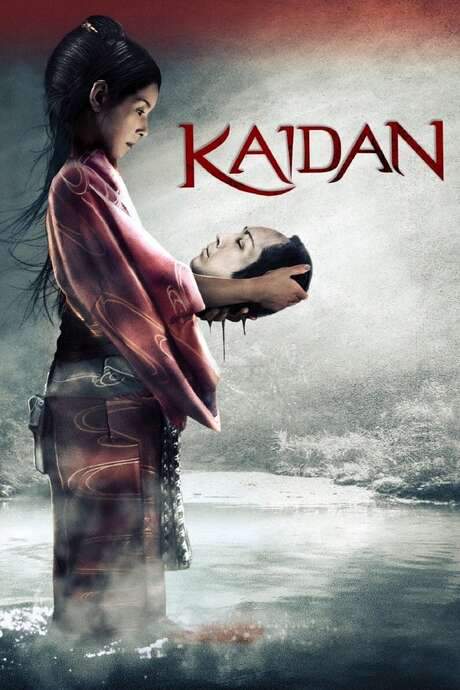
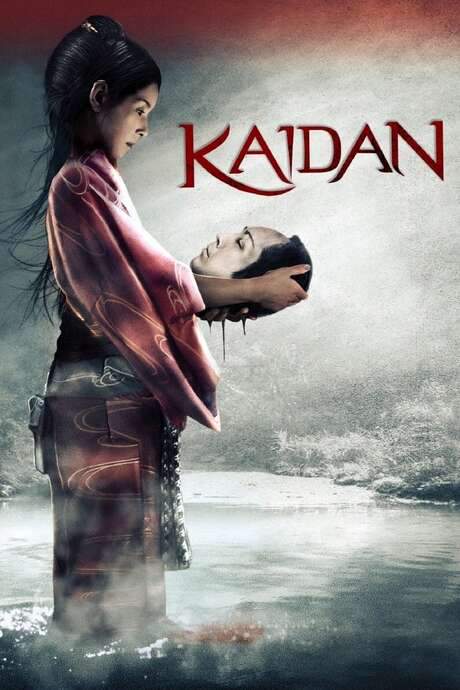
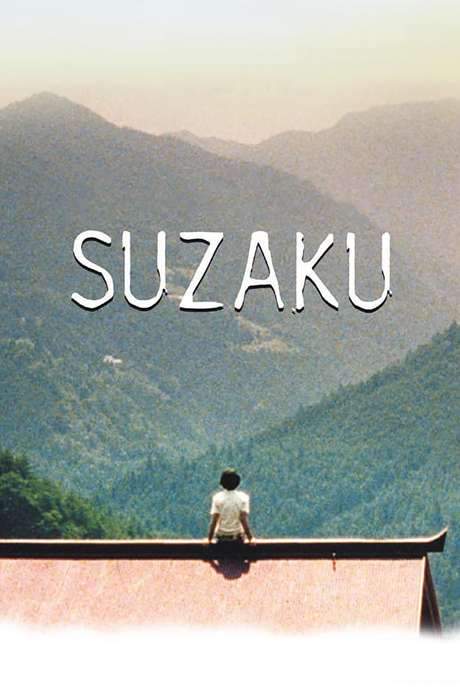

Featured on this page

What's After the Movie?
Not sure whether to stay after the credits? Find out!
Check out our other apps:

SAT Sphere
Build confidence for the Digital SAT.

Mori Atlas
Discover wild places worth protecting.

Luntero
Search smarter for a home in Amsterdam.

Plot Explained
Unravel movie endings and hidden clues.

Pokechamp
Dive into Pokémon data and battle logic.

Driving Theory
Get ready for your European theory test.

Movie Dust
Plan your next cinema trip with ease.

Musemap
Find art and culture as you travel.

Selkobase
Compare credentials before committing.

Local Manual
Turn an unfamiliar country into practical next steps.

Lernavi
Compare school systems before your next move.

GymRoam
Find a workout stop wherever your plans take you.
Explore Our Movie Platform
New Movie Releases (2026)
Famous Movie Actors
Top Film Production Studios
Movie Plot Summaries & Endings
Major Movie Awards & Winners
Best Concert Films & Music Documentaries
Movie Collections and Curated Lists
© 2026 What's After the Movie. All rights reserved.
Privacy Policy