
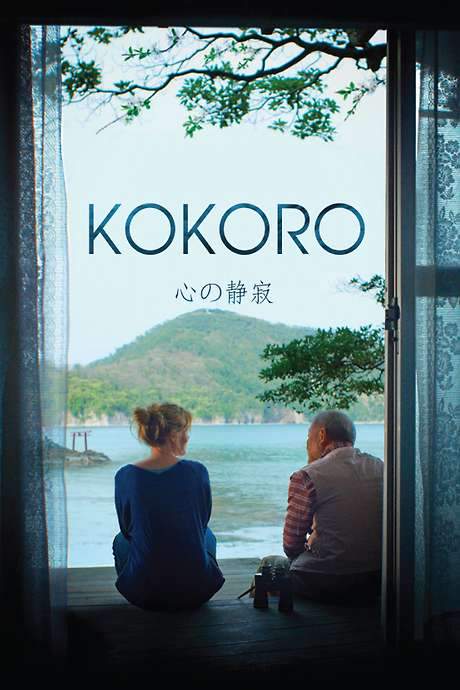
What Is Kokoro About?
The premise of Kokoro in 307 words, with nothing given away. The full story follows below.
Set in early twentieth-century Japan, Kokoro follows a thoughtful young narrator whose days in Kamakura are shaped by the sea, long walks, and the pleasure of close observation. At a seaside bathing house, he repeatedly notices a solitary man whose restrained manner suggests a life examined in depth rather than lived for show. A chance encounter brings them together, and the narrator comes to address him as Sensei—a teacher whose quiet authority is matched by a strong instinct for privacy.
Through recurring visits, Sensei becomes both mentor and mystery. The narrator is drawn to his wisdom and apparent concern, yet his teacher carefully maintains emotional distance. He speaks about admiration and disillusionment, resists explaining his past, and keeps certain absences and moods to himself. Sensei’s wife, who welcomes the narrator into their household, adds another layer to his guarded world. Their growing familiarity offers warmth, but it also reveals the careful boundaries Sensei refuses to cross.
As the friendship deepens, the narrator’s ties to family and the changing currents surrounding him highlight his own uncertainty about duty, belief, and the future. His need for guidance becomes increasingly difficult to separate from fascination with the man offering it. The result is an intimate bond viewed from both sides: grateful and attentive on one, protective and cautionary on the other.
The tone is reflective and melancholy, balancing everyday detail with a profound sense of inward searching. Landscapes of sea, city, and countryside carry the emotional rhythm, while silence and misdirection create a quiet suspense. At the heart of Kokoro is a mystery of character rather than action: what lies behind Sensei’s reserve, and what his example reveals about the younger man who has trusted him. Questions of conscience, attachment, loss, and the possibility of peace linger through restraint, leaving both narrator and viewer drawn toward a truth carefully withheld.
What Happens in Kokoro?
The complete story of Kokoro, from the first scene to the last, in 317 words (about 1 minute). Spoilers throughout. Names in the text link to 3 cast member pages.
Spoilers ahead
While vacationing in Kamakura, a young narrator befriends a mysterious man he comes to call “Sensei,” played by Jun Kunimura. As the two grow closer, Sensei remains an enigmatic figure, refusing to discuss his lack of occupation or the identity of a deceased friend he visits monthly. He warns the narrator that intimacy often leads to disillusionment, promising to reveal his past only when the time is right.
Years later, amidst the grief of his father’s declining health and the national mourning following the death of Emperor Meiji, the narrator receives a registered letter from Sensei. The letter contains a heartbreaking confession and a final goodbye:
“By the time this letter reaches you, I’ll be gone from this world. I’ll have already passed away.”
Rushing to Tokyo, the narrator reads the account of Sensei’s life. Sensei reveals how he was betrayed by his uncle, leading him to sever all ties with his hometown. In Tokyo, he found solace in the home of a widow and her daughter, played by Mugi Kadowaki, whom he deeply loved. However, his life became complicated when he invited a fellow student and friend, K, played by Masanobu Ando, to live with them.
A silent rivalry emerged as both men fell for the same woman. Feeling betrayed by K’s confession of love, Sensei manipulated K’s own strict ideals of discipline to discourage him, subsequently securing the daughter’s hand in marriage for himself. Unable to reconcile his passion with his principles—and crushed by Sensei’s betrayal—K committed suicide.
Though Sensei eventually married the daughter, the guilt of K’s death haunted him for decades. He lived a reclusive life, visiting K’s grave every month and losing faith in humanity. Ultimately, triggered by the suicide of General Nogi, Sensei decided he had outlived his era and chose to follow K’s path, leaving his secret to the narrator with the request that his wife never discover the truth.
Kokoro Timeline: Every Key Event in Order
15 key events in the order they happen, from “A Chance Meeting in Kamakura” to “Sensei's Final Decision”. 12 events name a place, across 7 locations.
- 1
A Chance Meeting in Kamakura
Left on his own in Kamakura after the friend who invited him is called home by his family, the narrator continues his routine swims in the sea. One day he notices a man at the changing house preparing to enter the water with a foreign guest, and thereafter sees the same man alone each day. After some days, he finds an occasion to make the man's acquaintance and comes to refer to him as 'Sensei.'
When:Summer Where:Kamakura
- 2
Parting in Kamakura
As the vacation ends, Sensei prepares to return home to Tokyo, and the two part ways. The narrator asks whether he may call on Sensei at his home sometime, and receives an affirmative answer, though a noticeably less enthusiastic one than he had hoped for.
Where:Kamakura
- 3
Becoming Close to Sensei
Weeks after his own return to Tokyo, the narrator makes his first visit, only to find Sensei away. On a later visit, Sensei's wife reveals that her husband makes monthly trips to the gravesite of a friend. Over subsequent months and years, the narrator comes to know Sensei and his wife quite well, but Sensei keeps his distance, refuses to discuss his reclusion, and warns that admiration leads only to disillusionment — while promising that one day he will divulge the full story of his past.
Where:Sensei's home, Tokyo
- 4
Graduation and a Father's Illness
After graduating, the narrator returns to his family home in the country, where his ailing father enjoys a brief respite. Plans are set for a graduation celebration, only to be put on hold by news that Emperor Meiji has fallen ill. As the weeks pass, the father gradually loses his vigor and becomes bedridden.
Where:The narrator's family home in the country
- 5
The Emperor's Death and an Unanswered Letter
From his bed, the narrator's father follows the papers as Emperor Meiji declines and eventually dies. After the Emperor's passing, the narrator's mother presses him to secure employment to ease his father's mind, and at her urging he writes to Sensei asking for help finding a position in Tokyo. Expecting no favorable answer on the job but at least some reply, he is disappointed when no response of any kind arrives.
- 6
General Nogi Follows His Emperor
With summer wearing on, the rest of the family is summoned home in anticipation of the father's final hour. News arrives that General Maresuke Nogi has committed junshi, taking his own life to follow his Emperor in death. All who hear of it are deeply moved by the act.
Where:The narrator's family home in the country
- 7
A Summons Refused
Shortly after Nogi's death, a telegram arrives from Sensei summoning the narrator to Tokyo. Unable to leave his dying father, the narrator refuses the request, first by telegram and then by a letter detailing his situation. Some days later, a thick letter arrives from Sensei by registered mail.
- 8
The Promised Letter
Stealing away from his father's bedside, the narrator opens the thick registered letter and finds that it contains the long-promised account of Sensei's past. Leafing through the pages, a line near the end catches his eye. It reads: 'By the time this letter reaches you, I'll be gone from this world. I'll have already passed away.'
Where:The narrator's family home in the country
- 9
Boarding the Train to Tokyo
Alarmed by what he has read, the narrator rushes to the station and boards the first train for Tokyo. Once on board, he takes out Sensei's letter and reads it through from the start. The letter opens with Sensei's explanation of his reticence over the summer and the motivation behind his final act, before turning to the account of his life.
Where:The train to Tokyo
- 10
Loss and Betrayal in Sensei's Youth
Sensei's letter recounts how he lost both parents to illness while still in his late teens, inheriting the family's considerable wealth as an only child. His uncle, entrusted with managing the estate during his years of study in Tokyo, quietly poured much of the fortune into failing businesses. Upon discovering the deceit, Sensei salvaged what remained, arranged the sale of his house and possessions, visited his parents' gravesite one last time, and severed all ties with his hometown and relations.
Where:Sensei's hometown in the countryside
Show the other 5 events of Kokoro Hide the last 5 events
- 11
Love at the Boarding House
Seeking calmer quarters, Sensei trades his boisterous student lodgings for a quiet boarding house run by a widow who lives there with her daughter and a maidservant. He falls in love with the daughter at first sight, yet his uncle's treachery has left him so distrustful that he cannot bring himself to ask the widow, who treats him as family, for her daughter's hand.
Where:The widow's boarding house, Tokyo
- 12
K Arrives and Rivalry Grows
Sensei persuades his struggling friend and former classmate K — disowned after abandoning medicine for religion and philosophy — to move in as a second boarder. K gradually warms to the household and grows more sociable, but Sensei begins to see him as a rival for the daughter's affection. During a walking tour together on the Boshu peninsula, Sensei is tormented by suspicions that K is drawn to the daughter, yet he lacks the courage to confess his own feelings.
Where:The widow's boarding house, Tokyo
- 13
Confession, Betrayal, and K's Suicide
K finally confesses his love for the daughter to Sensei, who is shocked and unable to muster a response. Sensing K's vulnerability, Sensei reminds him of his own ideals of discipline and servitude to a cause, then secretly asks the widow for her daughter's hand and is accepted, leaving K unaware until the widow informs him and scolds Sensei for the secrecy. Resolving to speak with K the next morning, Sensei instead finds that K has taken his own life during the night, leaving behind a note devoid of the rebuke he dreaded.
When:Night Where:The widow's boarding house, Tokyo
- 14
Marriage and a Life of Reclusion
Sensei arranges for K's burial in Zōshigaya Cemetery with the family's approval, and shortly after, he and the ladies relocate to a new house. He finishes his studies and marries the daughter half a year later, yet his betrayal of K casts a lasting shadow over the married life, one he can never share with his wife. Having lost faith in humanity and ultimately in himself, Sensei withdraws from the world into an idle, reclusive existence while making monthly pilgrimages to K's grave.
Where:Zōshigaya Cemetery, Tokyo
- 15
Sensei's Final Decision
Over the years, Sensei comes to realize that K's suicide was less about lost love than about alienation and disappointment in oneself, and he feels himself drawn ever more toward his friend's path. With the ending of the Meiji era and the passing of General Nogi, Sensei decides that he has outlived his time and must part from the world. His final request is that his wife never know his story, and that the account remain private until after she is gone.
Who Are the Main Characters in Kokoro?
4 characters, among them Léo, Sensei and K: who each one is and the part they play in the story. Every profile links to the actor’s page.
-

Léo
Played by Fabrizio Rongione
Léo is the young narrator who embarks on a journey of self-discovery. His friendship with Sensei leads him to confront complex emotions and existential questions about love and loss. Throughout the movie, he embodies curiosity and a desire for understanding the deeper meanings of intimacy.
- 🧠 Introspection
- 👫 Friendship
-
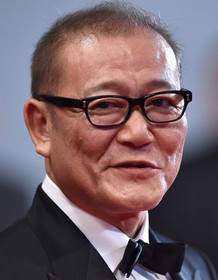
Sensei
Played by Jun Kunimura
Sensei is a mysterious figure whose past is shrouded in secrecy and regret. His complex relationship with K and his life choices reflect a deep internal conflict fueled by love and betrayal. Despite his enigmatic demeanor, his character serves as a catalyst for Léo's growth and understanding of human relationships.
- ⚖️ Guilt
- 🔍 Mystery
- K
K
Played by Masanobu Ando
K is a fellow student and friend of Sensei, whose intense feelings for the same woman incite a tragic rivalry. He embodies the conflict between personal desire and societal expectations. K's ultimate sacrifice serves as a haunting reminder of the destructive power of love and betrayal.
- ⚔️ Rivalry
- 💔 Tragedy
- H
Hiromi
Played by Mugi Kadowaki
Hiromi is the daughter of the widow who becomes the object of affection for both Sensei and K. Her character represents innocence and the unintended consequences of their rivalry. Ultimately, she unwittingly becomes a pawn in their complex emotional game.
- 💖 Love
- 👩👧 Family
Where and When Is Kokoro Set?
Kokoro is set in Kamakura and Tokyo (Late 19th century). Here is why the time and place matter to the story.
When
Late 19th century
The movie takes place during the late 19th century, a time marked by Japan's transition from the feudal era to modernity following the Meiji Restoration. This period saw significant social and cultural changes, along with the mourning of Emperor Meiji, deeply affecting the characters' emotional landscapes and relationships.
Where
Kamakura, Tokyo
Kamakura is a coastal city known for its historic temples and the Great Buddha statue, making it a tranquil and reflective setting for the narrator's growth. Tokyo, on the other hand, is a bustling metropolis, rich in history and modernity, serving as the backdrop for Sensei's complicated personal journey, filled with love and tragedy.
- 🏙️ City
- 📜 Historical
What Are the Themes of Kokoro?
3 ideas the story keeps returning to, among them Betrayal, Grief and Secrets.
-
01
Betrayal
Betrayal is a central theme in the movie, illustrated through Sensei's complex relationships and his ultimate manipulation of K. This act not only leads to personal tragedy but also fuels Sensei's lifelong guilt. The theme explores the consequences of betrayal on love and friendship, highlighting how it can irrevocably alter lives.
-
02
Grief
Grief permeates the narrative, significantly influencing the characters’ decisions and emotional states. Sensei's regret over K's death and the national mourning following Emperor Meiji's passing reflect the profound impact of loss. The exploration of how grief shapes one's identity and relationships is pivotal to the story.
-
03
Secrets
The theme of secrets runs deeply throughout the film, highlighted by Sensei's refusal to share his past and the hidden truths of his actions. These secrets create tension and mystery, driving the narrator's pursuit for understanding. Ultimately, they reveal the complexities of human relationships and the weight of unspoken truths.
What Kind of Film Is Kokoro?
Melancholic in tone, with slow pacing and a complex story, going by the plot summary.
- Tone
- Melancholic
- Pacing
- Slow
- Story
- Complex
- Intensity
- Medium
- Ending
- Bleak
A slow, contemplative drama steeped in grief and moral guilt, using a friend's confession to reveal a tragic story of betrayal, lost love, and suicide.
- melancholic
- somber
- reflective
- quietly intense
- intimate
- contemplative
- grief and loss
- suicide
- guilt and remorse
- love triangle
Content notes: suicide, grief and loss, emotional manipulation, romantic betrayal.
Quiz
How well do you remember Kokoro? Test yourself on the story.
