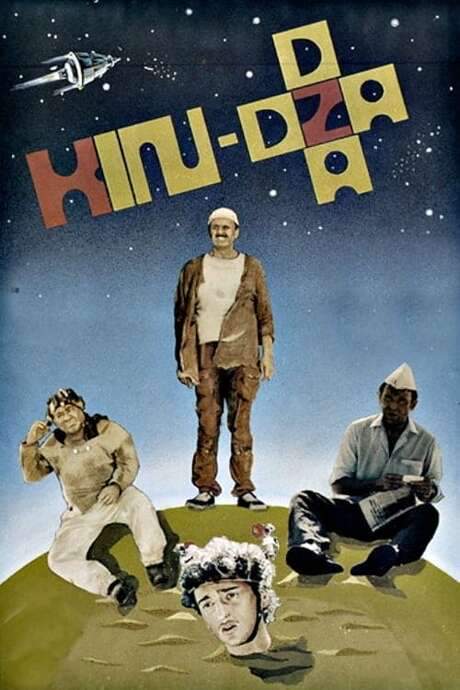
Kin-dza-dza! 1986


Directed by

Levan Gabriadze
Made by

Mosfilm
Where to Watch Kin-dza-dza!
See current US streaming, rental, and purchase options for Kin-dza-dza! (1986) via JustWatch.

ARROW
HD
Bloodstream
HD
Eternal Family
HD
Fandor Amazon Channel
HD
Midnight Pulp
HD
Midnight Pulp Amazon Channel
HD
Night Flight Plus
HD
OVID
SD
Philo
HD
Darkroom
HD
Fawesome
HD
Hoopla
SD
Cineverse
HD
Amazon Video
SD Streaming availability powered by 
Kin-dza-dza! Plot Summary
Read the complete plot summary and ending explained for Kin-dza-dza! (1986). From turning points to emotional moments, uncover what really happened and why it matters.
In a vivid, sharply observed portrait of late Soviet life rewritten as a surreal fable, the story starts in 1980s Moscow with Vladimir Nikolaevich Mashkov — known to friends as Uncle Vova Stanislav Lyubshin — trudging home after a grueling day as a construction foreman. His wife asks him to pick up groceries, and the ordinary evening is upended when, parked in the city centre on Kalinin Prospekt, a barefoot man in a tattered coat stops him with an almost biblical question: “Tell me the number of your planet in the Tentura? Or at least the number of your galaxy in the spiral?” The moment is casual yet eerie, a doorway opened to something entirely alien.
Vova and a young Georgian student with a violin, who becomes the film’s memorable Violinist Levan Gabriadze, pause to talk to the stranger. The stranger unveils a device he calls a device for moving in space, a teleportation thing that promises a shortcut beyond time and space. Skeptical but curious, Uncle Vova presses a random button despite the stranger’s warnings, and in a flash they are ripped from their familiar street to a place very far from home: the planet Pluke in the Kin-dza-dza galaxy.
On Pluke, life unfolds with a strange, almost childlike directness that mocks human pretensions. The inhabitants look almost ordinary but live by a tongue-in-cheek, telepathic code, and the two indispensable words of their culture are ku (for goodness) and kyu (for every form of badness). The locals are quick to adapt to Russian and Georgian, which helps the Earth newcomers survive in a world where speech is only a ritual, not a barrier. The society is split into two rigid camps: Chatlanians and Patsaks. A small handheld device called the visator reveals who is who—an orange light marks a Chatlanian, while a green light marks a Patsak—making social status an on-the-spot verdict. The Patsaks, though, carry the burden of ritual worship and obedience, while the Chatlanians enjoy a tentative privilege, a dynamic that hints at a broader, unsettling commentary on power and class. (The narrative makes clear that the two groups are not fixed by fate; Pluke’s tensions shift depending on where you are, who you’re with, and what you own.)
The landscape of power on Pluke is guarded by the ecilopps—the only group allowed to wield weapons, known to locals by their backward-spelled name for “police.” The everyday social currency is bizarre yet revealing: the color of one’s pants becomes a sign of status, dictating how many times one must say ku as a form of submission. The planet’s ruler, a figure named Mr. P-Zh, seems harmless at close range but exerts coercive power through ritual reverence and fear. The fuel that powers Pluke’s world, called luts, is produced from water; water itself is scarce and valuable because every drop must be converted into this processed energy, a detail that underscores how basic resources shape social order.
Amid this strange society, ordinary objects take on extraordinary value. Wooden matches, called ketse, become precious relics, traded and sought after much as much more mundane items would be on Earth. The Earth travelers encounter locals named Uef and Bi, who drift in and out of their efforts to fix a way home. These encounters swing between aid and betrayal, shaping the duo’s attempts to repair a ship or raid the private domain of the enigmatic Mr. P-Zh in hopes of reclaiming their way back to Earth. The plot threads alternate between moments of peril and sly humor, revealing a world where survival often hinges on wit, luck, and a willingness to play by rules that feel absurdly arbitrary to outsiders.
As the journey unfolds, the mission to return home grows ever more urgent. The story eventually threads back to the moment at the film’s start, but with a twist: the man who began their odyssey returns Uncle Vova and the Violinist not to their own city, but to the film’s opening scene. The world seems to reset, and when Uncle Vova steps outside again, he and the Violinist do not recognize each other at first. A passing tractor flashes an orange light, and the two instinctively crouch and utter “ku”—the ritual of fear and deference that has defined their lives on Pluke. It is only then that they re-establish a connection, and the film closes on a note of melancholy irony and muted wonder as Uncle Vova looks up at the sky and hears the distant, hopeful strains of a song performed by the locals Wef Evgeni Leonov and Bi.
Kin-dza-dza! Timeline
Follow the complete movie timeline of Kin-dza-dza! (1986) with every major event in chronological order. Great for understanding complex plots and story progression.
Vova returns home from a stressful day in 1980s Moscow
Construction foreman Vladimir Mashkov, known as Uncle Vova, arrives at his apartment after work. His wife asks him to buy groceries, setting up a mundane domestic life before the extraordinary events begin. This scene establishes the ordinary world the protagonists inhabit before the strange encounter.
A mysterious barefoot man on Kalinin Prospekt
On a central street in Moscow, a strange barefoot man in a tattered coat asks passersby about numbers of planets and galaxies. Uncle Vova and the Violinist stop to talk with him, intrigued by the stranger's questions. The encounter hints at a propulsive device and travel beyond Earth.
The device is tested and they are transported
The stranger demonstrates a teleportation device and cautions about its dangers. Against his warning, Vova presses a button and triggers a teleport. They are suddenly whisked away to the planet Pluke in the Kin-dza-dza galaxy.
Arrival on Pluke and first impressions
Vova and the Violinist arrive on the arid, alien world of Pluke. The Plukanians look human but show a primitive technology and a barbaric culture, while remaining telepathic and quickly adapting to Russian and Georgian. The new environment sets the stage for a satire of human society.
The visator brands them Patsaks
A handheld visator identifies them as Patsaks with a green light, placing them within Pluke's social hierarchy. The Patsak-Chatlanian divide drives conflict and comedy as characters navigate status. The device foreshadows the rules they must follow.
Patsaks and Chatlanians: social rules
Pluke's society is split into Patsaks and Chatlanians, with Patsaks holding privilege. The ecilops police enforce obedience, and respect is shown by counting 'ku' in interactions with others. The color of pants signals social standing, shaping daily life on Pluke.
Water-based fuel and scarcity
Pluke runs on a fuel called 'luts', made from water, making water itself precious. All natural water has been processed into luts, turning drinking water into a valuable commodity. This scarcity drives the travelers' decisions and conflicts.
Uef and Bi appear as allies and obstacles
During their stay, the locals Uef and Bi alternate between helping and abandoning Uncle Vova and the Violinist. Their shifting loyalties shape the duo's efforts to get back home. Uef and Bi's involvement adds size to the quest and danger to their escape plan.
Ketse: the matchsticks as treasure
A recurring plot point is that wooden matchsticks, ketse, are extremely valuable on Pluke. Vova and Violinist must secure them to trade or power devices. The quest for ketse drives interactions with Uef, Bi, and P-Zh's private compound.
A return to the start of the film
The man from the opening scene returns Uncle Vova and the Violinist to the very beginning of the film. They find themselves in a world that seems familiar but they no longer recognize each other. The reset creates a paradoxical loop that comments on memory and fate.
The city center scene replays with misrecognition
As Vova goes outside, the city center seems devoid of the mysterious man. He meets the Violinist again, but they do not recognize one another, illustrating the effects of the reset. A tractor with orange lights triggers a remembered ritual and reshapes their perception.
A final cue: recognition and song
A passing tractor and the familiar cry of 'ku' remind them of their Pluke identities. Vova looks to the sky and hears a song performed by Uef and Bi, linking the two timelines and leaving a haunting sense that life on Pluke persists beyond the reset.
Kin-dza-dza! Characters
Explore all characters from Kin-dza-dza! (1986). Get detailed profiles with their roles, arcs, and key relationships explained.
Vladimir Nikolaevich Mashkov (Uncle Vova) - Stanislav Lyubshin
A stressed construction foreman from 1980s Moscow who tests the teleportation device. Practical and impulsive, he tries to navigate Pluke’s brutal social rules while clinging to the hope of returning home to his wife and ordinary life.
The Violinist (Georgian student)
A young Georgian student traveling with Uncle Vova. Bright, curious and somewhat wary, he uses his violin and wits to navigate the strange world of Pluke.
Wef (Uef) - The Wandering Chatlanian Singer
A wandering Chatlanian singer who interacts with the Earth visitors, offering aid and complicating alliances on Pluke.
Bi
A local of Pluke who alternates between helping and abandoning the Earth visitors, reflecting the unpredictable nature of the planet’s inhabitants.
Mr. P-Zh (P-Zh)
The nominal leader of Pluke, P-Zh appears harmless and dumb in person, yet his authority underpins the social order and its rituals.
Kin-dza-dza! Settings
Learn where and when Kin-dza-dza! (1986) takes place. Explore the film’s settings, era, and how they shape the narrative.
Time period
1980s
The action begins in late Soviet-era Moscow, a time of shortages and political tension. The transport to Pluke interrupts the ordinary timeline, juxtaposing the familiar urban life with a satirical alien world. The 1980s setting frames the film’s critique of authority, consumerism, and social hierarchies.
Location
Moscow, Pluke (Kin-dza-dza galaxy)
The story opens in 1980s Moscow, a gray, bureaucratic urban setting. A strange visitor urges the protagonists to test a teleportation device, which unexpectedly sends them to the planet Pluke in the Kin-dza-dza galaxy. Pluke features a two-tier society of Chatlanians and Patsaks, governed by ritual and a device called the visator. The planet’s day-to-day life centers on the scarcity of water (luts) and the extreme value placed on mundane objects like ketse matches.
Kin-dza-dza! Themes
Discover the main themes in Kin-dza-dza! (1986). Analyze the deeper meanings, emotional layers, and social commentary behind the film.
👑
Class System
Kin-dza-dza humorously exaggerates social stratification. On Pluke, clothing color, the visator light, and pant shade determine a person’s status, revealing how arbitrary cues govern behavior and power. Patsaks and Chatlanians navigate a system designed to enforce humiliation and obedience. The satire exposes the fragility and performativity of social rank.
💬
Language & Communication
The Plukanian language centers on the two words ku and kyu, underscoring how meaning is reduced to simple terms. The Earth visitors must learn to understand Russian and Georgian, while locals communicate through telepathy and coded signals. Misunderstandings and shortcuts highlight the fragility of cross-cultural communication. The visator provides a pragmatic tool for judging status, shaping interactions.
💧
Scarcity
Water, processed into luts, becomes a scarce and valuable resource. Ketse matches, as ordinary wooden sticks, are improbably precious, illustrating how value is manufactured by social rules. The economy of Pluke hinges on the control and distribution of basic commodities. The seriousness of scarcity is played for absurd humor, revealing human vanity.
🤡
Absurdity
Kin-dza-dza parodies bureaucracy, violence, and power through its bizarre rules and rituals. The juxtaposition of a mundane city street with a brutal planetary order creates a continuous sense of satire. Characters bend, switch, and exploit rules to survive, exposing the emptiness of pretensions. The film uses satire and surreal humor to critique human folly.

Coming soon on iOS and Android
The Plot Explained Mobile App
From blockbusters to hidden gems — dive into movie stories anytime, anywhere. Save your favorites, discover plots faster, and never miss a twist again.
Sign up to be the first to know when we launch. Your email stays private — always.
Explore the mobile appKin-dza-dza! Spoiler-Free Summary
Discover the spoiler-free summary of Kin-dza-dza! (1986). Get a concise overview without any spoilers.
In a muted Moscow evening, the routine of a weary construction foreman is shattered when a mysterious stranger offers a glimpse of something beyond ordinary life. Uncle Vova—a middle‑aged man whose days are filled with the grind of Soviet bureaucracy—finds himself, along with a bright‑eyed Georgian music student known only as the Violinist, thrust through an enigmatic teleportation device into the stark, sun‑baked deserts of the planet Pluke. The film opens on this sudden displacement, setting a tone that blends dry Soviet realism with a wildly imagined alien landscape.
Pluke is a world where the ordinary becomes absurd: its inhabitants communicate through a limited vocabulary of “ku” and “kyu,” and social status flashes in colors from handheld devices, turning a simple orange or green light into a marker of privilege. The planet’s atmosphere is both childlike and menacing, populated by hierarchies that echo class divisions without ever feeling familiar. Water is a prized commodity, transformed into a mysterious fuel that powers daily life, while mundane objects such as wooden matches acquire an almost mythic value. This bizarre economy and the ritualized deference that governs it create a backdrop that feels both comedic and unsettling.
Against this backdrop, Uncle Vova and the Violinist must learn to read the planet’s cryptic customs and survive within a system that rewards the slightest adherence to its arbitrary rules. Their contrasting backgrounds—Vova’s practical, world‑worn pragmatism and the Violinist’s youthful curiosity—provide a dynamic partnership that fuels both humor and tension as they navigate a society that treats language as ceremony and clothing as status. The film’s tone oscillates between deadpan satire and wistful melancholy, inviting the audience to reflect on human pretensions while being delighted by the sheer eccentricity of Pluke.
The story unfolds as a surreal fable, using the alien setting to hold a mirror to late‑Soviet life, exposing the absurdities of bureaucracy, class, and survival. By placing two ordinary Earthlings in an environment where every interaction is filtered through strange laws of space and time, the film creates a compelling mix of comedy, philosophical observation, and visual wonder, leaving viewers eager to watch how these strangers negotiate a world that seems both alien and oddly familiar.
Movies with Similar Twists and Themes
Uncover films that echo the narrative beats, emotional arcs, or dramatic twists of the one you're exploring. These recommendations are handpicked based on story depth, thematic resonance, and spoiler-worthy moments — perfect for fans who crave more of the same intrigue.
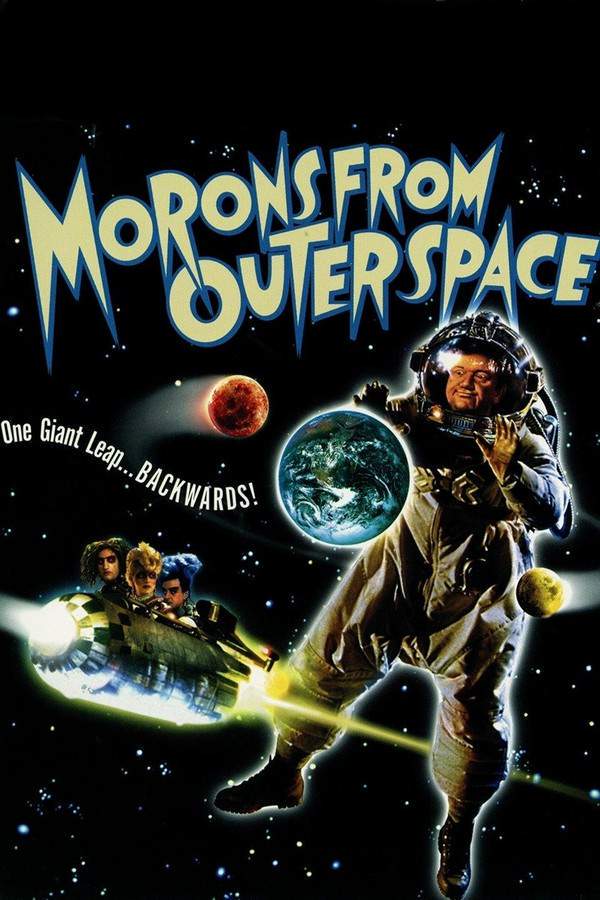



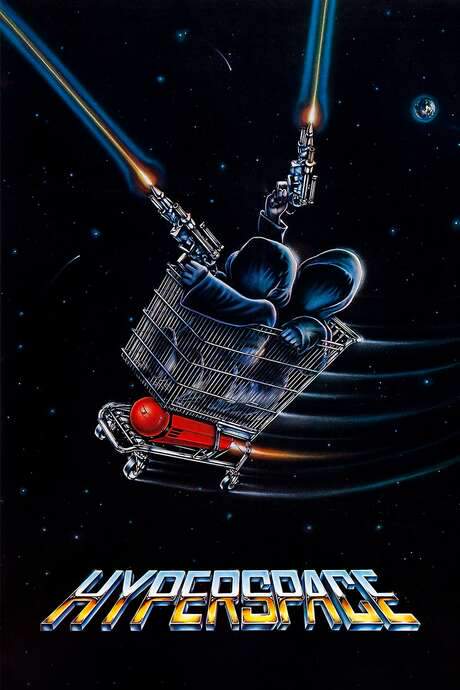
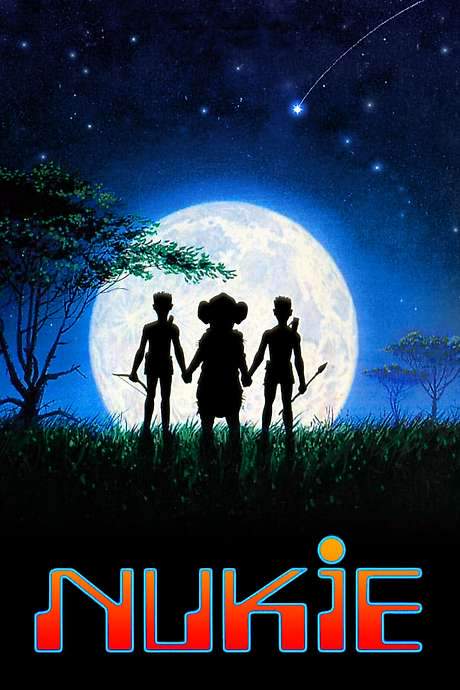


Featured on this page

What's After the Movie?
Not sure whether to stay after the credits? Find out!
Check out our other apps:

SAT Sphere
Build confidence for the Digital SAT.

Mori Atlas
Discover wild places worth protecting.

Luntero
Search smarter for a home in Amsterdam.

Plot Explained
Unravel movie endings and hidden clues.

Pokechamp
Dive into Pokémon data and battle logic.

Driving Theory
Get ready for your European theory test.

Movie Dust
Plan your next cinema trip with ease.

Musemap
Find art and culture as you travel.

Selkobase
Compare credentials before committing.

Local Manual
Turn an unfamiliar country into practical next steps.

Lernavi
Compare school systems before your next move.

GymRoam
Find a workout stop wherever your plans take you.
Explore Our Movie Platform
New Movie Releases (2026)
Famous Movie Actors
Top Film Production Studios
Movie Plot Summaries & Endings
Major Movie Awards & Winners
Best Concert Films & Music Documentaries
Movie Collections and Curated Lists
© 2026 What's After the Movie. All rights reserved.
Privacy Policy