
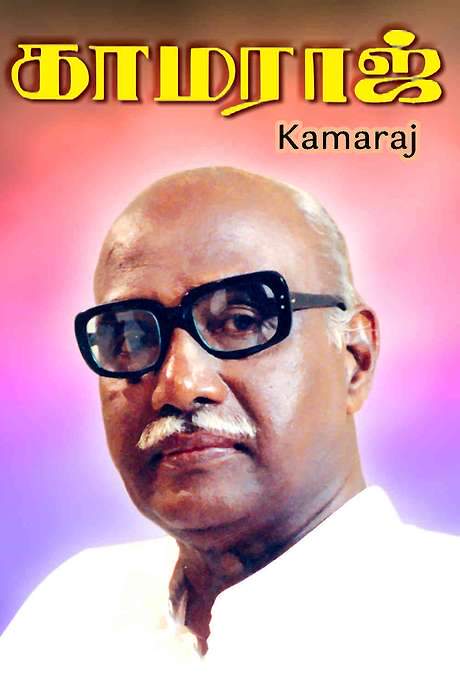
What Is Kamaraj About?
The premise of Kamaraj in 313 words, with nothing given away. The full story follows below.
In the waning days of British rule, a modest village in the heart of Madras State cradles the early life of a boy who will become a quiet force in a nation on the brink of freedom. Kamaraj grows up under the watchful eye of a passionate mentor, Satyamurthy, whose ideals plant the seeds of public service in his mind. The film opens with an atmospheric portrait of a time when ordinary streets echo with extraordinary aspirations, hinting at the raw determination that will shape a future leader.
As the new republic takes shape, Kamaraj steps onto the political stage, navigating a landscape of hopeful reform and lingering colonial shadows. The tone balances reverence with a touch of levity, showcasing his uncanny ability to blend humor with earnest governance—whether he’s responding to a humble request for comfort or refusing the perks of power. The narrative swirls around his vision for education and social uplift, painting a leader whose generosity feels as natural as the monsoon rains that nurture the fields of his youth.
The story then drifts toward a broader canvas, where Kamaraj moves from the helm of state administration to the intricate corridors of national party politics. Here the film hints at his emerging role as a kingmaker, a figure whose counsel shapes decisions far beyond his home state. The mood subtly shifts, reflecting a growing awareness of the moral complexities that begin to surface within the political arena, and inviting viewers to wonder how a man of principle confronts an evolving ethical landscape.
Cinematically, the film is a sweeping biographical tableau, rich with period detail and an understated, dignified score that underscores the gravity of the era. It invites the audience to feel the weight of a nation’s collective memory, as the final frames quietly echo the resonance of a leader whose legacy continues to stir the hearts of countless devotees.
What Happens in Kamaraj?
The complete story of Kamaraj, from the first scene to the last, in 371 words (about 2 minutes). Spoilers throughout. Names in the text link to 1 cast member page.
Spoilers ahead
Phase I — Pre-Independence
K. Kamaraj, Richard Madhuram, is introduced as a boy whose world is shaped by village life, the era’s social currents, and an emerging sense of public duty. The narrative traces his growing political awareness under the influence of a mentor and the rough-and-tumble of a country inching toward independence. It also hints at the personal costs of this path, including his prison life, which would become a defining thread in his early years and foreshadow the discipline and resilience he would carry into later leadership.
Phase II — Rise to Chief Minister
As the film moves into the next phase, the focus shifts to his ascent to the positions of power and responsibility within the Congress. He initiates ambitious reforms in education and public welfare, building a reputation for largesse and practical problem‑solving. The story highlights his humility and integrity, even when he bends the rules for a just cause—such as arranging an urgent eye operation for a child in need. Moments of warmth and humor recur, like the anecdote of a village mother sending word that she needed a fan and a blanket, underscoring his connection to ordinary people. And there are quiet demonstrations of restraint, including his insistence on removing a newly installed tap from his village house, signaling that he would not exploit his position for personal gain.
Phase III — The Kamaraj Plan and National Influence
The third phase centers on the Kamaraj Plan, the strategic decision to resign from the post of Chief Minister and devote himself more fully to party work. The narrative expands to his influence on national politics, tracing how he became a kingmaker whose counsel and example could sway the course of events beyond his own state. It also conveys his growing disillusionment with the emerging non‑ethical currents in political life, conveying a sense of cultural and moral struggle that accompanies a long career in public service.
Closing sequence
The film closes with a poignant, record‑based portrayal of his funeral, showing swarms of humanity mourning their beloved leader. The final images, drawn from actual funeral records, leave a lasting impression of the leader’s broad impact and the deep affection he inspired among people from all walks of life.
Kamaraj Timeline: Every Key Event in Order
12 key events in the order they happen, from “Early life and formative influences” to “Legacy and remembrance”. 9 events name a place, across 7 locations.
- 1
Early life and formative influences
The film opens in the pre-independence era, highlighting Kamaraj's childhood and the shaping influence of Satyamurthy. These early years establish his political conscience and resilience. The narrative hints at the challenges he would later confront, including a period in prison during the freedom struggle.
When:Pre-Independence period
- 2
Rising political figure and prison experiences
Kamaraj grows into a capable political figure, navigating the turbulent corridors of the freedom movement. The story also recounts his time in prison, which tests his resolve and deepens his commitment to public service. These experiences plant the seeds of his later leadership within the Congress.
When:During the freedom movement
- 3
Ascending to Chief Minister
In the second phase, Kamaraj takes over as the Congress Chief Minister of the state and assumes responsibility for governance. He begins implementing reforms and earning respect for his practical, people-centric approach. This marks the start of his reputation for both reform and largesse.
When:CM tenure Where:State capital
- 4
Educational reforms
Kamaraj pushes sweeping educational reforms aimed at expanding access and improving quality across the state. His policies reflect a pragmatic, long-term view of development and social uplift. The reforms become a hallmark of his administration's legacy.
When:CM tenure Where:State capital
- 5
Largesse: eye operation for a child
One notable act is bending rules to secure an urgent eye-operation for a child, illustrating his willingness to use authority for immediate welfare. This humane gesture underscores how governance can directly touch individual lives. The moment reinforces public trust in his leadership.
When:CM tenure Where:State
- 6
Humor and humility
The film highlights his sense of humor in small personal moments, such as the anecdote about a mother's request for a fan and a blanket. These episodes reveal a grounded personality that stays connected with ordinary people's concerns. They contrast with power corridors and soften the image of a political leader.
When:CM tenure Where:State
- 7
Ethical stance: refusing to misuse power
A telling scene shows him asking for the newly installed tap to be removed from his village house, prioritizing principle over privilege. The act reinforces his reputation for integrity and a refuse-to-lean-on-office attitude. It exemplifies ethical leadership in practice.
When:CM tenure Where:Village
- 8
Kamaraj Plan and resignation
The third phase centers on the Kamaraj Plan, where he resigns from the Chief Minister's post to focus on party work. The move signals a shift from state leadership to national-level strategy. It redefines his role within the Congress and signals his commitment to national politics.
When:Kamaraj Plan period Where:National politics
- 9
Influence on national politics
After stepping back from the state, he emerges as a kingmaker, guiding national political decisions and shaping Congress leadership. His influence demonstrates how regional leaders can define national trajectories. The period marks a transition from administration to strategic political influence.
When:Post-CM Where:National stage
- 10
Disillusionment with ethical decline in politics
As non-ethics creep into political life, he becomes disillusioned with the direction of politics. He longs for principled leadership and a return to ethical governance. The narrative frames this disillusionment as a core motivation for his vision of reform.
When:Later career Where:National
- 11
Closing funeral sequence
The film culminates with a closing scene taken from actual funeral records, showing swarms of humanity mourning their beloved leader. The footage underscores the breadth of public affection and the enduring impact of his life. It provides a poignant ending to the biographical arc.
When:Funeral Where:Nationwide
- 12
Legacy and remembrance
Beyond the funeral, the narrative suggests how Kamaraj's reforms and ethical leadership continue to inspire future generations. People remember him for a model of service and integrity that transcends his era. The film leaves a sense of durable national memory.
When:Posthumous legacy
Who Are the Main Characters in Kamaraj?
2 characters, among them K. Kamaraj and Periyar E. V. Ramasamy: who each one is and the part they play in the story. Every profile links to the actor’s page.
- KK
K. Kamaraj
Played by Richard Madhuram
From a humble childhood, Kamaraj’s path is shaped by early influences and a growing commitment to public service. The film follows his evolution as a politician, his prison life, and his reform-driven tenure as Chief Minister, including moments of humor and restraint. He uses power to aid others, notably bending rules for a worthy cause, and his career culminates in national influence and a poignant funeral scene reflecting public mourning.
- 🏛️ Politician
- 🎓 Education reformer
- 🕊️ Humble leader
-

Periyar E. V. Ramasamy
Played by Vijayakumar
A renowned social reformer whose ideas frame the era’s political discourse. In the film, his legacy provides a benchmark for reform and ethical leadership, shaping attitudes toward education and social justice within the political sphere.
- 🧭 Influence on politics
- 📚 Social reform
- 🕊️ Ethical leadership
Where and When Is Kamaraj Set?
Kamaraj is set in Tamil Nadu and India (Pre-independence to mid-20th century). Here is why the time and place matter to the story.
When
Pre-independence to mid-20th century
The film spans the pre-independence period and the subsequent decades, charting Kamaraj’s childhood, his prison years, and his later rise as Chief Minister. It situates education reforms and political strategy within the broader arc of India’s post-colonial development. The timeline culminates with his influence on national politics and the famous Kamaraj Plan.
Where
Tamil Nadu, India
The story unfolds across Tamil Nadu, tracing the political and social landscape from village life to the state’s capital centers. It reflects the era’s public spaces where reforms in education and governance took shape. The backdrop anchors the narrative in mid-20th-century India, a time of transformation and grassroots mobilization.
- 🇮🇳 India
- 🗺️ Tamil Nadu
What Are the Themes of Kamaraj?
3 ideas the story keeps returning to, among them Education, Ethics in Power and Leadership & Legacy.
-
01
Education
Education is a central driver in the narrative, illustrating how expansion of schooling and access to learning can alter a community’s fortunes. The film highlights practical reforms and the impact of educated citizens on governance. It ties personal leadership to lasting institutional change.
-
02
Ethics in Power
The story emphasizes restraint and humility in leadership, showcasing moments where Kamaraj uses influence for good rather than personal gain. It contrasts political power with public service and highlights ethical decision-making in governance.
-
03
Leadership & Legacy
Kamaraj’s role as a kingmaker and his strategic moves demonstrate how principled leadership can shape national politics. The film traces his rise, his influence, and his disillusionment with unethical practices. The closing scenes underscore a lasting legacy felt by the people.
What Kind of Film Is Kamaraj?
Hopeful in tone, with steady pacing and a moderate story, going by the plot summary.
- Tone
- Hopeful
- Pacing
- Steady
- Story
- Moderate
- Intensity
- Medium
- Ending
- Sad
A respectful and inspiring biographical drama that follows the steady political rise of a humble leader, characterized by moments of warmth and integrity, culminating in a somber and emotionally resonant portrayal of national mourning.
- inspiring
- somber
- reflective
- respectful
- uplifting
- nostalgic
- political biography
- public service
- education reform
- grief and loss
Content notes: incarceration.
Quiz
How well do you remember Kamaraj? Test yourself on the story.
