What Is Judge Priest About?
The premise of Judge Priest in 317 words, with nothing given away. The full story follows below.
In the waning years of the 19th century, a quiet Kentucky community finds its rhythm interrupted by the arrival of Judge Priest, a charismatic former Confederate soldier whose quick wit and down‑to‑earth sensibility set the town’s pulse racing. The landscape is one of post‑bellum transition, where old loyalties linger beneath a veneer of new order, and the judge’s presence promises a blend of humor and common‑sense arbitration that feels both familiar and refreshingly untamed.
Judge Priest carries his reputation like a lantern, illuminating the everyday frictions that surface when personal ties intersect with the law. His courtroom becomes a stage where the ordinary becomes extraordinary, as his lively banter and genuine humanity gently prod the townspeople toward a more compassionate view of justice. Beneath the laughter, however, lies a subtle tension: the community wrestles with its own traditions, and the judge’s steady integrity serves as a compass for navigating the swirling uncertainties of progress.
The household surrounding the judge adds another layer of color to the picture. Jerome “Rome” Priest, his eager nephew fresh from legal studies, circles the edges of his own ambitions while contemplating a rekindled romance with Ellie May Gillespie. Their plans are nudged by the watchful guidance of Mrs. Caroline Priest, the matriarch who hopes to align affection with social propriety, hinting at a possible match with Virginia Maydew, the daughter of a rival political family. Meanwhile, the quiet diligence of Bob Gillis, a local caretaker, and the restless energy of Flem Talley, the town’s outspoken barber, pepper the community with contrasting motives and personalities.
All of these threads weave together in a tapestry of small‑town life where humor, honor, and humanity coalesce. The atmosphere hums with the promise of change, and as the judge’s steady hand joins the town’s heartbeat, the audience is invited to wonder how the balance of law and laughter will shape the lives that orbit his modest courtroom.
What Happens in Judge Priest?
The complete story of Judge Priest, from the first scene to the last, in 525 words (about 2 minutes). Spoilers throughout. Names in the text link to 1 cast member page.
Spoilers ahead
Set in 1890 Fairfield, Kentucky, the personable Judge Priest, Will Rogers, sits at the center of a town where everyday justice and personal loyalties collide. A simple chicken theft case against Jeff Poindexter, prosecuted by the ambitious Senator Horace Maydew, tests the boundaries between politics and mercy. After a few moments of distraction from the courtroom crowd, Jeff is declared innocent. The judge’s instinct for fairness blossoms into an unexpected friendship: Priest befriends Jeff, spends time with him fishing after the trial, and even offers him a place in his household.
Priest’s family circle adds another layer of tension and warmth. His nephew, Jerome “Rome” Priest, has just returned from studying law and is eager to begin his own career. He hopes to rekindle a romance with Ellie May Gillespie, but Ellie May reveals that her affections have shifted. Mrs. Caroline Priest, Priest’s mother figure in the household, is determined to steer Rome toward a more “proper” match—preferably with Virginia Maydew, the daughter of the rival politician—and she makes her position clear, shaping the social expectations that orbit the judge’s world.
Across the town, grief and memory pull at the corners of everyday life. While visiting his late wife’s grave, Priest notices Bob Gillis, a local man who tends the graves of Ellie May’s late mother, placing flowers with a quiet sincerity. Ellie May’s life is further complicated by Flem Talley, a rough-edged barber who has been pursuing her. Flem’s forward advances paint him as insistent and unsuited to Ellie May’s future, a fact that unsettles Rome’s romantic plans and stirs up house politics at the same time.
The barber shop becomes a bustling stage for these intersecting lives. Priest and Gillis end up in a confrontation with Flem after a tense scene at the pool hall, where Flem’s bravado inflames the crowd and leads to a punch that leaves Flem down and Gillis in the line of accusation. Priest, weighing duty and bias, recuses himself from the case as Gillis stands trial for assault—a trial that is muddled by questions about motive and truth. Rome steps forward as Gillis’s attorney, eager for his first client, while the defense, aided by Reverend Ashby Brand’s steady moral counsel, seeks to highlight Gillis’s long-standing good character.
As the proceedings unfold, new revelations reshape the town’s expectations. The case against Gillis grows more complex as it becomes clear that Gillis acted in defense when Flem attacked him with others nearby. The courtroom drama is mirrored by personal revelations that loosen the town’s tightly held proprieties, particularly when Ellie May’s father is finally identified as Gillis. That revelation shifts Mrs. Priest’s stance and eventually wins her approval for Ellie May as a potential match for Rome, bringing the personal and the legal paths of the Priest household into a tenuous but hopeful alignment.
Throughout the narrative, justice in Judge Priest’s world is not simply about guilty or not guilty; it’s a nuanced blend of character, community, and conscience. The film threads together courtroom suspense, small-town gossip, and genuine acts of kindness, painting a portrait of a community wrestling with tradition while slowly learning to trust in mercy and truth.
Judge Priest Timeline: Every Key Event in Order
12 key events in the order they happen, from “Judge Priest opens a chicken theft case” to “Rome signs Gillis as his first client”. 12 events name a place, across 8 locations.
- 1
Judge Priest opens a chicken theft case
In Fairfield, Kentucky, 1890, Judge Will Rogers presides over a provincial court. Jeff Poindexter is accused of stealing a chicken, with Senator Horace Maydew delivering the prosecution. The courthouse buzzes with spectators who distract from the formal proceedings.
When:1890 Where:Fairfield, Kentucky
- 2
Maydew pushes for a guilty verdict
Senator Maydew, a rival in Priest's election, applies political pressure from the prosecution side. He frames the case as a clash between the judge's supporters and his own, heightening tensions in the courtroom. The pressure sharpens the scrutiny on the jury and the judge's impartiality.
When:1890 Where:Fairfield Courtroom
- 3
Jeff Poindexter is found innocent
After some distraction by Priest and the court onlookers, Jeff Poindexter is declared innocent of the theft. Priest uses the moment to emphasize fair play and restraint in the proceedings. The verdict shifts the town's mood from partisan contest to respect for due process.
When:1890 Where:Fairfield Courtroom
- 4
Priest befriends Jeff and hires him
Priest makes a point of extending friendship to Jeff after the verdict. He offers Jeff a place in his household, showing a rare kindness from the judge toward a common townsperson. The gesture foreshadows the evolving ties between the judge and Jeff.
When:1890 Where:Priest household
- 5
Rome returns home and pursues Ellie May
Rome Priest, newly returned from studying law, comes back with ambition to practice. He tries to rekindle his romance with Ellie May Gillespie, but she makes clear she has other interests. The homecoming reopens the question of whom Ellie May will choose.
When:1890 Where:Fairfield
- 6
Mrs. Priest pushes Rome toward Virginia Maydew
Mrs. Caroline Priest presses for propriety, endorsing a match between Rome and Horace Maydew's daughter, Virginia. She sees social advancement in aligning Rome with Maydew's family. This exposes the tension between romance and social expectation in the family.
When:1890 Where:Priest household
- 7
Priest observes Bob Gillis at Ellie May's mother's grave
While visiting his late wife's grave, Priest notices Bob Gillis placing flowers on Ellie May's late mother's grave. The sight hints at Gillis's quiet interest and a potential personal connection. The moment plants seeds for future alliance and conflict.
When:1890 Where:Ellie May's mother's grave
- 8
Flem Talley courts Ellie May and a confrontation erupts
Flem Talley, a rough barber, pursues Ellie May, but his advances spark discomfort. Gillis punches Flem at the pool hall, a clash that stirs town gossip and tests loyalties. Priest's reaction to the incident becomes a point of debate about his impartiality.
When:1890 Where:Barber shop and pool hall
- 9
Gillis on trial; Priest recuses himself
Gillis is tried for assault, with accusations tied to the pool hall incident. The case centers on defending the accused against bias and political pressure. Priest recuses himself to avoid compromising the trial's integrity.
When:1890 Where:Fairfield Courtroom
- 10
Reverend Brand reveals Gillis' good character
Reverend Ashby Brand presents information that demonstrates Gillis's long-standing good moral character. Priest supports surfacing this character evidence as associate counsel for the defense. The new testimony helps swing the balance of the case.
When:1890 Where:Courtroom
- 11
Ellie May's father identity revealed
The identity of Ellie May's father is revealed as Bob Gillis, linking the families and altering social expectations. Mrs. Priest expresses approval of Ellie May as a match for Rome based on this revelation. The town adjusts to the new family dynamic with a refreshed sense of propriety.
When:1890 Where:Town
- 12
Rome signs Gillis as his first client
With Gillis revealed as Ellie May's father, Rome gains his first client and embraces his path as a lawyer. The case cements Rome's professional ambitions and strengthens the bond between the Priest family and Gillis. The town witnesses a shift in relationships that blends personal and legal ties.
When:1890 Where:Fairfield
Who Are the Main Characters in Judge Priest?
11 characters, among them Judge William Pitman 'Billy' Priest (Will Rogers), Jeff Poindexter and Senator Horace Maydew: who each one is and the part they play in the story. Every profile links to the actor’s page.
- JW
Judge William Pitman 'Billy' Priest (Will Rogers)
Played by Will Rogers
A respected, affable judge who values fairness and uses humor to ease courtroom tensions. He recuses himself when bias could influence a verdict and seeks to balance justice with compassion for the people involved. After Jeff Poindexter's acquittal, he befriends him and even hires him, illustrating his belief in second chances.
- ⚖️ Justice
- 🤝 Friendship
- 🏛️ Court
- JP
Jeff Poindexter
Played by Stepin Fetchit
A local man accused of chicken theft who becomes the focal point of a courtroom test of justice. His relationship with Judge Priest grows into a genuine mentorship and friendship, culminating in his inclusion in Priest's household.
- 🤝 Friendship
- 🏛️ Law
- 🧭 Loyalty
-
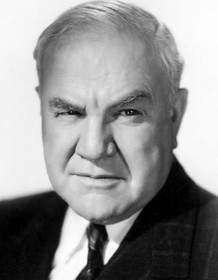
Senator Horace Maydew
Played by Berton Churchill
A rival in the election for the judge's seat who uses the courtroom to push for a guilty verdict against Jeff. His political maneuvering introduces bias into the legal process and challenges Priest's impartiality.
- 🗳️ Politics
- ⚖️ Justice
- 🧭 Influence
- EM
Ellie May Gillespie
Played by Anita Louise
Daughter of a late father with her own romantic aspirations. She hesitates to commit due to social expectations and is central to the Romeo-Ellie arc; her relationship with Rome is complicated by family and propriety.
- 💕 Romance
- 🏛️ Propriety
- J'
Jerome 'Rome' Priest
Played by Tom Brown
Priest's nephew who has just passed the bar and is eager to practice law. He initially hopes to represent Gillis, showcasing ambition and a drive to follow in Priest's footsteps. He navigates romance with Ellie May as family expectations press him toward Virginia Maydew.
- 👨⚖️ Law
- 🤝 Family
- 🏛️ Duty
- MC
Mrs. Caroline Priest
Played by Brenda Fowler
Priest's mother, a stern matriarch who enforces propriety and social order. She opposes the match between Rome and Ellie May and supports the idea that Ellie May should pursue a match with Virginia Maydew.
- 👩👧 Family
- 🏠 Propriety
- BG
Bob Gillis
Played by David Landau
A local townsman who places flowers on Ellie May's late mother's grave and is later revealed as Ellie May's father. He embodies moral character that is highlighted by Reverend Brand and the community.
- 🧭 Morality
- 🧑🤝🧑 Community
- FT
Flem Talley
Played by Frank Melton
Unruly barber who courts Ellie May with unwelcome advances, creating tension and conflict in the town. His behavior is a catalyst for the courtroom episodes that unfold.
- 🪒 Barber
- 💘 Courtship
- RA
Reverend Ashby Brand
Played by Henry B. Walthall
Local minister who vouches for Gillis's long-standing good moral character and provides moral insight that informs the case outcomes.
- ⛪️ Religion
- 🧭 Morality
-
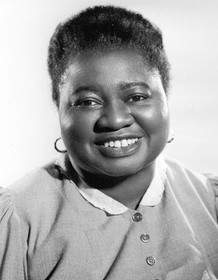
Aunt Dilsey
Played by Hattie McDaniel
Aunt figure in the community who adds to the town's social texture; supportive of Priest's sense of justice and community, though not a central plot driver in the summary.
- 👵 Elder
- 🧡 Family ties
- BG
Billy Gaynor
Played by Roger Imhof
Townsman involved in the courtroom drama; his interactions help illuminate tensions between characters and biases in the town; appears in the cast.
- 👥 Townsfolk
- 🧭 Tension
Where and When Is Judge Priest Set?
Judge Priest is set in Fairfield and Kentucky (1890). Here is why the time and place matter to the story.
When
1890
The events unfold in the year 1890 in rural Kentucky. The era features a formal legal system, strict social mores, and an emphasis on reputation and propriety. Courtroom drama and local politics color everyday life as characters navigate fairness, bias, and community expectations. The setting provides a backdrop where personal relationships influence public judgments.
Where
Fairfield, Kentucky
Fairfield is a small Kentucky town centered around its courthouse and a tight-knit community. The 1890 setting emphasizes formal manners, local politics, and a strong sense of reputation. Daily life revolves around barber shops, graveyard visits, and church gatherings that push characters toward propriety or reform. The town's character directly shapes the outcomes of legal and personal dramas.
- 🏛️ Small town courthouse
- 🕰️ 1890s rural America
What Are the Themes of Judge Priest?
4 ideas the story keeps returning to, among them Justice, Propriety and Friendship.
-
01
Justice
Judge Priest embodies fairness but faces bias from political rivalries and social pressure. The courtroom becomes a microcosm of community values, where truth must contend with prejudice and influence. The film explores how a judge maintains integrity while navigating personal relationships and public opinion. The resolution demonstrates that justice can prevail when character and evidence align, even in a biased setting.
-
02
Propriety
Propriety governs choices about marriage, status, and behavior in Fairfield. Mrs. Priest enforces strict standards, shaping Rome's path and Ellie May's prospects. The story shows how social expectations can both constrain individuals and drive reform. Characters must decide when to honor tradition and when to challenge it.
-
03
Friendship
Priest's decision to befriend Jeff Poindexter after the case demonstrates loyalty beyond social class. The judge's hospitality and mentorship reflect community bonds that transcend legal outcomes. Jeff's inclusion in Priest's household marks a shift in opportunity and trust in a small town. The film highlights the restorative power of friendship.
-
04
Identity & Family
The narrative unveils unknown parentage and hidden family ties, notably Ellie May's late father and Gillis's revealed connection to Ellie May. Secrets influence matchmaking, power, and acceptance within the town. The judge uses revelation and integrity to navigate these delicate truths. The theme shows how personal history shapes present relationships.
What Kind of Film Is Judge Priest?
Hopeful in tone, with steady pacing and a moderate story, going by the plot summary.
- Tone
- Hopeful
- Pacing
- Steady
- Story
- Moderate
- Intensity
- Low
- Ending
- Happy
A warm and gentle film that offers a comforting view of small-town life, where justice is tempered with mercy and personal conflicts are resolved with wit and deep humanity.
- warm
- nostalgic
- gentle
- hopeful
- comforting
- sentimental
- small town life
- courtroom drama
- redemption
- romantic rivalry
Quiz
How well do you remember Judge Priest? Test yourself on the story.