
What Is Joyland About?
The premise of Joyland in 272 words, with nothing given away. The full story and the ending follow below.
In the bustling heart of Lahore, Haider drifts through a routine that feels as flat as the city’s humid air. Living under the watchful eye of his patriarch Amanullah and the expectations of his wife Mumtaz, he bears the weight of a family longing for a male heir. The streets pulse with the clatter of daily life, yet an undercurrent of unspoken yearning flickers beneath the ordinary, hinting at a world where conformity is quietly challenged.
A chance encounter opens the doors to an unexpected realm: an erotic dance theater where rhythm and performance become a language of its own. There, Biba—a celebrated hijra performer whose presence radiates both defiance and grace—introduces Haider to the intoxicating allure of burlesque. Their partnership on stage becomes a dialogue of movement, a subtle rebellion against the constraints that have long hemmed in their identities.
The film paints Lahore with a palette of neon lights and shadowed alleys, capturing the tension between tradition and desire. Within this vibrant yet precarious backdrop, Haider and Biba navigate a relationship that is as much about self‑discovery as it is about artistic expression. Their bond challenges the rigid expectations of family and community, offering a glimpse of freedom that feels both exhilarating and fragile.
As the city’s rhythms swell and recede, Haider finds himself standing at the edge of something larger than his previous life—a possibility of belonging that stretches beyond familiar walls. The story invites viewers to linger in the moments where music, desire, and courage intertwine, leaving a lingering sense that the journey toward self‑acceptance is as boundless as the horizons waiting just beyond the city’s restless streets.
What Happens in Joyland?
The complete story of Joyland, from the first scene to the last, in 668 words (about 3 minutes). Spoilers throughout. Names in the text link to 6 cast member pages.
Spoilers ahead
In inner-city Lahore, Amanullah is the elder patriarch of the middle-class Rana family, watching as his younger son, Haider, remains unemployed while his wife, Mumtaz, works as an aesthetician at a local salon. When Haider secures a strange opportunity, Qaiser helps him land a job as a backup dancer at an erotic dance theater, where he is slated to perform alongside Biba, a celebrated hijra performer. Haider had once seen a bloodied [Biba] at a hospital, a memory tied to the day his sister-in-law, Nucchi, was giving birth to a fourth daughter. Driven by a longing for a grandson, Amanullah urges [Mumtaz] to quit her job, a demand that unsettles her deeply.
Haider joins the troupe for rehearsals, where he struggles with rhythm and technique, showing glimmers of potential but far from fluent in dance. After one rehearsal, Haider accompanies [Biba] to the theater, witnessing a tense dispute between Biba and the theater manager over how affordable a standee of Biba might be. The two decide to order the standee together, and they also arrange for it to be created at a shop. Back at the Rana home, [Mumtaz] and [Nucchi] install an air cooler, and that night, while Biba attends a public event and is briefly groped, Haider retrieves the standee and brings it home, placing it on the roof with [Mumtaz].
The next morning, the standee on the roof draws attention from [Fayyaz], a widow and family friend, who informs the family and the older generation that the scene on the roof is shameful. At another rehearsal, Haider shows improvement, while that night Haider and Biba visit her home where she explains the hospital moment from before: the blood belonged to another hijra, Tina, who was shot and killed in front of Biba. The two talk about the ocean, and Haider reveals he has never left Lahore. He confesses his longing by asking about the sea, and after a tender moment, he returns home. In bed with [Mumtaz], he asks about the ocean, and she suggests they might visit it someday. He cannot sleep and returns to Biba, where they share a passionate kiss.
One night, [Mumtaz] and [Nucchi] visit Joyland, a local amusement park, while Haider and the other backup dancers prepare to perform with Biba. When the theater lights fail, Haider convinces everyone to continue the routine until power returns, and the performance captivates the audience. Later, [Saleem], [Nucchi]’s husband, catches Mumtaz in a compromising moment with another man visible from the bathroom window, a revelation that unsettles the neighborhood. The next morning, [Fayyaz]’s son confronts the Rana family, reflecting the social pressure and disgrace that linger from the night before.
Mumtaz and [Nucchi] visit a doctor and learn that Mumtaz is pregnant with a boy. Mumtaz sighs that she feels like > running away, and then reassures [Nucchi] that the thought was just a momentary joke. At the theater, [Qaiser] and the other backup dancers press Haider with blunt questions about Biba’s genitals, prompting Biba to rebuke them sharply. Later, Biba and Haider plan to be intimate, but when Haider tries to assume a receptive position, Biba angrily ejects him and declares he should not return to her or the theater. Haider returns home to the news that they are expecting a son.
After a 70th-birthday party for [Amanullah], Mumtaz retrieves a hidden bottle from a bathroom tank and drinks from it; she is later found dead. The funeral draws the whole community together as the family, neighbors, and even Biba gather to pray, wash, and burial her body. In the aftermath, Haider lashes out at [Saleem] for his harsh remarks about Mumtaz, while [Nucchi] chastises him, insisting that Mumtaz’s death is a collective loss and not the fault of any single person. Flashbacks reveal a younger Haider visiting Mumtaz in her home and the two assuming a future together, agreeing to marry despite their arranged arrangement. In the present, Haider leaves Lahore and walks toward the ocean, wading into its uncertain, open waters.
Joyland Timeline: Every Key Event in Order
14 key events in the order they happen, from “Amanullah asserts patriarchal control over the Rana family” to “Present: Haider leaves Lahore to find the ocean”. 14 events name a place, across 13 locations.
- 1
Amanullah asserts patriarchal control over the Rana family
In inner-city Lahore, Amanullah wields his authority as the family's elder patriarch. Haider has been unemployed for years, creating anxiety about continuing family expectations. The scene establishes the pressure that will drive much of the drama.
When:Day Where:Lahore, Rana household
- 2
Amanullah orders Mumtaz to quit her job after Haider finds work
Haider lands a job as a backup dancer at an erotic theater, triggering Amanullah to demand Mumtaz leave her salon work. Mumtaz resents losing her livelihood and the autonomy it implies. The demand heightens the tension between tradition and personal freedom.
When:Evening Where:Rana household
- 3
Haider joins backup dancers; rehearsals begin
Haider participates in rehearsals with Biba, though he lacks experience and confidence. The rehearsal room exposes his awkwardness and the gulf between aspiration and skill. Biba's presence hints at the power dynamics within the troupe.
When:Afternoon Where:Theater rehearsal studio
- 4
Standee dispute leads to ordering a Biba standee
After a confrontation over affordability with the theater manager, Biba and Haider decide to order a standee of Biba. The standee becomes a costly symbol of Biba's star status and the theater's financial fragility. This small decision foreshadows mounting pressures of spectacle and money in their world.
When:Evening Where:Theater and a standee shop
- 5
Standee on the roof and home improvements draw attention
That morning, Fayyaz notices the standee on the Rana roof and alerts Amanullah. Haider and the family face blunt chiding for the 'shame' of their arrangement. Meanwhile, Mumtaz and Nucchi install an air cooler at home as life goes on.
When:Morning Where:Rana household rooftop and interior
- 6
Haider shows progress in rehearsal
Back at the studio, Haider's dancing begins to improve, signaling progress amid doubt. The crew's critiques soften as his potential becomes clearer. The dynamic with Biba remains emotionally charged yet professional on the surface.
When:Afternoon Where:Theater rehearsal room
- 7
Biba recounts Tina's blood; ocean conversation begins
During a visit to Biba's home, she explains the blood she carried at the hospital was Tina's, a hijra who was shot. The revelation adds weight to Biba's past and the violence surrounding her world. Haider and Biba talk about the ocean, revealing their growing bond and yearning to escape Lahore's confines.
When:Evening Where:Biba's home
- 8
Haider and Mumtaz discuss the ocean; sleep eludes him
Haider and Mumtaz talk about visiting the ocean someday, hinting at a life beyond the city. Haider admits he cannot sleep, still unsettled by everything he's seen. The conversation deepens his sense of longing and responsibility to his wife.
When:Night Where:Rana household, bedroom
- 9
Haider returns to Biba; they share a kiss
That night, after a moment of restraint, Haider returns to Biba and the two kiss passionately. The kiss marks a turning point in their complicated relationship and in Haider's loyalties. The moment is both intimate and dangerous given his commitments at home.
When:Night Where:Biba's home
- 10
The theater lights fail, but the performance goes on
During a night show, a power outage tests the troupe. Haider convinces Biba and the other dancers to press on until the lights come back, and their routine captivates the audience. The moment showcases resilience in the face of adversity.
When:Night Where:Theater
Show the other 4 events of Joyland Hide the last 4 events
- 11
Mumtaz learns of pregnancy; doctor's visit
Mumtaz and Nucchi visit a doctor and learn that Mumtaz is pregnant with a boy. The news brings cautious happiness amid familial tensions and looming expectations. The pregnancy raises the stakes for everyone in the Rana household.
When:Morning Where:Doctor's clinic
- 12
Mumtaz's death and funeral
After Amanullah's 70th birthday party, Mumtaz is found dead after drinking from a hidden bottle. Family, neighbours, and Biba gather to mourn as her body is washed and prepared for burial. The tragedy shatters the Rana family and propels Haider toward a new, solitary path.
When:Night Where:Rana household / funeral site
- 13
Past memory: Haider and Mumtaz agree to marry
In a flashback, a younger Haider visits Mumtaz and they express mutual desire to marry despite the arranged union. They agree to pursue their life together, an intimate counterpoint to the present tragedy. The scene adds depth to their relationship history.
When:Past Where:Mumtaz's home
- 14
Present: Haider leaves Lahore to find the ocean
In the present, Haider leaves the city and travels toward the ocean, stepping into the water as a final act of seeking freedom. The ending frames his longing as a personal journey beyond the familiar streets of Lahore. The movie closes on his cautious, hopeful stride toward the waves.
When:Present Where:Lahore to coast
Who Are the Main Characters in Joyland?
8 characters, among them Haider (Ali Junejo), Biba (Alina Khan) and Mumtaz (Rasti Farooq): who each one is and the part they play in the story. Every profile links to the actor’s page.
-

Haider (Ali Junejo)
Played by Ali Junejo
Haider is the Rana family's younger, unemployed son who discovers a precarious path into show business as a backup dancer for Biba. He is torn between filial duty and personal longing, gradually widening his world beyond Lahore. His journey grapples with desire, risk, and the search for meaning under pressure to conform.
- 🎭 Dancer
- 🧭 Conflicted
- 👪 Family-bound
-

Biba (Alina Khan)
Played by Alina Khan
Biba is a hijra performer whose life reveals artistry and marginalization. She asserts autonomy in a male-dominated space and becomes the focal point of Haider's awakening, even as she faces vulnerability and exploitation. Her relationship with Haider tests boundaries and exposes the theater's power dynamics.
- 🎭 Performer
- 🌈 Identity
- 🗺️ Outsider
-

Mumtaz (Rasti Farooq)
Played by Rasti Farooq
Mumtaz is Haider's wife, a salon aesthetician who feels confined by societal expectations around motherhood and duty. Her pregnancy intensifies family pressure and contributes to a personal crisis that ends in tragedy. She embodies the costs of rigid social codes on women’s lives.
- 👩🍼 Wife
- 💔 Tragedy
- 🕊️ Matriarch
-
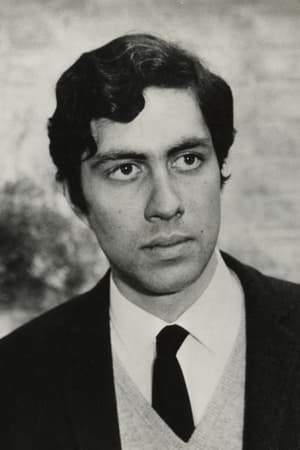
Amanullah (Salmaan Peerzada)
Played by Salmaan Peerzada
Amanullah is the elder patriarch who embodies traditional values and a desire for a grandson. He exerts control over household decisions, reflecting a society where patriarchal authority governs fate. His stance drives the family conflict and foreshadows consequences.
- 👨 Patriarch
- 🧭 Authority
- 🕰️ Tradition
-

Nucchi (Sarwat Gilani)
Played by Sarwat Gilani
Nucchi is Mumtaz's sister-in-law who navigates community judgments and supports her family in times of crisis. She shares responsibility for the family’s wellbeing and helps reveal the social web surrounding the Rana household. Her presence anchors empathy and solidarity.
- 👩👧👦 Family ties
- 🧠 Pragmatism
- 🤝 Support
-

Qaiser (Ramiz Law)
Played by Ramiz Law
Qaiser is Haider's fellow backup dancer who participates in rehearsals and conversations that probe Biba's privacy. He embodies peer pressure within the troupe and raises questions about boundaries and respect. His presence highlights gendered scrutiny in the work environment.
- 👯♂️ Dancer
- 🗣️ Provocative
- 🧭 Peer
-

Saleem (Sohail Sameer)
Played by Sohail Sameer
Saleem is Nucchi's husband who embodies patriarchal judgment and social propriety. He reacts with disdain to perceived sexual impropriety and contributes to a climate of stigma around Mumtaz and her choices. His stance reflects the film’s critique of community hypocrisy.
- 👨 Husband
- 🗯️ Judgment
- 🧱 Conservatism
-

Fayyaz (Sania Saeed)
Played by Sania Saeed
Fayyaz is a widow and family friend who moves in the Rana orbit, offering counsel and presence during moments of crisis. He notices the standee on the roof and alerts Amanullah, and later spends a night with Amanullah, illustrating the complex social ties that bind the family. His role underscores the nuanced social fabric surrounding the household.
- 👵 Widow
- 🗣️ Advisor
- 🕊️ Social fabric
Where and When Is Joyland Set?
Joyland is set in Lahore, Rana family home, Joyland amusement park and Biba's theater (Contemporary (early 2020s)). Here is why the time and place matter to the story.
When
Contemporary (early 2020s)
The events occur in modern Lahore, reflecting current urban life and social tensions in Pakistan. Characters juggle work, family duty, and personal longing within a bustling, modern city. The timeline intersects with contemporary issues around gender, sexuality, and societal expectations. The narrative moves through weeks of personal and communal strain, culminating in moments of crisis and revelation.
Where
Lahore, Rana family home, Joyland amusement park, Biba's theater
The story unfolds in inner-city Lahore, anchored by a middle-class family home and the city’s backstage world of performance. Key locations include a theater where Biba performs, a rooftop where a standee is stored, and the Joyland amusement park that offers a temporary escape from daily pressures. The urban setting exposes residents to social scrutiny, public spaces, and intimate moments that unfold under the watchful eyes of a bustling city. These spaces together map a society wrestling with tradition, desire, and legitimacy.
- 🌆 Urban Lahore
- 🎭 Theater life
- 🏠 Family home
What Are the Themes of Joyland?
5 ideas the story keeps returning to, among them Identity, Family Pressure and Class Norms.
-
01
Identity
The film centers on Biba, a hijra performer, and Haider’s awakening to his own desires within a conservative environment. It questions what it means to live authentically when community norms police gender and sexuality. Through intimate scenes and public performances, the film treats identity as both a personal journey and a social negotiation. The story treats selfhood as something that can be contested, celebrated, or endangered by others.
-
02
Family Pressure
Amanullah’s pursuit of a grandson exposes the coercive weight of patriarchal expectations within the Rana clan. Mumtaz bears the burden of these pressures, which contributes to her distress and eventual tragedy. The narrative shows how family duty, reputation, and tradition shape choices and limit happiness. Even when love and ambition arise, the family’s judgments shape outcomes.
-
03
Class Norms
Joyland portrays urban social stratification where work, respectability, and public decency regulate behavior. The theater world sits at the intersection of art and exploitation, highlighting tensions between aspiration and propriety. The film interrogates who gets to perform and who is deemed acceptable, while illustrating resilience within marginalized spaces. Class and gender norms constrain characters yet also spur acts of defiance.
-
04
Art & Performance
Performance functions as a vessel for longing, rebellion, and connection. The theater scenes reveal artistry amid risk and vulnerability, especially for Biba and the backup dancers. Haider’s evolving involvement with performance mirrors his growth and moral conflict. The film uses dance and stagecraft to challenge traditional roles and illuminate the costs and rewards of self-expression.
-
05
Grief & Loss
Mumtaz’s death casts a pall over the family and prompts a communal reckoning with blame and accountability. The community’s reactions—prayer, reconciliation, and critique—expose fault lines within the extended family. Grief becomes a catalyst for introspection and social critique, linking personal sorrow to broader cultural tensions. The film uses loss to interrogate responsibility and empathy.
How Does Joyland End?
The last act of Joyland and what it means, in 180 words. The ending lands as ambiguous. Big spoilers: read the plot summary first if you have not seen it.
The final act, in full
In the closing moments of “Joyland,” Haider’s world finally collapses around him. His secret affair with Biba is exposed, and the societal pressures and expectations that have always constrained him become overwhelming. The film ends with Haider being confronted by his own fractured identity and shame, as he is forced to face the realities of who he truly is. He has spent the film caught between his desires and societal roles, unable to fully express himself or find peace. The tragic finale underscores the societal intolerance and rigid gender norms that have suppressed his true feelings and led to his ultimate downfall. Haider’s journey ends in a poignant realization that the only way to break free from these oppressive constraints—whether through acceptance or escape—is painfully out of reach. His unfulfilled longing for authenticity leaves him in a state of despair, highlighting how society’s strict expectations can crush those who dare to live outside them. The film ultimately presents a heartbreaking picture of a man torn between societal duties and his own truth, emphasizing the tragic costs of repression and intolerance.
What Kind of Film Is Joyland?
Bittersweet in tone, with slow pacing and a moderate story, going by the plot summary.
- Tone
- Bittersweet
- Pacing
- Slow
- Story
- Moderate
- Intensity
- Medium
- Ending
- Ambiguous
A quietly intense and melancholic drama that explores the oppressive weight of societal expectations in Pakistan, where moments of tender intimacy and personal freedom are shadowed by profound tragedy and grief.
- melancholic
- oppressive
- yearning
- quiet
- tender
- grieving
- gender identity
- patriarchal society
- forbidden love
- self-discovery
Content notes: suicide, transphobia, discrimination.
Quiz
How well do you remember Joyland? Test yourself on the story.