

What Is Joe and Max About?
The premise of Joe and Max in 308 words, with nothing given away. The full story follows below.
In the sweltering summer of the 1930s, the world of professional boxing glitters like a restless stage, its bright lights casting long shadows over a continent on the brink of upheaval. Ringside crowds cheer and gasp as the sport becomes a proxy for larger cultural battles, a place where personal glory collides with the weight of national pride. The film opens amid this charged atmosphere, painting a portrait of an era where a single bout can echo far beyond the ropes.
Joe Louis steps into this arena as a towering, undefeated heavyweight whose quiet confidence and relentless work ethic have already turned him into a household name. Under the steady guidance of his seasoned trainer Jack Blackburn, Louis embodies both the promise of an athlete and the complexities of being an African‑American hero in a divided America. His presence is felt in every gym, every newspaper headline, and every whispered conversation about who will finally test his limits.
Across the Atlantic, Max Schmeling rises as Germany’s own champion, a boxer whose calculated approach to the sport mirrors the strategic thinking of a nation watching its future unfold. Managed by the astute Joe Jacobs, Schmeling’s career is shaped not only by his own ambition but also by the intricate dance between sport and politics that surrounds him. Beside him, his wife Anny Ondra adds a personal dimension to his public life, hinting at the intimate sacrifices that linger behind the public persona.
When the paths of these two legends converge, the film hints at a rivalry tinged with unexpected respect, suggesting that the true fight may lie not just in the ring but in the fragile bridge they build between divergent worlds. The tone balances the raw intensity of competition with a thoughtful, almost lyrical meditation on friendship, identity, and the silent battles each man carries under his gloves.
What Happens in Joe and Max?
The complete story of Joe and Max, from the first scene to the last, in 449 words (about 2 minutes). Spoilers throughout. Names in the text link to 5 cast member pages.
Spoilers ahead
In 1936, Joe Louis, the undefeated African American heavyweight, trains under Jack Blackburn and seems invincible. A film of his bout against Paulino Uzcudun in Madison Square Garden falls into the hands of Joe Jacobs, a Jewish-American boxing manager, who brings the footage to his client, Max Schmeling. Schmeling, a forward-thinking strategist, studies Louis’s fights and notices a telltale pattern: Louis tends to drop his guard right after delivering a certain punch. This insight motivates Schmeling to pursue a fight with Louis, setting the stage for a high-stakes confrontation that would capture the world’s attention.
The following year the two boxers meet in the United States, and the older German challenger—nine years Louis’s senior—astonishes the crowd by winning. Schmeling returns home a national hero, and the Nazi regime tries to turn his victory into propaganda. Yet Schmeling refuses to sign a Nazi treaty or toe the party line, valuing his integrity and popularity more than political expediency. He is allowed to keep his manager despite the persecution Jews faced in Germany at the time. Still, Adolf Hitler personally presses Schmeling to sign the Nazi treaty, casting a shadow over the victory.
Schmeling believes a rematch is owed to Louis, and the rematch is charged with political tension. In the United States, the crowd leans heavily against Schmeling as Nazi propaganda saturates the arena. At the start of the fight, Schmeling is struck in the lumbar region and sustains a spinal injury that leaves him unable to continue, forcing a forfeit. After the bout, Joe Jacobs remains in the United States as Schmeling returns home, and Schmeling’s wife, Anny Ondra, waits for him at the airport—only to find no one there to greet him.
In Germany, Kristallnacht erupts, and Schmeling and Anny Ondra shelter his Jewish tailor in their home. The danger is real, but Anny Ondra’s talents—on screen and off—help them survive perilous times. Despite the turmoil, Schmeling never joins the ruling Nazi party. He serves as a soldier in the Fallschirmjäger during the war, while Joe Louis continues to contribute to the American war effort by participating in exhibition bouts for the United States Army.
After the war, both men face personal and professional hurdles. Schmeling’s German home is destroyed, and Louis contends with financial issues and IRS troubles. Yet both men endure, their legacies as fighters enduring beyond the ring. A pivotal moment arrives when an American boxing official recalls Schmeling as Coca-Cola seeks a German ambassador; with Anny Ondra’s approval, Schmeling accepts the opportunity and begins a new chapter in his career. He travels to America on business and visits a divorced, impoverished Joe Louis, reaffirming a lasting friendship that endures long after the final bell.
Joe and Max Timeline: Every Key Event in Order
12 key events in the order they happen, from “Louis trains under Jack Blackburn” to “Schmeling visits Joe Louis in America”. 11 events name a place, across 5 locations.
- 1
Louis trains under Jack Blackburn
In 1936, Joe Louis trains under Jack Blackburn, honing his power and ring craft as he remains undefeated. The training builds the precision and rhythm that will define his fights. This foundation sets the stage for the dramatic events to come.
When:1936 Where:United States
- 2
Footage of Louis-Uzcudun bout reaches Schmeling
A film of Louis's bout against Paulino Uzcudun at Madison Square Garden falls into the hands of Joe Jacobs, the Jewish-American boxing manager. Jacobs brings the footage to Max Schmeling, who studies Louis's style and looks for weaknesses. This encounter accelerates Schmeling's interest in a future fight.
When:1936 Where:Madison Square Garden, New York
- 3
Schmeling analyzes Louis's pattern
Schmeling watches Louis closely and spots a tell: Louis tends to drop his guard after delivering a particular punch. He begins to plan a strategic rematch that could exploit this vulnerability. The observation fuels Schmeling's ambition to challenge the American heavyweight in a high-stakes bout.
When:1936-1937
- 4
Rematch in the United States; Schmeling wins
The following year, the rematch lands in the United States and the older German challenger stuns the crowd by winning. Schmeling's victory reshapes public perception and makes him a national hero in Germany. The loss casts a shadow over Louis's standing, amplifying the political stakes surrounding boxing.
When:1937 Where:United States
- 5
Post-fight: Jacobs stays in the US; Schmeling returns
After the bout, Joe Jacobs remains in the United States while Schmeling returns home. Schmeling's wife Anny Ondra waits at the airport, only to find no one there to greet him. The moment underscores the personal cost of victory amid rising political tensions.
When:1937 Where:United States
- 6
Kristallnacht and sheltering a Jewish tailor
Kristallnacht erupts in Germany, forcing Schmeling and Anny Ondra to shelter their Jewish tailor in their home. The danger is real, yet Anny's talents—on screen and off—help them navigate perilous times. Schmeling's actions during this period illustrate a quiet defiance amid the regime's cruelty.
When:1938 Where:Germany
- 7
Schmeling refuses to join the Nazi party
Despite the persecution of Jews in Germany, Schmeling does not sign the Nazi treaty or toe the party line. He values integrity and popularity enough to stay independent, keeping his manager despite the oppressive climate. Hitler personally pressures him, but Schmeling chooses his own path.
When:1935 Where:Germany
- 8
Schmeling serves as Fallschirmjäger
During World War II, Schmeling serves as a Fallschirmjäger soldier, facing the brutal realities of combat. His service marks a turn away from the ring as the world is torn apart by war. The chapter contrasts with Louis’s role supporting the American war effort in civilian life.
When:1939-1945 Where:Germany
- 9
Louis fights in US Army exhibitions
Joe Louis contributes to the American war effort by taking part in exhibition bouts for the US Army, boosting morale on the home front. His presence in these events reinforces the enduring bond between the two former rivals. The man who once faced Schmeling now helps defend the nation.
When:1940s Where:United States
- 10
Postwar challenges: Schmeling's home destroyed; Louis's finances
After the war, Schmeling's German home is destroyed, and Louis contends with financial issues and IRS troubles. Both men weather harsh postwar realities while their friendship endures as a quiet constant. The shared history keeps their respect alive despite hardship.
When:Postwar era (1945-1950s) Where:Germany; United States
- 11
Coca-Cola ambassador recalls Schmeling; new chapter
An American boxing official recalls Schmeling as a Coca-Cola ambassador, and with Anny Ondra's approval he accepts the opportunity. The move signals a public comeback that crosses national lines. It inaugurates a late-career chapter built on diplomacy as much as sport.
When:1950s Where:Germany/United States
- 12
Schmeling visits Joe Louis in America
Schmeling travels to America on business and visits a divorced, impoverished Joe Louis, reaffirming their lasting friendship. The reunion underscores a bond forged in competition but tempered by mutual respect and shared history. Their connection endures long after the final bell.
When:1950s-1960s Where:United States
Who Are the Main Characters in Joe and Max?
7 characters, among them Joe Louis (Leonard Roberts), Max Schmeling (Til Schweiger) and Joe Jacobs (David Paymer): who each one is and the part they play in the story. Every profile links to the actor’s page.
- JL
Joe Louis (Leonard Roberts)
Played by Leonard Roberts
Joe Louis is the undefeated American heavyweight whose technique and composure anchor the story. Trained by Jack Blackburn, he demonstrates discipline, focus, and strategic thinking in and out of the ring. His leadership and resolve carry him through intense public scrutiny, racial barriers, and the war effort.
- 🥊 Champion
- 💪 Resilient
- 🧠 Strategist
-
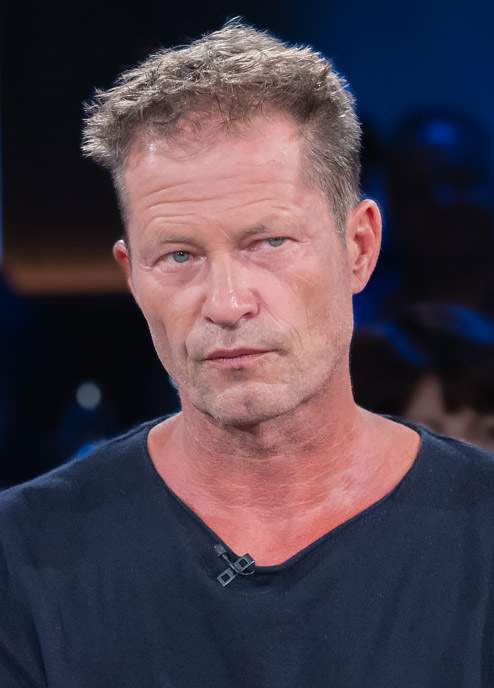
Max Schmeling (Til Schweiger)
Played by Til Schweiger
Max Schmeling is a thoughtful, strategic challenger who studies Louis's fights and uses his wits to outmaneuver opponents. He is portrayed as a principled athlete who values independence and popularity over political obedience, resisting Nazism's demands. His rematch with Louis becomes a focal point where sport intersects with politics and personal integrity.
- 🧠 Strategist
- 🇩🇪 German
- 🧭 Integrity
-

Joe Jacobs (David Paymer)
Played by David Paymer
Joe Jacobs is a Jewish-American boxing manager who acquires Louis's footage and drives the business behind the Louis–Schmeling connection. He is shrewd, ambitious, and deeply involved in the sport's commercial and ethical complexities. His decisions help shape the trajectory of the fighters’ careers during a turbulent era.
- 💼 Manager
- 🧠 Canny
- 🤝 Ally
-
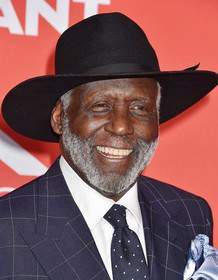
Jack Blackburn (Richard Roundtree)
Played by Richard Roundtree
Jack Blackburn is Louis's trainer, a stern but supportive mentor who guides technique and timing. He recognizes patterns in Louis’s fighting, coaching him to adapt under pressure. His role embodies loyalty, discipline, and the trusted bridge between talent and success.
- 👟 Trainer
- 🧭 Mentor
- 🧭 Discipline
- AO
Anny Ondra (Peta Wilson)
Played by Peta Wilson
Anny Ondra is Schmeling's wife who stands by him through peril and upheaval. She shelters Schmeling’s Jewish tailor during Kristallnacht and uses her talents to endure dangerous times. Her presence highlights resilience, loyalty, and the quiet strength of those who support fighters off the battlefield.
- 🎭 Artist
- 🕊️ Protector
- 💪 Resilient
- AH
Adolf Hitler (Rolf Kanies)
Played by Rolf Kanies
Adolf Hitler is the Nazi leader who pressures Schmeling to sign a Nazi treaty, underscoring the era’s political pressure on athletes. He embodies the regime’s attempts to weaponize sport for propaganda and power. His presence casts a shadow over Schmeling's victories and personal choices without becoming the sole focus of the drama.
- 👑 Dictator
- 🗳️ Propaganda
- 🧨 Oppression
- JG
Joseph Goebbels (Wilfried Hochholdinger)
Played by Wilfried Hochholdinger
Joseph Goebbels is the propaganda minister whose control of media amplifies Nazi narratives around the boxing bouts. He represents the state machinery that turns sport into a tool of ideological messaging. His presence shows how information can shape public perception and pressure athletes within a political system.
- 🗣️ Propaganda
- 🧭 Influence
- 🕊️ Control
Where and When Is Joe and Max Set?
Joe and Max is set in New York City, United States and Germany (1936-1945). Here is why the time and place matter to the story.
When
1936-1945
The narrative opens in 1936 with Louis's ascent and Schmeling's studied approach, then moves through the rematch era of the late 1930s, Kristallnacht, and the war years. It continues into the postwar period, highlighting reconstruction and enduring legacies. The period is defined by sport intersecting with propaganda and resilience.
Where
New York City, United States; Germany
The film moves from New York's Madison Square Garden to various locations in Germany during the late 1930s. It contrasts the American boxing world with the rising political climate of the era. The settings shift between arenas, airports, and homes where personal fortunes collide with national ambitions.
- 🏟️ Madison Square Garden
- 🗺️ Global tensions
- ✈️ Cross-continental settings
What Are the Themes of Joe and Max?
3 ideas the story keeps returning to, among them Integrity, Friendship and Persecution and resilience.
-
01
Integrity
Schmeling's resistance to signing a Nazi treaty shows personal integrity under pressure. Louis embodies discipline and perseverance, turning boxing into a testament to resilience. The film suggests ethics matter as much as victories, even when politics seeks to define the outcome. The ring becomes a stage where character and legacy are forged.
-
02
Friendship
Despite fierce rivalry, Louis and Schmeling form a relationship built on mutual respect and shared humanity. Their bond endures amid war, persecution, and public scrutiny, illustrating how friendship can transcend national lines. The story demonstrates how allies support each other when the world is watching. Postwar connections reinforce a lasting brotherhood.
-
03
Persecution and resilience
Kristallnacht and the peril surrounding Schmeling's circle underscore the era's brutality. Schmeling and Anny Ondra shelter a Jewish tailor, showing courage and solidarity in dangerous times. Anny's talents help them endure, highlighting resilience beyond the boxing ring. The narrative ties personal risk to broader historical catastrophe and recovery.
What Kind of Film Is Joe and Max?
Bittersweet in tone, with steady pacing and a moderate story, going by the plot summary.
- Tone
- Bittersweet
- Pacing
- Steady
- Story
- Moderate
- Intensity
- Medium
- Ending
- Bittersweet
A steady-paced historical drama that balances tense boxing matches with the heavy political backdrop of Nazi Germany, culminating in a bittersweet but resilient friendship that endures beyond professional rivalry and global conflict.
- reflective
- historic
- respectful
- tense
- resilient
- somber
- friendship
- world war ii
- boxing
- racial politics
Content notes: war violence, nazi persecution, kristallnacht.
Quiz
How well do you remember Joe and Max? Test yourself on the story.
