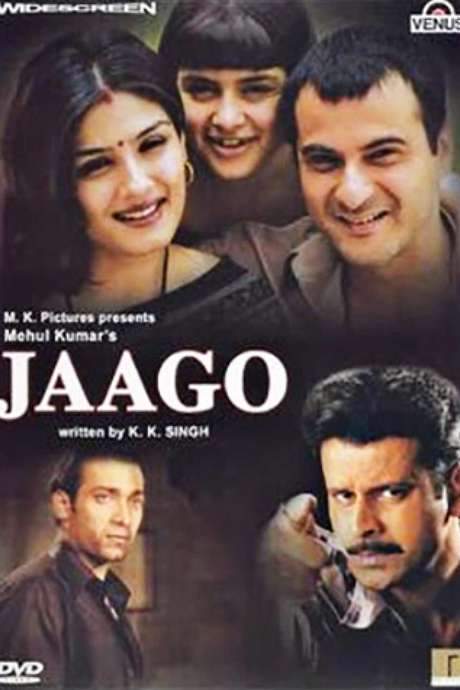


Jaago Plot Summary
Read the complete plot summary and ending explained for Jaago (2004). From turning points to emotional moments, uncover what really happened and why it matters.
After a long day at school, ten-year-old Shruti Verma, Hansika Motwani as Shruti Verma, is accidentally locked inside the school building, and by the time she is found and released, night has already fallen. She boards a commuter train home, sharing a carriage with an elderly couple and their daughter. Then a trio of intoxicated, violent young men enters the wagon, notices the girl, and brutally gang-rapes her. The other passengers are too frightened to intervene; only after the attackers have left do they call the police. Shruti is taken to a hospital, but she dies from the trauma in front of her anguished parents, Sanjay Kapoor as Shrikant Verma and Raveena Tandon as Shradha Verma.
Inspector Kripa Shankar Thakur, Manoj Bajpayee as Inspector Kripa Shankar Thakur, is entrusted with the case by the Police Commissioner. He discovers that the culprits are the sons of wealthy and influential citizens. After tracing the identities of the witnesses, Thakur devises a daring sting: Shradha boards the same train, dressed provocatively, to lure the attackers and lay a trap for them. In her relentless fury over her daughter’s suffering, Shradha retrieves a knife from her handbag and fatally stabs one of the assailants, an act that lands her under arrest for manslaughter.
Undeterred, Inspector Thakur presses on, confronting a rising tide of corruption and threats that test his integrity. He sees arrests made and witnesses protected, but the system itself seems bent by power and money. Bribes are offered, allies are tested, and even trusted friends become pawns in a larger game. When a trusted associate, Sawant, appears ready to sabotage the proceedings, Thakur fights back: he abducts Sawant’s wife and son to force Sawant to withdraw his threats and let the witnesses testify.
With testimonies gathered and the emotional pleas of the Vermas, the courtroom drama reaches a turning point as the presiding judge uncovers systemic corruption within the political establishment. In a dramatic reversal, the Vermas are acquitted of wrongdoing, and the last of the culprits is sentenced to death by hanging, with Shrikant and Shradha standing as the rightful executioners. The verdict marks a hard-won sense of justice, but at a heavy personal and moral cost.
In the final moments, the judge walks toward a sunset beach and delivers a somber reflection that echoes as a call to awakening: > After delivering the verdict, I handed in my resignation. I don’t know how those who know the law will react to my decision. What I do know, however, is that I have done justice to my soul. I have truly awakened, and it’s time you awakened too. <
Jaago Timeline
Follow the complete movie timeline of Jaago (2004) with every major event in chronological order. Great for understanding complex plots and story progression.
Shruti locked in school as night falls
After a long day at school, ten-year-old Shruti Verma is accidentally locked inside the school building. By the time she is found and released, it is already night. She boards a commuter train home, hoping for a quiet ride, with an elderly couple and their daughter as her only company.
Trio attacks Shruti on train
On the train, a trio of drug-hazed young men notice Shruti and brutally gang-rape her. The other passengers remain too timid to intervene, and no one stops the attack. The assault ends only after the culprits have left the train.
Shruti dies in hospital
Shruti is taken to a hospital, but she dies from a massive shock in front of her anguished parents. Her death devastates the Verma family and becomes the catalyst for the investigation that follows. The tragedy exposes the brutal crime and sets the pursuit of justice in motion.
Investigation launched by an upright inspector
Kripa Shankar Thakur, an honest inspector, is entrusted with the case by the Police Commissioner. He discovers the culprits are sons of wealthy and influential citizens. He begins a determined investigation to uncover the truth and build a case against them.
Witnesses identified and trap planned
Shankar tracks down the identities of the witnesses and devises a trap to catch the offenders in the act. Shradha, Shruti's mother, volunteers to act as bait by boarding the same train. The plan is risky and tests the line between justice and vigilantism.
Shradha's retaliation leads to arrest
The three culprits reappear and attempt to rape Shradha as well. In a moment of fury, Shradhha retrieves a knife and stabs one attacker to death. She is arrested and detained for manslaughter, becoming entangled in the very system she hoped to expose.
Shankar fights corruption and pushes ahead
Despite mounting corruption and threats from powerful people, Shankar persists in pursuing the case. He faces bribery attempts and political pressure, but remains steadfast in bringing the culprits to justice. His determination earns him cautious support from some honest officers.
Shrikant shoots a suspect in court
Shrikant bursts into the courthouse and shoots one of the offenders during a preliminary trial. The act triggers a dramatic escalation and unsettles the legal proceedings. The arrest and the shooting reveal the high-stakes tension behind the case.
Legal tactics and witness pressure
Lawyer Satyaprakash Satwani employs ruthless tactics to buy off Sawant, Shankar's ally, so that the witnesses can be killed before they testify. Shankar responds by kidnapping Sawant's wife and son to force Sawant to release the witnesses. The sequence ratchets up the stakes in the courtroom drama.
Witnesses secured; verdict nears
With the witnesses secured and the Vermas' impassioned testimonies, the presiding judge moves closer to a verdict. The film frames the case as a critique of systemic corruption and the struggle for justice. The courtroom atmosphere crackles with moral tension as the outcome nears.
Verdict: Vermas acquitted; last offender sentenced
Against the odds, the judge acquits Shruti's parents and sentences the last offender to death by hanging. The Vermas are forced to confront a justice system that has betrayed them, even as they carry out the death sentence. The controversial verdict sparks heated public debate about law, power, and vigilantism within the social fabric.
Judge resigns and awakens the audience
Following the execution, the judge walks toward a sunset beach and, in a voiceover, says he has handed in his resignation and awakened. He tells the audience that he has awakened as well and urges them to awaken too. The film closes on a note about justice, conscience, and social awakening.
Jaago Characters
Explore all characters from Jaago (2004). Get detailed profiles with their roles, arcs, and key relationships explained.
Shruti Verma (Hansika Motwani)
Shruti is a ten-year-old student whose disappearance and subsequent brutal assault on a train sets the plot in motion. Her death becomes the emotional catalyst that drives the investigation and exposes systemic weaknesses. She embodies innocence and the fragility of safety in a crowded society.
Inspector Kripa Shankar Thakur (Manoj Bajpayee)
An honest, relentless inspector who challenges corruption and fights to bring the culprits to justice. He faces threats, bribery, and bureaucratic pushback, yet his integrity guides the investigation. His strategic persistence keeps the case alive through mounting pressure.
Shrikant Varma (Sanjay Kapoor)
Shrikant is a grieving father who channels his anguish into a determination for justice. He navigates the moral complexities of seeking vengeance within a flawed system and becomes a driving force alongside the inspector. His resolve highlights parental desperation and accountability.
Mrs. Shradha Varma (Raveena Tandon)
Shruti’s mother, a fierce advocate for accountability. In a moment of rage she fatally stabs an attacker, illustrating the moral ambiguity that violence can provoke. Her arrest underscores the personal costs and ethical dilemmas in the pursuit of justice.
Satyaprakash Satwani (Pramatesh Mehta)
A shrewd defense attorney who exploits legal loopholes and corruption to protect the culprits. His manipulative tactics and willingness to bribe witnesses intensify the legal battle and test the protagonists.
Jaago Settings
Learn where and when Jaago (2004) takes place. Explore the film’s settings, era, and how they shape the narrative.
Location
School, Commuter Train, Hospital, Courthouse, Sunset Beach
The film unfolds across multiple urban locations. It begins in a school where Shruti ends her day, moves to a dimly lit commuter train, then to a hospital where her condition worsens. The investigation and legal battle unfold through a courthouse, culminating in a sunset beach scene that symbolizes awakening and closure.
Jaago Themes
Discover the main themes in Jaago (2004). Analyze the deeper meanings, emotional layers, and social commentary behind the film.
⚖️
Justice vs Corruption
The film centers on a relentless pursuit of justice in the face of entrenched power. Inspector Thakur uncovers ties between the culprits and influential citizens, revealing how wealth can shield wrongdoing. The narrative tests integrity and persistence as it moves through police work, the courtroom, and public pressure, ending with a moral awakening for the system.
💔
Trauma & Resilience
Shruti’s assault and death expose the deep emotional and psychological trauma caused by violence. The film follows her family’s struggle, the mother’s fierce drive for accountability, and the broader impact on witnesses and communities. It presents resilience as a response to tragedy, even as the path to justice is fraught with danger.
🚨
Violence & Accountability
The story foregrounds gender-based violence and the demand for accountability against those who abuse power. It critiques how privilege can obstruct justice while highlighting the public and legal actions needed to counter corruption. The arc emphasizes societal awakening and a reassertion of ethical duties.

Coming soon on iOS and Android
The Plot Explained Mobile App
From blockbusters to hidden gems — dive into movie stories anytime, anywhere. Save your favorites, discover plots faster, and never miss a twist again.
Sign up to be the first to know when we launch. Your email stays private — always.
Explore the mobile appJaago Spoiler-Free Summary
Discover the spoiler-free summary of Jaago (2004). Get a concise overview without any spoilers.
In a modest town where daily routines pulse like the rhythm of passing trains, a ten‑year‑old girl named Shruti commutes each morning, her world framed by the clatter of rails and the quiet conversations of fellow passengers. The ordinary cadence of school life is suddenly shadowed by a disturbing event aboard one of those trains, an incident that ripples through the community and unsettles the fragile sense of safety that residents have come to trust.
The aftermath draws Shrikant, a devoted father, and Shradha, a mother whose love is fierce and protective, into a shared struggle to understand and heal. Their home, once a haven of routine, becomes a crucible where grief, hope, and the relentless search for meaning collide. As neighbors whisper and the town’s collective conscience stirs, the Verma family finds themselves at the emotional epicenter of a larger, unspoken reckoning.
Amid the mounting pressure, Inspector Kripa Shankar Thakur steps into the picture, embodying the tension between duty and the murky realities of power. He navigates a landscape where truth is contested, and the very institutions meant to safeguard justice are tested by unseen forces. His presence adds a layer of procedural gravity, hinting at the complexities that lie beneath the surface of every apparent resolution.
The film weaves a somber, atmospheric tone, blending the starkness of everyday life with the lingering unease of an unresolved wound. Its visual palette captures the muted colors of ordinary streets while allowing moments of lingering silence to speak louder than dialogue. Through intimate character moments and the palpable weight of communal expectation, the story invites viewers to linger on questions of moral courage, societal responsibility, and the quiet resilience that can emerge from even the darkest of shadows.
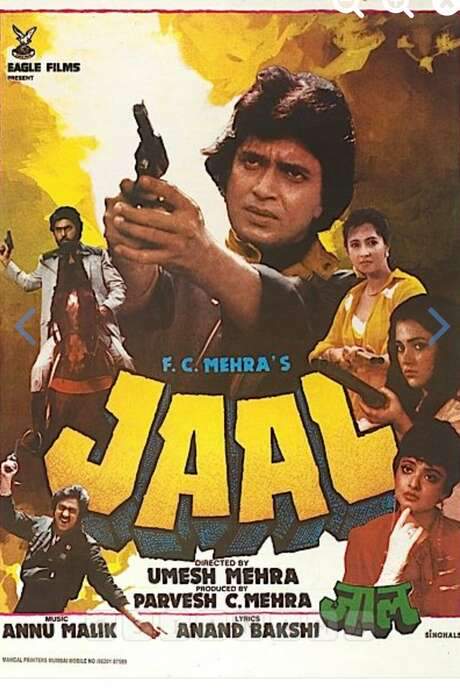
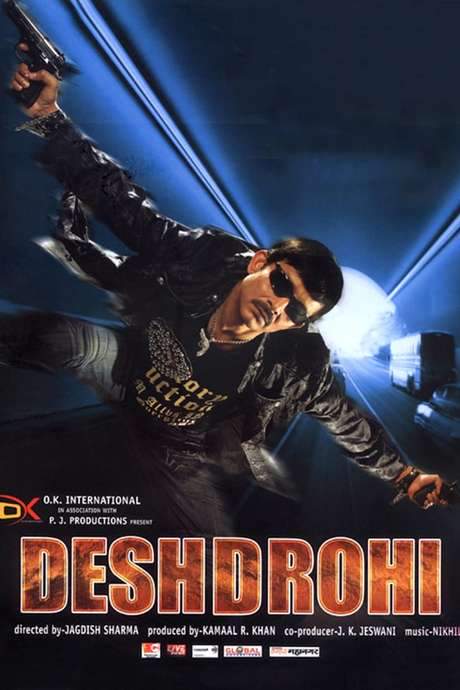
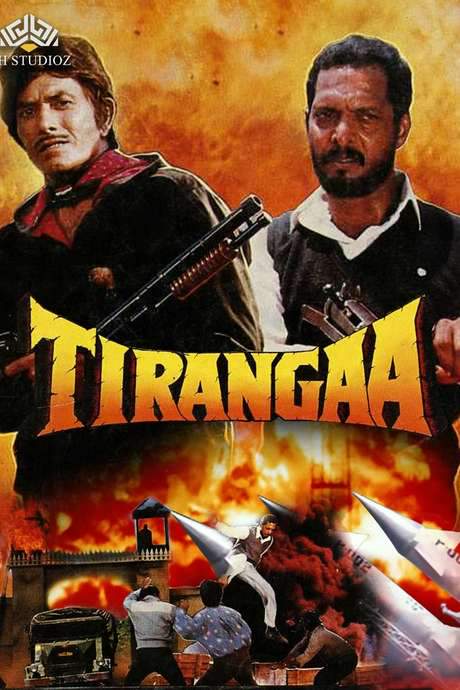
Movies with Similar Twists and Themes
Uncover films that echo the narrative beats, emotional arcs, or dramatic twists of the one you're exploring. These recommendations are handpicked based on story depth, thematic resonance, and spoiler-worthy moments — perfect for fans who crave more of the same intrigue.







Featured on this page

What's After the Movie?
Not sure whether to stay after the credits? Find out!
Check out our other apps:

SAT Sphere
Build confidence for the Digital SAT.

Mori Atlas
Discover wild places worth protecting.

Luntero
Search smarter for a home in Amsterdam.

Plot Explained
Unravel movie endings and hidden clues.

Pokechamp
Dive into Pokémon data and battle logic.

Driving Theory
Get ready for your European theory test.

Movie Dust
Plan your next cinema trip with ease.

Musemap
Find art and culture as you travel.

Selkobase
Compare credentials before committing.

Local Manual
Turn an unfamiliar country into practical next steps.

Lernavi
Compare school systems before your next move.

GymRoam
Find a workout stop wherever your plans take you.
Explore Our Movie Platform
New Movie Releases (2026)
Famous Movie Actors
Top Film Production Studios
Movie Plot Summaries & Endings
Major Movie Awards & Winners
Best Concert Films & Music Documentaries
Movie Collections and Curated Lists
© 2026 What's After the Movie. All rights reserved.
Privacy Policy