
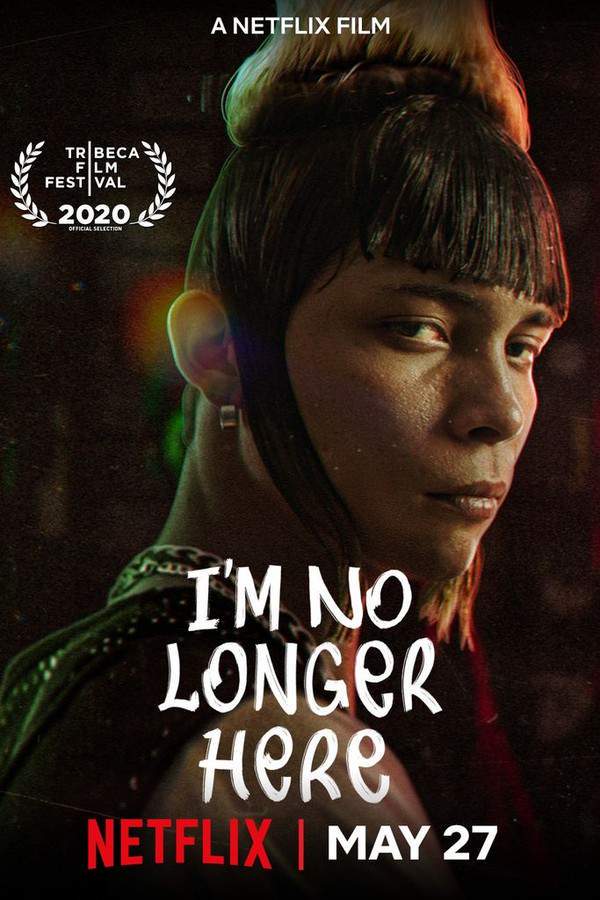
I’m No Longer Here 2019

Directed by

Luis Fernando Frías de la Parra
Made by

PPW Films
I’m No Longer Here Plot Summary
Read the complete plot summary and ending explained for I’m No Longer Here (2019). From turning points to emotional moments, uncover what really happened and why it matters.
The film unfolds through a nonlinear narrative, weaving Ulises Sampiero, Juan Daniel Garcia Treviño, a 17-year-old leader in the Monterrey slums, with his later experiences across the border in Queens. Set in 2011, it follows a youth culture that thrums with color, style, and a rebellious rhythm. The Los Terkos, a tight-knit gang, ride the energy of a counter-culture called Kolombia, where dancing and the slowed-down beat of Cumbia rebajada become a way of life. The teens dress in bright, baggy outfits and sculpt their own eccentric hairdos, chasing moments of joy at dance parties and through bold self-expression even as danger quietly lurks nearby.
From the start, the film plunges into danger. A bold attempt to haul money from students outside a school to fund an MP3 player for Los Terkos triggers a tense confrontation with Los F, a more menacing organized group. A single stolen hand radio becomes the spark that sets off a chain reaction: later that night, a prank involving that radio draws Los F directly to Ulises and his friend Jeremy, who face an ominous warning to abandon their carefree lifestyle or risk death. The tension intensifies when Ulises witnesses a drive-by by Los F that targets members of another gang, Los Pelones. One survivor, badly wounded, spots Ulises with the radio and wrongly assumes he is a traitor, demanding his family’s safety and retreat. The threat is real enough to force a mass exodus from the slum, and Ulises’s world collapses as his mother leverages favors to smuggle him into the United States, urging him to stay away from a life that could claim his life.
Before leaving, the group passes a final gesture: Chaparra, Bianca Coral Puente Valenzuela within the gang, gives Ulises the MP3 device that had been the original focal point of their plans. The departure is dramatic and fraught with risk, and it marks the beginning of a long, arduous journey that takes Ulises far from his home and into a new country where the rules are unfamiliar and the language is a barrier.
In Queens, Ulises finds work among day laborers, but his inexperience, lack of English, and unfamiliar musical tastes create friction. A clash with roommates over music signals that adaptation will not come easily. He then takes a job cleaning the rooftop of a store owned by Mr. Loh, a Chinese shopkeeper. There, his world expands a little as his grandniece Lin, Xueming Angelina Chen, grows curious about his past and offers him a lifeline: a dictionary to help him learn English and a place to stay in a rundown shed on the roof. This fragile friendship becomes a stabilizing thread in the chaos of exile, giving Ulises a rare sense of belonging in a city that feels indifferent.
Seeking easier money, Ulises tries to perform his Kumbia on the subway and in the streets, only to be thwarted by police patrols and wary onlookers. He attends a party with Lin but leaves feeling homesick and isolated, calling home only to hear his mother’s firm warning that Los F would kill him if he returned. A late-night detour leads him back to a Latin bar where a Colombian sex worker briefly helps him, and a moment of despair follows as he intoxicates himself, even cutting his hair after inhaling paint thinner. The film does not flinch from the harsh realities of displacement, desperation, and the heat of fear that can overwhelm a young life.
A few months behind bars and surrounded by the weight of his choices, Ulises is deported back to Mexico. He returns to Monterrey to find that Los F have risen to power, dragging most of the former Los Terkos into their orbit. Amidst the funeral of a former Terko friend, Ulises reconnects with Jeremy, who has found a new path as a Christian rapper preaching in the slums. Ulises considers the idea of staying with him, but ultimately chooses to live alone on the streets once more. He dances one last time to the music from his MP3 device, a poignant farewell to a life left behind, before the final image closes in on a crowd of neighbors rushing toward the slums to shield themselves from the police, providing a last glimpse of Los F’s opportunistic escape as the neighborhood hunkers down and the city exhales.
I’m No Longer Here Timeline
Follow the complete movie timeline of I’m No Longer Here (2019) with every major event in chronological order. Great for understanding complex plots and story progression.
Ulises leads Los Terkos in Monterrey
In 2011, Ulises, a 17-year-old, leads Los Terkos, a gang centered on dancing and the Kolombia counter-culture. They wear bright, baggy clothes and spend their days at dance parties, showing off their colorful style. The group values camaraderie and self-expression as much as any criminal endeavor.
Confrontation with Los F outside a school
Los Terkos attempt to grab money from students outside a school to fund an MP3 player, but they are confronted by a member of Los F who tries to scare them away. The tense standoff underscores the growing danger the Terkos face from a real criminal organization. The incident sets the stage for imminent violence.
Radio theft and mounting tension
A member of Los F is arrested, and a Terkos steals the criminal's hand radio. That night, Ulises and the gang use the radio to prank Los F, drawing their attention and escalating tensions. The prank backfires, signaling the start of real danger for Ulises.
Armed threat from Los F
Two armed Los F members locate Ulises and Jeremy and threaten to kill them unless they quit their relaxed gang life. The threat demonstrates how quickly casual mischief can become deadly coercion. Ulises begins to fear for his family as Los F tighten their grip.
Drive-by attack and betrayal accusation
The next day Ulises witnesses a drive-by shooting in which Los F attack members of Los Pelones. One survivor, badly wounded, misidentifies Ulises as the traitor after recognizing the radio. The survivor curses Ulises and orders him to run, while his family faces retaliation.
Flight to safety and a symbol of the past
Ulises and his family flee the slum, and his mother uses favors to smuggle him into the United States illegally. Before leaving, Chaparra from Los Terkos entrusts Ulises with the MP3 device the gang planned to buy. The move marks a drastic break from his old life and sources of danger.
Arrival in Queens and beginning struggles
Ulises arrives in Queens and starts living with day laborers, quickly running into trouble from language barriers, lack of English, and unfamiliar musical tastes. A clash over work and noise foreshadows further conflict in the immigrant environment. He struggles to adapt while clinging to memories of his past life.
Lin’s friendship and a place to belong
Lin, Mr. Loh's grandniece, befriends Ulises and helps him settle in. She buys him a dictionary to learn English and offers him a run-down shed on the store roof as a place to live. Their growing friendship gives him a fragile sense of belonging in a strange city.
Dancing for money and homesickness
To earn money, Ulises dances to his Kumbia in the subway and on the streets, but he is routinely deterred by police and passersby. He attends a party with Lin but leaves alone after getting drunk and feeling homesick. A call to his mother reveals that returning home is not an option, since Los F would kill him on sight.
Descent into despair
He visits a Latin bar and reconnects with a Colombian sex worker, who tells him she cannot see him again. Wandering the streets, he buys a bottle of paint thinner and huffs it while cutting his hair in a dazed state. The episode marks a downward spiral driven by loneliness and danger.
Deportation back to Mexico
Ulises is found sleeping on the streets by the police and is deported back to Mexico after months in custody. The deportation abruptly ends his attempt to escape his past and returns him to the Monterrey slums. He finds that his old world has changed while Los F have grown more entrenched.
Return to Monterrey and new dominance of Los F
Back in Monterrey, Los F dominate the slums and many former Terkos have joined them. Ulises attends the funeral of an old Terko friend and reconnects with Jeremy, who has converted to Christianity and preaches rap to other boys. Ulises chooses to live on the streets again, continuing a solitary, wandering life.
Final dance and police distraction
Ulises dances one last time to the MP3 device before its battery dies. From a distance, he sees a crowd running toward the slums to hide from police after Los F distract by blocking a major avenue, allowing the gang to escape. The scene underscores the persistent danger that defines his world and its cycle of escape and threat.
I’m No Longer Here Characters
Explore all characters from I’m No Longer Here (2019). Get detailed profiles with their roles, arcs, and key relationships explained.
Ulises Sampiero
A 17-year-old gang leader of Los Terkos who longs for belonging and respect in a volatile neighborhood. His loyalty to the crew clashes with the lure of a safer life abroad, and a stolen radio triggers mistrust that fractures his world. Deportation and isolation in the city reveal the personal cost of his choices.
Lin
Mr. Loh's grandniece who befriends Ulises and helps him adapt by teaching English and offering shelter. Her curiosity about his past and willingness to learn create a fragile bridge between cultures. Lin's friendship offers a glimmer of belonging in a foreign city.
Jeremy
Ulises's friend from the slums who later embraces a different path, turning to Christianity and preaching to others in rap form. His transformation contrasts with the gang's violence and underscores a possible route to redemption or change. He remains a symbol of community and faith amid hardship.
Chaparra
A fellow Los Terkos member who helps drive the plot and embodies the crew's presence in the neighborhood. She is part of the colorful, tight-knit group that defines the gang's identity. Her actions, though small, ripple through Ulises's fate.
La Prendida
A member of Los Terkos who embodies the street dynamics of the slums and the loyalty that keeps the gang together. Her presence highlights the harsh environment that shapes Ulises's decisions. She contributes to the atmosphere of risk that frames the narrative.
La Chida
Another Los Terkos member who participates in key moments of the gang's life in the slums. Her actions reflect the collective identity of the group and the pressures they face. She is part of the lived environment that forms Ulises's experience.
Mr. Low
Owner of the store whose rooftop becomes Ulises's early workplace and where Lin forms a friendship with him. He represents the ordinary civilian world intersecting with migrant life. His establishment acts as a minor hub in Ulises's new environment.
Omar
A member of the Los F violence network who threatens Ulises and embodies the constant danger of the criminal underworld. His presence escalates the stakes for Ulises and shapes the decisions he makes about leaving the life he knew. Omar's presence marks the ongoing risk in the slums.
I’m No Longer Here Settings
Learn where and when I’m No Longer Here (2019) takes place. Explore the film’s settings, era, and how they shape the narrative.
Time period
2011
Set in 2011, the film portrays a period of intense gang activity in Monterrey and a growing wave of migration across the border. The early 2010s context shapes the characters' choices, fashion, and music as forms of identity and resistance. Deportation and transnational movement underscore the precariousness of life for young people on the margins.
Location
Monterrey, Mexico, Queens, New York, USA
The story begins in the crowded slums of Monterrey, where Los Terkos cultivate a bright, counter-cultural identity amid poverty and danger. The group spends their time at dance parties and showing off their colorful styles, living on the edge of crime. The narrative then shifts to Queens, New York, where Ulises attempts to rebuild his life among migrant workers and a foreign urban landscape.
I’m No Longer Here Themes
Discover the main themes in I’m No Longer Here (2019). Analyze the deeper meanings, emotional layers, and social commentary behind the film.
🛂
Migration
Ulises's move from Mexico to the United States marks a perilous escape from gang violence and a search for safety. The cross-border journey highlights the vulnerability of migrants, who face language barriers, precarious work, and uncertain legal status. The theme also considers how distance from home strains family ties and personal identity.
🪪
Identity
The film traces Ulises's struggle to define himself beyond Los Terkos, while Lin helps him navigate a new culture and language. The tension between street allegiance and a possible new self drives much of the character dynamic. Identity is shown as something learned, negotiated, and sometimes fractured by circumstance.
💥
Violence
Violence threads through the slums and the border, from drive-by shootings to threats from rival factions. Survival hinges on loyalty, quick decisions, and the willingness to leave a life behind. The narrative portrays violence as a corrosive force that disrupts families and futures.
🎶
Culture
Music and dance—Cumbia rebajada, Kolombia, and street performances—anchor Ulises's world and symbolize belonging. The portable MP3 device becomes a lifeline to home and a symbol of resistance against cultural erasure. Across borders, music travels and reshapes identity within migrant communities.

Coming soon on iOS and Android
The Plot Explained Mobile App
From blockbusters to hidden gems — dive into movie stories anytime, anywhere. Save your favorites, discover plots faster, and never miss a twist again.
Sign up to be the first to know when we launch. Your email stays private — always.
Explore the mobile appI’m No Longer Here Spoiler-Free Summary
Discover the spoiler-free summary of I’m No Longer Here (2019). Get a concise overview without any spoilers.
In the bustling margins of Monterrey, 17‑year‑old Ulises leads a tight‑knit crew of friends who have turned the streets into a vibrant laboratory of style and sound. Their world pulses to cumbia rebajada, a slowed‑down, bass‑heavy take on the classic Colombian rhythm that fuels spontaneous dance parties, bright‑colored outfits, and wildly creative haircuts. This youthful counter‑culture, known as “Kolombia,” is as much about carving out joy and identity as it is about surviving the restless energy of the neighborhood.
A sudden confrontation with a powerful cartel shatters that fragile equilibrium, forcing Ulises to leave behind the familiar cadence of his community and the gang that has become his family. With only a handful of possessions and a lingering sense of unfinished celebration, he embarks on a precarious journey northward, eventually arriving in the sprawling borough of Queens, New York. The city’s concrete canyons and endless rush of languages present a stark contrast to the rhythmic heartbeat of his hometown, and the young exile finds himself adrift amid unfamiliar customs and a language that feels as foreign as the skyline.
As Ulises navigates day‑to‑day survival in a new country, the pull of his Monterrey roots grows ever stronger. The hypnotic beats that once defined his nights now echo in his memory, turning everyday moments into quiet reveries of the parties and friendships he left behind. Through fleeting connections with strangers and tentative attempts to recreate the music that once bound his world, he discovers that the quest for belonging often rests not only in the places we inhabit, but in the rhythms that continue to pulse within us.
Movies with Similar Twists and Themes
Uncover films that echo the narrative beats, emotional arcs, or dramatic twists of the one you're exploring. These recommendations are handpicked based on story depth, thematic resonance, and spoiler-worthy moments — perfect for fans who crave more of the same intrigue.



Featured on this page

What's After the Movie?
Not sure whether to stay after the credits? Find out!
Check out our other apps:

SAT Sphere
Build confidence for the Digital SAT.

Mori Atlas
Discover wild places worth protecting.

Luntero
Search smarter for a home in Amsterdam.

Plot Explained
Unravel movie endings and hidden clues.

Pokechamp
Dive into Pokémon data and battle logic.

Driving Theory
Get ready for your European theory test.

Movie Dust
Plan your next cinema trip with ease.

Musemap
Find art and culture as you travel.

Selkobase
Compare credentials before committing.

Local Manual
Turn an unfamiliar country into practical next steps.

Lernavi
Compare school systems before your next move.

GymRoam
Find a workout stop wherever your plans take you.
Explore Our Movie Platform
New Movie Releases (2026)
Famous Movie Actors
Top Film Production Studios
Movie Plot Summaries & Endings
Major Movie Awards & Winners
Best Concert Films & Music Documentaries
Movie Collections and Curated Lists
© 2026 What's After the Movie. All rights reserved.
Privacy Policy