
I’m All Right Jack 1959

Directed by
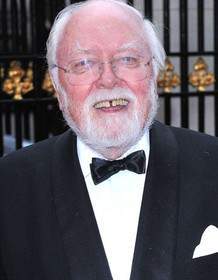
Richard Attenborough
Made by

Charter Film Productions
Where to Watch I’m All Right Jack
See current US streaming, rental, and purchase options for I’m All Right Jack (1959) via JustWatch.








I’m All Right Jack Plot Summary
Read the complete plot summary and ending explained for I’m All Right Jack (1959). From turning points to emotional moments, uncover what really happened and why it matters.
Stanley Windrush, Ian Carmichael, begins his journey in a rather unusual setting, the Sunnyglades Nudist Camp, where his father tries to steer him toward a corporate career. He launches into two hopeful interviews that set the tone for his precarious path into industry. The first interview is for the Detto company, which manufactures washing detergent; Windrush makes a strikingly poor impression and fails to land the job. A second chance comes with an interview at Num-Yum, a factory that produces processed cakes. The cakes taste good, but the production process turns disturbing, and an overabundance of samples leaves Windrush sick in a large mixing bowl, again ending in a rejection. After ten days and eleven interviews, the recruitment agent simply declares that Windrush isn’t cut out for industry.
Windrush’s trajectory takes a sharp turn when his uncle Bertram Tracepurcel, Dennis Price, and his old army comrade Sidney DeVere Cox, Richard Attenborough, urge him to take an unskilled blue-collar position at Tracepurcel’s missile factory, Missiles Ltd. At the outset, Windrush is viewed with suspicion as an eager newcomer by the shop floor, particularly by the communist shop steward Fred Kite, Peter Sellers. Kite wants Windrush fired for lacking a union card, but after a period of work-to-rule, Kite warms to him and even offers to take him in as a lodger. When Kite’s daughter Cynthia, Liz Fraser, visits, Windrush accepts her company with an ease that briefly smooths the rough edges of the arrangement.
Meanwhile, the personnel manager, Major Hitchcock, encounters a time-and-motion study expert named Waters, John Le Mesurier, who is tasked with measuring employee efficiency. The workers resist cooperation, but Waters manipulates Windrush into demonstrating how much more quickly he can operate his forklift truck than his more seasoned colleagues. Upon learning the result, Kite calls a strike to defend the wages his union is paid, a scheme that Cox, Tracepurcel, and Mr Mohammed, the Middle Eastern contract’s representative, intend to leverage. Their plan is to win a lucrative deal that could be inflated by roughly £100,000, a sum they would split three ways, presenting it as a legitimate expense to justify a faster, costlier contract.
As tensions rise, the union decides to punish Windrush by “sending him to Coventry.” The Kite household also gains an unexpected visitor when Windrush’s wealthy aunt Dolly visits, adding another layer of complexity to the family dynamics. The story then widens to a nationwide crisis as Cox arrives at Union Jack Foundries to find workers mounting a sympathy strike. The press cover the supposed punishment of Windrush for his diligence, and Windrush’s choice to cross the picket line and return to work—while exposing his ties to the factory’s owner—sparks harsh reactions. Cynthia and her mother respond by going on strike, and more labor disruptions ripple outward, bringing the country to a near-standstill.
With the situation spiraling, Tracepurcel has no choice but to dispatch Hitchcock to negotiate with Kite. The attempted settlement leaves Windrush at the center of blame from both sides, forcing him to face consequences that neither camp anticipated. Cox then attempts a bribe to push Windrush out, offering a bag of money to resign, a temptation Windrush refuses. The confrontation moves to a televised debate, a program called Argument hosted by Malcolm Muggeridge, where Windrush publicly exposes the hidden motives driving all involved. When Windrush tosses the bribe money into the air, the studio audience erupts in riotous chaos.
In the aftermath, Windrush is accused of causing a disturbance and is bound over to keep the peace for twelve months. The film closes with a return to the nudist setting, where Windrush sits with his father, the mood lighter but the irony not lost: the final scene finds him naked once more, this time under very different circumstances. The story unfolds with a careful balance of satire and social commentary, illustrating how collective action, corporate ambition, and personal loyalties collide in a country at a crossroads. In the end, Windrush’s moral ambiguity remains, leaving viewers to reflect on the true cost of progress and the fragile nature of trust in times of upheaval.
I’m All Right Jack Timeline
Follow the complete movie timeline of I’m All Right Jack (1959) with every major event in chronological order. Great for understanding complex plots and story progression.
Opening chat and Detto interview
Stanley Windrush chats with his father at the Sunnyglades Nudist Camp, where he is persuaded to seek a corporate career. He goes for an interview with Detto, a detergent company, and makes a deeply unfavourable impression. He leaves without a job offer.
Num-Yum interview and mixing-bowl sickness
He is interviewed by Num-Yum, a processed cakes factory; the cakes taste good but the production process is disturbing. He samples the products and becomes visibly sick, unable to continue with the job. He still fails to secure the position.
Rejection letter from recruitment agency
A recruitment agent sends Windrush a letter explaining that after 11 interviews in 10 days he has made a singularly unimpressive impression. The industry seems not to be for him. This rejection ends his corporate job search for the moment.
Persuaded to take Missiles Ltd job
Uncle Bertram Tracepurcel and Sidney DeVere Cox persuade Windrush to take an unskilled blue-collar job at Tracepurcel's missile factory, Missiles Ltd. At first, he is met with suspicion from the shop floor and the idea of joining the union is contested. He accepts the opportunity.
Kite attempts to sack him for lacking a union card
Communist shop steward Fred Kite asks that Stanley be sacked for not possessing a union card. The conflict foreshadows the labor drama to come. Windrush's presence generates tension on the shop floor.
Kite takes him in; Cynthia visits
Following a period of work-to-rule, Kite takes Windrush under his wing and offers to lodge him. When Kite's daughter Cynthia drops by, Windrush is invited to stay, increasing his integration into the workers' circle.
Time-and-motion study and Windrush's demonstration
Major Hitchcock hires Waters, a time-and-motion study expert, to measure efficiency. The workers resist, but Windrush ends up showing him how much faster he can work with a forklift than the veterans. This puts him at the center of the experiment.
Strike to protect wages
Kite is informed of the study results and calls a strike to protect the wages of the union workers. The strike highlights the tension between efficiency, management, and the union. Windrush becomes a focal point of the labor conflict.
Cox and Tracepurcel's inflation scheme
Cox, Tracepurcel, and a representative of a Middle Eastern government discuss a large contract at inflated cost, planning to skim off a million pounds. They justify the higher cost as faster delivery, aiming to line their own pockets.
Windrush targeted and Coventry notice
The union meets and decides to punish Windrush by a Coventry-style boycott, communicated in writing. The resulting tension triggers a broader sense of grievance across the workforce.
Crossing the line and escalated strikes
Windrush crosses the picket line to return to work, revealing his connection to the company's owner. Kite asks him to leave his house, prompting Cynthia and her mother to join the strikes. The country experiences a cascade of strikes.
Televised debate and exposed motives
Cox tries to bribe Windrush to resign, but Windrush refuses. On a Muggeridge-hosted television program, Windrush reveals the underhanded motives of all involved and throws the bribe money into the air, triggering a riot.
Final bind-over and Nudist Colony ending
Windrush is accused of causing a disturbance and bound over to keep the peace for 12 months. He is last seen with his father relaxing at a nudist colony, only to have to flee from the attentions of the female residents, unlike the opening scene when he was fully clothed.
I’m All Right Jack Characters
Explore all characters from I’m All Right Jack (1959). Get detailed profiles with their roles, arcs, and key relationships explained.
Stanley Windrush (Ian Carmichael)
An eager, somewhat naive young man who dreams of climbing the corporate ladder. He endures a brutal interview process and awkward recruitment attempts, revealing his stubborn optimism and practical difficulties fitting into a ruthless industrial world. His drive to prove himself complicates his relationships and pulls him into the larger schemes at Missiles Ltd.
Fred Kite (Peter Sellers)
A bombastic, principled but self-serving shop steward who wields his power to defend workers’ rights while steering the union’s agenda. He takes Windrush under his wing and uses rhetoric to manipulate the workforce, revealing the tension between loyalty and expediency. His antics illuminate the humanity and flaws within labor leadership.
Sidney De Vere Cox (Richard Attenborough)
A shrewd, unscrupulous businessman plotting to profit from a lucrative contract through Middle Eastern dealings. He represents the corrupting influence of opportunism at the top of industry, orchestrating schemes with Tracepurcel and others. His presence embodies the film’s critique of capitalism's excesses.
Cynthia Kite (Liz Fraser)
Daughter of Fred Kite, she embodies social ambition and personal agency within the upheaval of industrial strikes. Her involvement intensifies the conflict between different social groups and catalyzes emotional stakes for Windrush. Cynthia's presence highlights the human impact of labor politics on families.
I’m All Right Jack Settings
Learn where and when I’m All Right Jack (1959) takes place. Explore the film’s settings, era, and how they shape the narrative.
Time period
1950s Britain
Set in the 1950s United Kingdom, the film places its action in a period of rapid industrial change and growing media influence. The era’s emphasis on efficiency, strikes, and blue-collar labor provides a backdrop for satirical critiques of management and union tactics. The presence of a televised debate hints at the rise of mass media shaping public opinion during this decade.
Location
Sunnyglades Nudist Camp, Tracepurcel's Missiles Ltd, Union Jack Foundries
The story travels across distinct British locales: the Sunnyglades Nudist Camp where the opening setup unfolds and social mores are playfully challenged; Tracepurcel's Missiles Ltd, a major defense contractor that becomes the engine of the plot; and Union Jack Foundries, the factory at the heart of the labor disputes. These settings anchor a satirical view of mid-20th-century industry, where private greed, corporate schemes, and worker activism collide. Together, they illustrate a Britain navigating postwar reconstruction, Cold War anxieties, and evolving social norms.
I’m All Right Jack Themes
Discover the main themes in I’m All Right Jack (1959). Analyze the deeper meanings, emotional layers, and social commentary behind the film.
💷
Greed & Profit
The narrative lampoons how money and contracts drive behavior among business and political figures. Cox, Tracepurcel, and their associates plot to siphon funds from a Middle Eastern deal, using Windrush as a pawn. The pursuit of profit corrupts motives on both the management and union sides, revealing a cynical view of postwar industry.
🤝
Labor & Unions
The film scrutinizes the power dynamics within unions and the way collective action can be manipulated. Fred Kite uses union authority to push punitive measures, while Windrush becomes a focal point of industrial conflict. The strikes, walkouts, and loyalty tests expose the fragility of solidarity and the pressures of economic survival.
📺
Media & Debate
A televised forum hosted by Malcolm Muggeridge becomes a stage for exposing motives and posturing. Public opinion is shaped as arguments are framed for mass consumption, often distorting the truth behind corporate scheming. The climactic broadcast catalyzes a wider critique of how media can influence justice and policy.

Coming soon on iOS and Android
The Plot Explained Mobile App
From blockbusters to hidden gems — dive into movie stories anytime, anywhere. Save your favorites, discover plots faster, and never miss a twist again.
Sign up to be the first to know when we launch. Your email stays private — always.
Explore the mobile appI’m All Right Jack Spoiler-Free Summary
Discover the spoiler-free summary of I’m All Right Jack (1959). Get a concise overview without any spoilers.
In post‑war England a fresh optimism bubbles beneath the rubble of ration books and rebuilding sites, yet the country’s corridors of power still echo with old class divisions. The film rides a bright, bawdy wave of satire, letting three of the era’s biggest comedians riff on the absurdities of a society that’s trying to modernise while clinging to its hierarchies. The humour is fast‑paced and slightly anarchic, but it never loses its sharp edge, constantly reminding the audience that the laugh‑track is also a commentary on the uneasy transition from wartime solidarity to peacetime competition.
At the centre of this comic tableau is Stanley Windrush, a bright‑eyed veteran who returns home convinced that his service record will catapult him straight into a respectable business career. Pressed by a well‑meaning but overbearing father, Stanley heads for the boardroom, only to discover that the path to success starts not at the top but on the shop floor, under the watchful eyes of both management and the labour movement. His earnestness and lack of experience make him a perfect canvas for the film’s satirical brush.
Around him swirl a colourful cast: his opportunistic uncle Bertram Tracepurcel, a suave former officer; his loyal old comrade Sidney DeVere Cox, who offers a brother‑in‑arms perspective; and the fiery union steward Fred Kite, whose initial hostility softens into a begrudging camaraderie. Their interactions expose the tug‑of‑war between corporate ambition and workers’ solidarity, each character embodying a different facet of the new Britain.
The movie balances slapstick set‑pieces with razor‑sharp social observation, using Stanley’s naïve climb up the corporate ladder as a vehicle to probe who really pulls the strings in a nation caught between old‑world deference and the rising clamor for equality. The tone remains playful yet pointed, inviting viewers to laugh while they contemplate the cost of progress and the invisible forces that shape every career‑long ascent.
Movies with Similar Twists and Themes
Uncover films that echo the narrative beats, emotional arcs, or dramatic twists of the one you're exploring. These recommendations are handpicked based on story depth, thematic resonance, and spoiler-worthy moments — perfect for fans who crave more of the same intrigue.


Featured on this page

What's After the Movie?
Not sure whether to stay after the credits? Find out!
Check out our other apps:

SAT Sphere
Build confidence for the Digital SAT.

Mori Atlas
Discover wild places worth protecting.

Luntero
Search smarter for a home in Amsterdam.

Plot Explained
Unravel movie endings and hidden clues.

Pokechamp
Dive into Pokémon data and battle logic.

Driving Theory
Get ready for your European theory test.

Movie Dust
Plan your next cinema trip with ease.

Musemap
Find art and culture as you travel.

Selkobase
Compare credentials before committing.

Local Manual
Turn an unfamiliar country into practical next steps.

Lernavi
Compare school systems before your next move.

GymRoam
Find a workout stop wherever your plans take you.
Explore Our Movie Platform
New Movie Releases (2026)
Famous Movie Actors
Top Film Production Studios
Movie Plot Summaries & Endings
Major Movie Awards & Winners
Best Concert Films & Music Documentaries
Movie Collections and Curated Lists
© 2026 What's After the Movie. All rights reserved.
Privacy Policy