

What Is Ilusión Nacional About?
The premise of Ilusión Nacional in 302 words, with nothing given away. The full story follows below.
In Olallo Rubio’s hands, the story of Mexican football becomes a living tapestry that stretches far beyond the pitch. The documentary opens on the roar of stadiums and the hum of everyday streets, suggesting that the sport is woven into the very fabric of the nation. Through a steady stream of archival footage, we are invited to witness how each goal, each chant, and each defeat reverberates through neighborhoods, markets, and political chambers, turning a simple game into a mirror of collective hopes and anxieties.
The world presented is both grand and intimate: towering stadiums echo with the passion of fans while modest back‑streets pulse with whispered debates about identity and aspiration. A sober, observational tone underpins the film, allowing history to unfold without overt narration, yet Rubio’s voice offers a steady compass, guiding viewers through the shifting landscapes of economics, power, and social change. The visual palette is rich with grainy reels and crisp modern shots, creating a layered texture that feels at once nostalgic and urgent.
Central to the narrative is the figure of Rubio himself, a filmmaker‑historian who serves as both guide and participant. He stands as a conduit between past and present, letting the silent moments of the game speak while occasionally stepping into the frame to pose quiet questions. Alongside him, the resonant words of Eduardo Galeano drift in as a poetic meditation on sport’s ability to uplift societies, hinting at deeper philosophical currents without dictating them.
Together, these voices and images construct a mood that is simultaneously celebratory and contemplative, inviting the audience to feel the pulse of a nation that finds triumph even in loss. The film promises a journey through time, culture, and collective memory, where every kick of the ball becomes a subtle commentary on who Mexico is—and who it strives to become.
What Happens in Ilusión Nacional?
The complete story of Ilusión Nacional, from the first scene to the last, in 313 words (about 1 minute). Spoilers throughout. Names in the text link to 7 cast member pages.
Spoilers ahead
Olallo Rubio traces the long arc of association football in Mexico, showing how the sport intertwines with politics and everyday life. The film is built entirely from archival material: game footage, interviews with players, and a guiding narration. It begins with Mexico’s first major appearance at the 1928 Summer Olympics and moves forward to the 2012 Summer Olympics, where the national team faced Brazil.
One throughline centers on Mexico’s FIFA World Cup participation, including the moments when the country hosted the tournament in 1970 and 1986. The narrative broadens in the 1980s to place football within a wider social and political backdrop: when Mexico City hosted the 1986 World Cup, the nation was still reeling from the 1985 earthquake that damaged the sound system, forcing fans to sing the national anthem aloud and turning the stadium into a collective act of resilience. The film also touches on sport violence among nations and fans, briefly framing how the global stage intersects with local tensions.
It also covers a political scandal from the era in which Mexican youth players were pressured to sign fake documents claiming they were younger than they really were, an episode that led to Mexico’s disqualification from several subsequent cups. Beyond that, the documentary tracks Mexico’s progress in youth football, highlighting the U-17 World Cup victories in 2005 and 2011 and what those wins meant for Mexican football culture and national pride. The narrative expands to show how these moments fed into a broader sense of national identity and ambition.
The closing portion centers on a reflective monologue by Eduardo Galeano, contemplating football’s dramatic impact on society and its power to uplift nations. Throughout the archival journey, the film also spotlights appearances by global football figures in footage, including Pelé, Diego Maradona, Neymar, Cuauhtémoc Blanco, and Bobby Charlton, illustrating how the world’s game threads together diverse histories on a single field.
Ilusión Nacional Timeline: Every Key Event in Order
12 key events in the order they happen, from “Mexico's international debut at the 1928 Olympics” to “Football as national memory and identity”. 10 events name a place, across 7 locations.
- 1
Mexico's international debut at the 1928 Olympics
The film opens with Mexico's first Olympic appearance in 1928, marking a formative moment in national football. Archival footage and Rubio's narration contextualize how this early foray seeded a lifelong football culture.
When:1928 Where:Amsterdam
- 2
The World Cup era begins for Mexico
The documentary traces how Mexico's World Cup campaigns become a central thread in national life. Each tournament is framed as a lens on politics, media, and public mood. This period sets the stage for how football mirrors Mexican society.
When:1930s–1960s Where:Mexico
- 3
Mexico hosts the 1970 World Cup
Mexico's historic role as host nation in the 1970 World Cup marks a turning point in modern Mexican football. The film shows how new stadiums, fan rituals, and international attention reshaped national pride. Archival games and interviews illustrate hosting as a catalyst for football culture.
When:1970 Where:Mexico (various cities)
- 4
The 1986 World Cup and the quake's echo
The 1986 World Cup unfolds amid Mexico City's recovery from the 1985 earthquake. The disaster's shadow colors the tournament’s atmosphere, from the resilience of fans to disruptions like a broken sound system. The event is presented as a defining moment in Mexican collective memory.
When:1986 (background 1985) Where:Mexico City
- 5
1980s political backdrop and social impact
During the 1980s the film broadens its lens to politics and society, showing how football intersects with national concerns. It highlights how moments of triumph and crisis in the sport reflect broader social forces. The era is framed as a period when football became a barometer of national sentiment.
When:1980s Where:Mexico
- 6
Youth scandal and disqualification
A political scandal emerges where youth players were forced to sign fake documents asserting younger ages. The revelation leads to Mexico's disqualification from several subsequent cups and prompts reforms. The events are presented as a cautionary tale about integrity in sport and politics.
When:1980s Where:Mexico
- 7
Mexico's U-17 World Cup victories
The documentary highlights Mexico's strong performances in the U-17 World Cup. It notes wins in 2005 and 2011, framing them as milestones for national pride and youth development. The wins are depicted as proof of a resilient football culture feeding into the senior team.
When:2005, 2011 Where:Peru (2005), Mexico (2011)
- 8
The World Cup as a cultural touchstone
Across multiple World Cups, the film emphasizes how Mexican fans and players navigate global competition amid political tensions and a sometimes turbulent international stage. Moments of collective emotion, resilience, and national identity are showcased through archival clips. The World Cup era is treated as a continuous thread through decades.
When:1970s–2010s Where:Global (World Cup venues)
- 9
Archival footage and interviews shape the narrative
The film is constructed entirely from archival game footage and interviews. Rubio's narration stitches these pieces into a coherent national history rather than a conventional sports documentary. The montage approach emphasizes memory as a constructed, collective asset.
When:various years
- 10
2012 London Olympics: Mexico vs Brazil
The film closes with the Mexico-Brazil clash at the 2012 Summer Olympics in London, highlighting sport's global reach. The match serves as a climactic symbol of football's power to unite and inspire beyond borders. The moment underscores the ongoing relevance of Mexico's football story.
When:2012 Where:London
- 11
Eduardo Galeano's closing monologue
In the closing monologue, Eduardo Galeano reflects on football's dramatic impact on society. He argues that the sport can uplift nations and articulate a shared dream beyond wins and losses. The monologue ties the film's historical arc to a broader cultural significance.
When:End of film (2012)
- 12
Football as national memory and identity
The documentary consistently returns to the idea that football mirrors and shapes Mexican politics and identity. Through decades of triumphs, scandals, and social change, the sport appears as a persistent thread in the nation's story. The film closes by reaffirming football's central role in Mexican life.
When:throughout Where:Mexico
Who Are the Main Characters in Ilusión Nacional?
6 characters, among them Narrador — Olallo Rubio, Eduardo Galeano and Pelé: who each one is and the part they play in the story. Every profile links to the actor’s page.
- N—
Narrador — Olallo Rubio
Played by Olallo Rubio
Guía la narrativa del documental, enlazando archivos de partidos y entrevistas con un contexto histórico de la historia del fútbol mexicano. Explica cómo los grandes eventos internacionales y el ambiente político moldearon la trayectoria del equipo nacional. Su tono ofrece una visión general accesible de décadas de historia futbolística mexicana.
- 🎙️ Narrador
- EG
Eduardo Galeano
Played by Eduardo Galeano
Interviene en el cierre con un monólogo que vincula el fútbol con la sociedad y la imaginación de una nación. Su voz aporta una perspectiva poética sobre el poder del fútbol como símbolo de esperanza y desafío social. Su intervención enfatiza el carácter universal del juego y su capacidad para influir en la memoria colectiva.
- 🗣️ Escritor
-
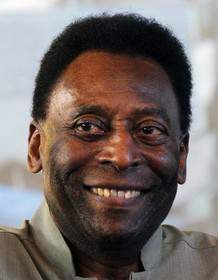
Pelé
Played by Pelé
Aparece a través de material de archivo, representando la era dorada del fútbol y la influencia global del deporte. Su presencia subraya cómo México se movía en un escenario futbolístico cada vez más internacional. Su memoria sirve como punto de referencia para comprender la evolución de la Copa del Mundo y las competencias internacionales.
- ⚽️ Icono
- DM
Diego Maradona
Played by Diego Maradona
Una figura icónica de la Copa del Mundo, su era simboliza la pasión y la complejidad del fútbol en la escena internacional. Las imágenes de Maradona conectan con el tema de la grandeza deportiva y las rivalidades que influyeron en México.
- ⚽️ Leyenda
-
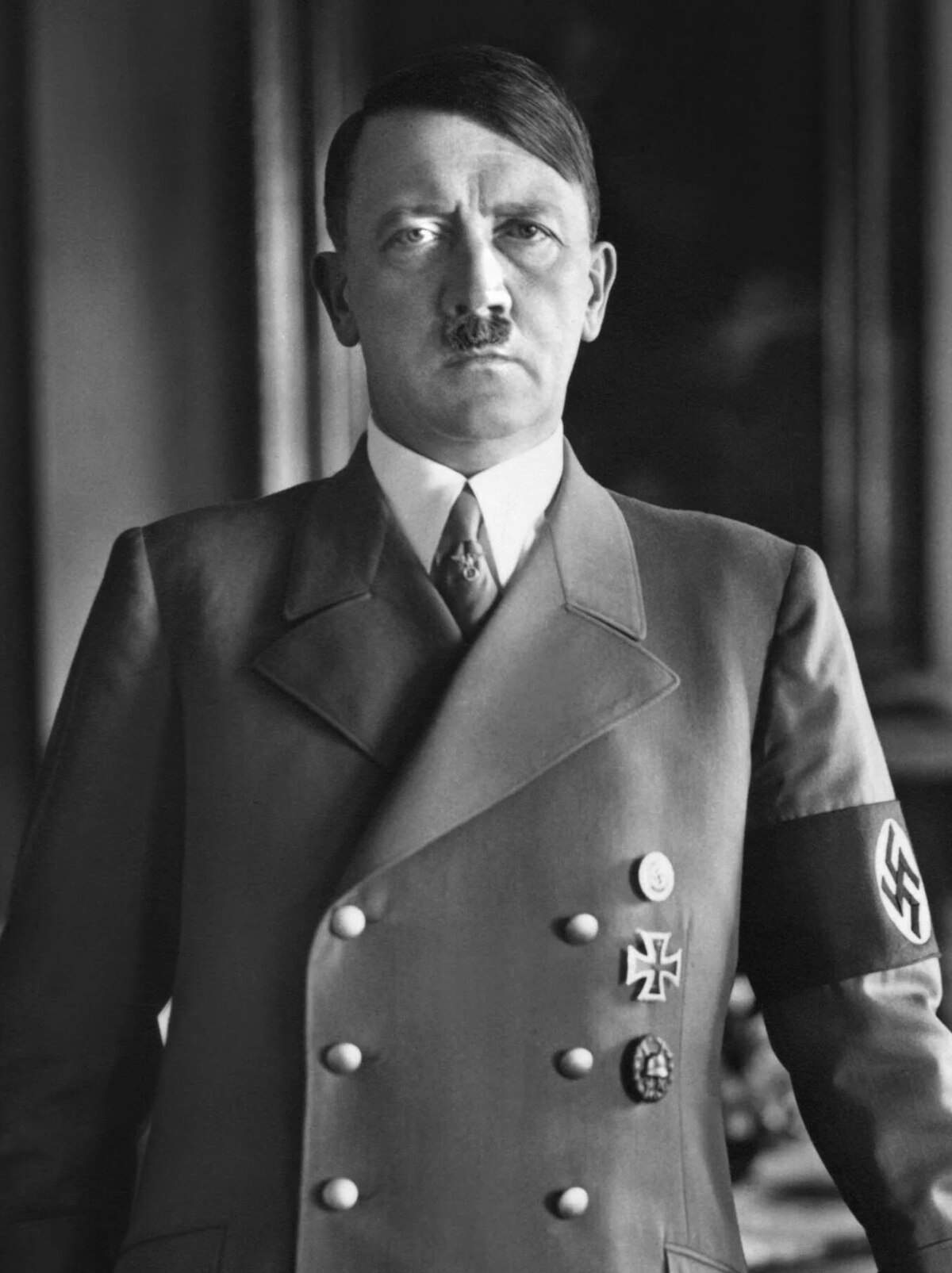
Adolf Hitler
Played by Adolf Hitler
Aparece en material de archivo para ilustrar cómo el nacionalismo y la propaganda pueden rodear al deporte en un contexto histórico oscuro. Su presencia enfatiza el papel de la política en la utilización del fútbol como vehículo de poder y control.
- 🗺️ Historia
- JC
Jorge Campos
Played by Jorge Campos
Portero mexicano emblemático que simboliza la modernización del fútbol mexicano; el film usa su archivo para mostrar la evolución táctica y la identidad visual del fútbol en México en los años 90.
- 🧤 Portero
Where and When Is Ilusión Nacional Set?
Ilusión Nacional is set in México and Londres (1928-2012). Here is why the time and place matter to the story.
When
1928-2012
El periodo cubierto va desde la debut de México en los Juegos Olímpicos de 1928 hasta la Olimpiada de Londres 2012. A lo largo de estas décadas, el fútbol mexicano evoluciona desde sus raíces hasta convertirse en una presencia más consolidada en torneos internacionales. El documental utiliza archivos para mostrar cambios sociales y culturales que acompañaron esos años.
Where
México, Londres
El film se sitúa principalmente en México, cuna de una historia futbolística y política intensa. Se muestran ciudades y estadios clave donde el fútbol ha servido como escenario de identidad nacional. También se destacan momentos internacionales, como la participación de México en Copas del Mundo y Juegos Olímpicos que conectan al país con el mundo.
- 🇲🇽 México
- 🇬🇧 Londres
What Are the Themes of Ilusión Nacional?
3 ideas the story keeps returning to, among them Nacionalismo, Política y Deporte and Resiliencia.
-
01
Nacionalismo
El fútbol funciona como espejo de la identidad mexicana, uniendo a la gente alrededor de un equipo que representa al país en torneos internacionales. Cada triunfo y derrota se interpreta como una expresión de orgullo nacional y de lucha social. El documental muestra cómo el deporte trasciende el juego para definir narrativas de comunidad y pertenencia.
-
02
Política y Deporte
La película sitúa al fútbol en el cruce de política e historia, con contextos que incluyen crisis, desastres y debates públicos que rodean los torneos. Se discute cómo gobiernos y autoridades utilizan el deporte para demostrar poder, inspirar o desestabilizar. Los eventos como terremotos y polémicas de juventud se muestran como parte del trasfondo que da forma al equipo y su historia.
-
03
Resiliencia
El documental destaca la resiliencia del pueblo frente a la adversidad, desde el sismo de 1985 en México hasta el consuelo que ofrece el fútbol en tiempos de crisis. A través de imágenes y testimonios, se muestra cómo el fútbol sirve para unir a comunidades, mantener la esperanza y forjar una identidad colectiva. El cierre con Eduardo Galeano refuerza la idea de que el fútbol tiene un impacto profundo en la sociedad, elevando a las naciones.
What Kind of Film Is Ilusión Nacional?
Bittersweet in tone, with steady pacing and a straightforward story, going by the plot summary.
- Tone
- Bittersweet
- Pacing
- Steady
- Story
- Straightforward
- Intensity
- Medium
- Ending
- Bittersweet
A thoughtful and steadily paced documentary that explores the bittersweet relationship between football and Mexican national identity, blending moments of sporting triumph with reflections on political and social hardship.
- reflective
- historical
- observational
- nationalistic
- melancholic
- hopeful
- documentary
- sports history
- national identity
- politics
Quiz
How well do you remember Ilusión Nacional? Test yourself on the story.
