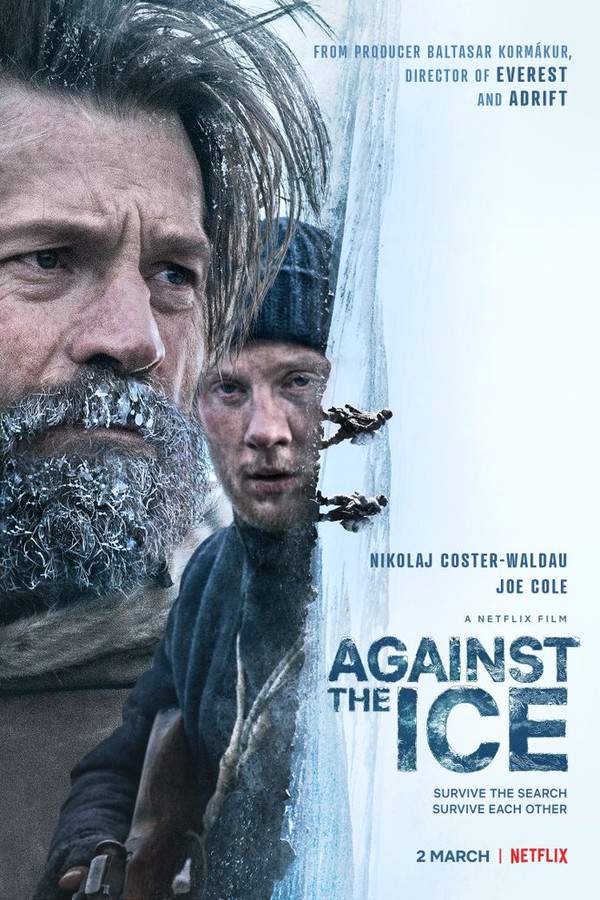
What Is Ice Palace About?
The premise of Ice Palace in 322 words, with nothing given away. The full story follows below.
The ice‑capped peaks and endless tundra of post‑World War I Alaska provide a stark, beautiful backdrop for a story where ambition and principle clash as violently as the weather. In a land still untamed, the encroaching tide of industry meets the stubborn resilience of the people who have lived off its seas and soil. The wilderness is both a character and a canvas, framing a decades‑long struggle to shape a territory that yearns for statehood while clinging to its wild roots.
Against this landscape rises Zeb “Czar” Kennedy, a sharp‑tongued cannery magnate whose drive for profit and power makes him a force as relentless as the glaciers he navigates. His ascent is aided by loyal allies, including a steadfast Chinese worker named Wang, whose quiet competence mirrors the unspoken contracts of the frontier. Opposite him stands Thor Storm, a rugged fishing‑boat captain turned activist whose love for the sea is matched only by his dedication to protecting the local community and indigenous voices. Their rivalry becomes a mirror for the broader contest between commercial exploitation and communal stewardship.
Complicating their public contest is a tangled personal web. Bridie Ballantyne—the spirited daughter of a local family—finds herself caught between the magnetic pull of the tycoon and the earnest devotion of the activist, a love triangle that adds an intimate stakes to the larger conflict. Meanwhile, Dorothy Wendt Kennedy, the polished Seattle heiress who becomes Zeb’s partner, brings an additional layer of social expectation and intrigue to the mix, underscoring the clash of worlds that defines the era.
The film balances sweeping vistas with tightly wound human drama, blending romance, political ambition, and the raw, unforgiving beauty of Alaska. It suggests that the fate of a territory can hinge not only on legislation and industry but also on the hidden currents of the hearts that beat within its borders, leaving the audience to wonder which forces will ultimately carve the future from the ice.
What Happens in Ice Palace?
The complete story of Ice Palace, from the first scene to the last, in 499 words (about 2 minutes). Spoilers throughout. Names in the text link to 10 cast member pages.
Spoilers ahead
Set in Alaska after World War I, the film follows the rise of Zeb Kennedy and Thor Storm, two men who shape Baranof’s economy and its precarious balance between industry and community. Zeb climbs the cannery ladder, befriending Wang, a Chinese worker, and Storm, an idealistic fishing-boat captain. Together they dream of building a cannery in Baranof, but romance complicates matters when Zeb falls for Bridie Ballantyne, Storm’s fiancée. Although the feeling is mutual, Zeb chooses money over love and marries Seattle heiress Dorothy Wendt Kennedy.
When Storm discovers his fiancée’s infidelity, a brutal confrontation leads him to strike Zeb and flee into the wilderness on a dog sled. Zeb then launches a packing company in Baranof, bringing in Wang and his old friend Dave Husack. His relationship with Bridie remains a constant, even as his wife becomes aware of the affair. The Kennedys welcome a daughter, Grace Kennedy, whose presence will echo through the town’s layered loyalties.
Storm returns to Baranof with an infant son, Christopher Storm, born to an Eskimo wife who dies after labor. Over the years, Storm grows to resent Kennedy for the cannery’s use of salmon traps, which threaten the livelihoods of many fishermen. Meanwhile, the children, Christopher Storm and Grace Kennedy, begin a romance of their own, weaving personal ties into a web of political and family intrigue. Zeb urges Storm to keep his “half-breed kid” away from his daughter, a line that underscores the deep-seated tensions between the families.
Storm, drawing on the support of fishermen and Alaska natives, becomes a candidate for the Alaska Territorial Legislature, championing statehood and opposing the excesses of business mogul “Czar” Kennedy. Christopher and Grace elope to live among Christopher’s maternal relations in the village of Anavak, and Grace’s mother, Dorothy Kennedy, dies, setting the stage for further conflict. Grace becomes pregnant, and the couple decides to travel to Baranof so that the child is born there. They set off by dog sled, but Grace goes into labor en route and Christopher is killed by a bear; Zeb, along with Thor and Bridie Ballantyne, intercept and shoot the bear. Grace gives birth to a baby girl, Christine Storm, before she dies. Christine grows up between the Ballantyne and Kennedy households, a constant reminder of the feud that divides the families.
Kennedy hones his political influence by grooming Bay Husack, the son of Dave Husack, to be his champion in the territorial legislature and even encourages the young lawyer to marry Christine for political gain. Ballantyne, not blind to the schemes, exposes the plot and the engagement is broken. Storm heads to Juneau but a snowstorm forces him to crash on a glacier. Ballantyne persuades Kennedy to undertake a dangerous mission to save Storm and his Eskimo pilot, Ross Guildenstern. Storm survives, and his speeches before Congress help secure Alaska’s statehood. In a final, conciliatory gesture, Storm grants thanks to his erstwhile opponent Kennedy in a radio address that marks a turning point for the territory’s future.
Ice Palace Timeline: Every Key Event in Order
14 key events in the order they happen, from “Postwar Alaska: Cannery plans take shape” to “Alaska becomes a state and reconciliation”. 14 events name a place, across 9 locations.
- 1
Postwar Alaska: Cannery plans take shape
In the years after World War I, Zeb Kennedy, Thor Storm and other settlers arrive in Baranof, Alaska. Kennedy quickly climbs in the local fish cannery business and begins planning a cannery with Storm. He also befriends Wang, a Chinese worker, laying the groundwork for future ventures.
When:Post-World War I / Early 1920s Where:Baranof
- 2
Kennedy marries for money
Kennedy falls for Bridie Ballantyne, Storm's fiancée, but he ultimately chooses money over love and marries Seattle heiress Dorothy Wendt. The marriage marks a shift from idealism toward wealth and political ambition. The personal betrayal sets the stage for the coming conflict with Storm.
When:Early 1920s Where:Seattle
- 3
Storm's departure after infidelity
When Storm discovers Bridie's infidelity, he punches Kennedy and flees Baranof on a dog sled, retreating into the wilderness. He disappears into the wilderness, leaving behind the rising cannery ambitions they shared. The alliance between the two men fractures irreparably.
When:Soon after Kennedy's marriage Where:Baranof / Wilderness
- 4
Kennedy expands business with packing company
Kennedy returns to Baranof and launches a packing company, recruiting Wang and his old friend Dave Husack. The venture expands his control over the local economy and solidifies his power. The cannery project continues to loom in the background.
When:Soon after Storm's departure Where:Baranof
- 5
Grace is born
The Kennedys welcome a daughter named Grace. Her arrival adds complexity to the family dynamics as old rivalries simmer beneath the surface. The stage is set for the next generation to challenge the feuding fathers.
When:Early 1920s Where:Baranof
- 6
Storm returns with Christopher
Storm comes back to Baranof with his infant son Christopher, who was born to an Eskimo wife who died after labor. The reappearance of Storm and the presence of a child intensify the rivalry with Kennedy. The two men remain at odds despite evolving circumstances.
When:Several years after Grace's birth Where:Baranof
- 7
Storm runs for territorial legislature
Over the years Storm grows to resent Kennedy over the cannery’s use of salmon traps that deplete the fish stocks. He wins support from fishermen and Alaska natives and enters the Alaska Territorial Legislature on a statehood platform. He opposes Kennedy’s business dominance and seeks political change.
When:Later Where:Alaska
- 8
A romance between Christopher and Grace
Christopher and Grace develop a romance, complicating the feud between their fathers. Kennedy openly tries to keep the relationship from progressing by disfavoring the other family. The personal stakes heighten the political tensions in Baranof.
When:Mid-late 1920s Where:Baranof
- 9
Elopement to Anavak and Dorothy's death
Grace and Christopher elope to the Eskimo village of Anavak seeking a life away from conflict. During this time, Dorothy dies, removing a stabilizing influence from Zeb's life. The families are pushed toward greater estrangement.
When:Later Where:Anavak
- 10
Journey to Baranof and birth of Christine; tragedy
Grace becomes pregnant and the couple plans to travel to Baranof for the birth. En route, Christopher is killed when a bear attacks their dog sled team. Zeb, Thor and Bridie shoot the bear to protect them, and Grace gives birth to Christine before dying. Christine grows up amid the fractured families.
When:During the journey Where:On the dog sled route toward Baranof
Show the other 4 events of Ice Palace Hide the last 4 events
- 11
Christine’s upbringing and political scheming
Christine grows up between Ballantyne’s home and the feuding Kennedy and Storm households. Zeb trains Bay Husack to be his political pawn in the Territorial Legislature and pushes for Bay to marry Christine. Ballantyne uncovers the plot and publicly exposes it, ending the engagement.
When:Several years after Christine's birth Where:Baranof / Ballantyne home
- 12
Storm's glacier crash and rescue
Storm flies to Juneau but is forced to crash-land on a glacier during a snowstorm. Ballantyne persuades Kennedy to make a risky flight to rescue Storm and his Eskimo pilot, Ross Guildenstern. The rescue succeeds and Storm's speeches before Congress help push Alaska toward statehood.
When:During the crisis Where:Glacier near Juneau
- 13
Statehood pushes through
Storm's congressional speeches drive the push for Alaska's statehood. Kennedy delivers a conciliatory radio address afterward, signaling a thaw in their rivalry. The political momentum culminates in a significant shift for the territory.
When:After the rescue Where:U.S. Congress / Alaska
- 14
Alaska becomes a state and reconciliation
Alaska achieves statehood, with Storm as a leading advocate and Kennedy in a reconciled position. The era closes with a new political order and the two rivals acknowledging each other publicly. The settlement reshapes the future of Baranof and the surrounding communities.
When:Post-statehood Where:Alaska
Who Are the Main Characters in Ice Palace?
14 characters, among them Zeb Kennedy — Richard Burton, Thor Storm — Robert Ryan and Bridie Ballantyne — Carolyn Jones: who each one is and the part they play in the story. Every profile links to the actor’s page.
-
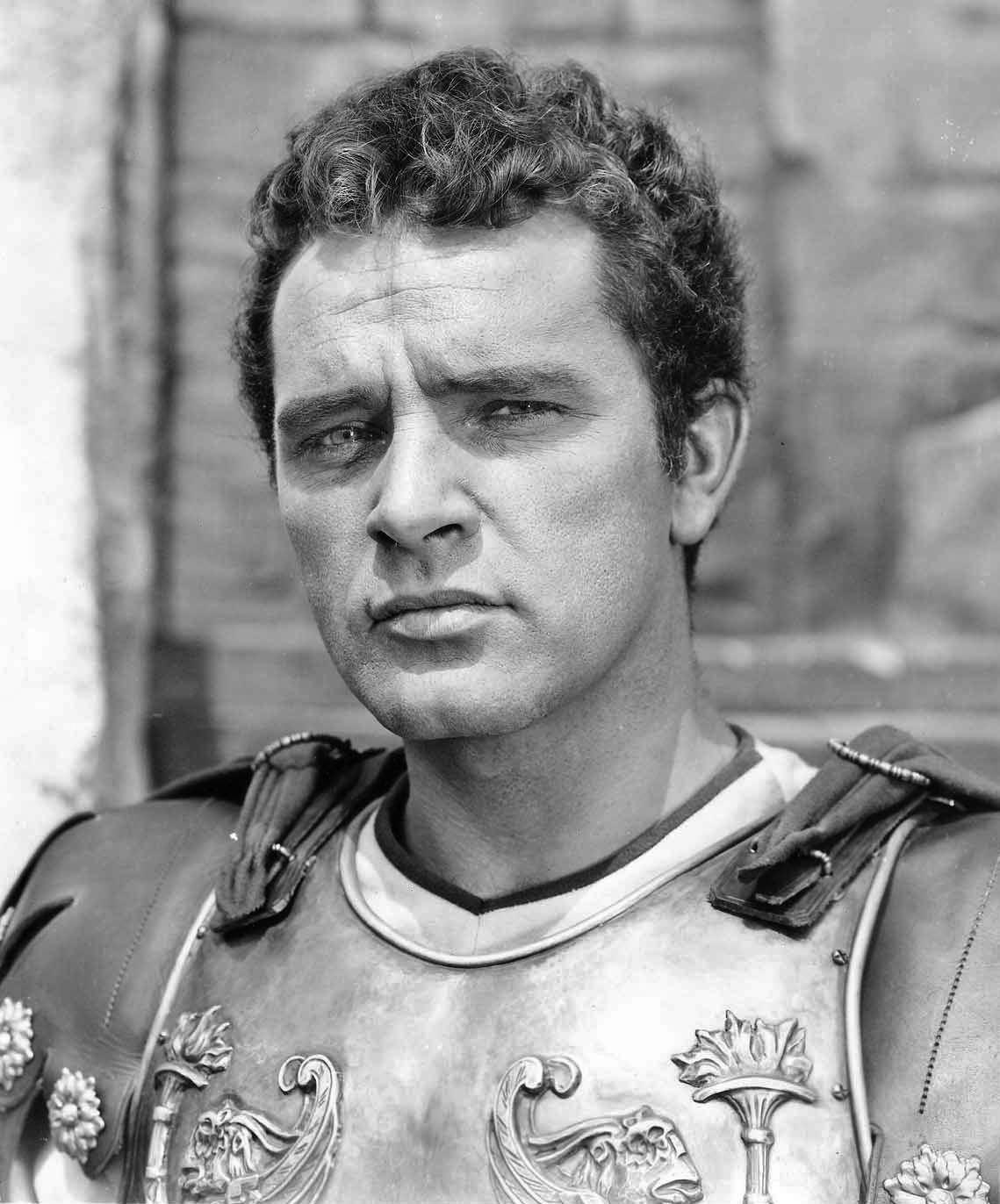
Zeb Kennedy — Richard Burton
Played by Richard Burton
A hard-driving Alaskan entrepreneur who builds wealth through cannery interests and wields political influence. His pursuit of cash and power often clashes with family loyalties and other ambitions, driving much of the conflict in Baranof. He remains a central, calculating force in the push and pull between industry and community.
- 💼 Business
- 🧭 Family Rivalry
- 🗳️ Power
-
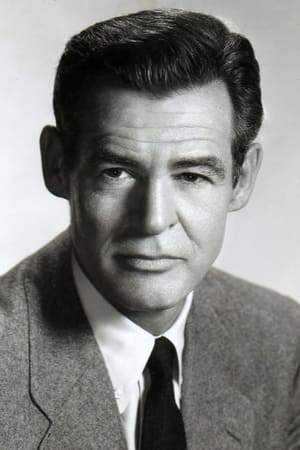
Thor Storm — Robert Ryan
Played by Robert Ryan
An idealistic fishing boat captain who becomes a force for statehood and reform, opposing Kennedy’s excesses. He faces personal loss and professional pressures while challenging the status quo. His public stance and leadership influence Alaska’s political fate.
- ⚓ Frontier Leadership
- 🗳️ Statehood
- ⚖️ Morality
- BB
Bridie Ballantyne — Carolyn Jones
Played by Carolyn Jones
A sharp, resourceful matriarchal figure who mediates between the feuding families. She supports Storm’s ideals while steering through loyalties and heartbreak. Bridie’s influence extends across personal and political domains, helping shape the town’s future.
- 🧭 Family Bonds
- 🎭 Drama
- 🗺️ Frontier
- GK
Grace Kennedy — Shirley Knight
Played by Shirley Knight
Daughter of Zeb and Dorothy who falls for Christopher, creating a vulnerable bond between rival families. Her life is marked by love, sacrifice, and a tragic arc as she dies after delivering Christine. Her marriage and death catalyze the later generations’ intertwined fates.
- 💔 Love
- 👪 Family
- 🌧️ Tragedy
- CS
Christine Storm — Diane McBain
Played by Diane McBain
Daughter of Grace and Christopher, Christine grows up navigating loyalties between Ballantyne and Kennedy households. She embodies the bridge between feuding lineages and becomes a focal point of the community’s evolving identity. Her upbringing reflects the resilience of frontier families.
- 👶 Offspring
- 🧭 Identity
- 💞 Family
-

Christopher Storm — Steve Harris
Played by Steve Harris
Thor’s son who shares in Grace’s romance and later becomes entwined with the political and personal machinations of Baranof. His marriage to Christine symbolizes reconciliation, even as the couple faces the consequences of a divided lineage. His life intersects with both family feuds and statehood ambitions.
- 👦 Youth
- 💞 Love
- ⚖️ Politics
- DW
Dorothy Wendt Kennedy — Martha Hyer
Played by Martha Hyer
A Seattle heiress who marries Zeb for money and status, bringing modern wealth into the frontier. Her presence intensifies the clash between old money and rugged frontier values and she ultimately dies along the arc of the story. Her role underscores the personal costs of ambition and alliance.
- 💍 Marriage
- 💰 Wealth
- 💔 Loss
-
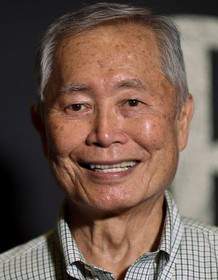
Wang — George Takei
Played by George Takei
A Chinese worker who befriends Zeb and his circle, representing the diverse makeup of Alaska’s frontier labor force. His camaraderie and steady presence illustrate the inclusive yet complex social fabric of Baranof’s community. He contributes to the human warmth amidst the tension of business and politics.
- 🤝 Friendship
- 👥 Community
- DH
Dave Husack — Jim Backus
Played by Jim Backus
A loyal ally to Zeb and a longtime friend who helps groom the next generation, including Bay. His steadiness and mentorship anchor family and political plans, reflecting the generational transfer of influence in Baranof. His role reflects how trust and guidance shape outcomes.
- 👨👦 Family
- 🧭 Mentorship
- BH
Bay Husack — Ray Danton
Played by Ray Danton
Dave Husack’s son, groomed to be Kennedy’s political champion and urged to marry Christine for strategic gain. His trajectory embodies the tension between personal choice and political calculation in a small frontier world. Bay’s path foregrounds the ethical costs of alliance politics.
- 🧭 Politics
- 👰 Marriage
- GK
Grace Kennedy (as a child) — Carol Nicholson
Played by Carol Nicholson
A younger incarnation of the Kennedy daughter, she appears as part of the family’s early dynamics and foreshadows the later tragedy and romance that shape the elder Grace’s choices. Her presence marks the lineage’s passing through generations.
- 👶 Child
- M—
Muriel — Norma French
Played by Norma French
A minor, observant figure who moves through the social circles of Baranof, contributing to the community’s social fabric. Her brief presence highlights the ensemble nature of frontier life.
- 👀 Observer
- RG
Ross Guildenstern — Sheridan Comerate
Played by Sheridan Comerate
An Eskimo pilot who supports Storm and the effort to sustain morale during challenging flights and political battles. His courage and loyalty help bridge gaps between disparate communities. He plays a key role in enabling critical moments for the protagonists.
- 🛩️ Pilot
- 🤝 Ally
- DB
Dorcas Brower — Thor's Eskimo wife
Played by Dorcas Brower
Dorcas Brower is Thor Storm’s Eskimo wife whose life intersects with the broader stories of resilience and frontier hardship. Her presence underscores the personal costs of the frontier’s political battles and the dangers faced by families living in the wilderness.
- 💔 Loss
Where and When Is Ice Palace Set?
Ice Palace is set in Alaska, Baranof, Anavak and Juneau (1920s-1930s). Here is why the time and place matter to the story.
When
1920s-1930s
Set in the years following World War I, the film tracks Alaska during a period of rapid change and economic development. The era sees the rise of cannery capitalism, political maneuvering, and the push for Alaska to achieve statehood. The weathered frontier acts as a backdrop to personal and political upheavals that shape the region’s future.
Where
Alaska, Baranof, Anavak, Juneau
The story unfolds in the remote Alaskan frontier around Baranof, a budding cannery town intertwined with nearby Indigenous communities in Anavak. The landscape is dominated by rugged coastlines, glaciers, and the harsh wilderness that tests every decision. Baranof and its surroundings are defined by the clash between bulk resource extraction and the people who rely on the ocean for their livelihoods.
- ❄️ Alaska frontier
- 🗺️ Remote communities
- 🐟 Fishing towns
What Are the Themes of Ice Palace?
3 ideas the story keeps returning to, among them Politics, Love and Rivalry and Frontier Economy.
-
01
Politics
The narrative centers on the battle over Alaska’s statehood and the power struggles between Kennedy’s business empire and Storm’s reformist platform. It explores how political ambition intersects with family loyalties, resource control, and personal grievances. Campaigns, legislative maneuvering, and public addresses drive the plot toward a consequential resolution.
-
02
Love and Rivalry
A complex love dynamic threads through the families: Zeb’s ambition, Bridie’s loyalty, and Thor’s ideals collide with the romance between Grace and Christopher. Infidelity, marriage for advantage, and the fear of losing loved ones propel key decisions and missteps. The romance ultimately intertwines with the broader feud that defines the community.
-
03
Frontier Economy
The cannery boom and salmon traps symbolize wealth, resource exploitation, and environmental tension in a fragile frontier ecosystem. Kennedy’s expansion threatens traditional livelihoods, while Storm champions a more sustainable, community-centered approach. The economy mirrors the moral choices of its leaders and families.
What Kind of Film Is Ice Palace?
Dark in tone, with steady pacing and a complex story, going by the plot summary.
- Tone
- Dark
- Pacing
- Steady
- Story
- Complex
- Intensity
- High
- Ending
- Bittersweet
A heavy, epic saga set against a harsh Alaskan backdrop, chronicling a bitter, lifelong rivalry that consumes families and a territory, defined by stubborn ambition and immense personal tragedy.
- brooding
- melancholic
- grandiose
- stubborn
- tragic
- fatalistic
- generational feud
- business rivalry
- romantic betrayal
- political ambition
Content notes: bear attack, death of a child, childbirth complications, racial prejudice.
Quiz
How well do you remember Ice Palace? Test yourself on the story.