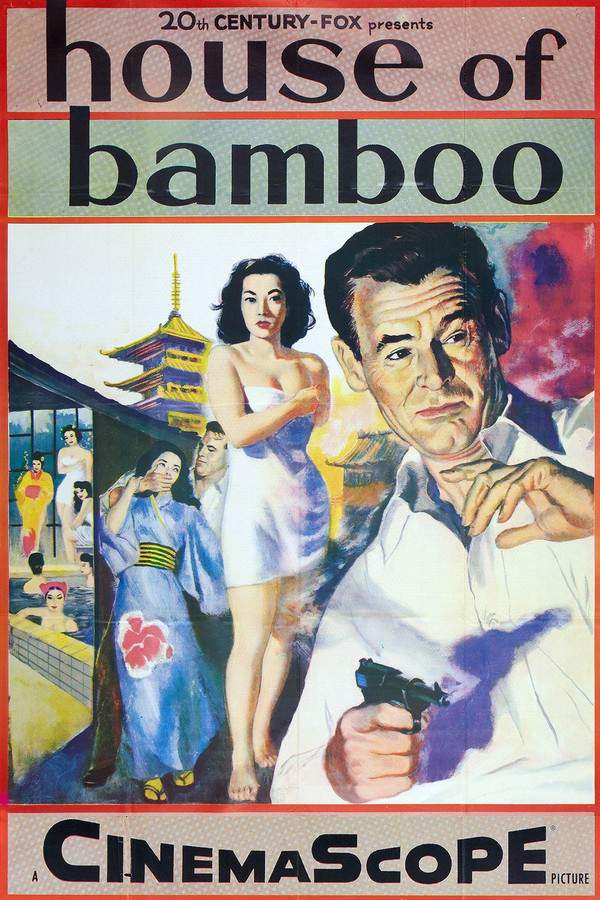
House of Bamboo (1955) 2011

Directed by
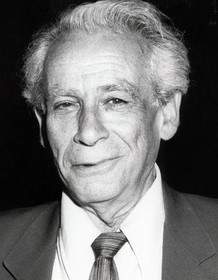
Samuel Fuller

Where to Watch House of Bamboo (1955)
See current US streaming, rental, and purchase options for House of Bamboo (1955) (2011) via JustWatch.

Streaming availability powered by 
House of Bamboo (1955) Plot Summary
Read the complete plot summary and ending explained for House of Bamboo (1955) (2011). From turning points to emotional moments, uncover what really happened and why it matters.
In 1954, a meticulously guarded military train, loaded with armaments, smoke bombs, and firearms, was audaciously robbed by a crafty band of thieves. This brazen heist unfolded before the watchful gazes of American soldiers and Japanese police, culminating in the tragic loss of a U.S. Army sergeant’s life. Fast-forward five weeks to a Tokyo hospital, where the infamous thief, Webber, breathes his last, having been betrayed by one of his own during a failed robbery that left a cloud of smoke bombs in its wake. The deadly P38 pistol that snuffed out Webber’s life was the very same weapon that took the sergeant’s life aboard the train.
As both U.S. Army investigators and Japanese police dug into the case, they unearthed a mysterious letter amongst Webber’s belongings, directed to an American named Eddie Spanier, eager to be reunited with his friend after serving time in a U.S. prison. Although Webber chose not to implicate his fellow gang members, he did disclose his secret marriage to a Japanese woman, Mariko Nagoya, whose identity remained concealed from both military and law enforcement eyes.
Three weeks later, Eddie touched down in Tokyo, re-establishing his connection with Mariko by way of a photograph capturing happier moments shared with Webber. As Mariko recounted the heart-wrenching story behind her husband’s death, she revealed that Webber had entangled her in a web of secrecy regarding their marriage, never disclosing his life of crime, fearing that seeking assistance from authorities would endanger her.
Soon, Eddie’s arrival caught the attention of Tokyo’s criminal underbelly, as he attempted to peddle “protection” services to a pachinko parlour manager. However, his efforts led to a brutal beating at the hands of American toughs, led by the fearsome Sandy Dawson, who was fascinated by Eddie’s audacity and invited him to join his gang of disillusioned ex-servicemen.
As Eddie infiltrated the ranks of this gang, he maintained stealthy communication with U.S. and Japanese authorities, working undercover to piece together the puzzle of Webber’s unexpected demise. To further establish his cover, Eddie proposed that Mariko act as his “kimono girl,” a role she reluctantly accepted in the hope that it would help her uncover the reality of her husband’s murder.
In the throes of this treacherous environment, Sandy began to begrudgingly trust Eddie, even going so far as to save his life during a botched robbery—a move that defied the gang’s unspoken codes. As Eddie navigated these perilous waters, he found himself torn between his allegiance to Mariko and his commitment to revealing the truth behind Webber’s death.
With the truth inching closer to the surface, Eddie unveiled his true identity as U.S. Army Sergeant Edward Kenner, embedding himself within Sandy’s gang under the guise of an undercover operative. Mariko remained devoted, pledging her support for Eddie’s investigation. However, their covert mission faced jeopardy when Charlie—a loyal accomplice of Sandy—spotted Mariko discussing the gang’s upcoming heist with a high-ranking American army officer. Alarmed by this discovery, Charlie alerted Sandy, leading him to call off the job and reorganize his crew. Meanwhile, a mysterious informant named Ceram warned Sandy that the police were closing in and that Eddie was, in fact, a military infiltration.
Seizing upon this information, Sandy devised a deadly trap for Eddie, orchestrating a staged robbery intended to end in Eddie’s execution. Tasked with executing the plan, Charlie accidentally became a victim as he struggled to keep Eddie upright, only to be gunned down by the police. In the ensuing chaos, Sandy found himself pursued by law enforcement and a recovering Eddie, culminating in a thrilling rooftop clash at an amusement park. Ultimately, Eddie emerged triumphant, eliminating Sandy in a whirlwind of gunfire. As the dust settled, Eddie was united with Mariko, bringing a poignant closure to this harrowing chapter in their lives.
House of Bamboo (1955) Timeline
Follow the complete movie timeline of House of Bamboo (1955) (2011) with every major event in chronological order. Great for understanding complex plots and story progression.
Military Train Heist
In 1954, a military train loaded with armaments was audaciously robbed by a group of thieves. This bold act unfolded in front of American soldiers and Japanese police, resulting in the tragic death of a U.S. Army sergeant.
Webber's Last Breath
Five weeks after the heist, infamous thief Webber dies in a Tokyo hospital. His death was a result of a betrayal by a gang member during a failed robbery, leaving behind a cloud of smoke bombs.
Discovery of the Letter
As U.S. Army investigators and Japanese police delve into Webber's case, they discover a letter addressed to Eddie Spanier among his belongings. The letter hints at a secret connection between Webber and Spanier, which piques their interest.
Eddie's Arrival in Tokyo
Three weeks later, Eddie arrives in Tokyo, eager to reconnect with Mariko, Webber's widow. He finds a photograph that reminds him of happier times shared with Webber, setting the stage for their reunion.
Mariko's Heartfelt Revelation
Mariko shares the tragic story of Webber's death with Eddie, revealing the secrecy surrounding their marriage. She explains how Webber's life of crime was kept hidden to protect her from danger.
Eddie's Tough Encounter
Eddie's attempts to secure 'protection' services at a local pachinko parlour lead to a violent confrontation. He is brutally beaten by American thugs, notably under the leadership of Sandy Dawson.
Infiltration of Sandy's Gang
After gaining Sandy's attention through his audacity, Eddie manages to infiltrate Sandy's gang of disillusioned ex-servicemen. He juggles his undercover work while maintaining communication with law enforcement.
Mariko's Role as 'Kimono Girl'
To bolster his cover, Eddie proposes that Mariko work as his 'kimono girl.' She reluctantly agrees, hoping it will help uncover the truth about her husband's death while navigating the world of crime.
Eddie's Growing Trust with Sandy
During a failed robbery, Sandy saves Eddie's life, marking a turning point in their relationship. This act of loyalty sparks a begrudging trust between them, further complicating Eddie's dual life.
Eddie's True Identity Revealed
Eddie reveals his true identity as U.S. Army Sergeant Edward Kenner within Sandy's gang. His relationship with Mariko deepens even as they face increasing risks from rival gangs and the police.
Charlie Stumbles Upon Their Secrets
Charlie's discovery of Mariko discussing an upcoming heist with an American officer triggers a chain reaction. Alarmed, Sandy calls off the job and reorganizes his crew to protect their interests.
Sandy's Deadly Trap
Sandy crafts a cunning trap for Eddie, intending to execute him during a staged robbery. The plan backfires when Charlie inadvertently becomes a casualty amidst the chaos.
Rooftop Showdown
A pivotal confrontation ensues between Eddie and Sandy on the rooftops of an amusement park. In a climactic moment, Eddie fights for survival and ultimately triumphs, vanquishing Sandy in a flurry of gunfire.
Reunion with Mariko
As the dust settles from the confrontation, Eddie is finally reunited with Mariko. Their reunion brings emotional closure to a harrowing chapter filled with love, betrayal, and the quest for truth.
House of Bamboo (1955) Characters
Explore all characters from House of Bamboo (1955) (2011). Get detailed profiles with their roles, arcs, and key relationships explained.
Eddie Kenner (Robert Stack)
Eddie Kenner, originally an American soldier, assumes the identity of a criminal infiltrator to uncover the mystery of Webber's demise. His charm and resolve are reflected in his determination to seek justice for Mariko while navigating Tokyo's dangerous underbelly. Kenner’s internal conflict between loyalty and duty adds depth to his character and drives the plot's tension.
Sandy Dawson (Robert Ryan)
Sandy Dawson is the tough leader of a gang of ex-servicemen, drawn to Eddie's audacity but wary of betrayal. Initially hostile, his character reveals complexity as he grapples with loyalty to his gang and his burgeoning connection with Eddie. Dawson's unpredictability is underscored by his decisions, oscillating between savior and antagonist in the narrative.
Mariko Nagoya
Mariko Nagoya is the widow of the slain thief Webber, caught in a web of deception and loyalty. Torn between her husband's criminal past and her feelings for Eddie, she embodies the emotional stakes of the narrative. Her strength and resilience shine through as she agrees to help Eddie and navigate the aftermath of tragedy.
House of Bamboo (1955) Settings
Learn where and when House of Bamboo (1955) (2011) takes place. Explore the film’s settings, era, and how they shape the narrative.
Time period
1950s
The 1950s were a time of post-war recovery and social transformation in Japan, as the country rebuilt itself after World War II. This era saw the emergence of organized crime, as former soldiers and displaced individuals sought new paths amidst the chaos. The movie captures this transformative period, highlighting the clash between American influences and Japanese society.
Location
Tokyo
Tokyo, the vibrant capital of Japan, is known for its bustling streets, rich cultural heritage, and juxtaposition of traditional and modern architecture. The city serves as a backdrop for a gripping crime drama, revealing its dark underbelly amid lurking dangers. Throughout the film, Tokyo's complex environment reflects the tension and secrecy that permeates the characters' lives.
House of Bamboo (1955) Themes
Discover the main themes in House of Bamboo (1955) (2011). Analyze the deeper meanings, emotional layers, and social commentary behind the film.
🕵️♂️
Deception
Deception is a central theme in 'House of Bamboo,' as characters navigate a treacherous world filled with secrets and lies. Eddie Kenner's undercover operation embodies the lengths to which individuals go to uncover the truth while maintaining facades. Trust is frequently tested, leading to betrayal and unexpected alliances as the characters grapple with their pasts and loyalties.
💔
Loyalty and Betrayal
The film poignantly explores the duality of loyalty and betrayal, particularly through the relationships between Eddie, Mariko, and Sandy. Loyal to his duty and to Mariko, Eddie faces moral dilemmas as he tries to unveil the truth behind Webber's death. Meanwhile, Sandy's evolving trust in Eddie blurs the lines between friend and foe, leading to devastating consequences.

Coming soon on iOS and Android
The Plot Explained Mobile App
From blockbusters to hidden gems — dive into movie stories anytime, anywhere. Save your favorites, discover plots faster, and never miss a twist again.
Sign up to be the first to know when we launch. Your email stays private — always.
Explore the mobile appHouse of Bamboo (1955) Spoiler-Free Summary
Discover the spoiler-free summary of House of Bamboo (1955) (2011). Get a concise overview without any spoilers.
In the neon‑lit streets of 1950s Tokyo, the city hums with a restless blend of American occupation and traditional Japanese life. The era’s smoky back alleys and bustling markets create a backdrop where loyalties shift as quickly as the lantern‑light flickers. Into this world steps a U.S. Army operative, sent to unravel a shadowy organization that threatens the fragile peace of the post‑war capital. The tone is classic noir—rain‑slicked pavement, whispered conversations, and an undercurrent of danger that never quite lets the night settle.
The operative’s mission forces him deep inside a tight‑knit gang that answers to a charismatic former soldier, Sandy Dawson. Within the group, codes of honor clash with the pragmatic need to survive, and the agent must learn to mirror the gang’s cadence while keeping his true purpose hidden. The environment is charged with quiet tension: every handshake could conceal an ulterior motive, and every grin masks a potential threat. The film teases the audience with a constant sense of “what lies beneath,” letting mood and atmosphere do the heavy lifting rather than explicit exposition.
Complicating his cover is a delicate, forbidden romance with Mariko, the grieving widow of a man whose memory still lingers in the underworld. Their connection offers a rare glimpse of tenderness amid the surrounding turbulence, illuminating the personal costs of a life lived behind lies. As the operative balances duty with desire, the city itself seems to watch, its rain‑soaked streets echoing the inevitable pull between loyalty and love. The story promises a tense cat‑and‑mouse dance, wrapped in the stylized visuals and moody cadence that define classic mid‑century crime dramas.
Featured on this page

What's After the Movie?
Not sure whether to stay after the credits? Find out!
Check out our other apps:

SAT Sphere
Build confidence for the Digital SAT.

Mori Atlas
Discover wild places worth protecting.

Luntero
Search smarter for a home in Amsterdam.

Plot Explained
Unravel movie endings and hidden clues.

Pokechamp
Dive into Pokémon data and battle logic.

Driving Theory
Get ready for your European theory test.

Movie Dust
Plan your next cinema trip with ease.

Musemap
Find art and culture as you travel.

Selkobase
Compare credentials before committing.

Local Manual
Turn an unfamiliar country into practical next steps.

Lernavi
Compare school systems before your next move.

GymRoam
Find a workout stop wherever your plans take you.
Explore Our Movie Platform
New Movie Releases (2026)
Famous Movie Actors
Top Film Production Studios
Movie Plot Summaries & Endings
Major Movie Awards & Winners
Best Concert Films & Music Documentaries
Movie Collections and Curated Lists
© 2026 What's After the Movie. All rights reserved.
Privacy Policy