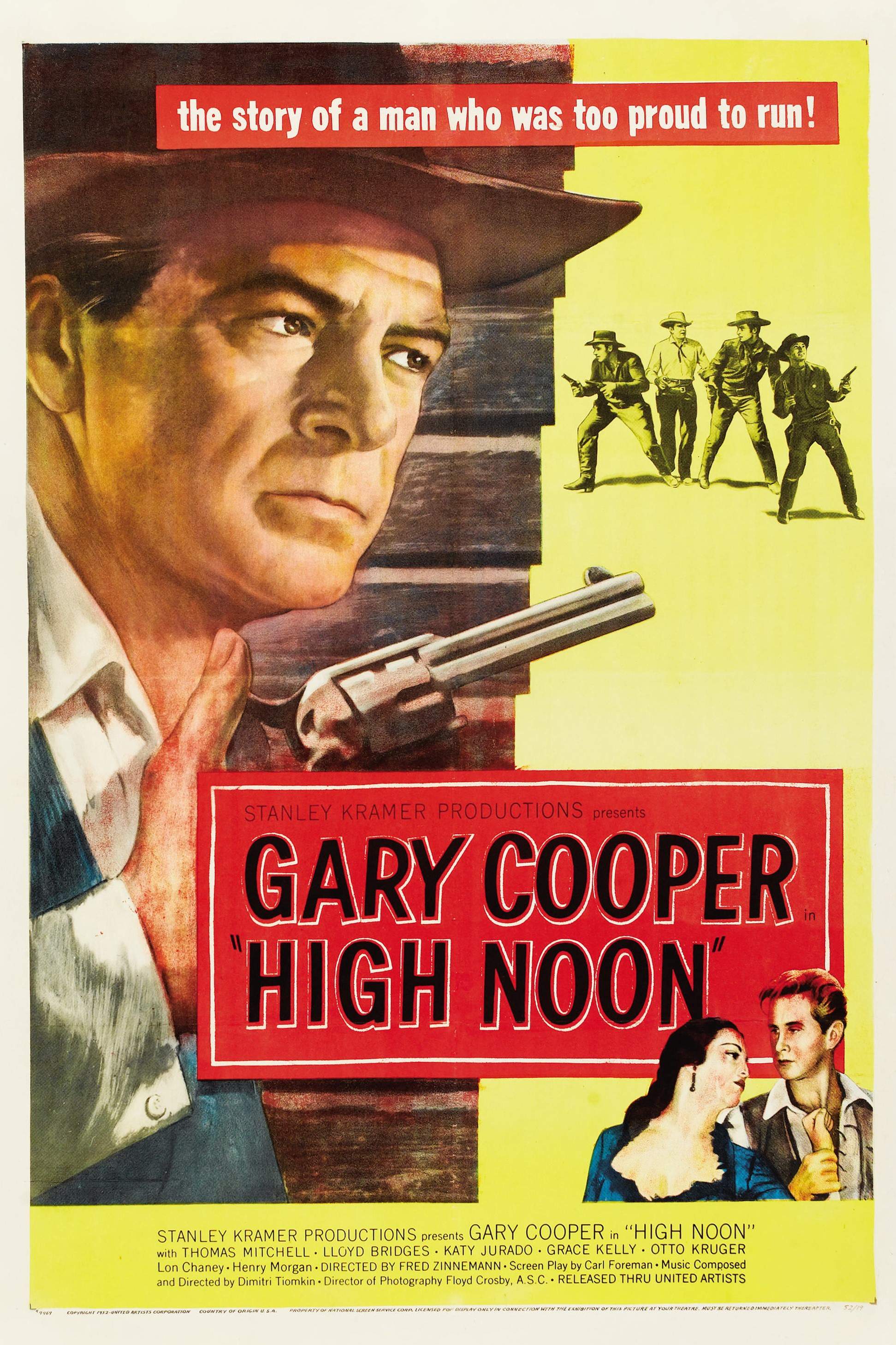
High Noon 1952

Directed by
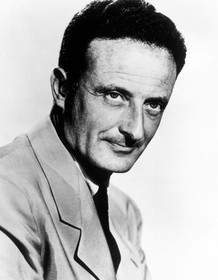
Fred Zinnemann
Made by

United Artists
Where to Watch High Noon
See current US streaming, rental, and purchase options for High Noon (1952) via JustWatch.

Fawesome
HD
Hoopla
SD
Kanopy
HD
YouTube Free
HD
Amazon Video
HD
Apple TV Store
4K
Fandango At Home
4K
Google Play Movies
SD
Spectrum On Demand
HD
YouTube
SD Streaming availability powered by 
High Noon Plot Summary
Read the complete plot summary and ending explained for High Noon (1952). From turning points to emotional moments, uncover what really happened and why it matters.
In the late 1890s, Will Kane is the chief marshal of Hadleyville, a small town in the New Mexico Territory, and despite all of his deputies having resigned, he continues to serve out of a steadfast sense of duty. His new wife, Amy, a Quaker pacifist who deplores violence, urges him to retire and become a farmer.
However, Kane learns that Frank Miller, a gunfighter he brought to justice years earlier, has been pardoned and will arrive in Hadleyville on the noon train. Miller’s old gang has returned to join him, and a message arrives stating that his first order of business will be to murder Kane as revenge for the conviction.
Kane reaches out to his former deputies for help, but all refuse, either out of fear of Miller or because Kane’s integrity renders him unable to grant them special treatment. He attempts to form a posse, but the townspeople are even less willing to fight alongside him. Some are sympathetic to Miller, since his notoriety had made the town famous and they blame Kane for ruining a comfortable situation; others argue that dealing with him isn’t their problem. Several residents volunteer, but Kane is forced to turn them away as they are too young, old, or physically unfit to fight.
A desperate Kane turns to his friend, Judge Mettrick, for advice; Mettrick—who has already resigned—tells him to leave town as he had initially planned. Unwilling to abandon his post, Kane decides to face Miller and his gang alone. Amy, who had threatened to leave on the noon train with or without him, returns and saves him by shooting one of Miller’s men in the back. Kane finally guns his nemesis down after he tries to threaten her. After Miller’s death, the town people come out to congratulate and thank Kane. Without saying a word, he throws his marshal’s badge in the dirt and rides away.
High Noon Timeline
Follow the complete movie timeline of High Noon (1952) with every major event in chronological order. Great for understanding complex plots and story progression.
Deputies resign; Kane stays on duty
In Hadleyville, Kane's deputies all resign, but he stays as chief marshal due to his sense of duty. He continues to enforce the law alone, bearing the responsibilities without the support of colleagues. The town looks on as the marshal faces rising threats without backup.
Amy urges retirement to become a farmer
Amy, a Quaker and pacifist, pleads with Kane to leave the marshal's post and become a farmer. She fears violence and wishes to avoid bloodshed. Kane's commitment to duty complicates her plea.
Miller pardoned; noon train arrival planned
Kane learns that Frank Miller has been pardoned and will ride into Hadleyville on the noon train. Miller's old gang has returned to back him, promising trouble. A message warns that Miller intends to murder Kane as vengeance for his conviction.
Miller's arrival escalates the threat
The town braces for violence as Miller's train is due and his plan to kill Kane becomes clear. Kane prepares for confrontation, knowing his enemies include Miller and his gang. The threat of a deadly showdown hangs over Hadleyville.
Kane seeks help from deputies; they refuse
Kane reaches out to his former deputies for help, but they refuse either out of fear or loyalty to Miller. Their refusal leaves him isolated and vulnerable. He realizes he cannot count on official support to repay the debt he once expected.
Posse attempts fail; townspeople reluctant
Kane attempts to form a posse to face Miller, but the townspeople are reluctant to stand up to a feared gunfighter. Some residents see the town's fame as a curse and blame Kane for bringing trouble. Those who volunteer are turned away for being too young, old, or unfit to fight.
Judge Mettrick warns Kane to leave
Kane seeks advice from Judge Mettrick, who has already resigned. Mettrick tells him to abandon Hadleyville as he originally planned. Kane refuses to abandon his post despite the warning.
Kane decides to face Miller alone
Unable to secure support, Kane resolves to stay and confront Miller alone. He chooses duty over safety, preparing for a violent confrontation. Amy's presence remains a quiet source of support.
Amy returns; saves Kane by shooting a henchman
Amy decides not to board the noon train and returns just in time. She shoots one of Miller's men in the back, turning the odds in Kane's favor. Her action proves she will not abandon him to violence.
Kane kills Miller after threat to Amy
Miller threatens Amy during the confrontation, prompting Kane to shoot him down in a decisive moment. The showdown ends with Miller's death and the immediate danger to Kane and Amy removed. The town braces for the aftermath.
Town congratulates Kane; he remains silent
With Miller dead, the townspeople come out to congratulate Kane and acknowledge his sacrifice. Kane, however, remains quiet and reserved, unrewarded and unflinching. The town's gratitude feels hollow against the cost of his lone stand.
Kane discards the badge and rides away
Without a word, Kane tosses his marshal's badge into the dirt and mounts his horse to ride away from Hadleyville. He has sacrificed status for his principles and chooses a solitary path forward. The badge-dirt moment seals the end of his era as marshal.
High Noon Characters
Explore all characters from High Noon (1952). Get detailed profiles with their roles, arcs, and key relationships explained.
Will Kane (Gary Cooper)
The long-serving chief marshal of Hadleyville, Will Kane is a principled, stubborn lawman whose duty to protect the town overrides his own safety and happiness. He confronts fear, isolation, and pressure from a frightened community, choosing to stand his ground despite losing support from former deputies and townsfolk. His perseverance in the face of imminent danger defines the story's moral core.
Amy Fowler Kane (Grace Kelly)
Amy is Will Kane's pacifist wife, a Quaker who deplores violence and urges retirement. Her presence anchors a moral counterweight to the marshal's determination, and she ultimately acts decisively to save him by shooting one of Miller's men. Her storyline explores how personal loyalties and ethical beliefs intersect with a lawman's dangerous duty.
Frank Miller (Lon Chaney Jr.)
Frank Miller is the feared gunfighter Kane helped imprison, now pardoned and returning with his gang to avenge himself. He embodies the town's threat, relentless and violent, pressing Kane to abandon his post or face lethal consequences. Miller's presence is the catalyst that escalates the town's moral crisis.
Judge Mettrick (Thomas Mitchell)
Judge Mettrick is a resigned, pragmatic figure who counsels Kane to leave town and avoid risk. His attitude reflects the town's weariness and pragmatism, offering a stark contrast to Kane's stubborn resolve. His advice highlights the conflict between duty and self-preservation that threads through the story.
High Noon Settings
Learn where and when High Noon (1952) takes place. Explore the film’s settings, era, and how they shape the narrative.
Time period
Late 1890s
The story unfolds in the closing years of the 19th century American West, a time when lawmen faced brutal gunfighters and frontier towns grappled with violence and vigilante justice. Communication was slow, and leverage often rested on a marshal's resolve rather than a posse. The period's slow, tense rhythm drives the noon confrontation that defines the town's fate.
Location
Hadleyville, New Mexico Territory
Hadleyville is a small frontier town on the edge of the New Mexico Territory, with a dusty Main Street and a wary, isolated community. The marshal's office and the railroad nearby set the stage for the town's fragile sense of order. As trouble arrives with the noon train, the town's readiness to confront violence is tested, exposing its loyalties and fears.
High Noon Themes
Discover the main themes in High Noon (1952). Analyze the deeper meanings, emotional layers, and social commentary behind the film.
⚖️
Duty
Will Kane's sense of duty anchors the story. He refuses to abandon Hadleyville, despite losing support from deputies and townsfolk. His commitment to upholding the law under threat highlights the moral weight of being a public guardian. The theme traces how personal duty can override fear and personal comfort.
🛡️
Courage
Courage is tested as Kane faces Frank Miller and his gang with minimal help. Amy's decisive action also reframes courage as a shared burden between husband and wife. The climactic moment demonstrates that true bravery can be quiet and costly, not just flashy or collective.
🤝
Community
The townspeople's reluctance reveals a complicated social dynamic—fear of Miller's notoriety, resentment toward Kane, and hesitation to commit to collective defense. The contrast between Kane's solitary stand and the crowd's hesitation underscores how communities justify inaction. The film ends with the town's reluctant acknowledgment of Kane, who rides away after discarding his badge, leaving the question of communal responsibility unresolved.

Coming soon on iOS and Android
The Plot Explained Mobile App
From blockbusters to hidden gems — dive into movie stories anytime, anywhere. Save your favorites, discover plots faster, and never miss a twist again.
Sign up to be the first to know when we launch. Your email stays private — always.
Explore the mobile appHigh Noon Spoiler-Free Summary
Discover the spoiler-free summary of High Noon (1952). Get a concise overview without any spoilers.
In the dusty heat of a New Mexico frontier settlement, the rhythm of daily life is measured by the slow tick of a distant clock and the steady clang of a lone town’s bell. The streets are lined with wooden facades that have witnessed quiet mornings and whispered legends, while the horizon holds the promise of a high‑noon showdown that the townsfolk seem reluctant to acknowledge. Within this landscape, a determined marshal stands as the embodiment of the law, his badge a symbol of both authority and an unshakable sense of duty.
The marshal, Will Kane, has recently exchanged vows with his new wife, a gentle Quaker whose pacifist convictions clash with his own willingness to bear arms. Their marriage introduces a tender tension: he is torn between the promise of a peaceful future on the farm and the relentless pull of responsibility toward the community that depends on his steadiness. As the sun climbs higher, the marshal must confront not only the looming threat of a vengeful gang but also his own inner doubts and the weight of expectations placed upon him by a town that watches with a mixture of admiration and apprehension.
The town itself breathes a cautious stillness, its citizens wary of the impending danger yet uncertain whether to rally behind their marshal or retreat into self‑preservation. Conversations drift around the tavern and the general store, hinting at old grudges and the fragile nature of loyalty when danger approaches. This atmosphere of mounting suspense is underscored by the relentless march toward noon, a symbolic clock that marks both the possibility of redemption and the certainty of conflict.
As the minutes slip away, the marshal prepares to meet the challenge alone, drawing upon his experience, personal resolve, and the quiet support of his wife. The stark, sun‑blazed streets become a stage for an inevitable confrontation, and the town holds its breath, waiting to see whether duty and courage can prevail over the shadows gathering on the horizon.
Featured on this page

What's After the Movie?
Not sure whether to stay after the credits? Find out!
Check out our other apps:

SAT Sphere
Build confidence for the Digital SAT.

Mori Atlas
Discover wild places worth protecting.

Luntero
Search smarter for a home in Amsterdam.

Plot Explained
Unravel movie endings and hidden clues.

Pokechamp
Dive into Pokémon data and battle logic.

Driving Theory
Get ready for your European theory test.

Movie Dust
Plan your next cinema trip with ease.

Musemap
Find art and culture as you travel.

Selkobase
Compare credentials before committing.

Local Manual
Turn an unfamiliar country into practical next steps.

Lernavi
Compare school systems before your next move.

GymRoam
Find a workout stop wherever your plans take you.
Explore Our Movie Platform
New Movie Releases (2026)
Famous Movie Actors
Top Film Production Studios
Movie Plot Summaries & Endings
Major Movie Awards & Winners
Best Concert Films & Music Documentaries
Movie Collections and Curated Lists
© 2026 What's After the Movie. All rights reserved.
Privacy Policy