
Glory 2017


Directed by

Kristina Grozeva
Made by

Film Movement
Where to Watch Glory
See current US streaming, rental, and purchase options for Glory (2017) via JustWatch.








Glory Plot Summary
Read the complete plot summary and ending explained for Glory (2017). From turning points to emotional moments, uncover what really happened and why it matters.
Railway trackman Tsanko Petrov makes a startling discovery: bundles of cash scattered on the tracks. Instead of pocketing the money, he does the honest thing and reports the find to the authorities. This act becomes a spark in a larger political game: Julia Staykova, the polished head of PR at Bulgaria’s Ministry of Transport, seizes the moment to deflect a brewing corruption scandal by orchestrating a ceremony that casts Tsanko as a working-class hero.
Despite his rugged, unkempt appearance and his debilitating stutter, Tsanko is thrust into the spotlight as the PR machine parades him before the press. The intention behind the public tribute is clear—to soften scrutiny on the ministry—while Julia and her team mock him behind the scenes. In a calculated gesture meant to showcase recognition, Julia plans to present Tsanko with a new digital watch, but to do so she first removes his cherished Slava-brand watch, an heirloom carried from his father. The plan falters when she loses the heirloom, ignores his attempts to reach her, and ultimately substitutes the missing watch with a counterfeit.
Anger fuels Tsanko as he takes his story to the media and publicly exposes the corruption and theft embedded within the transportation ministry, implicating the Minister in the scheme. In a bid to salvage the ministry’s reputation, Julia arranges a cunning trap: Tsanko is framed for a crime he did not commit and pressured to retract his accusations in exchange for his eventual release from prison.
On his journey home, Tsanko is confronted by former colleagues who resent him for blowing the whistle on their crime ring. The situation is also tied to a personal tragedy—rumors hint that Tsanko’s beloved rabbits died from neglect during his time behind bars, a consequence of his absence.
The following day, Julia is confronted by the consequences of her actions when she reads in the newspaper that a trackman has died by suicide. Guilt gnaws at her as she drinks and searches her office for the missing watch. The next morning, she finds the watch and learns the dead trackman was not Tsanko after all. Relieved, she drives to Tsanko’s home to return the watch in person, only to find him severely injured and furious with her for triggering the entire chain of events.
The film closes on a tense, almost mythic note: Tsanko grabs a wrench in a moment of raw confrontation, while Julia screams, her husband in the car nearby obliviously listening to music. The story lingers on the unraveling of a system where a single act of honesty spirals into manipulation, accusation, guilt, and a volatile reckoning between those who wield power and those who stand up to it.
Glory Timeline
Follow the complete movie timeline of Glory (2017) with every major event in chronological order. Great for understanding complex plots and story progression.
Tsanko discovers money on the railway tracks
Railway trackman Tsanko Petrov stumbles upon a large stash of cash in bundled notes on the tracks. He faces a moral choice but chooses integrity over easy wealth, deciding to report the find to the authorities rather than pocket the money. The incident sets the plot in motion and draws the attention of powerful figures at the Ministry of Transport.
Tsanko reports the find to authorities
Tsanko informs the proper authorities about the money, signaling the start of a potential corruption case. He avoids personal gain and becomes a symbol of honesty in a corrupt system. The authorities begin to see an opportunity to leverage his story.
Julia Staykova hatches a hero ceremony
Julia Staykova, a sophisticated PR head at the Ministry, seizes Tsanko's discovery to deflect a brewing corruption scandal. She stage-manages a ceremony to hail Tsanko as a working-class hero, using media to shape public perception rather than addressing the corruption directly.
Tea-time drama: Tsanko’s watch is replaced
In a calculated move, Julia removes Tsanko's Slava heirloom watch so the minister can present him with a digital replacement. She loses the watch she took, and later replaces it with a fake, signaling manipulation that will erode trust. Tsanko senses something is off but is dismissed by the PR team.
Tsanko is ridiculed by the PR team
During the public drill of heroism, Julia's PR crew ridicules Tsanko, turning the ceremony into a spectacle that reveals the hollow nature of the credit given to him. The public sees him as a pawn in a political narrative rather than a genuine hero. The disparity between image and reality grows clearer.
Tsanko goes public with the corruption revelations
Feeling used, Tsanko goes to the press and exposes the corruption and theft at the ministry, including the minister's complicity. His confession shatters the staged hero narrative and threatens the ministry's reputation. The act sets off a chain of retaliatory moves from Julia.
Framing and coercion to retract accusations
To salvage the ministry, Julia arranges for Tsanko to be framed for a crime he didn't commit and he is coerced into retracting his accusations in exchange for release from prison. The power dynamic shows the system's willingness to crush dissent. Tsanko's credibility is damaged as the state takes control of the narrative.
Tsanko's release and his co-workers' anger
After being coerced to withdraw his claims, Tsanko is released from custody but returns to a hostile reception from his co-workers. They resent his role in exposing their crime ring, and his long absence leads to personal consequences, including the implied death of his rabbits.
News of a suicide is reported
The next day, Julia reads in the newspaper that a trackman has supposedly committed suicide. Guilt gnaws at her as she contemplates the consequences of her manipulations. She drinks and begins to search for the missing watch that symbolized her control over Tsanko's fate.
Julia searches for the missing watch
Drunk and anxious, Julia rummages through her office for the watch she had used to manipulate Tsanko's status. The missing heirloom becomes a catalyst for her realization that her actions have damaged a good man. The search marks a turning point in her moral reckoning.
The watch is found, the truth about the suicide emerges
The next morning, Julia recovers the missing watch and learns that the dead trackman was not Tsanko. Relief floods her, but the revelation only deepens the emotional toll of her role in the escalating catastrophe. She prepares to confront the consequences.
Confrontation at Tsanko's home
Driven by a mix of guilt and defiance, Julia drives to Tsanko's home to return the watch personally. She finds Tsanko waiting, severely injured and furious at her for triggering the entire chain of events. The film ends with Tsanko grabbing a wrench while Julia screams, as her husband sits obliviously in the car outside.
Glory Characters
Explore all characters from Glory (2017). Get detailed profiles with their roles, arcs, and key relationships explained.
Tsanko Petrov (Stefan Denolyubov)
A humble railway trackman who discovers a large stash of money but chooses to report it, risking his own comfort and reputation. Treated as an unreliable joke by the Ministry's PR apparatus, he becomes a reluctant whistleblower whose moral backbone drives the plot. His stutter and quiet demeanor emphasize his status as an ordinary man facing systemic corruption.
Julia Staykova (Margita Gosheva)
The ambitious head of PR for the Ministry of Transport who weaponizes Tsanko's discovery to deflect a corruption scandal. She wields media power to manufacture a hero while she secretly manipulates outcomes, only to confront guilt as the consequences of her actions unfold. Her manipulation sets off a chain of events that leads to tragedy.
Glory Settings
Learn where and when Glory (2017) takes place. Explore the film’s settings, era, and how they shape the narrative.
Time period
Present day, 2010s
Set in contemporary Bulgaria, the story takes place in the modern era when media influence and political maneuvering color public life. The events reflect a time of bureaucratic struggles over corruption and accountability, rather than a distant historical period. The tone emphasizes current-day concerns about transparency in public institutions.
Location
Bulgaria, Railway tracks, Ministry of Transport
The film unfolds across key Bulgarian settings, centered on the national rail network and the Ministry of Transport. It juxtaposes a working-class rail yard with a government bureaucracy, highlighting how public spaces become stages for political maneuvering. The locations are depicted as industrial and bureaucratic, underscoring the clash between everyday laborers and powerful institutions.
Glory Themes
Discover the main themes in Glory (2017). Analyze the deeper meanings, emotional layers, and social commentary behind the film.
🎭
Public Image
A central thread is how Julia weaponizes Tsanko's supposed heroism to shape public perception. The ceremony and press coverage create a manufactured image that contrasts with Tsanko's real integrity. The film critiques how media and politics curate narratives to deflect scandal.
⚖️
Corruption and Accountability
The Ministry of Transport is portrayed as a site of endemic theft and complicity, with attempts to control the truth through framing and intimidation. Tsanko's whistleblowing interrupts the corrupt routine and triggers a chain of consequences for many players. The narrative questions whether institutions can or will hold themselves to account.
💔
Guilt and Consequence
Julia's guilt over the fallout—massaging the truth, losing and eventually hunting for the missing heirloom—highlights personal moral responsibility. The consequences extend beyond individuals to ripple through families and workers, culminating in tragedy and regret. The ending implies that truth can still provoke violence and retribution.
🧭
Integrity vs Power
Tsanko's stubborn honesty in the face of ridicule exposes the tension between ordinary people's ethics and institutional power. His protest disrupts a comfortable corruption system, revealing the human cost of standing up to powerful interests. The film frames integrity as a harrowing, costly choice for a working-class man.

Coming soon on iOS and Android
The Plot Explained Mobile App
From blockbusters to hidden gems — dive into movie stories anytime, anywhere. Save your favorites, discover plots faster, and never miss a twist again.
Sign up to be the first to know when we launch. Your email stays private — always.
Explore the mobile appGlory Spoiler-Free Summary
Discover the spoiler-free summary of Glory (2017). Get a concise overview without any spoilers.
In the hum of Bulgaria’s railways, a solitary trackman stumbles upon an unexpected find that puts him at the crossroads of ordinary life and the unseen machinery of power. The discovery, made on a stretch of iron that rarely sees anyone else, offers a glimpse into a world where a single act can ripple far beyond its humble origins. The film settles into this landscape, letting the clatter of trains and the soft rustle of distant fields set a measured, contemplative tone.
Tsanko Petrov is a rugged, unpolished man whose days are marked by routine labor and a lingering stutter that hints at deeper unspoken stories. He carries a cherished heirloom from his father—a small, intimate reminder of the family and heritage he strives to honor. Beneath his rough exterior lies a quiet determination to reclaim a sense of identity and dignity, driving him toward a path that feels both personal and universally resonant.
Julia Staykova occupies the polished corridors of the Ministry of Transport, where public image and political maneuvering intertwine. As the head of public relations, she navigates a delicate balance between the polished façade presented to the nation and the intricate, often opaque realities lurking behind it. Her world is one of calculated gestures and subtle power plays, offering a stark contrast to the straightforward honesty of the trackman, yet drawing them inexorably together.
The story unfolds as a meditation on honesty, ambition, and the ways in which ordinary people become entangled in larger systems. It blends poignant moments with a steady undercurrent of quiet resolve, inviting viewers to contemplate the fragile ties between family legacy, personal integrity, and the relentless pull of societal expectations. The mood remains measured yet charged, promising a nuanced exploration of what it means to stand up for one’s own truth amidst a world that prefers comfortable narratives.
Movies with Similar Twists and Themes
Uncover films that echo the narrative beats, emotional arcs, or dramatic twists of the one you're exploring. These recommendations are handpicked based on story depth, thematic resonance, and spoiler-worthy moments — perfect for fans who crave more of the same intrigue.

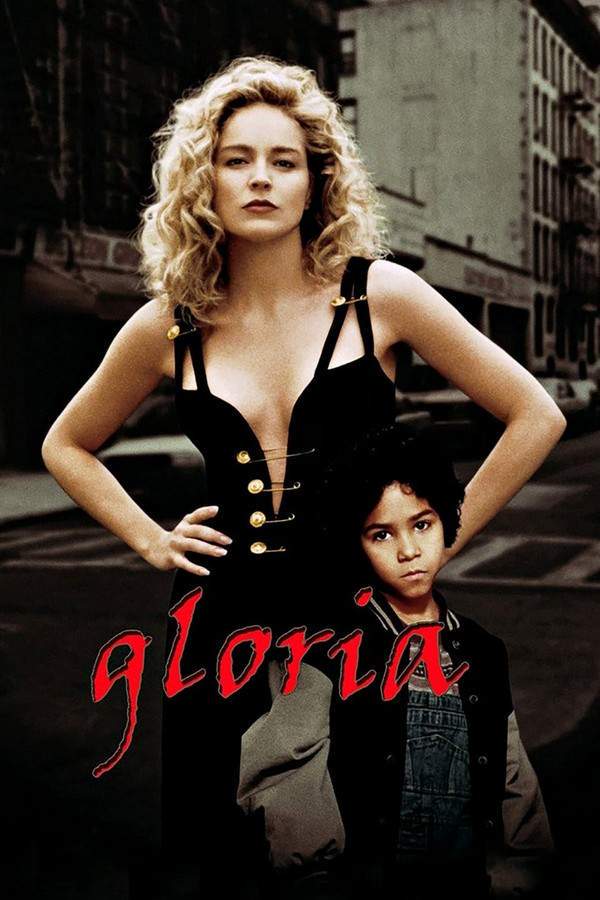

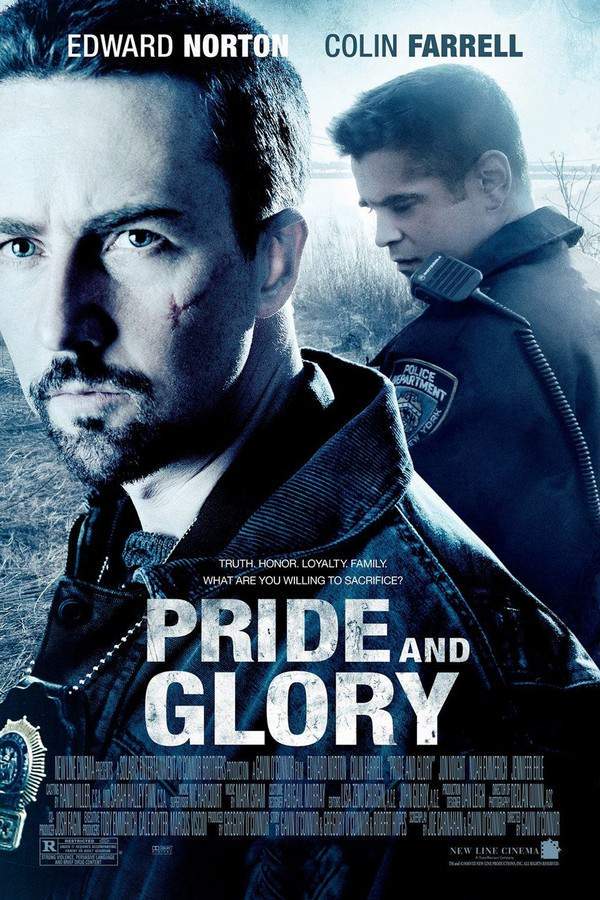




Featured on this page

What's After the Movie?
Not sure whether to stay after the credits? Find out!
Check out our other apps:

SAT Sphere
Build confidence for the Digital SAT.

Mori Atlas
Discover wild places worth protecting.

Luntero
Search smarter for a home in Amsterdam.

Plot Explained
Unravel movie endings and hidden clues.

Pokechamp
Dive into Pokémon data and battle logic.

Driving Theory
Get ready for your European theory test.

Movie Dust
Plan your next cinema trip with ease.

Musemap
Find art and culture as you travel.

Selkobase
Compare credentials before committing.

Local Manual
Turn an unfamiliar country into practical next steps.

Lernavi
Compare school systems before your next move.

GymRoam
Find a workout stop wherever your plans take you.
Explore Our Movie Platform
New Movie Releases (2026)
Famous Movie Actors
Top Film Production Studios
Movie Plot Summaries & Endings
Major Movie Awards & Winners
Best Concert Films & Music Documentaries
Movie Collections and Curated Lists
© 2026 What's After the Movie. All rights reserved.
Privacy Policy