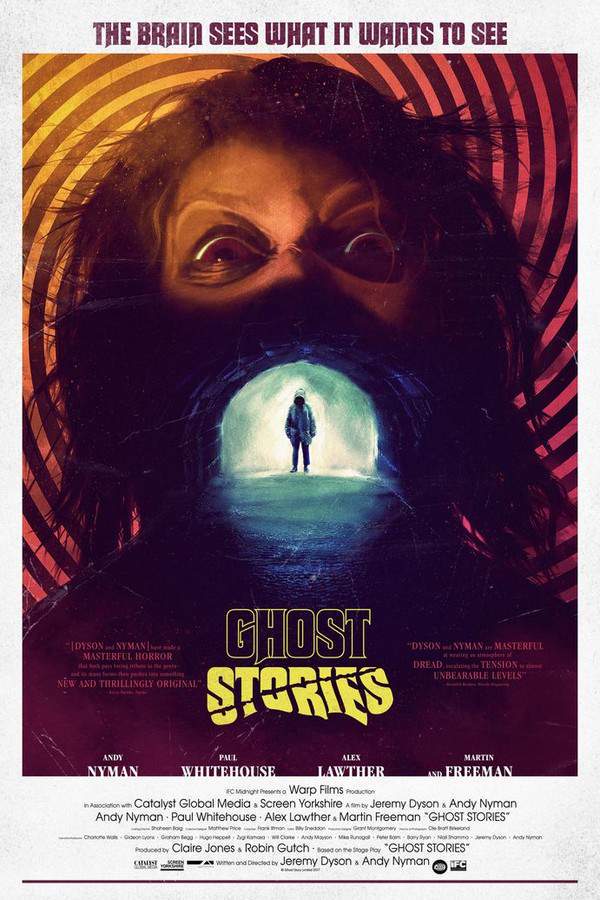
Ghost Stories 2018


Directed by

Jeremy Dyson
Made by
IFC Midnight
Where to Watch Ghost Stories
See current US streaming, rental, and purchase options for Ghost Stories (2018) via JustWatch.

AMC Plus Apple TV channel
HD
AMC+
HD
AMC+ Amazon Channel
HD
Philo
HD
Shudder
HD
Shudder Amazon Channel
HD
Shudder Apple TV channel
HD
Sundance Now
HD
Kanopy
HD
Plex
HD
Plex Channel
HD
Pluto TV
SD
The Roku Channel
HD
Tubi TV
SD
Amazon Video
SD
Apple TV Store
HD
Fandango At Home
SD
Google Play Movies
SD
YouTube
SD Streaming availability powered by 
Ghost Stories Plot Summary
Read the complete plot summary and ending explained for Ghost Stories (2018). From turning points to emotional moments, uncover what really happened and why it matters.
In 1979, Philip Goodman’s father, Mr Goodman, a stern and traditional man, drives his sister from the family after she begins dating an Asian man. As an adult, Goodman is a solitary but accomplished professor and television presenter whose show aims to debunk fraudulent psychics, a vocation he believes can shield people from the heartbreak his own family endured. He receives a mysterious invitation to meet the renowned 1970s paranormal investigator Charles Cameron, who inspired him as a boy but has been missing for decades and now lives in a sickly, impoverished caravan. Cameron asks him to reexamine three cases of supposedly real supernatural sightings.
The first case follows Tony Matthews, a night watchman whose wife died of cancer and who feels guilt for not visiting his daughter, who is living with locked-in syndrome. He is haunted by the specter of a young girl while working in a shuttered asylum for women. The second case shifts to a teenager, Simon Rifkind, who is deeply obsessed with occult rituals and has a fraught relationship with his parents. His car breaks down after he apparently strikes something in the woods, a moment that unsettles Goodman despite his attempts to find a rational explanation, chalking it up to neuroses and imagination.
The third case centers on a City financier, Mike Priddle, tormented by a poltergeist while awaiting the birth of his child. His wife appears to him as she dies, suggesting something unnatural about the baby to come, and soon afterward Priddle takes his own life with a shotgun. As Goodman digs into these accounts, Cameron pushes him to confront the possibility that each incident may be more than mere illusion.
Goodman’s investigation takes a shocking turn when Cameron removes his latex disguise, revealing that he is actually [Mike Priddle]. Goodman initially suspects a hoax, yet the boundaries between truth and illusion begin to blur, and the investigation spirals out of control. The two men travel back to a childhood moment in which Goodman witnessed two bullies lure a mentally disabled boy into a drain, where the boy dies from an asthma attack. The memory haunts Goodman as a living tormentor, and the apparition of the bullied boy reappears to torment him, guiding him toward a hospital bed.
The hospital scene unfolds with bone-chilling clarity. A ghoul-like figure presses down, and Goodman is drawn into a nightmarish sequence where the ghoul inserts a finger into his mouth, forcing him to relive the moment while crying, “No, not again!” The line marks a bone-deep repetition of guilt and fear that has haunted him since childhood. >“No, not again!”
In the stark contrast of the real world, Goodman lies in a hospital bed with tubes in his mouth, the victim of a suicide attempt that has left him in a state of locked-in syndrome. Every character and event he experienced during the investigation appears to be a projection born from the hospital room’s staff, objects, and atmosphere rather than independent hauntings. The medical team misreads his condition as a persistent vegetative state, with grim forecasts offered by a junior doctor who bluntly says Goodman is “here for keeps” and has no hope of recovery. As the doctors debate his fate, a cleaner moves a mirror, offering a different view of the room and a glimmer of possible awareness in Goodman’s world.
The film maintains a careful balance between probing psychological guilt and supernatural suggestion, offering a stark meditation on trauma, memory, and the way a single lifetime can accumulate haunting narratives. Throughout, the tension between belief and skepticism is rendered not as a clash of philosophies but as a personal struggle inside Goodman’s body and mind. The nameless settings—the dilapidated asylum, the claustrophobic caravan, and the sterile hospital—serve as stages where memory, guilt, and the fear of losing agency intersect, culminating in a revelation about the fragility of perception itself.
Ghost Stories Timeline
Follow the complete movie timeline of Ghost Stories (2018) with every major event in chronological order. Great for understanding complex plots and story progression.
Goodman receives an invitation to Cameron
Professor Philip Goodman, renowned for debunking fraudulent psychics, receives an invitation to meet Charles Cameron, a famed paranormal investigator. The invitation promises a chance to revisit the supernatural through three real cases. He contemplates the possibility that his lifelong crusade may be tested by real-world investigation.
Goodman travels to Cameron's caravan to begin the assignment
Goodman travels to Cameron's caravan and meets the aging investigator, who is now sick and impoverished and living in reduced circumstances. Cameron asks him to investigate three incidents that seem to be real supernatural events. The assignment draws Goodman into a world where belief and skepticism clash and blur.
Case 1: Tony Matthews in the disused asylum
The first case follows Tony Matthews, a night watchman whose wife died of cancer and who regrets not visiting his daughter with locked-in syndrome. He is haunted by the spirit of a young girl while working in a disused asylum for women. Goodman believes the haunting will have a rational explanation rooted in the victim’s neuroses.
Case 2: Simon Rifkind and the woods
The second case centers on Simon Rifkind, a teenager obsessed with the occult with a troubled relationship with his parents. After his car breaks down, he runs over a creature in the woods and experiences unsettling phenomena. Goodman remains skeptical, thinking the victims likely imagined the hauntings due to their anxieties.
Case 3: Mike Priddle in the City and the poltergeist
The third case concerns Mike Priddle, a financier in the City waiting for the birth of his child, tormented by a poltergeist. His wife appears dying as she gives birth to what is implied to be an inhuman child. The case escalates as the boundaries between reality and illusion begin to fracture.
Priddle's suicide and the unraveling reality
Driven by the escalating hauntings, Priddle shoots himself with a shotgun, ending the poltergeist’s influence and triggering a collapse of the apparent hauntings. Goodman starts to question whether what he witnesses is truly supernatural or a manipulation of reality. The line between the cases and the investigator’s life begins to fade.
Cameron is revealed to be Priddle
Back at Cameron, the investigator tears off a latex mask to reveal himself as Priddle, the very man behind the earlier cases. Goodman is stunned as his supposed guide is actually a participant in the deception tied to his life. The revelation shifts the investigation from external hauntings to a manipulation tied to Goodman’s own past.
A childhood memory surfaces: the drain incident
Priddle, in his masked guise, leads Goodman back to a childhood memory where he witnessed two bullies lure a mentally disabled boy into a drain, where the boy dies of an asthma attack. Goodman has carried guilt for not rescuing the victim, a guilt that now threatens to consume him.
The memory becomes a nightmare in the hospital
The decaying corpse of the bullied boy materializes, tormenting Goodman and guiding him toward a hospital bed where a ghoul lies atop him and forces his finger into his mouth, crying 'No, not again!' The sequence blurs the line between memory and a recurring nightmare.
The real world: Goodman is in a hospital
In the present reality, Goodman lies in a hospital bed with tubes in his mouth, having suffered a suicide attempt and entered a state of locked-in syndrome. The doctors and staff believe he is in a persistent vegetative state and show little belief in his awareness.
Medical misinterpretation and cold prognosis
The junior doctor tells the senior colleague that Goodman is 'here for keeps,' presenting a bleak prognosis of recovery. The senior doctor adds a chilling remark about hoping his dreams are sweet, underscoring the gap between outward signs and inner consciousness.
The cleaner offers a different view
A hospital cleaner chats with Goodman and moves a mirror, offering him a different perspective on his surroundings and hinting that reality may extend beyond his restricted view. The simple act challenges the doctors’ assumptions about his state.
The twist: the experiences stem from the hospital
It is revealed that all the cases and Cameron’s theatrics were inspired by the hospital staff, objects, and setting rather than genuine hauntings. The entire investigation collapses into the realization that Goodman’s experiences occurred within the hospital, shaping his fate and beliefs.
Ghost Stories Characters
Explore all characters from Ghost Stories (2018). Get detailed profiles with their roles, arcs, and key relationships explained.
Philip Goodman (Andy Nyman)
A renowned professor and television presenter who debunks fraudulent psychics; his life's work is to shield others from superstition after a painful family history. He approaches the three cases with clinical skepticism, yet the cases probe his own memories and guilt. The story centers on his struggle between rational explanation and the personal hauntings that force a reckoning with his past.
Charles Cameron (Martin Freeman)
A famed paranormal investigator who inspired Goodman as a boy; now living in a caravan and in apparent decline. He pushes Goodman to confront the truth behind the hauntings and to engage with the possibility that personal history shapes the supernatural. His role blurs the line between mentor and provocateur.
Tony Matthews (Paul Whitehouse)
Night watchman whose wife has died of cancer; he struggles with guilt over not visiting his daughter who has locked-in syndrome. He is haunted by the spirit of a young girl, illustrating how personal grief can manifest as supernatural visitation. His case contributes to the overarching theme of memory and guilt.
Simon Rifkind (Alex Lawther)
A teenager obsessed with the occult, with a troubled relationship with his parents. His car accident after hitting a creature in the woods fuels the mystery and tests Goodman’s rational explanations. He represents youthful fixation and the allure of the unknown.
Mike Priddle (Paul Warren)
A financier in the City who is plagued by a poltergeist while awaiting the birth of his child. His wife dies during childbirth, and the haunting culminates in a suicide, complicating the moral and supernatural landscape of the case. He embodies the collision of wealth, power, and inexplicable terror.
Esther Goodman (Amy Doyle)
Philip Goodman's sister, whose life is touched by the family's prejudices (notably her dating a man of a different ethnicity). Her presence underscores the social context that shapes the Goodman family's past. She represents the familial consequences of bigotry and tradition.
Mr Goodman (Daniel Hill)
Philip Goodman's strict Jewish father, who throws his sister out of the family for dating an Asian man. His authoritarian stance and intolerance haunt Philip’s memories and contribute to the era's heavy family tensions. He stands as the source of a painful parental influence that lingers in the protagonist's psyche.
Ghost Stories Settings
Learn where and when Ghost Stories (2018) takes place. Explore the film’s settings, era, and how they shape the narrative.
Time period
Late 1970s (1979)
The events are set primarily in 1979, placing the story in a pre-digital era of television and paranormal inquiry. The late-1970s Britain setting influences the mood with analog technology and a more skeptical, procedural approach to hauntings. The combination of personal trauma and older investigative methods drives the narrative's pace and tone.
Location
London, Disused women's asylum, Cameron's caravan, Hospital, The City
The story unfolds across several locations in late-1970s Britain: the dim corridors of a disused women's asylum where hauntings begin, Cameron's ramshackle caravan where the investigations are coordinated, and a hospital where Goodman's own condition becomes central. The City serves as the financial backdrop for Mike Priddle's world, contrasting with the more intimate, claustrophobic settings of the other locations. Together, these places create a tense, enclosed atmosphere that anchors the supernatural investigation.
Ghost Stories Themes
Discover the main themes in Ghost Stories (2018). Analyze the deeper meanings, emotional layers, and social commentary behind the film.
🧠
Guilt
Philip Goodman is haunted by a lifetime of guilt over a childhood tragedy and his failure to act. The memory of the bullies pressuring a mentally disabled boy into a drain intensifies his internal remorse. The hauntings in the three cases mirror this personal burden, forcing him to confront a past he has long tried to rationalize away.
🌫️
Reality vs Illusion
The cases begin as seemingly paranormal or psychological phenomena, challenging Goodman's skepticism. The narrative toys with what is real, suggesting that fear and neurosis can fabricate hauntings. The later twist reveals that the supposed supernatural events have roots in the hospital environment, collapsing the boundary between illusion and truth.
🕰️
Memory & Trauma
Past traumas—such as family prejudice, the sister's exclusion, and the bullies' act—shape present perceptions and fears. The investigation dredges up these memories, making the ghosts a reflection of unresolved pain. The story suggests that memory can be as persuasive and haunting as any specter.
🧪
Skepticism & Truth
Goodman's life as a debunker questions the nature of truth and what we choose to believe. The investigations test the boundaries of rational explanation and expose the vulnerabilities of certainty. The ultimate truth tests the limits of objective evidence vs. personal interpretation.

Coming soon on iOS and Android
The Plot Explained Mobile App
From blockbusters to hidden gems — dive into movie stories anytime, anywhere. Save your favorites, discover plots faster, and never miss a twist again.
Sign up to be the first to know when we launch. Your email stays private — always.
Explore the mobile appGhost Stories Ending Explained
Unravel the ending of Ghost Stories (2018) with our detailed explanation. Understand the final scenes, character fates, and unresolved questions.
The ending of “Ghost Stories” reveals that everything Philip Goodman experiences is actually a hallucination caused by his coma after a suicide attempt. Throughout the film, Goodman witnesses three supernatural tales, but these are not real; instead, they’re manifestations of his guilt and unresolved issues. The shocking twist comes when Goodman, in a hospital bed, is shown to be in a coma. As the story unfolds, a horrifying secret is revealed: the man he believed was a paranormal investigator is actually him, and the supernatural events were constructed by his subconscious to confront his repressed feelings. In the final scene, a rotting corpse that looks like a boy named Callahan appears and forces Goodman to put his finger into his mouth—revealing that what was thought to be a ghost was actually Callahan’s breathing tube. This disturbing image solidifies that Goodman has been trapped in his mind, reliving his guilt and regret. The film emphasizes that the stories were all symbolic expressions of Goodman’s mental state—his regrets over neglecting his father, hiding the truth about Callahan’s death, and his failure to open up emotionally. The central theme is that men’s struggles with expressing vulnerability and dealing with guilt can turn destructive, and the movie’s haunting twist underscores how unresolved trauma can consume a person. Ultimately, “Ghost Stories” exposes that what seemed supernatural was in fact a haunting reflection of Goodman’s own psyche and the dark secrets he refuses to face.
Ghost Stories Spoiler-Free Summary
Discover the spoiler-free summary of Ghost Stories (2018). Get a concise overview without any spoilers.
In the dim glow of lecture halls and television studios, Philip Goodman has built a career on dismantling the mystique of the paranormal. A professor of paranormal psychology, he blends academic rigor with a charismatic on‑screen presence, dedicating himself to exposing frauds that prey on fear. Beneath his confident veneer lies a personal history of loss and familial tension that fuels his relentless quest for rational explanations, even as the world around him feels increasingly uncanny.
When a reclusive figure from Goodman’s youth—Charles Cameron, a once‑renowned investigator whose own legacy is shrouded in mystery—extends an invitation, the scholar is drawn into a trio of unsettling inquiries. The first leads him to a desolate asylum where a night watchman contends with whispers of a vanished child. The second places him amid a remote woods accident that has left a teenager haunted by something unseen. The third draws him into the polished corridors of a city bank, where a wealthy financier is tormented by an inexplicable presence. Each case is presented as a genuine encounter, urging Goodman to set aside his skepticism and consider the possibility that some phenomena resist logical dissection.
The film moves through shadows and silence, letting atmosphere do the heavy lifting. Its tone is a careful blend of clinical inquiry and creeping dread, where ordinary settings—an abandoned hospital, a lonely road, a sleek office—become stages for questions that linger long after the lights fade. As Goodman delves deeper, the boundary between empirical evidence and the unexplainable begins to blur, inviting the audience to share his uneasy curiosity about what might lie just beyond the reach of reason.
Movies with Similar Twists and Themes
Uncover films that echo the narrative beats, emotional arcs, or dramatic twists of the one you're exploring. These recommendations are handpicked based on story depth, thematic resonance, and spoiler-worthy moments — perfect for fans who crave more of the same intrigue.

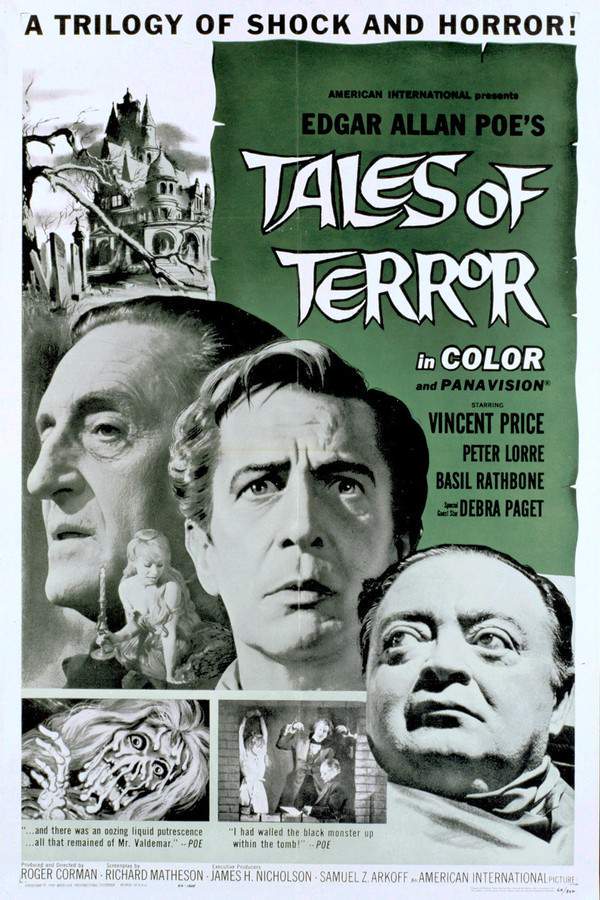

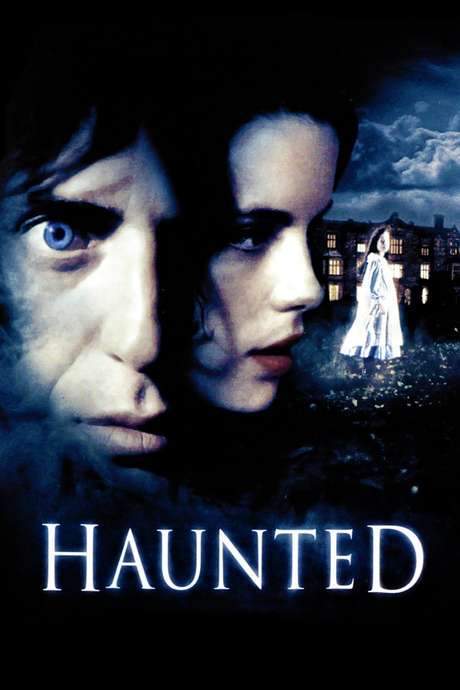
Featured on this page

What's After the Movie?
Not sure whether to stay after the credits? Find out!
Check out our other apps:

SAT Sphere
Build confidence for the Digital SAT.

Mori Atlas
Discover wild places worth protecting.

Luntero
Search smarter for a home in Amsterdam.

Plot Explained
Unravel movie endings and hidden clues.

Pokechamp
Dive into Pokémon data and battle logic.

Driving Theory
Get ready for your European theory test.

Movie Dust
Plan your next cinema trip with ease.

Musemap
Find art and culture as you travel.

Selkobase
Compare credentials before committing.

Local Manual
Turn an unfamiliar country into practical next steps.

Lernavi
Compare school systems before your next move.

GymRoam
Find a workout stop wherever your plans take you.
Explore Our Movie Platform
New Movie Releases (2026)
Famous Movie Actors
Top Film Production Studios
Movie Plot Summaries & Endings
Major Movie Awards & Winners
Best Concert Films & Music Documentaries
Movie Collections and Curated Lists
© 2026 What's After the Movie. All rights reserved.
Privacy Policy