What Happens in GasLand?
The complete story of GasLand, from the first scene to the last, in 318 words (about 1 minute). Spoilers throughout.
Spoilers ahead
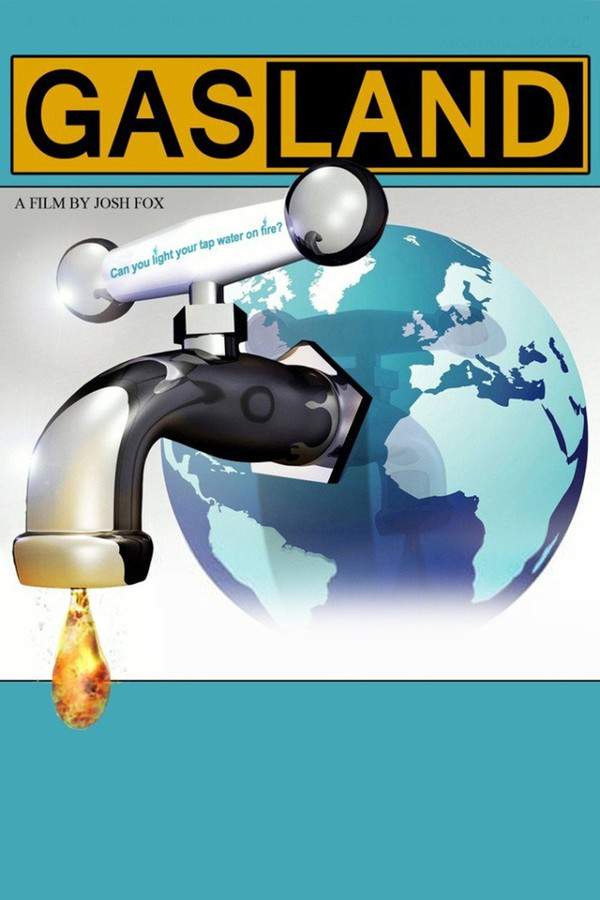
Josh Fox describes his receipt of a letter in May 2008 from Cabot Oil & Gas (later Coterra), offering a signing bonus of nearly $100,000 to lease his family’s land in Milanville, Pennsylvania, to drill for natural gas, after which he sets out to see how communities across the nation are being affected by the natural gas drilling boom. Beginning in Dimock Township, Susquehanna County, Pennsylvania, before driving to locations as far away as Colorado, Wyoming, Utah, and Texas, where the boom began a decade earlier, he spends time with citizens in their homes and on their land and hears stories about how hydraulic fracturing has contaminated their air, water wells, and surface water with methane and toxic chemicals, leading to a variety of chronic health problems and, sometimes, tap water that can be lit on fire. Although some residents have obtained court injunctions or settlement money from gas companies to replace the affected water supplies with drinking water or portable water purification kits, the companies continue to insist that fracking has never been proven to be the cause of any contamination. Fox is particularly troubled by what he learns because there are plans to begin drilling for natural gas in the portion of the Marcellus Formation formation that overlaps with the New York City water supply system and the Delaware River Basin, which together provide unfiltered drinking water to 15.6 million people in New York City, Pennsylvania, New Jersey, and Delaware. Scientists, government employees, and politicians describe how the Energy Policy Act of 2005 exempted hydraulic fracturing from the Safe Drinking Water Act, making the practice essentially unregulated, and, in the end, Fox finds himself in the halls of Congress as a subcommittee discusses the Fracturing Responsibility and Awareness of Chemicals Act, “a bill to amend the Safe Drinking Water Act to repeal a certain exemption for hydraulic fracturing”, which never made it past the committee stage.