
Francis 1950

Directed by

Arthur Lubin
Made by

Universal International Pictures
Where to Watch Francis
See current US streaming, rental, and purchase options for Francis (1950) via JustWatch.






Francis Plot Summary
Read the complete plot summary and ending explained for Francis (1950). From turning points to emotional moments, uncover what really happened and why it matters.
A bank manager sits with Peter Stirling, a teller who has been drawing public attention, as he recounts his story in a flashback. Stirling is a second lieutenant who becomes trapped behind Japanese lines in Burma during World War II. A talking Army mule named Francis carries him to safety, and Stirling insists the mule rescued him, which lands him in a psychiatric ward. Francis helps Stirling thwart enemy plans twice, and each time Stirling is returned to the psychiatric ward when he insists on crediting Francis.
In an effort to obtain his release, Stirling asks General Stevens to order Francis to speak, but Francis does not obey until it becomes clear that Stirling will be arrested for treason if he remains silent. Stevens is convinced and orders Stirling’s release. During one of his hospital stays, Stirling is befriended by Maureen Gelder, a beautiful French refugee. He grows to trust her and tells her about Francis.
A Tokyo Rose propaganda broadcast mocks the Allies for being advised by a mule, leading to the suspicion that Stirling or Gelder is a Japanese agent. The press is later informed that the absurd mule story was concocted to identify the spy. With help from Francis, the real culprit is Gelder.
Francis is shipped to the U.S. for further study, but his military transport crashes in the wilderness of Kentucky. Stirling searches for him after the war and finds him alive and well.
Francis Timeline
Follow the complete movie timeline of Francis (1950) with every major event in chronological order. Great for understanding complex plots and story progression.
Present-day narration at the bank
A bank manager speaks with teller Peter Stirling, who has been attracting public attention. Stirling agrees to tell his story in a flashback. The frame sets up the wartime adventures to come.
Stirling becomes a second lieutenant in Burma
Stirling serves as a second lieutenant behind Japanese lines in Burma during World War II. He is cut off and forced to improvise for survival. The danger of capture hangs over him as enemy forces close in.
Francis the talking mule appears
A talking Army mule named Francis carries Stirling to safety through dangerous terrain. The unlikely helper guides him away from traps toward safety. The bond between man and mule becomes central to Stirling's escape.
Stirling credits Francis and is hospitalized
Stirling insists that the mule rescued him, not the other way around. Because he credits Francis, he is placed in a psychiatric ward. The absurd story sparks doubt about his sanity among the medical staff.
Francis foils an enemy plan #1
Francis helps thwart an enemy plan, saving Stirling and exposing a threat behind the lines. Each time Stirling credits the mule for the rescue, he is returned to the psychiatric ward. The cycle blurs the line between belief and reality.
Francis foils an enemy plan #2
After another attempt to strike behind the front is foiled with Francis's help, Stirling is again treated as delusional and kept in the ward. The medical authorities remain suspicious of his tale.
Stirling seeks release through General Stevens
Stirling asks three-star General Stevens to order Francis to speak, hoping to prove his tale once and for all. Francis refuses to obey until it becomes clear that Stirling will be arrested for treason if he stays silent. The stakes rise as the truth is demanded by the military.
General Stevens orders Stirling's release
General Stevens is convinced by the mule's role and orders Stirling's release. He intervenes at the hospital to free Stirling and restore his credibility.
Stirling befriended by Maureen Gelder
During a hospital stay, Stirling is befriended by Maureen Gelder, a French refugee. He grows to trust her and eventually tells her about Francis. Her belief gives him hope that the truth will emerge.
Tokyo Rose casts suspicion
A Tokyo Rose radio broadcast mocks the Allies for being advised by a mule, prompting suspicion that Stirling or Gelder is a Japanese agent. The broadcast triggers intense scrutiny from the press and military investigators.
Press reveals the mule story was a trap
The press later reveals that the absurd mule story was concocted to identify the spy. The revelation fuels public and official scrutiny and shifts attention away from Stirling.
Gelder revealed as the real culprit
With Francis's help, Gelder is revealed as the real culprit. The discovery clears Stirling of treason and links Gelder to the espionage.
Francis is shipped to the U.S. for study
Francis is shipped to the United States for further study, but his transport crashes in the wilderness of Kentucky. The crash forces a grim separation, and Stirling longs to see his unlikely savior again.
Stirling reunites with Francis
Stirling searches for Francis after the war and finds him alive and well. He tracks him to the wreck site in Kentucky and is relieved to be reunited with the mule.
Francis Characters
Explore all characters from Francis (1950). Get detailed profiles with their roles, arcs, and key relationships explained.
Peter Stirling — Donald O'Connor
A second lieutenant trapped behind Japanese lines in Burma, Stirling survives with the help of Francis and repeatedly credits the mule for his rescues. His steadfastness clashes with official skepticism, landing him in a psychiatric ward when he insists on the mule's role. He pursues release through truth and loyalty, which eventually prevail when General Stevens is convinced.
Francis the Talking Mule (voice) — Chill Wills
A talking Army mule who carries Stirling to safety and repeatedly aids in thwarting enemy plans. Francis is the catalyst for Stirling's credibility struggles, blurring lines between myth and truth. The mule's actions drive the plot and expose the espionage plot that unfolds around the war.
Maureen Gelder
A French refugee who befriends Stirling and becomes entangled in the spy plot. She attracts his trust, but a Tokyo Rose propaganda broadcast casts suspicion on either Stirling or Gelder. The twist reveals Gelder as the real spy, making her both ally and antagonist.
General Stevens
A three-star general who is convinced by Stirling’s testimony and Francis’s supposed voice, ordering Francis to speak to vindicate Stirling and secure his release. He embodies authoritative decision-making that weighs evidence against public narrative. His ultimate judgment reconciles duty with the truth.
Francis Settings
Learn where and when Francis (1950) takes place. Explore the film’s settings, era, and how they shape the narrative.
Time period
Early 1940s
World War II defines the backdrop, with battles behind Japanese lines in Burma shaping the early action. The narrative spans the war’s middle period to its immediate aftermath, including a transport crash in Kentucky after the conflict ends. The period features military hierarchy, censorship, and propaganda that influence how the characters are perceived.
Location
Burma, Kentucky
Set across the wartime Burma theatre and a postwar American setting in Kentucky, the story follows Stirling's perilous journey with Francis. The Burmese jungle and frontlines form the tense backdrop, while the later sections shift to a U.S. psychiatric ward and a postwar Kentucky wilderness where the search for Francis continues. The location changes underscore the contrast between combat heroism and the domestic aftermath of war.
Francis Themes
Discover the main themes in Francis (1950). Analyze the deeper meanings, emotional layers, and social commentary behind the film.
🧭
Truth vs Legend
War stories often get tangled with rumor and public perception. The mule tale becomes a test of credibility as Stirling insists on crediting Francis. The press, including a Tokyo Rose broadcast, weaponizes the myth to imply treachery, showing how propaganda can distort truth. The eventual discovery of Gelder as the real spy underscores the danger and importance of separating truth from legend.
🪖
War & Sanity
Stirling's confinement in a psychiatric ward exposes the mental strain of warfare and the stigma around unconventional help. The film juxtaposes battlefield courage with the fragility of the human psyche under war-time stress. Authority's attempts to fit the truth into a neat narrative test loyalty and justice. The resolution suggests that truth and duty prevail when credible evidence is allowed to speak.
🐴
Animal Ally
Francis the mule embodies the improbable aid that sometimes arises in war. The mule carries Stirling to safety and, through its actions, helps thwart enemy plans twice. The bond between man and animal humanizes the war story, highlighting unconventional allies.

Coming soon on iOS and Android
The Plot Explained Mobile App
From blockbusters to hidden gems — dive into movie stories anytime, anywhere. Save your favorites, discover plots faster, and never miss a twist again.
Sign up to be the first to know when we launch. Your email stays private — always.
Explore the mobile appFrancis Spoiler-Free Summary
Discover the spoiler-free summary of Francis (1950). Get a concise overview without any spoilers.
In the chaotic theater of World War II Burma, Peter Stirling, a guileless second lieutenant, finds himself entangled in a predicament that defies military logic. Known for his unwavering honesty, Stirling stumbles into a situation where survival hinges on an ally the army would never officially recognize. The film blends the rigors of military life with a layer of absurdity, creating a world where the most ridiculous claims might also be the most truthful, challenging the sanity of everyone involved.
His story centers on Francis, an Army mule with the unexpected ability to speak. While Francis possesses intelligence and a sharp tongue, Stirling’s refusal to conceal the source of his military insights results in a frustrating cycle of disbelief. Instead of being hailed as a hero, his insistence on crediting a talking animal lands him repeatedly in the psychiatric ward. The dynamic creates a unique comedic tension: Stirling is the only one taking the situation seriously, while the mule seems to be the only one truly in control.
As Stirling navigates this minefield of skepticism, he encounters General Stevens and befriends a French refugee named Maureen Gelder, each adding layers to his struggle for vindication. The narrative rides on the tension between Stirling’s desperate need to prove his sanity and the military’s rigid refusal to accept the impossible. Viewers are invited into a story where espionage and absurdity mix, promising a journey where the greatest wisdom comes from the unlikeliest of sources. The ultimate question becomes whether Stirling can maintain his integrity—and his freedom—without losing his mind in the process.
Movies with Similar Twists and Themes
Uncover films that echo the narrative beats, emotional arcs, or dramatic twists of the one you're exploring. These recommendations are handpicked based on story depth, thematic resonance, and spoiler-worthy moments — perfect for fans who crave more of the same intrigue.

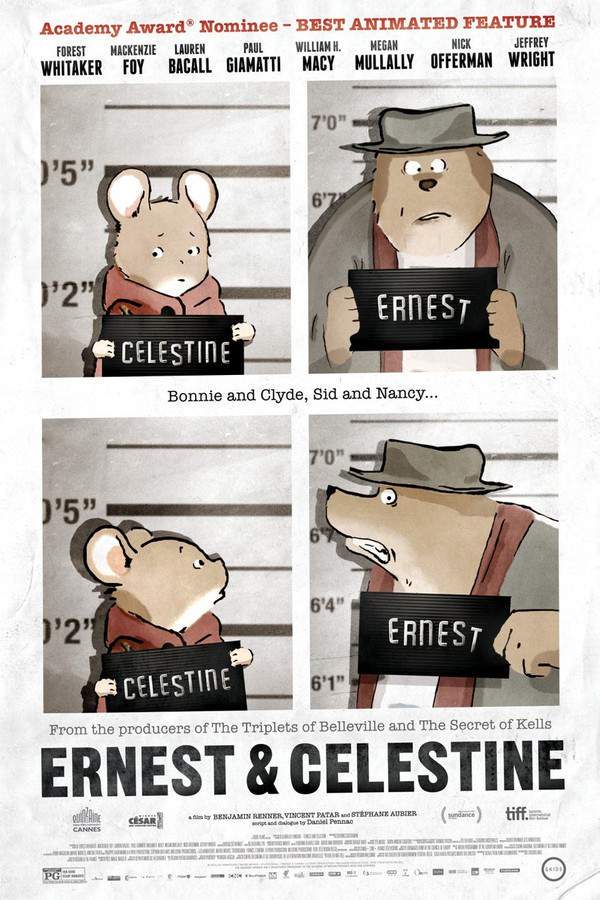

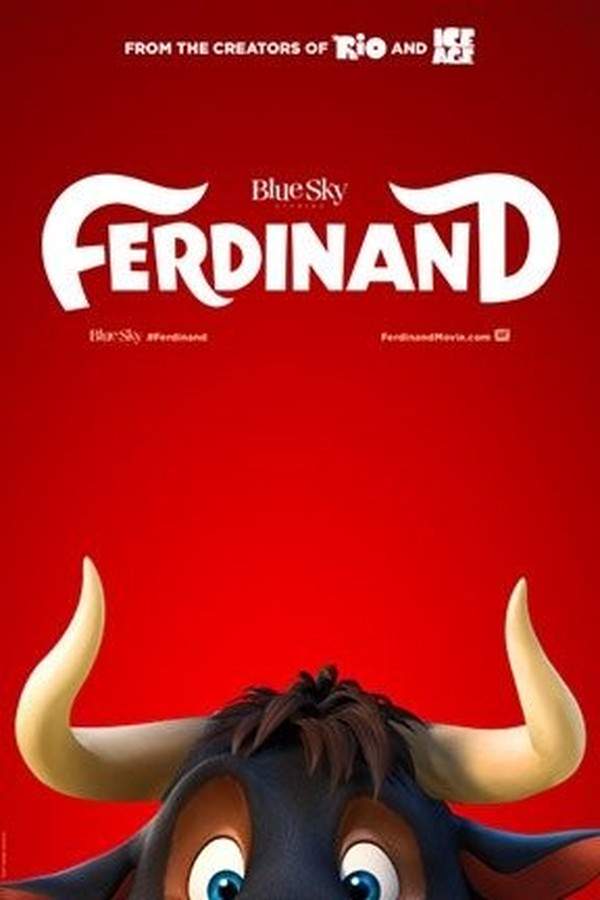
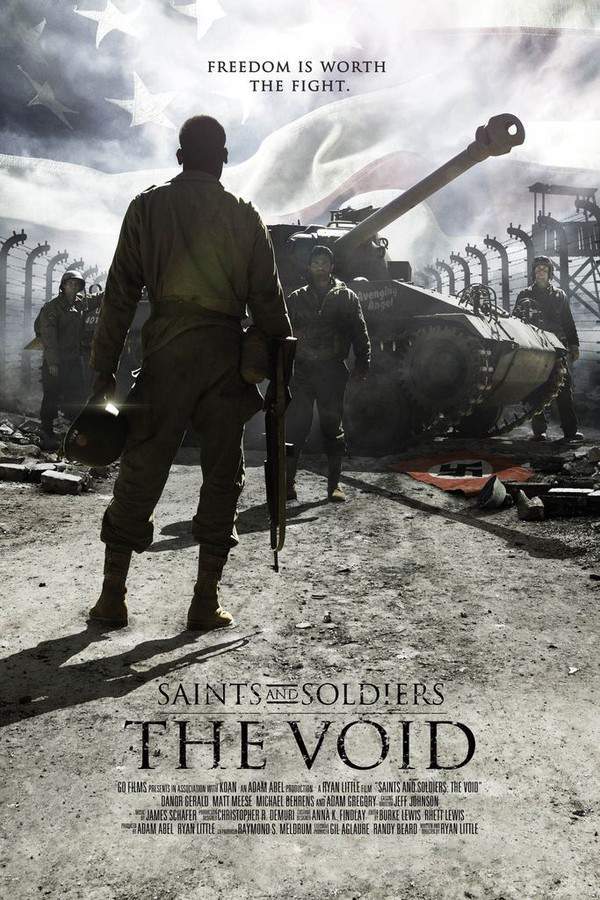




Featured on this page

What's After the Movie?
Not sure whether to stay after the credits? Find out!
Check out our other apps:

SAT Sphere
Build confidence for the Digital SAT.

Mori Atlas
Discover wild places worth protecting.

Luntero
Search smarter for a home in Amsterdam.

Plot Explained
Unravel movie endings and hidden clues.

Pokechamp
Dive into Pokémon data and battle logic.

Driving Theory
Get ready for your European theory test.

Movie Dust
Plan your next cinema trip with ease.

Musemap
Find art and culture as you travel.

Selkobase
Compare credentials before committing.

Local Manual
Turn an unfamiliar country into practical next steps.

Lernavi
Compare school systems before your next move.

GymRoam
Find a workout stop wherever your plans take you.
Explore Our Movie Platform
New Movie Releases (2026)
Famous Movie Actors
Top Film Production Studios
Movie Plot Summaries & Endings
Major Movie Awards & Winners
Best Concert Films & Music Documentaries
Movie Collections and Curated Lists
© 2026 What's After the Movie. All rights reserved.
Privacy Policy