

What Is For Love’s Sake About?
The premise of For Love’s Sake in 333 words, with nothing given away. The full story follows below.
In a sun‑drenched 1970s Tokyo where neon signs buzz against the lingering haze of post‑war optimism, the city itself feels like a restless stage. The film opens with a kinetic blend of music and movement, hinting at a world where every alley could pulse with a hidden beat. Into this restless backdrop drifts a lone figure, Makoto, a high‑school student whose quiet rage propels him northward in search of a reckoning tied to a long‑ago wound. His arrival reverberates with the promise of confrontation, yet the city’s rhythm suggests that answers may come dressed in unexpected melodies.
Across the same streets, Ai moves with a confidence forged by a nurturing, affluent family that has afforded her both academic excellence and athletic prowess. She embodies a kind of effortless grace, a young woman whose life has been shaped by love and support, yet whose curiosity about the city’s undercurrents pushes her beyond the safety of her privileged world. When their paths intersect, the contrast between Makoto’s raw edge and Ai’s cultivated poise ignites a tentative, electrifying connection that feels both fragile and inevitable.
The delicate balance of their budding romance is further shaded by two other presences. Iwashimizu, the diligent student‑council president, watches the pair with a quiet intensity, his own feelings for Ai adding a subtle tension to the social hierarchy. Meanwhile, Gamuko, a formidable member of a local gang, keeps a watchful eye on Makoto, her interest hinting at deeper, unspoken currents beneath the surface of youthful intrigue. These overlapping affections and ambitions create a tightly woven web of relationships that pulse with anticipation.
Stylistically, the film marries vivid period detail with bold musical interludes, allowing the characters’ inner worlds to echo through song and dance. The tone walks a line between nostalgic reverie and edgy realism, inviting viewers to feel the magnetic pull of love, loyalty, and the lingering shadows of the past, all while wondering just how far these young hearts will venture before the city’s rhythm changes its tempo.
What Happens in For Love’s Sake?
The complete story of For Love’s Sake, from the first scene to the last, in 528 words (about 2 minutes). Spoilers throughout. Names in the text link to 3 cast member pages.
Spoilers ahead
The film opens with a brief animated prologue set in 1961, introducing Ai Emi Takei, the daughter of a well‑respected Tokyo family, as she skis down a snowy slope and crashes into a young Makoto Taiga Satoshi Tsumabuki, leaving a scar that hints at a complicated history to come.
Eleven years later, in 1972 Tokyo, Ai is a senior in high school when Makoto Satoshi Tsumabuki unexpectedly appears and is ambushed by a local gang of boys. He fights them off single‑handedly during the film’s first musical number, instantly setting a bold, kinetic tone for what follows. Ai steps in to halt the brawl, and Makoto immediately recognizes her as the girl who injured him as a child, the memory of that scar resurfacing in a moment of uneasy recognition.
As the police arrive, Ai’s wealth and lineage are quickly apparent, and the authorities arrest the boys, including Makoto, who is slated for a reform school. Just as he is on the verge of a deeper trouble, the Saotome family, led by Masachika Ichimura, arranges for his release and secures a transfer to the prestigious Aobadai Prep School, where Ai stands as a popular, top‑tier student in both academics and sports. This crossover of privilege and delinquency becomes the central axis around which the story revolves.
Ai finds herself drawn to Makoto, and she uses her influence to sponsor his place at the new school. The film then filters through the shifting dynamics of their growing, complicated relationship, a partnership that begins with clash and restraint but slowly deepens into something more nuanced and charged. Yet the social world they inhabit is never simple: Iwashimizu, the student council president, is secretly in love with Ai, adding another layer of tension to the school’s social fabric.
The awakening of Ai’s dual life becomes a flashpoint when Iwashimizu exposes Ai’s rule‑breaking secret—her part‑time dancing at a club. Makoto, sensing leverage, tries to pressure Ai’s parents for a sum of 1 million yen, a move that strains loyalties and accelerates a dramatic turn in how both are perceived by their peers and families. The consequences ripple through their carefully drawn worlds, testing loyalties and forcing each of them to confront what they truly want from life.
The fallout leads Makoto to be expelled from Ai’s school and sent to Hanazono Trade School, a place where his “own kind” awaits. There, Gum‑ko [Sakura Ando] and Yuki [Ito Ohno], two girls who are part of a bustling gang at the trade school, become drawn to Makoto, adding new pressures and enticing possibilities to an already fraught relationship. The dynamic between Makoto’s raw, impulsive energy and Ai’s cultivated poise intensifies as their paths intersect with the vibrant, rough‑and‑tumble world of the trade school and its evolving alliances, painting a portrait of adolescence strained by class boundaries, pride, and the search for belonging.
Throughout, the film threads music, street energy, and sharp social observation, letting the romance emerge from a landscape where privilege and defiance meet head‑on. It remains rooted in the idea that love and loyalty can bend under pressure, reshaping futures in ways that are as unpredictable as the city that surrounds them.
For Love’s Sake Timeline: Every Key Event in Order
14 key events in the order they happen, from “Animated prologue: Ai and Makoto's childhood crash” to “Foreshadowed clashes and future drama”. 14 events name a place, across 14 locations.
- 1
Animated prologue: Ai and Makoto's childhood crash
In 1961, a brief animated prologue shows Ai skiing down a snowy hill and colliding with a young Makoto. The crash leaves Makoto with a visible scar and seeds a long-running tension between their families. The scene hints at Ai's privileged Tokyo upbringing and the fateful mark it leaves on Makoto.
When:1961 Where:Snowy hill (animated prologue)
- 2
Ai's high school life in Tokyo
Eleven years later, Ai is a senior in high school in Tokyo, revered as a top student in both academics and sports. Her life contrasts with the rougher world Makoto inhabits, setting up the class divide central to the story.
When:1972 Where:Tokyo, Japan (Ai's school)
- 3
Makoto's arrival and a gang attack
Makoto arrives and is immediately assaulted by a local Tokyo gang of boys. He bravely fights them off, establishing his delinquent reputation in the opening moments of the film’s action. The incident foreshadows the friction between their two worlds.
When:1972 Where:Outside Ai's school / Tokyo street
- 4
Ai intervenes and recognition
Ai steps in to stop the brawl, and Makoto realizes she is the same girl who injured him as a child, the one who left a large scar on his forehead. This recognition ties their fates together and deepens the personal stakes of the encounter.
When:1972 Where:Tokyo street / school vicinity
- 5
Police arrest the delinquents
The police arrive and swiftly arrest Ai's peers, including Makoto, highlighting Ai's family's social status in the eyes of authorities. The incident marks a turning point as Makoto faces consequences for the confrontation.
When:1972 Where:Street near Ai's high school
- 6
Reform school looming
Makoto is slated to be sent to a reform school as punishment for the incident. His future looks uncertain as he awaits transfer, and the path seems lined with social stigma.
When:1972 Where:Reform school
- 7
Saotame family intervention
Just before the transfer, the wealthy Saotame family arranges for Makoto's release and facilitates his transfer to a prestigious new school. This intervention keeps him within the orbit of Tokyo's elite circles.
When:1972 Where:On the way to reform school / Saotame family influence
- 8
Arrival at Aobadai Prep School
Makoto enters Aobadai Prep School, where Ai is already a popular figure at the top of her class. The school environment juxtaposes privilege and delinquency, setting up the central dynamic of their relationship.
When:1972 Where:Aobadai Prep School, Tokyo
- 9
Ai's sponsorship
Ai convinces her family to sponsor Makoto's education at the prep school. This act blurs the lines between their two worlds and gives Makoto a second chance within the privileged circle.
When:1972 Where:Ai's home / family offices
- 10
Iwashimizu’s confession and blackmail plan
Iwashimizu, the student council president, confesses his love for Ai and reveals Ai's rule-breaking by working part-time dancing at a club. In response, Makoto contemplates blackmailing Ai's parents for 1 million yen, intensifying the tension between the two camps.
When:1972 Where:Aobadai Prep School / student council offices
Show the other 4 events of For Love’s Sake Hide the last 4 events
- 11
Expulsion and transfer to Hanazono
As punishment for the blackmail attempt, Makoto is expelled from Aobadai Prep and sent to Hanazono Trade School to be with his 'own kind'. The move marks a separation from Ai's world and shifts his social landscape.
When:Early 1970s Where:Aobadai Prep School / Hanazono Trade School
- 12
Gum-ko and Yuki enter Makoto's orbit
At Hanazono, Gum-ko and Yuki—a member and leader of a gang of girls—become interested in Makoto. Their involvement introduces new alliances and rivalries within the trade school setting.
When:Early 1970s Where:Hanazono Trade School
- 13
Centering the Makoto–Ai relationship
The narrative centers on the evolving relationship between the delinquent Makoto and the privileged Ai. Their interactions cut across class boundaries and challenge both characters’ loyalties and identities.
When:1972 onward Where:Various locations in Tokyo
- 14
Foreshadowed clashes and future drama
Gum-ko and Yuki’s interest and the shifting school loyalties foreshadow future clashes between Makoto’s new circle and Ai’s elite world. The stage is set for continued drama as lines between classes blur.
When:Early 1970s Where:Hanazono / Aobadai areas
Who Are the Main Characters in For Love’s Sake?
7 characters, among them Ai Saotome (Emi Takei), Makoto Taiga (Satoshi Tsumabuki) and Gum-ko (Sakura Ando): who each one is and the part they play in the story. Every profile links to the actor’s page.
- AS
Ai Saotome (Emi Takei)
Played by Emi Takei
A daughter from a respected Tokyo family who excels academically and athletically. She challenges the status quo by getting involved with Makoto and convincing her family to sponsor him. Her choices reflect both privilege and longing for connection beyond reputation.
- 🎭 Rich
- 🧠 Brilliant
- 🧍♀️ Independent
- MT
Makoto Taiga (Satoshi Tsumabuki)
Played by Satoshi Tsumabuki
A delinquent with street-smarts who fights back against local gangs and disruption. His relocation to Ai's world tests his guardrails, while his feelings for Ai force him to navigate new social expectations. He embodies conflict between instinct and aspiration.
- ⚔️ Rebellious
- 🔨 Tough
- 🕵️♂️ Determined
- G(
Gum-ko (Sakura Ando)
Played by Sakura Ando
A member of the girls' gang at Hanazono Trade School who becomes intrigued by Makoto. She represents the rough, alternative social circle that contrasts with Ai's elite world.
- 🧩 Gang
- 🫶 Friendship
- 🌟 Ambition
- YT
Yuki Takahara (Ito Ohno)
Played by Ito Ohno
Leader or key member of a girls' gang at the trade school who also takes interest in Makoto. She represents the agency and leadership within the underworld social crowd.
- 👑 Leader
- 🌀 Opportunistic
- 🗣️ Charismatic
-
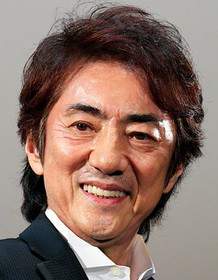
Shogo Saotome (Masachika Ichimura)
Played by Masachika Ichimura
Ai's father, a powerful and influential figure whose approval shapes Ai's choices and opportunities for Makoto's future. His decisions anchor the film's exploration of wealth and responsibility.
- 💼 Authority
- 🏛️ Wealth
- 👨👧 Family
- TT
Toyo Taiga (Kimiko Yo)
Played by Kimiko Yo
Ai's mother, whose status and expectations help define the pressure Ai experiences to maintain the family’s reputation. She is a symbol of traditional success and social approval.
- 👩👧 Family
- 🛡️ Protection
- 🏰 Prestige
- MS
Miyako Saotome (Yo Hitoto)
Played by Yo Hitoto
Ai's sister, part of the same privileged circle, adding a sisterly dynamic to Ai’s choices and the family expectations surrounding her romance.
- 👭 Family ties
- 🕊️ Affection
- 🧭 Guidance
Where and When Is For Love’s Sake Set?
For Love’s Sake is set in Tokyo, Aobadai Prep School and Hanazono Trade School (1961, 1972). Here is why the time and place matter to the story.
When
1961, 1972
An opening prologue set in 1961 introduces Ai as a child, followed by a jump to 1972 Tokyo where Ai is a top student and Makoto is a troubled youth. The timeline highlights a rapid transformation from a snowy childhood incident to a high-stakes school-age romance. The shift from a privileged, orderly world to a more unruly underworld of gangs and trade schools frames the conflict of class and identity.
Where
Tokyo, Aobadai Prep School, Hanazono Trade School
The story unfolds mainly in Tokyo, beginning with a snow-covered hillside in 1961 before shifting to the bustling city and its prestigious prep school in 1972. The Saotome family home represents wealth and influence, while the Aobadai Prep School and Hanazono Trade School show the social strata and rival worlds within Tokyo's youth culture. The locations serve as stages for romance and rebellion, contrasting privilege with street-ganged delinquency. The settings heighten the social tensions that drive the couple's fragile relationship.
- 🏙️ Urban
- 🏫 Elite Institutions
- ❄️ Snowy Landscape
- 🎭 Social Divide
What Are the Themes of For Love’s Sake?
3 ideas the story keeps returning to, among them Class Divide, Romance vs. Rebellion and Identity & Choice.
-
01
Class Divide
The film hinges on the clash between Ai's wealthy lineage and Makoto's rough upbringing. Their romance crosses social borders, testing family expectations and the power structures of Tokyo's elite institutions. The story uses social labels—prestige, money, and reputation—to create tension and obstacles for the couple.
-
02
Romance vs. Rebellion
Ai and Makoto's relationship challenges norms about who should be together and where they belong. The forbidden attraction pushes characters to confront authority, school politics, and gang influences. Love acts as a catalyst for change, but also exposes vulnerabilities and consequences.
-
03
Identity & Choice
Characters navigate expectations from family, school, and peers. The move from Aobadai Prep to Hanazono Trade School embodies a test of loyalty, self-worth, and adaptability. The narrative probes how individuals shape themselves under social pressure and what they choose when options narrow.
What Kind of Film Is For Love’s Sake?
Tense in tone, with fast pacing and a moderate story, going by the plot summary.
- Tone
- Tense
- Pacing
- Fast
- Story
- Moderate
- Intensity
- High
A high-energy, tense musical drama that combines violent gang conflicts with a passionate, class-crossing romance, creating a turbulent and emotionally charged viewing experience.
- tense
- passionate
- dramatic
- yearning
- dangerous
- clashing
- delinquent romance
- class conflict
- revenge
- gang violence
Content notes: gang violence, physical fights.
Quiz
How well do you remember For Love’s Sake? Test yourself on the story.
