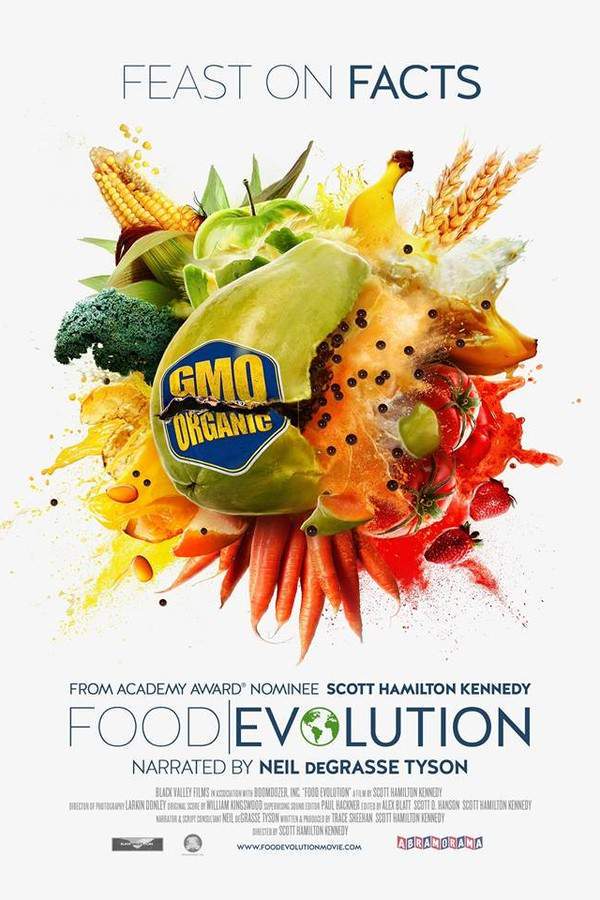
What Is Food Evolution About?
The premise of Food Evolution in 370 words, with nothing given away. The full story follows below.
In a world where the dinner plate has become a battleground for competing beliefs, Food Evolution sets out on a sweeping global journey to untangle one of the most charged debates of our time. From the sun-drenched papaya groves of Hawaii to the sprawling cornfields of Iowa and the smallholder banana farms of Uganda, the film invites viewers into the everyday landscapes where food is grown, questioned, and consumed. Its tone is inquisitive and measured, seeking not to declare a winner but to illuminate the tangled web of science, emotion, and policy that surrounds how humanity feeds itself.
At the heart of the documentary is a chorus of voices — scientists, farmers, activists, skeptics, and journalists — each bringing their own convictions to the conversation. Figures such as Alison Van Eenennaam, Pamela Ronald, Dennis Gonsalves, and Mark Lynas lend their expertise from the world of agricultural science, while critics like Jeffrey Smith, Andrew Kimbrell, and Vandana Shiva challenge prevailing narratives with urgency and passion. Alongside them stand working farmers like Emma Naluyima and commentators including Michael Pollan and Bill Nye, ensuring the discussion stays rooted in both the lab and the land. Their exchanges, captured with a calm but attentive eye, reveal how deeply personal the question of what we eat can become.
The film approaches its subject with a sense of journalistic curiosity, examining how misinformation can spread as easily as seed and how fear can eclipse evidence. It draws attention to local legislation across the United States and Africa, using these case studies as windows into a much larger global dilemma. Questions of food safety, environmental stewardship, pesticide use, and the mounting pressures of population demand are explored not as abstract issues but as lived realities shaping communities on every continent.
Visually, Food Evolution moves between verdant fields, bustling markets, and polished laboratories, painting a portrait of a planet in search of sustainable nourishment. Its pacing is thoughtful rather than hurried, allowing each perspective room to breathe before the next enters the frame. The result is a documentary that feels less like a lecture and more like an open door — one that invites audiences to weigh evidence, question assumptions, and consider the human stakes behind every meal.
What Happens in Food Evolution?
The complete story of Food Evolution, from the first scene to the last, in 292 words (about 1 minute). Spoilers throughout. Names in the text link to 7 cast member pages.
Spoilers ahead
Food Evolution is a detailed documentary that delves into the intense and ongoing controversy surrounding Genetically Modified Organisms (GMOs) and the global food supply. The film takes viewers on an expansive journey across the globe, traveling from the lush papaya groves of Hawaii to the essential banana farms in Uganda and the vast, golden cornfields of Iowa. By visiting these diverse locations, the production examines the complex intersection of human emotion and scientific reality regarding how our food is produced and consumed.
The narrative focuses on specific case studies involving local legislation within both the United States and various nations across Africa. A primary theme of the film is the exploration of how misinformation and deep-seated fear can often overshadow and overwhelm objective, evidence-based analysis. To provide a comprehensive overview, the film tackles a wide array of critical topics, including:
- The reality of food safety and its impact on the consumer.
- The necessity of environmental protection.
- The growing pressure of global population demand.
- The efficacy and risks associated with pesticide use.
- The general health implications surrounding the use of GMOs.
Throughout the exploration of these subjects, the film meticulously analyzes the specific data, evidence, and sources that are utilized by different parties to argue their respective positions.
The documentary features a wide range of perspectives from experts and activists. Those appearing in the film include Margaret Wille, Jeffrey Smith, Charles Benbrook, Dennis Gonsalves, Alison Van Eenennaam, Pamela Ronald, Nathanael Johnson, Emma Naluyima Mugerwa, Mark Lynas, Zen Honeycut, and Raoul Adamchak. Additionally, the film provides deep insights through interviews with prominent figures such as Michael Pollan, Andrew Kimbrell, Vandana Shiva, Robert Fraley, Marion Nestle, and Bill Nye, alongside various farmers and scientists working on the front lines of agricultural science around the world.
Food Evolution Timeline: Every Key Event in Order
15 key events in the order they happen, from “Setting the Stage: The GMO Controversy” to “Conclusion: Science, Trust, and the Future of Food”. 8 events name a place, across 4 locations.
- 1
Setting the Stage: The GMO Controversy
The documentary introduces the heated global debate surrounding genetically modified organisms and food production. It establishes that emotions and misinformation often overwhelm objective scientific analysis. The film sets out to examine the actual data and evidence behind arguments on both sides of the issue.
- 2
The Hawaiian Papaya Crisis
The story begins in the papaya groves of Hawaii, where the papaya ringspot virus was devastating the local papaya industry. Farmers watched their livelihoods threatened as the disease spread unchecked through the groves. This crisis set the stage for one of the most significant GMO success stories in agriculture.
Where:Hawaii
- 3
Saving Papaya with Science
Scientist Dennis Gonsalves developed the genetically engineered Rainbow papaya, which was resistant to the ringspot virus. The innovation rescued Hawaii's papaya industry from collapse and demonstrated how genetic engineering could save a food crop. This case becomes a central example of GMO benefits examined in the film.
Where:Hawaii
- 4
Legislating Against GMOs in Hawaii
The film follows councilwoman Margaret Wille as she proposes local legislation restricting GMO farming in Hawaii County. The proposal ignites intense debate among farmers, activists, and residents of the island. The case illustrates how local politics and public sentiment collide with agricultural science.
Where:Hawaii County, Hawaii
- 5
Fear, Activism, and Public Testimony
Anti-GMO activists, including Jeffrey Smith, spread claims linking GMOs to various health dangers. Emotional public hearings highlight how fear-driven messaging can sway community opinion. The film scrutinizes the sources and evidence behind these activist claims.
Where:Hawaii
- 6
Examining the Pesticide Question
The documentary engages scientist Charles Benbrook to examine concerns about pesticide use on genetically modified crops. His analysis raises legitimate questions about herbicide use in GMO agriculture. The film uses his perspective to show that scientific critique exists even among those who study the data closely.
- 7
Banana Farms in Crisis in Uganda
The film travels to Uganda, where banana farms are being ravaged by banana bacterial wilt, a disease threatening a vital staple food. Bananas are central to Ugandan food security and the national economy. The devastation forces farmers and scientists to seek solutions to protect the crop.
Where:Uganda
- 8
A Farmer's Perspective on Food Security
The documentary introduces Emma Naluyima, a Ugandan farmer and veterinarian representing the local agricultural perspective. Her experiences underscore the real stakes of crop disease for families and communities in Africa. Her story highlights a contrast between wealthy nations' GMO debates and developing nations' food needs.
Where:Uganda
- 9
Genetically Modified Bananas as a Potential Solution
Ugandan scientists explore genetically engineered bananas resistant to the deadly wilt disease as a possible answer to the crisis. The film weighs the promise of this technology against the regulatory and cultural resistance it faces in Africa. The situation raises questions about who gets to decide which technologies are available to struggling farmers.
Where:Uganda
- 10
Cornfields and Industrial Agriculture
The journey continues to the cornfields of Iowa, the heartland of American industrial agriculture. The film examines how genetically modified corn dominates farming in the region and the debates surrounding it. This segment explores the intersection of large-scale farming, biotechnology, and consumer concerns.
Where:Iowa
Show the other 5 events of Food Evolution Hide the last 5 events
- 11
Following the Data on Food Safety
Scientist Alison Van Eenennaam walks through extensive animal feeding studies and data on GMO safety for food. Her work demonstrates how large bodies of evidence are used to assess food safety claims. The film emphasizes the importance of evaluating what sources are actually behind claims made by both sides.
- 12
An Activist Changes His Mind
The documentary features Mark Lynas, a former prominent anti-GMO activist who publicly reversed his position after studying the science. His reversal illustrates how encountering actual evidence can reshape long-held beliefs. His story serves as a case study in how misinformation initially shaped his early activism.
- 13
Voices from All Sides of the Debate
The film gathers a wide range of prominent voices, including Michael Pollan, Vandana Shiva, Andrew Kimbrell, Robert Fraley, Marion Nestle, and Bill Nye. These interviews span food advocates, industry supporters, critics, and science communicators. Their contrasting viewpoints reveal the complexity and polarization of the GMO conversation.
- 14
Weighing Evidence Against Emotion
Throughout its journey, the film analyzes what data, evidence, and sources are being used to argue for or against GMOs. It repeatedly shows how misinformation and fear can overpower objective analysis in public discourse. The comparison between Hawaii, Uganda, and Iowa highlights how the same debate plays out differently across the world.
- 15
Conclusion: Science, Trust, and the Future of Food
The documentary closes by reflecting on the broader questions of food safety, environmental protection, population demand, and pesticide use surrounding GMOs. It encourages viewers to demand transparent, evidence-based discussions rather than fear-driven ones. The film ultimately calls for a more constructive conversation about feeding a growing global population.
Who Are the Main Characters in Food Evolution?
4 characters, among them Bill Nye, Charles Benbrook and Pamela Ronald: who each one is and the part they play in the story. Every profile links to the actor’s page.
-

Bill Nye
Played by Bill Nye
Bill Nye is a well-known science communicator who brings a rational perspective to the discussion of GMOs and food evolution. He advocates for science-based solutions to agricultural challenges and emphasizes the importance of understanding scientific principles in public discourse. His approachable demeanor makes complex scientific topics accessible to general audiences.
- 🔬 Science Advocate
- 🎙️ Communicator
- CB
Charles Benbrook
Played by Charles Benbrook
Charles Benbrook is an agricultural scientist who examines the implications of biotechnology in farming. He provides insights into the environmental and health considerations surrounding GMO crops, contributing to the dialogue about their impact on sustainable agriculture. His expertise helps shape a comprehensive understanding of the risks and benefits associated with GMOs.
- 🌾 Agriculture Expert
- 📊 Researcher
- PR
Pamela Ronald
Played by Pamela Ronald
Pamela Ronald is a prominent plant geneticist who discusses the advancements in genetic engineering of crops. She advocates for the potential benefits of GMOs in feeding a growing population while minimizing environmental impacts. Her work reflects a balanced approach to technology in agriculture, highlighting both innovation and responsibility.
- 🔬 Geneticist
- 🌍 Environmentalist
- EN
Emma Naluyima Mugerwa
Played by Emma Naluyima Mugerwa
Emma Naluyima Mugerwa is a Ugandan farmer who shares her experiences and challenges faced in the agricultural sector related to banana farming. Her story represents the local voices in the global conversation about food security and the impact of policies on smallholder farmers, making her perspective vital in the GMO debate.
- 👩🌾 Farmer
- 🌱 Local Advocate
Where and When Is Food Evolution Set?
Food Evolution is set in Hawaii, Uganda and Iowa. Here is why the place matters to the story.
When
The movie delves into contemporary issues surrounding food production, particularly focusing on the recent debates over GMOs. It highlights the evolving perspectives and laws regarding food safety and environmental concerns that have surfaced over the last few decades.
Where
Hawaii, Uganda, Iowa
The film explores various agricultural landscapes, including the lush papaya groves of Hawaii, known for their tropical fruits and diverse ecosystems. In Uganda, banana farms represent the local agricultural practices and challenges faced by farmers. The cornfields of Iowa symbolize American agriculture, showcasing the significance of corn production in the U.S. economy.
- 🏝️ Tropical
- 🌍 Agricultural
- 🇺🇸 Midwest
What Are the Themes of Food Evolution?
2 ideas the story keeps returning to, among them Food and Agriculture and Science vs. Misinformation.
-
01
Food and Agriculture
The theme of food and agriculture is central to the film, examining the complexities of food production practices, especially with regard to GMOs. It highlights the emotional and scientific aspects of food evolution, emphasizing the impact on health, safety, and the environment. Through various case studies, the film illustrates the ongoing debate over the future of food.
-
02
Science vs. Misinformation
The film addresses the conflict between scientific evidence and public perception regarding GMOs. It underscores the role of misinformation in shaping public opinions and legislative actions. By showcasing data, evidence, and expert opinions, the documentary advocates for informed discussions based on facts rather than fears.
What Kind of Film Is Food Evolution?
Neutral in tone, with steady pacing and a complex story, going by the plot summary.
- Tone
- Neutral
- Pacing
- Steady
- Story
- Complex
- Intensity
- Medium
- Ending
- Mixed
A thought-provoking documentary that methodically examines the GMO debate through global case studies, balancing expert analysis with public fear to explore how science and emotion collide over what we eat.
- informative
- investigative
- thought-provoking
- balanced
- analytical
- serious
- gmos
- food safety
- scientific debate
- misinformation
Quiz
How well do you remember Food Evolution? Test yourself on the story.