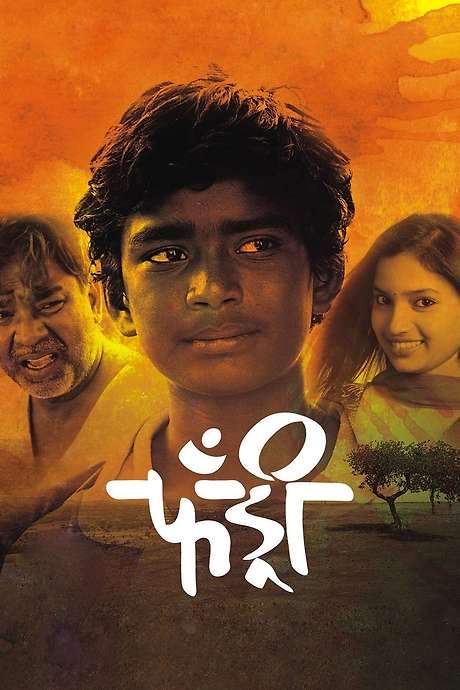
Fandry 2013


Where to Watch Fandry
See current US streaming, rental, and purchase options for Fandry (2013) via JustWatch.

Streaming availability powered by 
Fandry Plot Summary
Read the complete plot summary and ending explained for Fandry (2013). From turning points to emotional moments, uncover what really happened and why it matters.
In the village of Akolner, a pre-teen named Jabya Somnath Awghade Kachru Mane lives in a makeshift house on the outskirts of a caste-segregated community, sharing space with his parents and two older sisters, one of whom is a widow with a toddler. The family belongs to the Kaikadi community, an oppressed caste, and their everyday life is built around a string of menial jobs. Owing to the caste-ridden power structure, Jabya’s father projects fear and submission, a temperament that is veiled and exploited by the village’s upper-caste residents.
Jabya is drawn to school, where a one-sided crush grows on a forward-caste girl named Shalu Rajeshwari Kharat, a connection he has never spoken aloud but eagerly seeks to notice him in return. He and his school friend Pirya Suraj Pawar, armed with a slingshot, pass long hours after class chasing a black sparrow through the wilderness. The film repeatedly disperses two signals: the call of the red-wattled lapwing, known locally as titawi, said to foretell bad luck, and the striking, fork-tailed black sparrow that keeps appearing in their world.
Into Jabya’s life steps a bicycle mechanic named Chankya [Nagraj Popatrao Manjule], a man who once married a wealthy upper-caste woman only to have her brother violently take her away. Since that brutal episode, Chankya has renounced family life, leaning into spirituality, mysticism, and liquor. He becomes a mentor to Jabya, offering sympathy and a different lens through which Jabya can pursue his dreams.
Back at home, Jabya’s family endures ongoing exploitation and dehumanization from the villagers. A marriage proposal comes for Jabya’s sister, and the father undertakes to pay a dowry of ₹20,000 to the groom’s family, a financial strain that intensifies the family’s burden. A village order then assigns Jabya’s family the task of killing a rampaging pig, a duty that compels them to perform in front of Jabya’s classmates, including Shalu, heightening Jabya’s embarrassment.
The moment of crisis arrives when the embarrassment becomes too much to bear. He hides in an alley, where the black sparrow reappears and the legend surfaces about ash that can hypnotize someone into loving the person who sprinkles it. Yet this magical notion remains only in Jabya’s dream—his father finds him, chases away the bird, and publicly disciplines him.
In the climactic sequence, the family successfully catches the pig, but the ensuing procession brings relentless taunts and jeers. The insults intensify, including the calling of Jabya “fandry,” a slur in the Kaikadi language. As anger boils over, Jabya erupts, abandoning the pig and hurling rocks at his oppressors. The final shot lingers on his defiant stance as he throws a rock directly at the camera, a deliberate break of the fourth wall that leaves a piercing, unflinching moment for viewers to reflect on the cycles of oppression and resilience.
Fandry Timeline
Follow the complete movie timeline of Fandry (2013) with every major event in chronological order. Great for understanding complex plots and story progression.
Akolner and the Kaikadi oppression
In the village of Akolner, Jabya’s Kaikadi family lives in a makeshift house on the outskirts of a caste-segregated community. They depend on a string of menial jobs just to survive, while the upper-caste residents project fear and dominance. Daily life is shaped by dehumanization and a constant sense of vulnerability.
Jabya’s school life and unspoken crush
Jabya is drawn to school and quietly notices Shalu, a forward-caste girl. Their connection remains unspoken, with Jabya hoping she notices him in return. The schoolyard becomes a space where caste lines feel both distant and inescapable.
Sparrows and omens
Jabya and his friend Pirya spend long hours with a slingshot, chasing a black sparrow through the wilderness. Two signals recur in their world—the red-wattled lapwing, or titawi, said to foretell bad luck, and the striking sparrow that keeps appearing. These omens thread through their days and hint at a restless fate.
Chankya the mentor arrives
A bicycle mechanic named Chankya enters Jabya’s life and offers sympathy and a different lens through which Jabya can pursue his dreams. He becomes a mentor figure, gently guiding Jabya toward possibilities beyond the village’s rigid expectations. The relationship gives Jabya a spark of hope amid oppression.
Chankya’s past and renunciation
Chankya recalls a brutal episode where he married a wealthy upper-caste woman who was taken away by her brother. Since then, he has renounced family life, leaning toward spirituality, mysticism, and liquor. His history adds a layer of complexity to his mentorship of Jabya.
Father’s fear and caste power
Jabya’s father embodies fear and submission shaped by the caste hierarchy, often yielding to the village’s oppressive norms. He struggles to protect his family while feeling powerless within the social order. This dynamic reinforces the cycles of control that suppress Jabya and his sisters.
Sister’s marriage proposal and dowry
A marriage proposal for Jabya’s sister arrives, and the father agrees to pay a dowry of ₹20,000 to the groom’s family. The amount places a heavy financial strain on the already burdened family. The moment foreshadows the economic violence threaded through their community.
Dowry burden deepens
The family’s resources are stretched as they try to meet the dowry obligation, highlighting the economic pressures created by caste and gender traditions. The looming debt adds to the constant strain Jabya observes at home. The weight of unpaid expectations compounds the father’s sense of duty and fear.
Pig assignment and public humiliation
A village order assigns Jabya’s family the task of killing a rampaging pig, and they must perform the act in front of Jabya’s classmates, including Shalu. The exposure becomes a bitter public humiliation that compounds Jabya’s sense of inferiority. The event unfolds in a communal space where eyes feel heavier than the task itself.
Alley crisis: ash legend
When embarrassment peaks, Jabya hides in an alley where the black sparrow reappears and whispers of ash that can hypnotize someone into loving the person who sprinkles it surface. The idea remains a dream-like, magical notion that briefly offers escape. His father finds him, scolds him, and the moment ends in a public rebuke.
Pig caught; procession begins
The family manages to catch the pig, but the ensuing procession becomes a stage for relentless taunts and jeers. The crowd’s hostility reinforces Jabya’s sense of vulnerability and the cruelty of the village’s power dynamics. Public spectacle amplifies the pressure to conform.
Fandry slur and rising anger
The insults escalate, including the Kaikadi slur fandry, which targets Jabya’s identity. The accumulated humiliation sparks a deepening anger within him, signaling a breaking point against dehumanization. The moment marks a pivot from passive suffering to visible resistance.
Jabya rebels: rocks at oppressors
In a blaze of defiance, Jabya abandons the pig and hurls rocks at his oppressors. The act is a raw eruption against the cycles of oppression that have shaped his life. The scene crystallizes his resolve to resist in the face of contempt.
Final shot: breaking the fourth wall
The film closes with Jabya’s defiant stance as he throws a rock directly at the camera. This deliberate break of the fourth wall pushes viewers to confront the ongoing cycles of oppression and resilience. The image lingers, inviting reflection long after the moment is over.
Fandry Characters
Explore all characters from Fandry (2013). Get detailed profiles with their roles, arcs, and key relationships explained.
Jabya (Somnath Awghade)
A pre-teen from the Kaikadi community who navigates poverty, family duty, and the rigid caste hierarchy. He is drawn to education and harbors a quiet crush on Shalu, yet he is often constrained by fear and social stigma. Jabya embodies innocence and resilience, seeking dignity and opportunity beyond his village. His defiance grows as he confronts humiliation and asserts his own voice.
Shalu (Rajeshwari Kharat)
A forward-caste classmate who becomes the object of Jabya's quiet, unspoken crush. She represents a world beyond Jabya's immediate community, hinting at possibilities that remain out of reach within the caste system. Her limited portrayal reflects the social boundaries that shape her interactions with Jabya. She is a central catalyst for Jabya's emotional journey.
Chankeshwar 'Chankya' Sathe (Nagraj Popatrao Manjule)
A bicycle mechanic who once married into wealth but was torn away, leading him to renounce family life. He becomes Jabya's mentor, offering sympathy, spirituality, and a different lens through which to pursue dreams. He embodies a complex figure torn between tradition, belief, and the lure of freedom.
Piraji 'Pirya' (Suraj Pawar)
Jabya's school friend, a companion for long hours after class as they chase a black sparrow and dream of escape. He shares Jabya's sense of adventure while enduring the same social constraints. Their friendship frames the small, shared moments of resistance and hope.
Fandry Settings
Learn where and when Fandry (2013) takes place. Explore the film’s settings, era, and how they shape the narrative.
Location
Akolner
The film unfolds in the rural village of Akolner, where Jabya's Kaikadi family lives on the outskirts of a caste-segregated community. Upper-caste residents exercise control and social order through humiliation and everyday constraints. The setting centers on modest homes, hard labor, and the social boundaries that shape the characters' choices.
Fandry Themes
Discover the main themes in Fandry (2013). Analyze the deeper meanings, emotional layers, and social commentary behind the film.
⚖️
Caste System
Caste labels and power dynamics permeate every aspect of daily life in Fandry. The Kaikadi family faces systemic oppression, dowry pressures, and public shaming that constrain their future. Education and aspiration clash with ingrained hierarchies as Jabya longs for a different path. The narrative exposes how caste shapes who is permitted to dream and who is denied dignity.
🌱
Coming-of-Age
Jabya's curiosity about school and his quiet crush on Shalu mark his passage from childhood into adolescence. The story follows his attempts to find a voice within a hostile social structure. A mentorship from Chankya offers a doorway to alternative visions of life, faith, and freedom. The coming-of-age arc is inseparable from the challenges of caste and poverty.
💥
Defiance
Jabya's final act of rebellion—defying taunts and hurling rocks at his oppressors—embodies resistance against dehumanization. The direct-breaking-of-the-fourth-wall moment forces the audience to confront cycles of oppression. The film proposes that resilience can be a political act, even in small, personal moments.

Coming soon on iOS and Android
The Plot Explained Mobile App
From blockbusters to hidden gems — dive into movie stories anytime, anywhere. Save your favorites, discover plots faster, and never miss a twist again.
Sign up to be the first to know when we launch. Your email stays private — always.
Explore the mobile appFandry Spoiler-Free Summary
Discover the spoiler-free summary of Fandry (2013). Get a concise overview without any spoilers.
In a sun‑baked village of modern‑day India, life unfolds along invisible but rigid lines of caste and class. The community is split between the dominant upper‑caste families and the marginalized Kaikadi clan, whose modest homes cluster on the outskirts. Daily routines are punctuated by the sounds of rural labor, the distant call of a lapwing, and the quiet yearning of a teenage boy who dreams of a world beyond his prescribed role.
Jabya is a pre‑teen living with his parents and two sisters in a makeshift house, his days shaped by school and the weight of his family’s economic strain. He carries a quiet, intense infatuation for his classmate Shalu, a girl from a wealthier, forward‑caste household, whose presence magnifies the social gap he feels. Their interactions are limited to fleeting glances, yet they fuel his inner conflict between longing and the realities of his social standing.
Around him, a small circle offers both guidance and reflection. A bicycle mechanic, a former lover of an upper‑caste woman turned mystic, sees a younger version of himself in Jabya and becomes an unlikely mentor. Meanwhile, his family grapples with the pressures of dowry expectations and the ever‑present need to secure income through humble work. The film’s tone is earthy and unflinching, painting the village’s harsh beauty while quietly probing the stubborn barriers that shape love, ambition, and survival.
Featured on this page

What's After the Movie?
Not sure whether to stay after the credits? Find out!
Check out our other apps:

SAT Sphere
Build confidence for the Digital SAT.

Mori Atlas
Discover wild places worth protecting.

Luntero
Search smarter for a home in Amsterdam.

Plot Explained
Unravel movie endings and hidden clues.

Pokechamp
Dive into Pokémon data and battle logic.

Driving Theory
Get ready for your European theory test.

Movie Dust
Plan your next cinema trip with ease.

Musemap
Find art and culture as you travel.

Selkobase
Compare credentials before committing.

Local Manual
Turn an unfamiliar country into practical next steps.

Lernavi
Compare school systems before your next move.

GymRoam
Find a workout stop wherever your plans take you.
Explore Our Movie Platform
New Movie Releases (2026)
Famous Movie Actors
Top Film Production Studios
Movie Plot Summaries & Endings
Major Movie Awards & Winners
Best Concert Films & Music Documentaries
Movie Collections and Curated Lists
© 2026 What's After the Movie. All rights reserved.
Privacy Policy