
Face to Face 1976

Directed by
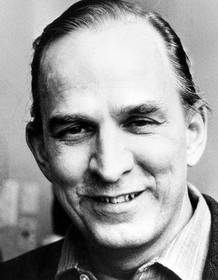
Ingmar Bergman
Made by

Paramount Pictures
Face to Face Plot Summary
Read the complete plot summary and ending explained for Face to Face (1976). From turning points to emotional moments, uncover what really happened and why it matters.
Dr. Jenny Isaksson, a psychiatrist played by Liv Ullmann, takes a temporary post as the medical supervisor at a mental hospital while her husband is in America and their daughter Anna is away at camp. She moves back into her childhood home to stay with her aging grandparents, Gunnar Björnstrand and Aino Taube, who helped raise her after her parents died. Reimmersing herself in the old bedroom unsettles her, stirring anxiety that soon blooms into dreams and waking visions of a one-eyed old woman. The return unsettles more than memories: Jenny’s burdens are amplified by Mari, a highly disturbed patient at the hospital who has fits of violence and challenges Jenny’s belief that she can experience love for others.
At a party hosted by the ex-wife of a colleague, Jenny meets Erland Josephson, who plays Tomas, a medical doctor. After a flirtatious exchange, she agrees to go home with him but makes clear she does not want sex at that moment. He leaves, and they agree to meet again in the future for a possible encounter. The encounter is emotionally fraught from the start, hinting at Jenny’s deeper longing for connection rather than gratification.
Back at her old home, Mari escapes from the hospital with two men who claim they brought her to Jenny’s address after finding it in the phone book. When Jenny tries to call the police, the men attack and attempt to rape her, though the assault is interrupted when they struggle to penetrate her. That night, after attending a concert with Tomas, Jenny returns to bed with him and asks for a non-sexual arrangement—two people sharing a bed without touch. In the midst of the night she confesses that she hoped the rapist would have sex with her because she longs for physical pleasure but cannot become aroused. Tomas tries to comfort her, yet the moment unsettles her so deeply that she asks to be sent home and reassures him they will meet again soon.
Jenny retreats to her grandparents’ home for several days, missing work as the strain of recent events weighs on her. When her grandparents leave town for the weekend, she initially asks Tomas to join her for a movie, but she ultimately hangs up, records a suicide note on a tape, and swallows fifty Nembutals. In a dream sequence, she apologizes to her younger self and speaks to her grandmother, confessing a fear of old age. She encounters an imagined Tomas, who warns her not to reopen the door to painful memories, yet she opens it anyway. She sees the old woman who comforts her, and she wakes briefly in the hospital to find Tomas there, having sought her out after she hung up and failed to answer his calls.
The two talk, and Tomas tries to ease her by sharing odd childhood memories about his upbringing—yet the moment loosens into something more revealing. In a second dream, she attempts to navigate a crowded room of patients, while her grandfather admits fear of dying and Anna appears, only to run away. When she awakens, her husband is there but declares he must return to America. She asks him to tell her grandmother the truth and to talk to Anna.
In another dream, she searches for her parents—the last time she saw them was at their funeral when she was nine. The memory brings guilt and shame, yet when she finds them they initially leave, only to return and offer comfort; she pushes them away. Back in waking life, she tells Tomas about her childhood, and they reveal more personal truths. Tomas reveals that he was never truly divorced; he had shared his life with a male partner for five years. The conversation spirals, and Jenny becomes hysterical.
In a final dream, she attends her own funeral and awakens during the cremation. A nurse informs her that Anna wants to meet her, but the attempt to reconnect goes poorly—Anna bluntly tells Jenny that she always knew she never truly liked her and then leaves. Tomas then tells her that he plans a Jamaica trip for an amoral vacation and may not return. Jenny returns to her grandmother, who believes she is merely fatigued, while she is troubled by her husband’s impending death. Jenny offers some comfort and then reaches for stability by calling the hospital to say she’ll come in to work in the morning.
Face to Face Timeline
Follow the complete movie timeline of Face to Face (1976) with every major event in chronological order. Great for understanding complex plots and story progression.
Return to grandparents' home unsettles Jenny
Moving back into her old bedroom at her grandparents' house unsettles Dr. Jenny Isaksson, triggering anxiety and the first waves of unsettling memories. The familiar space feels claustrophobic and stirs dreams she cannot ignore. This marks the beginning of her psychological unraveling.
First dreams and waking visions
Jenny begins to have dream sequences and waking visions of a one-eyed old woman. The boundary between sleep and waking fades as these visions intensify her sense of unease. The dreams foreshadow deeper memories she will confront later.
Party meeting with Tomas
At a party hosted by the ex-wife of a colleague, Jenny meets Tomas, a medical doctor who flirts with her. She agrees to go home with him, but they decide to meet again later for a potential encounter. The interaction hints at Jenny seeking connection amid her turmoil.
Mari's escape and assault attempt
Mari, a disturbed patient, escapes from the mental hospital with two men who intend to take her to Jenny's address. When Jenny tries to call the police, the men assault her and attempt to rape her, stopping only when they cannot penetrate. The incident marks a cruel intersection of Jenny's personal and professional worlds.
Night with Tomas and confession
Jenny accompanies Tomas to a concert and then returns with him, seeking a non-sexual embrace. She reveals that she longed for the rapist to have completed sex with her, but she cannot become aroused. The confession triggers a breakdown, and she asks to be sent home.
Suicide attempt after staying with grandparents
Jenny spends several days at her grandparents' home, then withdraws further and ends up recording a suicide note. She takes fifty Nembutals in a desperate act born of unresolved trauma and emotional numbness. This moment marks a turning point toward a more explicit confrontation with her past.
Awakening in hospital after dream
In a dream sequence, Jenny apologizes to herself and confronts memories she fears. She encounters an imagined Tomas and a comforting old woman before she opens a door she dreads. She wakes in a hospital bed to find Tomas has come to find her.
Second dream with family figures
A subsequent dream places Jenny in a crowded room of patients while her grandfather confesses fear of dying and Anna appears, only for Anna to run away. The dream layers familial anxieties onto her personal crisis and medical responsibilities.
Morning talks and impending departure
Jenny wakes to find her husband beside her, but he must return to America. She asks him to tell her grandmother the truth and pledges to speak to Anna, signaling a plan to confront family truths and her own past.
Quest to find her parents in a final dream
In another dream, Jenny searches for her parents at their funeral when she was nine. They initially abandon her but then return to comfort her, only for her to push them away. The vision crystallizes guilt and unresolved longing.
Verbal revelations with Tomas
The next morning, Jenny shares her childhood memories with Tomas. He responds by revealing a hidden truth—that he was never divorced and had lived with a man for five years. The revelation destabilizes their interaction and triggers a hysterical reaction from Jenny.
Final funeral dream
In her last dream, Jenny attends her own funeral and wakes during the cremation. The dream intensifies the sense of mortality and the inescapable cycle of guilt that haunts her. The sequence culminates in a stark moment of self-confrontation.
Anna's meeting wish and confrontation
A nurse tells Jenny that Anna wants to meet her. Jenny tries to explain, but the encounter goes poorly as Anna reveals she always believed Jenny never liked her and walks away. The moment underscores the rift between mother and daughter.
Tomas plans Jamaica trip
Tomas tells Jenny he will travel to Jamaica for an amoral vacation and may not return. The confession marks a sober end to their tentative bond and forces Jenny to face the fragility of connection.
Returning to grandmother and resolve to work
Jenny returns to her grandmother, who believes she is simply fatigued. She is distressed by her husband’s impending death but offers comfort anyway. She then phones the mental hospital to say she will be in to work in the morning, signaling a reluctant return to duty.
Face to Face Characters
Explore all characters from Face to Face (1976). Get detailed profiles with their roles, arcs, and key relationships explained.
Jenny Isaksson (Liv Ullmann)
A psychiatrist who returns to work while dealing with trauma from her past. Her crisis of desire, fear, and memory unfolds through dreams, visions, and strained relationships with family and colleagues.
Tomas
A medical doctor who flirts with Jenny, later offering fragile support as she navigates memory and desire. He reveals personal vulnerability and a complicated past.
Grandfather
Jenny’s caring grandfather who helped raise her after her parents’ death. He embodies family memory, aging, and the fear of mortality.
Grandmother
Jenny’s grandmother who provides warmth and stability, but also a reminder of aging and duty within the family unit.
Mari
A disturbed patient who triggers the central crisis, highlighting the fragility of care and the threat she poses when escaping the hospital.
Face to Face Settings
Learn where and when Face to Face (1976) takes place. Explore the film’s settings, era, and how they shape the narrative.
Time period
1960s
The narrative takes place in the contemporary 1960s, a period of changing social norms and evolving attitudes toward mental health care. The story follows Jenny’s personal crisis against the pace of hospital procedures, family obligations, and urban life in this era.
Location
Sweden, mental hospital, Jenny’s grandparents’ home
The action moves between a Swedish mental hospital and the family home where Jenny grew up. The hospital serves as the backdrop of care, danger, and psychiatric strain, while the grandparents’ house and bedroom anchor Jenny to childhood memories and unresolved guilt.
Face to Face Themes
Discover the main themes in Face to Face (1976). Analyze the deeper meanings, emotional layers, and social commentary behind the film.
🧠
Memory
Jenny’s dreams and visions uncover buried memories of childhood trauma and long-suppressed emotions. The old woman figure symbolizes repressed fears surface through sleep and waking visions. The film suggests that healing requires confronting the past rather than avoiding it.
💔
Desire & Shame
The story probes sexual longing, emotional numbness, and the struggle to experience physical pleasure. Jenny’s interactions with Tomas expose a tension between intimacy and fear, revealing her sense of guilt and inadequacy. Her neurosis is entwined with the need for authentic connection.
🏥
Mental Health
Set largely within a psychiatric hospital, the film examines care, control, and the fragility of patients like Mari. The claustrophobic environment mirrors Jenny’s psychological state, highlighting the limits of treatment and the stigma surrounding mental illness.
🕊️
Guilt & Forgiveness
Across flashbacks and dreams, Jenny confronts her parents’ deaths and her own perceived failures. The longing for forgiveness from loved ones—and self-forgiveness—drives her toward a fragile relief by the end, even as she remains conflicted.

Coming soon on iOS and Android
The Plot Explained Mobile App
From blockbusters to hidden gems — dive into movie stories anytime, anywhere. Save your favorites, discover plots faster, and never miss a twist again.
Sign up to be the first to know when we launch. Your email stays private — always.
Explore the mobile appFace to Face Spoiler-Free Summary
Discover the spoiler-free summary of Face to Face (1976). Get a concise overview without any spoilers.
In the quiet outskirts of a Swedish city, Jenny Isaksson—a respected psychiatrist—accepts a temporary supervisory role at a mental hospital while her husband works abroad and their daughter spends the summer at camp. The professional stakes are high, but the film grounds her in a domestic world that feels simultaneously familiar and alien: the familiar routine of caring for patients collides with the intimate pressures of family life, creating a subtle, ever‑present tension that permeates every scene.
When Jenny retreats to the house where she was raised, the once‑comforting childhood bedroom becomes a conduit for lingering anxieties. The old walls seem to echo with half‑remembered sounds, and fleeting, unsettling images begin to surface, hinting at a past that refuses to stay buried. This return to her roots is rendered in a muted, atmospheric style, where the lighting and sound design whisper of memories that are both poignant and disquieting, setting a tone that is as introspective as it is unsteady.
Amid the swirl of professional responsibilities, Jenny navigates a web of relationships that both sustain and unsettle her. Her aging grandparents offer a fragile anchor to the past, while her husband’s distant presence and her daughter’s temporary absence leave emotional spaces that feel impossible to fill. A chance encounter with Tomas, a fellow doctor, introduces a tentative spark of connection that underscores her yearning for intimacy without the expectation of conventional fulfillment. Their interactions are charged with a quiet yearning, suggesting possibilities that both intrigue and unsettle her fragile equilibrium.
The film moves with a deliberate, almost clinical rhythm, juxtaposing the sterile corridors of the hospital with the warm, memory‑laden rooms of home. Its mood is one of lingering unease, inviting viewers to contemplate how professional identity, personal history, and the search for genuine connection can converge into a profound, internal crisis. Through Jenny’s experience, the story explores the delicate balance between outward competence and the hidden turbulence that lies beneath.
Featured on this page

What's After the Movie?
Not sure whether to stay after the credits? Find out!
Check out our other apps:

SAT Sphere
Build confidence for the Digital SAT.

Mori Atlas
Discover wild places worth protecting.

Luntero
Search smarter for a home in Amsterdam.

Plot Explained
Unravel movie endings and hidden clues.

Pokechamp
Dive into Pokémon data and battle logic.

Driving Theory
Get ready for your European theory test.

Movie Dust
Plan your next cinema trip with ease.

Musemap
Find art and culture as you travel.

Selkobase
Compare credentials before committing.

Local Manual
Turn an unfamiliar country into practical next steps.

Lernavi
Compare school systems before your next move.

GymRoam
Find a workout stop wherever your plans take you.
Explore Our Movie Platform
New Movie Releases (2026)
Famous Movie Actors
Top Film Production Studios
Movie Plot Summaries & Endings
Major Movie Awards & Winners
Best Concert Films & Music Documentaries
Movie Collections and Curated Lists
© 2026 What's After the Movie. All rights reserved.
Privacy Policy