

What Is Empire State Building Murders About?
The premise of Empire State Building Murders in 284 words, with nothing given away. The full story follows below.
In the shadows of Depression-era New York, where the Empire State Building pierces a skyline of ambition and vice, an elderly former detective named Jim Kovalski is drawn to revisit a long-buried mystery. The catalyst is a curious discovery: an undelivered letter, penned decades ago by a young woman sensing danger in her own life. Its sudden emergence pulls him back to an era of smoky nightclubs, Prohibition, gang warfare, and doomed romance — a city where loyalty and betrayal often wore the same face.
Rather than a conventional period drama, the film takes an unusually playful approach to its noir atmosphere. Every shadow-drenched street, smoky speakeasy, and rain-slicked rooftop is conjured entirely from re-edited excerpts of classic American film noir and gangster pictures from Hollywood’s golden age. This inventive construction is woven together with contemporary interviews featuring surviving stars of that era — figures like Kirk Douglas, Mickey Rooney, and Cyd Charisse — whose reflections lend a wistful, almost elegiac quality to the proceedings.
The result is less a straightforward whodunit than a cinematic love letter to a genre and its unforgettable atmosphere. Tension simmers beneath the jazz and trench coats, hinting at murders linked to organized crime without ever rushing to reveal their shape. Kovalski’s recounting moves with the deliberate cadence of a man who has carried these memories for decades, letting the mood of the era seep through every frame.
Ultimately, the picture plays as both an affectionate homage to the visual codes and storytelling rhythms of 1930s and 1940s Hollywood and a tantalizing fictional investigation, inviting viewers to lose themselves in the romance, danger, and melancholy of a New York that existed only on celluloid — yet feels hauntingly alive.
What Happens in Empire State Building Murders?
The complete story of Empire State Building Murders, from the first scene to the last, in 269 words (about 1 minute). Spoilers throughout. Names in the text link to 3 cast member pages.
Spoilers ahead
Set against a backdrop of a fictional investigation, the film begins in 2007 when an old, undelivered letter dated 1949 is unearthed in a New York post office. This letter, penned by Penny Baxter, a young woman ensnared in a perilous marriage to a notorious gangster, reveals her fears for her life, suggesting that imminent danger lurks close. The discovery of this letter spurs Jim Kovalski, played by Kirk Douglas, an elderly ex-detective, to delve into a series of murders that have long remained buried, all tied to the organized crime that shadows the Empire State Building.
As Kovalski narrates the unfolding case, the film transports the viewer back to New York during the turbulent 1930s and 1940s, a time marked by Prohibition, rampant gang warfare, systemic corruption, and tragic romance. Penny’s murder, alongside the death of a 13-year-old witness, unveils a complex web of betrayal involving mobsters, nightclub owners, and police informants. This investigation gradually uncovers the harrowing repercussions of ambition, love, and loyalty within the treacherous landscape of the criminal underworld.
What sets the film apart is its distinct narrative form. Instead of relying on newly filmed period scenes, Karel ingeniously constructs the entire storyline using re-edited excerpts from classic American film noir and gangster flicks from the 1930s to 1950s. This is artfully combined with staged contemporary interviews featuring iconic Hollywood actors, including Mickey Rooney, Cyd Charisse, and others. The result is a unique blend of a fictional murder mystery and a heartfelt tribute to American film noir, celebrating the legends of Hollywood’s golden age while playfully reimagining the genre’s visual language, dialogue, and atmospheric elements.
Empire State Building Murders Timeline: Every Key Event in Order
13 key events in the order they happen, from “Discovery of the Letter” to “Legacy of Crime”.
- 1
Discovery of the Letter
In 2007, a significant event occurs when an undelivered letter from 1949 is unearthed in a New York post office. This letter, penned by Penny Baxter, reveals her dire situation in a marriage to a violent gangster, setting in motion a series of recollections about a long-forgotten case.
When:2007 Where:New York
- 2
Penny's Warning
The letter contains an urgent warning from Penny about her imminent danger, effectively encapsulating the peril she faces. Her plea highlights the gravity of her circumstances and foreshadows the tragic events that are to unfold later.
- 3
Jim Kovalski's Decision
Upon reading the letter, Jim Kovalski, an elderly former detective, is stirred into action to revisit the unsolved murders linked to organized crime. His resolve significantly reinvigorates interest in a case he had buried years ago, as he connects it to Penny's haunting words.
- 4
Flashback to New York's Past
The narrative flashes back to New York during the 1930s and 1940s, a time marked by Prohibition and rampant gang warfare. This period backdrop is essential as it frames Penny's story and the chaotic environment that fosters criminal activities.
When:1930s-1940s Where:New York
- 5
Penny's Marriage
Penny Baxter's marriage to a notorious gangster is revealed to be fraught with danger and abuse. Her precarious situation not only puts her life at risk but also entangles her in a web of crime and betrayal, impacting many around her.
- 6
The Murder of Penny
Tragedy strikes when Penny is brutally murdered, her death sparking outrage and fear among those aware of her plight. This heinous act not only signifies the depths of the gangster's ruthlessness but also leads to the unraveling of a sordid conspiracy.
- 7
Witness Killed
In a chilling turn, a 13-year-old witness to Penny's murder is also killed, underscoring the dangers faced by anyone associated with the case. This added violence reveals the lengths to which criminals will go to silence the truth.
- 8
Investigative Insights
As Jim Kovalski delves deeper into the case, he uncovers disturbing connections between mobsters, nightclub owners, and corrupt law enforcement. This unearths a complex network of loyalty and betrayal, intertwining various individuals in Penny's tragic narrative.
- 9
Unraveling the Betrayal
The investigation reveals a web of betrayal that is shocking and multifaceted, touching on themes of love, ambition, and the pervasive corruption in the criminal underworld. Each revelation adds to the tragic trajectory of the individuals involved.
- 10
Cinematic Homage
The film cleverly utilizes re-edited footage from classic film noir and gangster movies, creating a unique visual narrative. This approach not only pays tribute to the golden age of Hollywood but also invigorates the story with a sense of authenticity and nostalgia.
Show the other 3 events of Empire State Building Murders Hide the last 3 events
- 11
Interviews with Actors
Incorporating staged contemporary interviews, the film features surviving Hollywood icons like Kirk Douglas and Cyd Charisse. Their insights bridge the past and present, enhancing the film's homage to the actors who shaped the genre during its peak.
- 12
Exploration of Themes
The film delves into themes of ambition, love, and loyalty, revealing their tragic consequences within the criminal realm. As layers of the story unfold, audiences witness how these themes impact the lives of individuals embroiled in the chaos.
- 13
Legacy of Crime
Ultimately, the narrative reflects on the lasting legacy of crime in society, represented through the tragic story of Penny and the unresolved mysteries surrounding her death. It serves as a somber reminder of the real-life implications of organized crime.
Who Are the Main Characters in Empire State Building Murders?
2 characters, among them Jim Kovalski (Kirk Douglas) and Penny Baxter: who each one is and the part they play in the story. 1 of them link to the actor’s page.
-
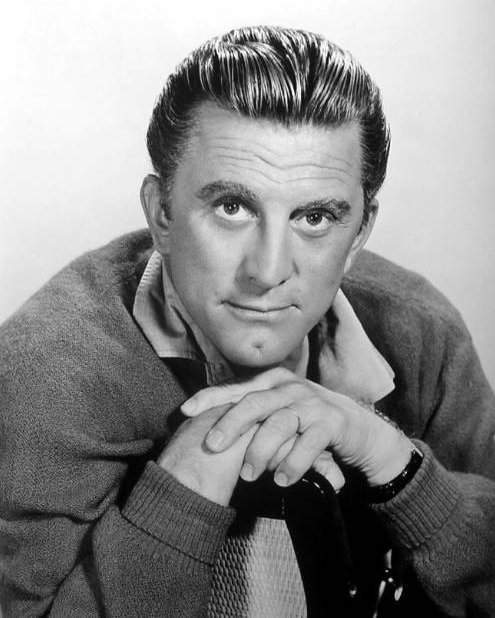
Jim Kovalski (Kirk Douglas)
Played by Kirk Douglas
Jim Kovalski is a seasoned former detective, whose past experiences drive him to revisit a cold case from decades prior. His character embodies resilience and a strong moral compass, often reflecting on the darker sides of human nature within the context of crime. Kovalski’s determination to uncover the truth highlights the weight of unresolved history and the importance of facing one's past.
- 🕵️♂️ Detective
- 🔙 Retrospective
- ⚖️ Justice
- PB
Penny Baxter
Penny Baxter is a complex character whose desperate circumstances intertwine her fate with the criminal underworld. Trapped in a perilous marriage, her determination to warn others about the dangers that surround her showcases her strength, as well as the vulnerabilities that come with love. Her story serves as a poignant reminder of sacrifice and the dread that permeates her world.
- 💔 Tragedy
- 🔒 Danger
- 🕊️ Innocence
Where and When Is Empire State Building Murders Set?
Empire State Building Murders is set in New York (1930s-2007). Here is why the time and place matter to the story.
When
1930s-2007
The film spans across several decades, primarily focusing on the late 1940s during which Prohibition and gang warfare were rampant. In this tumultuous period, criminal activities thrived, leading to a surge in violence and corruption. The story is anchored in the discovery of a letter in 2007, which serves as a bridge to recount the dark events of the past, highlighting the lasting impact of these historical narratives.
Where
New York
The movie is set primarily in New York City, a bustling metropolis known for its iconic skyline and diverse culture. During the eras depicted, New York was at the heart of the Prohibition movement and organized crime, making it a pivotal location for stories of ambition, betrayal, and the clash between legality and corruption. The Empire State Building serves as a notable landmark within this backdrop, symbolizing both hope and peril.
- 🌆 City
- 🏙️ Urban
- 🎭 Crime
What Are the Themes of Empire State Building Murders?
2 ideas the story keeps returning to, among them Mystery and Love and Betrayal.
-
01
Mystery
The film intricately weaves a murder mystery that probes the murky underbelly of organized crime. As the elderly detective Jim Kovalski revisits past events, the narrative unfolds in a way that questions the truth behind ambition and loyalty. This theme resonates throughout the investigation, emphasizing the tragic consequences hidden beneath the surface of glamor and romanticism.
-
02
Love and Betrayal
Central to the plot is the theme of love interwoven with betrayal. The troubled relationship of Penny Baxter and her gangster husband reveals the fragility of trust in a world marked by violence and survival. As characters navigate their loyalties, the film illustrates how personal relationships can lead to tragic outcomes when intertwined with the criminal world.
What Kind of Film Is Empire State Building Murders?
Dark in tone, with steady pacing and a complex story, going by the plot summary.
- Tone
- Dark
- Pacing
- Steady
- Story
- Complex
- Intensity
- Medium
- Ending
- Bittersweet
A melancholic, darkly atmospheric film noir reconstruction that weaves classic Hollywood footage with contemporary interviews, creating a nostalgic yet tragic murder mystery steeped in 1940s organized crime.
- nostalgic
- noir
- atmospheric
- melancholic
- reflective
- somber
- organized crime
- murder mystery
- film noir
- cold case
Content notes: murder, gang violence, child death, domestic abuse, organized crime, corruption.
Quiz
How well do you remember Empire State Building Murders? Test yourself on the story.
