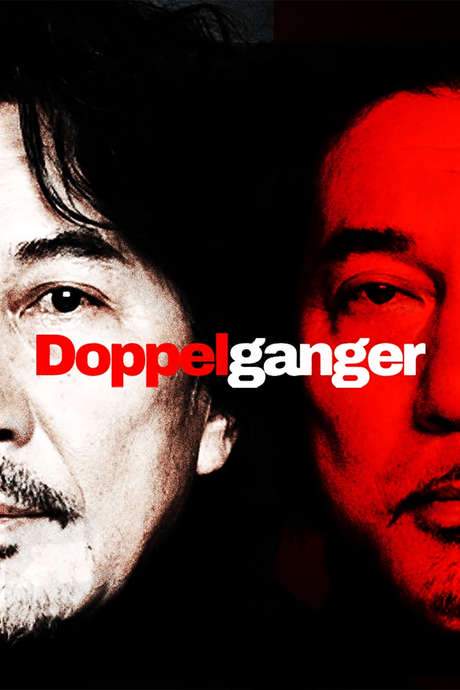
Doppelganger 2003


Directed by
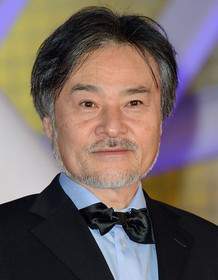
Kiyoshi Kurosawa
Made by

Sato Atsushi
Where to Watch Doppelganger
See current US streaming, rental, and purchase options for Doppelganger (2003) via JustWatch.

Amazon Prime Video
HD
Amazon Prime Video with Ads
HD
Shout! Factory Amazon Channel
HD
Fawesome
HD
Kanopy
HD
Amazon Prime Video Free with Ads
HD
Plex
HD
Plex Channel
HD
Pluto TV
SD
The Roku Channel
HD
Tubi TV
SD
Xumo Play
HD Streaming availability powered by 
Doppelganger Plot Summary
Read the complete plot summary and ending explained for Doppelganger (2003). From turning points to emotional moments, uncover what really happened and why it matters.
At a medical instrument manufacturing company, the timid engineer Michio Hayasaki, Koji Yakusho, labors to develop a robotic chair capable of mobilising a clinically paralysed person. He realises he’s not making progress under the constant strain of demanding deadlines and managerial pressure, and the stress begins to erode his confidence, leaving him unsure how to push back.
On a return trip home, a man who bears an eerie, exact resemblance to Michio appears on his doorstep. Convinced he’s slipping into a crisis, Michio wonders if the old legend about meeting your double—and the danger that follows—might be true. The doppelganger, however, simply reassures him that there is nothing to fear, and Michio reluctantly invites him inside.
What follows is a stark study in contrast. The doppelganger shares Michio’s features but not his temperament: where Michio is cautious and withdrawn, the double is bold, unrepentant, and unafraid to say what others won’t. He removes the sources of Michio’s stress, reorganises his life for the better, and even secures things Michio had long given up. He embraces rebellious acts that Michio never would, and he lends a hand in advancing the very robotic chair that had haunted Michio’s career for so long.
As the double reshapes Michio’s world, the engineer begins to glimpse the seductive freedom that comes with his alter ego’s nihilistic energy. Yet the closer he gets to this new life, the more he suspects there may be an ulterior motive behind the double’s bold moves. The line between helper and harbinger blurs, and Michio finds himself being dragged toward a dangerous path that could push him into madness. The film probes questions of identity, ambition, and the costs of succumbing to a version of yourself that you never invited in.
Doppelganger Timeline
Follow the complete movie timeline of Doppelganger (2003) with every major event in chronological order. Great for understanding complex plots and story progression.
Michio's struggle at the factory
Michio Hayasaki works at a medical instrument company and is a timid engineer who struggles to push the robotic chair project forward. Constant deadlines and managerial pressure erode his confidence, making risk-taking feel impossible. The mounting stress leaves him questioning his own courage and value at work.
The doppelganger appears on the doorstep
On his way home, a man who is his exact double stands on Michio's doorstep, an uncanny mirror of himself. He fears he might be undergoing a mental breakdown and recalls the legend that meeting your double portends danger. The encounter leaves him unsettled and curious.
The doppelganger is invited in
The doppelganger is calm and reassuring, insisting there is nothing to fear and that they should talk. He smoothly invites Michio into his own home, blurring the boundary between self and stranger. Michio, bemused but intrigued, agrees to let him stay.
A stark personality contrast emerges
Inside, the two look the same, but their personalities diverge dramatically. The timid Michio is matched by a bold, unafraid version who speaks his mind, acts without hesitation, and pursues what he wants. The differences expose how differently life could unfold.
Doppelganger reorganizes Michio's life
Under the doppelganger's influence, Michio's routine is rebuilt from the ground up. The double removes sources of stress, reshapes his schedule, and starts acquiring the things Michio had vowed to forsake. The changes feel liberating, even if they disturb Michio's sense of self.
Doppelganger acquires what Michio relinquished
The twin quietly claims opportunities, social connections, and possessions that Michio had let go of due to fear. He confronts obstacles with audacity, getting what Michio had avoided for years. This shift frees Michio from restraints but unsettles his inner balance.
Doppelganger's rebellious acts
The doppelganger flouts rules and expectations, performing rebellious acts that Michio never dared to attempt. He takes risks with work and life, challenging authority and social norms. The results bring both success and unease into Michio's world.
Assists with building the robotic chair
While reshaping his life, the doppelganger assists in advancing the key project—the robotic chair that could mobilize a paralysed person. He pushes technical progress, experiments beyond caution, and forces Michio to confront what he has avoided.
Michio enjoys the doppelganger's actions
Michio begins to find a perverse enjoyment in the doppelganger's nihilistic approach, savoring the clarity and decisiveness that had eluded him. The new persona provides relief from stress and fuels a dangerous sense of freedom. He starts to prefer results over careful process.
Suspicion of an ulterior agenda
Yet a seed of doubt grows as Michio wonders if the double has an ulterior agenda. The confident actions can feel predatory, and Michio questions who truly controls his life. The sense of autonomy begins to fracture.
Dragged toward madness
Michio feels himself being pulled deeper into a maelstrom of thoughts and altered reality, unsure where the copy ends and he begins. The line between self and mirror grows blurred as paranoia rises. He realises he might be losing grip on his own sanity.
Open-ended confrontation with the double
The story builds toward a confrontation with what he has created, leaving the future open and unsettled. The doubt about the doppelganger's motives lingers as the film closes on a fragile equilibrium. The ending hints that the boundary between self and double may never be fully restored.
Doppelganger Characters
Explore all characters from Doppelganger (2003). Get detailed profiles with their roles, arcs, and key relationships explained.
Michio Hayasaki (Koji Yakusho)
Timid engineer at a medical instrument company, Michio is meticulous and cautious, weighed down by deadlines and demands. His quiet life is disrupted when a doppelgänger appears, challenging his sense of agency. The pressure drives him toward introspection about what he values and what he fears losing. Over the course, he must decide whether to resist or embrace the other self.
Doppelganger
An exact look-alike with a decisive, fearless personality, the doppelgänger borrows Michio’s life and ambitions while discarding his former inhibitions. It reclaims control, pursuing desires and tasks Michio never dared to pursue. The presence drags Michio toward madness as boundaries blur between self and other.
Doppelganger Settings
Learn where and when Doppelganger (2003) takes place. Explore the film’s settings, era, and how they shape the narrative.
Location
Japan
The story unfolds in Japan, centered on a medical instrument manufacturing company where engineers push the boundaries of assistive robotics. The workplace blends sterile lab spaces with bustling offices, while the protagonist returns to a quiet home life that contrasts with corporate pressures. The setting underscores the divide between professional ambition and personal well-being.
Doppelganger Themes
Discover the main themes in Doppelganger (2003). Analyze the deeper meanings, emotional layers, and social commentary behind the film.
🪞
Duality
The doppelgänger exposes a hidden side of Michio, showing what could happen if fear and ambition were unleashed. The copycat’s confidence contrasts with Michio’s careful restraint, challenging the idea that a single self defines a person's fate. The theme uses mirrored behavior to ask who really controls a life: nature, nurture, or the choices made in the moment. Through this juxtaposition, the narrative explores the fragility of identity under pressure.
🧭
Control
The doppelgänger removes Michio’s stress and reorganizes his life, suggesting control can come at the price of authenticity. By seizing opportunities and acting without hesitation, it exposes what Michio could be if fear were erased. The tension between restraint and boldness drives the plot as the two selves vie for influence over the robotic chair project. The film questions whether true agency comes from within or from letting a parallel self take the lead.
⚙️
Technology and Ethics
The robotics project sits at the intersection of medical aid and corporate ambition, highlighting the ethical grey areas of innovation. As the doppelgänger accelerates progress, questions arise about manipulation, consent, and the cost of breakthroughs. The story uses a clinical setting to probe whether technology serves humanity or if it merely amplifies personal demons. Ultimately, it asks what price a life pays to reach a dream.

Coming soon on iOS and Android
The Plot Explained Mobile App
From blockbusters to hidden gems — dive into movie stories anytime, anywhere. Save your favorites, discover plots faster, and never miss a twist again.
Sign up to be the first to know when we launch. Your email stays private — always.
Explore the mobile appDoppelganger Spoiler-Free Summary
Discover the spoiler-free summary of Doppelganger (2003). Get a concise overview without any spoilers.
In the sleek, pressured world of a Japanese medical‑instrument manufacturer, a timid engineer is racing against deadlines to perfect a revolutionary robotic chair that could free the paralysed. The sterile labs and corporate corridors hum with quiet desperation, reflecting a broader cultural tension between innovation and personal sacrifice. Our protagonist, Michio Hayasaki, carries the weight of expectation while his own confidence erodes under relentless demands, setting a mood that feels both meticulously clinical and quietly claustrophobic.
One night, after a long drive home, a man who looks exactly like him appears on his doorstep. The encounter echoes an old legend about meeting one’s double—a omen said to herald both revelation and danger. The uncanny visitor offers a calm certainty that contrasts sharply with Michio’s hesitant nature, prompting the engineer to question whether he is confronting a psychological breakdown or a supernatural intrusion. The film’s atmosphere tightens around this uncanny meeting, blending subtle dread with a haunting curiosity.
As the double settles into his life, the contrast between the two versions of the same man becomes a silent battlefield of ideals. The original’s measured caution stands against the newcomer’s bold, unfiltered confidence, turning everyday interactions into a study of identity and ambition. The story invites viewers to linger in the uneasy space where technology, mythology, and personal obsession intersect, leaving the audience to wonder what costs are hidden behind the promise of a perfect replica of oneself. The tone remains introspective yet unsettling, promising a psychological puzzle that lingers long after the credits. Amid the hum of machinery and the quiet pressure of corporate expectations, the film paints a modern fable where the protagonist’s internal struggle mirrors the fragile balance between progress and humanity.
Movies with Similar Twists and Themes
Uncover films that echo the narrative beats, emotional arcs, or dramatic twists of the one you're exploring. These recommendations are handpicked based on story depth, thematic resonance, and spoiler-worthy moments — perfect for fans who crave more of the same intrigue.




Featured on this page

What's After the Movie?
Not sure whether to stay after the credits? Find out!
Check out our other apps:

SAT Sphere
Build confidence for the Digital SAT.

Mori Atlas
Discover wild places worth protecting.

Luntero
Search smarter for a home in Amsterdam.

Plot Explained
Unravel movie endings and hidden clues.

Pokechamp
Dive into Pokémon data and battle logic.

Driving Theory
Get ready for your European theory test.

Movie Dust
Plan your next cinema trip with ease.

Musemap
Find art and culture as you travel.

Selkobase
Compare credentials before committing.

Local Manual
Turn an unfamiliar country into practical next steps.

Lernavi
Compare school systems before your next move.

GymRoam
Find a workout stop wherever your plans take you.
Explore Our Movie Platform
New Movie Releases (2026)
Famous Movie Actors
Top Film Production Studios
Movie Plot Summaries & Endings
Major Movie Awards & Winners
Best Concert Films & Music Documentaries
Movie Collections and Curated Lists
© 2026 What's After the Movie. All rights reserved.
Privacy Policy