
Destination Gobi 1953

Directed by
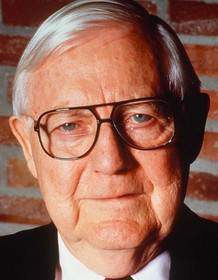
Robert Wise
Made by

20th Century Fox
Destination Gobi Plot Summary
Read the complete plot summary and ending explained for Destination Gobi (1953). From turning points to emotional moments, uncover what really happened and why it matters.
A wartime expedition unfolds as a Navy meteorology team is stationed in the Gobi Desert to support Pacific operations. Lt. Cmdr. Wyatt and CPO Sam McHale are sent to the most remote outpost, a harsh oasis where desert winds and far-apart people shape a fragile coexistence. McHale, worn from a recent voyage on The Big E, is less than eager to be stuck in the middle of nowhere, yet duty keeps him at the helm of the weather station.
The mission takes an unexpected turn when Mongolian nomads, led by Kengtu, roll into the camp with a simple request for hospitality and a surprising exchange of cultural wit. The Americans see an opportunity to recruit fierce horsemen as allies against the Japanese, and McHale requisitions 60 Army-issue saddles to test that possibility. The scene shifts from cautious diplomacy to a makeshift alliance as the Mongols seem to embrace the plan, their riders mounting the desert as a potential cavalry force.
Tragedy soon disrupts the fragile peace. Japanese planes strike the oasis, killing Lt. Cmdr. Wyatt and several Mongols, leaving the camp vulnerable and the American unit isolated. With the oasis abandoned and the direction home blocked, McHale and his men must decide how to get back to the sea—an 800-mile cross-desert trek that tests their endurance and ingenuity.
A pivotal encounter occurs at a desert oasis where Chinese traders are camped. There they meet [Kengtu], who explains his withdrawal from the station was a choice to shield his people from the war’s reach, the “birds in the sky.” In a bold strategic twist, Kengtu negotiates a disguise for the Americans in Mongol dress and offers to guide them to the coast, hoping to slip past enemy lines. The plan hinges on trust and timing, and at every step the group weighs risk against survival.
Their journey leads them into the Japanese-occupied city of Sangchien, China, where a trap is sprung and McHale’s unit is captured by Japanese soldiers who declare them spies because they are out of uniform. The twist of fate deepens as one of Kengtu’s men, [Wali-Akhun], allows himself to be arrested wearing a stolen American uniform, revealing that Kengtu has orchestrated the capture to force a path to the ocean. Wali-Akhun’s bold move buys McHale and his men time to plan an escape, and he clandestinely passes wire-cutters and a warning that a breakout may be possible.
That night, the group breaks free and makes a dash toward the docks, where a Chinese junk is waiting with [Kengtu] at the helm. The veteran strategist explains that the capture was a ruse designed to draw the Japanese to transport them to the sea, and their plan comes to fruition as they slip away from the coast and set sail toward Okinawa. The pursuit ends when U.S. Navy patrol planes spot them, confirming their rescue and return to friendly waters.
Back in American hands, [Sam McHale] earns the Navy Cross in recognition of his leadership and perseverance, while [Kengtu] and [Wali-Akhun] are welcomed back to their people. The film closes on a note of goodwill and ingenuity: the Mongolian riders receive 60 brand-new, navy-blue saddle blankets emblazoned with the emblem of the U.S. Navy Cavalry, a symbolic bridge between cultures forged in the heat of war and the shared hope of returning home.
Destination Gobi Timeline
Follow the complete movie timeline of Destination Gobi (1953) with every major event in chronological order. Great for understanding complex plots and story progression.
Mission assignment to remote Gobi station
The Navy forms a meteorology command to support Pacific operations and assigns Lt. Cmdr Wyatt and CPO Sam McHale to the most remote station in the Gobi Desert, Inner Mongolia. McHale, eager to return to sea, resents the desert assignment even as Wyatt prepares the forecast duties that will keep their unit supplied with weather data.
Mongol nomad contact and saddles
Mongolian nomads led by Kengtu set up camp at the oasis near the station, creating an uneasy but workable coexistence with the Americans. Seaman Jenkins suggests they would make an excellent cavalry, and McHale requisitions 60 Army saddles to facilitate contact.
Japanese attack and evacuation
Japanese planes bomb and strafe the oasis camp, killing Wyatt and several Mongols and shattering the fragile liaison. The survivors begin an arduous evacuation, heading 800 miles east across the Gobi toward the sea.
Kengtu offers escort in exchange for saddles
At another oasis, Kengtu explains he abandoned the station to protect his people from the Japanese. He offers to escort the Americans to the sea if they disguise themselves in Mongol dress and allow his followers to keep the saddles.
Disguised march toward Sangchien and capture
Under disguise, McHale's unit presses toward Sangchien, a Japanese-occupied city in China. Their cover finally fails, and they are trapped by Japanese soldiers and transported to a prisoner-of-war camp on China's coast.
POW camp: Wali-Akhun's leak and plan
Inside the POW camp, the officer treats them as spies because they are not in uniform. Wali-Akhun, one of Kengtu's men, is arrested in a stolen American uniform and later reveals Kengtu's plan, providing wire-cutters to McHale.
Nighttime breakout to the docks
That night, McHale and his men use the wire-cutters to break out and head for the docks, where Kengtu awaits with a Chinese junk.
Escape to sea and rescue near Okinawa
They reveal that their capture was a ploy to lure the Japanese into transporting them to the ocean, then set sail for Okinawa. They are soon spotted by U.S. Navy patrol planes and rescued.
Navy Cross for McHale
Following the rescue, McHale is awarded the Navy Cross for his leadership and courage during the ordeal.
Kengtu and Wali rejoin their people
Kengtu and his ally Wali are flown in an admiral's transport plane to rejoin their people, completing their part of the mission.
Saddle blanket gift seals alliance
McHale and his men present the Mongols with 60 brand-new navy blue saddle blankets emblazoned with the logo The First U.S. Navy Mongolian Cavalry to honor and cement their alliance.
Destination Gobi Characters
Explore all characters from Destination Gobi (1953). Get detailed profiles with their roles, arcs, and key relationships explained.
Sam McHale (Richard Widmark)
A Navy seaman who becomes the driving force behind coordinating the desert unit and the cross-cultural mission. He remains focused on getting his men to safety while navigating unpredictable alliances. His practical leadership and steady demeanor anchor the group under pressure.
Hobart Wyatt (Lt. Cmdr)
Lt. Cmdr. Wyatt is the station’s commanding officer who initiates and oversees the operation at the remote outpost. He faces the brutal realities of war and the peril of aerial attacks. His death during the Japanese air raid becomes a catalyst for the remaining men to press on.
Jenkins
An ex-cowboy-turned-seaman, Jenkins offers practical, down-to-earth commentary and helps advocate for using Mongol allies as cavalry. He embodies frontier pragmatism in a wartime setting and contributes to the alliance’s operations.
Wilbur "Coney" Cohen
A member of the unit who participates in the journey and the camp dynamics. He stands with the group through the long trek and the plan to reach safety, highlighting camaraderie under extreme conditions.
Kengtu
Leader of the Mongol nomads who camp at the station. He negotiates the exchange of saddles and offers to escort the Americans to the sea, using a plan that ultimately leads to a strategic escape for all involved.
Wali-Akhun
One of Kengtu’s followers who chooses a risky path to aid the Americans. He allows himself to be arrested in a stolen uniform and helps McHale and his unit escape, playing a pivotal role in the breakout.
Elwood Halsey
A member of the American unit who endures the hardships of the journey and participates in the escape plan. He contributes to the group’s perseverance and resilience.
Tomec
A member of the group encountered during the march or within the Mongol contingent. His presence is part of the unfolding dynamic among the allied forces and captors.
Nura-Salu
A character encountered at the oasis among the Chinese traders. Nura-Salu represents the interaction between different cultures at the critical juncture of the journey.
Commanding Officer, Japanese POW Camp
The camp officer who decides that McHale and his men, due to lacking uniforms, will be treated as spies. His decisions shape the prisoners’ treatment and the timing of the escape.
Destination Gobi Settings
Learn where and when Destination Gobi (1953) takes place. Explore the film’s settings, era, and how they shape the narrative.
Time period
World War II, 1940s
The story unfolds in the Pacific War era, where a US Navy meteorology unit operates far from the front lines. Air raids, prisoner-of-war dynamics, and wartime improvisation set the stakes high. Alliances across cultures become essential to withstand the dangers of the period.
Location
Gobi Desert, Inner Mongolia
An isolated weather station sits in the heart of the Gobi Desert, deep within Inner Mongolia. The oasis nearby provides a rare lifeline in an arid, unforgiving landscape. The remote outpost’s harsh climate and distance from sea routes frame the crew’s constant struggle for survival and cooperation.
Destination Gobi Themes
Discover the main themes in Destination Gobi (1953). Analyze the deeper meanings, emotional layers, and social commentary behind the film.
🤝
Cross-Cultural Cooperation
The film centers on an unlikely alliance between American sailors and Mongol nomads. Despite language barriers and different customs, the two groups negotiate, share resources, and work toward a common goal. Trust is built through duress, and the bond proves crucial for survival and success.
🧭
Strategic Deception
Deception drives the plot as Kengtu orchestrates a plan to transport the Americans by disguising them in Mongol dress. Wali-Akhun’s calculated actions and the staged capture test loyalties and nerve under pressure. The sequence blends cunning with courage, revealing war’s gray areas.
🏁
Escape & Survival
Escape becomes the ultimate test of endurance, resourcefulness, and teamwork as the group navigates hostile territory and a perilous coast. The plan culminates in a daring breakout and a sea-crossing that ends in rescue. The finale underscores resilience and the thin line between defeat and victory in wartime operations.

Coming soon on iOS and Android
The Plot Explained Mobile App
From blockbusters to hidden gems — dive into movie stories anytime, anywhere. Save your favorites, discover plots faster, and never miss a twist again.
Sign up to be the first to know when we launch. Your email stays private — always.
Explore the mobile appDestination Gobi Spoiler-Free Summary
Discover the spoiler-free summary of Destination Gobi (1953). Get a concise overview without any spoilers.
In the unforgiving heat of the Gobi Desert, a small U.S. Navy meteorology detachment is sent far from the ocean’s safety to support Pacific operations during World War II. Their scientific outpost, perched on a remote oasis, becomes the center of a delicate balance between duty and isolation, as the crew must contend with endless dunes, sudden sandstorms, and the ever‑present hum of distant aircraft. When their ship is rendered inoperable, the team finds itself marooned in a landscape where the line between research and survival blurs.
Leading the group is the seasoned yet weary Sam McHale, whose recent voyages have left him wary of long assignments far from the sea. He works under the steady command of Wyatt, a lieutenant commander whose sense of responsibility holds the outpost together despite the mounting pressures of war. Their relationship is a study in contrasting temperaments—McHale’s pragmatic cynicism meets Wyatt’s disciplined optimism—creating a dynamic that drives the unit’s uneasy cohesion as they grapple with the desert’s relentless demands.
Beyond the American camp, the vast steppe is home to the nomadic peoples of Mongolia, embodied by the charismatic Kengtu. His arrival brings a clash of cultures that quickly turns into a cautious partnership, as the sailors recognize the potential of the Mongolian horsemen to aid their precarious situation. The exchange is laced with humor, mutual curiosity, and an unspoken respect for each other’s expertise, setting a tone that oscillates between tense survival and moments of unexpected camaraderie. While Japanese forces loom on the horizon, the film’s atmosphere remains dominated by the stark beauty of the desert, the stark contrast of metal and sand, and the fragile hope that cooperation across worlds might offer a way through the relentless wilderness.
Movies with Similar Twists and Themes
Uncover films that echo the narrative beats, emotional arcs, or dramatic twists of the one you're exploring. These recommendations are handpicked based on story depth, thematic resonance, and spoiler-worthy moments — perfect for fans who crave more of the same intrigue.



Featured on this page

What's After the Movie?
Not sure whether to stay after the credits? Find out!
Check out our other apps:

SAT Sphere
Build confidence for the Digital SAT.

Mori Atlas
Discover wild places worth protecting.

Luntero
Search smarter for a home in Amsterdam.

Plot Explained
Unravel movie endings and hidden clues.

Pokechamp
Dive into Pokémon data and battle logic.

Driving Theory
Get ready for your European theory test.

Movie Dust
Plan your next cinema trip with ease.

Musemap
Find art and culture as you travel.

Selkobase
Compare credentials before committing.

Local Manual
Turn an unfamiliar country into practical next steps.

Lernavi
Compare school systems before your next move.

GymRoam
Find a workout stop wherever your plans take you.
Explore Our Movie Platform
New Movie Releases (2026)
Famous Movie Actors
Top Film Production Studios
Movie Plot Summaries & Endings
Major Movie Awards & Winners
Best Concert Films & Music Documentaries
Movie Collections and Curated Lists
© 2026 What's After the Movie. All rights reserved.
Privacy Policy